Gentle Giants
Encounters that slow everything down: humpback whales in Moorea, sperm whales off Pico, whale sharks at Isla Mujeres, giant manta rays at Socorro and Raja Ampat, devil rays in the Azores, playful sea lions and marine iguanas in the Galapagos, sea turtles across the Red Sea. Patience first, camera second.









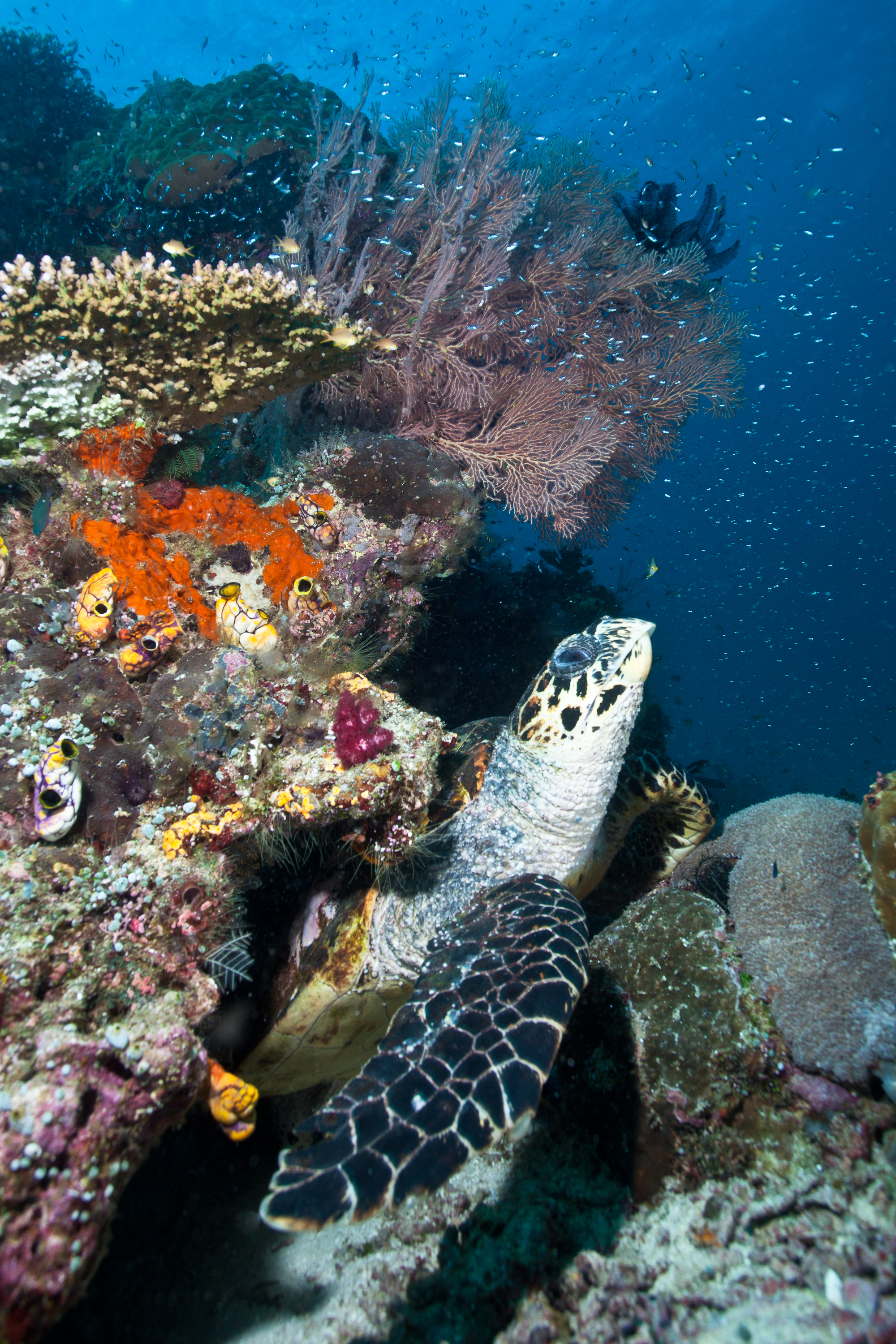

Encounters that slow everything down
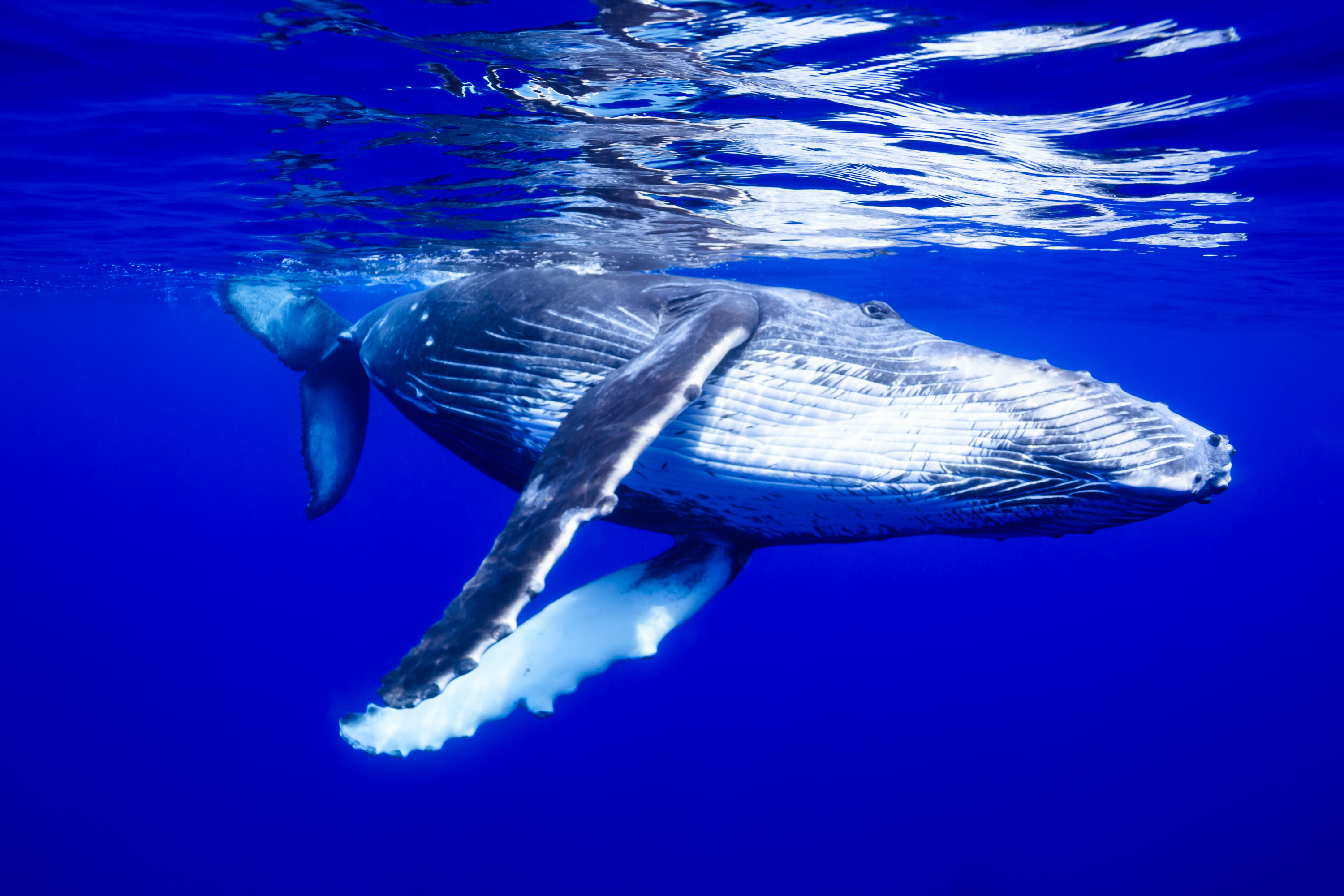
I was floating at the surface in Moorea when the song reached me. Not heard, exactly. Felt. The low calls of a male humpback somewhere out of sight, so deep I felt them before I heard them, traveling through my bones until my whole body was vibrating with another animal’s voice.
That is what this gallery is, really. Animals big enough to make me feel small in their world.
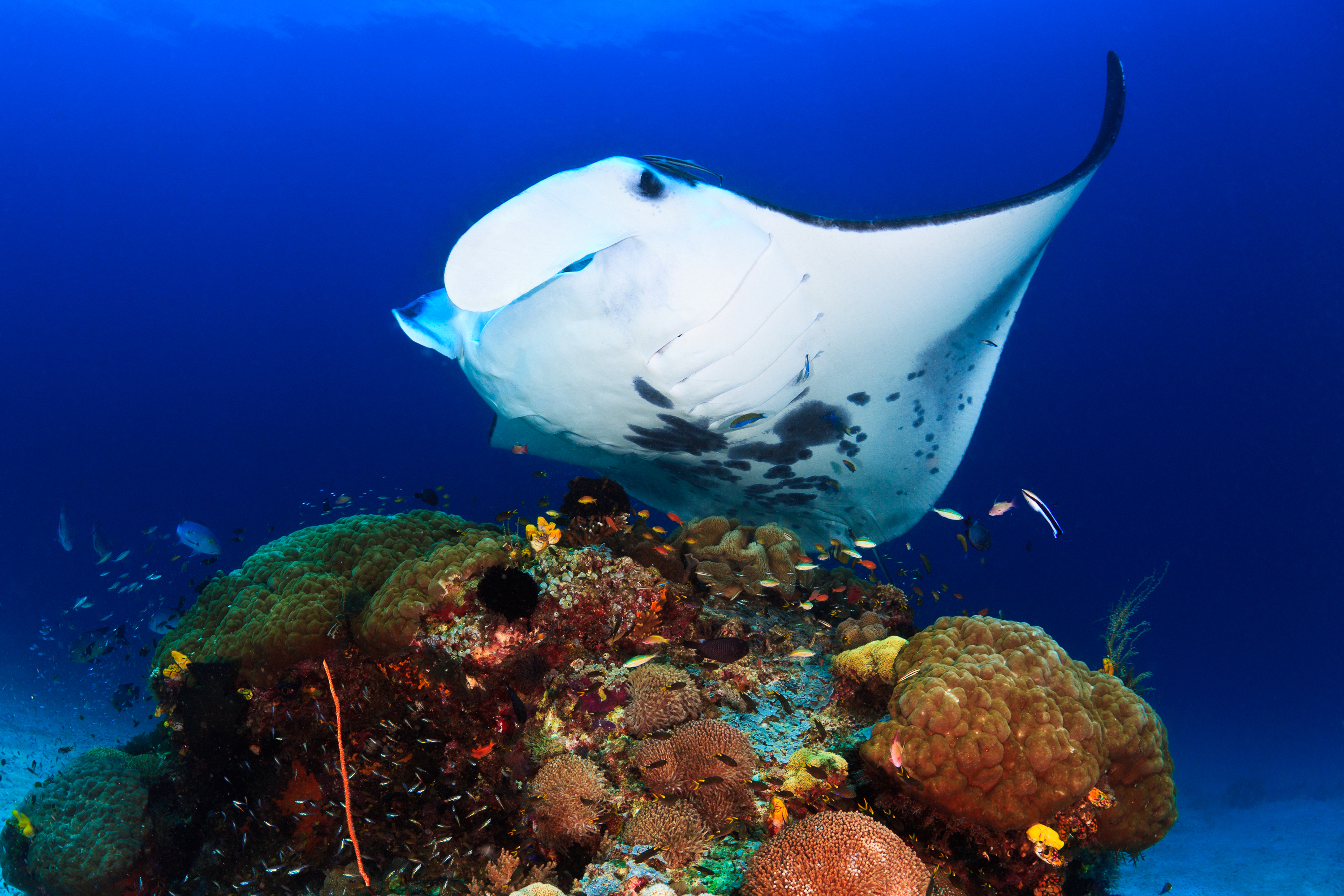
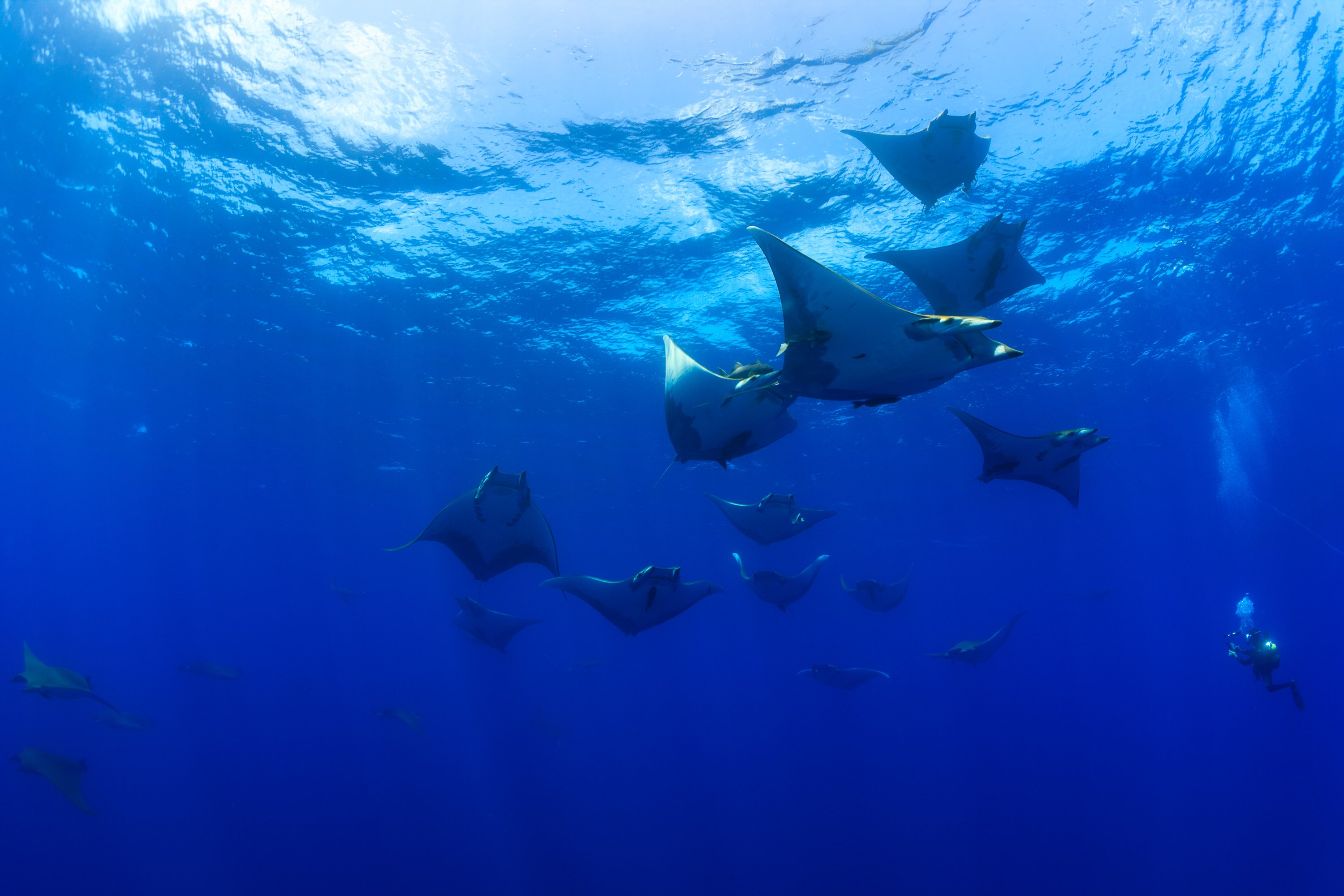
In Pico, sperm whales rise from depth to meet me at the surface, blocky foreheads filling the frame. Whale sharks off Isla Mujeres bring a busier surface, shorter swims, photography honest about splashes and timing. At Socorro and Raja Ampat, giant manta rays approach on their own terms, weighing the divers below before deciding to come close. Devil rays in the Azores may offer a single brief pass. A green turtle crosses a Red Sea reef without a glance. With animals this large, the work is patience first, camera second.
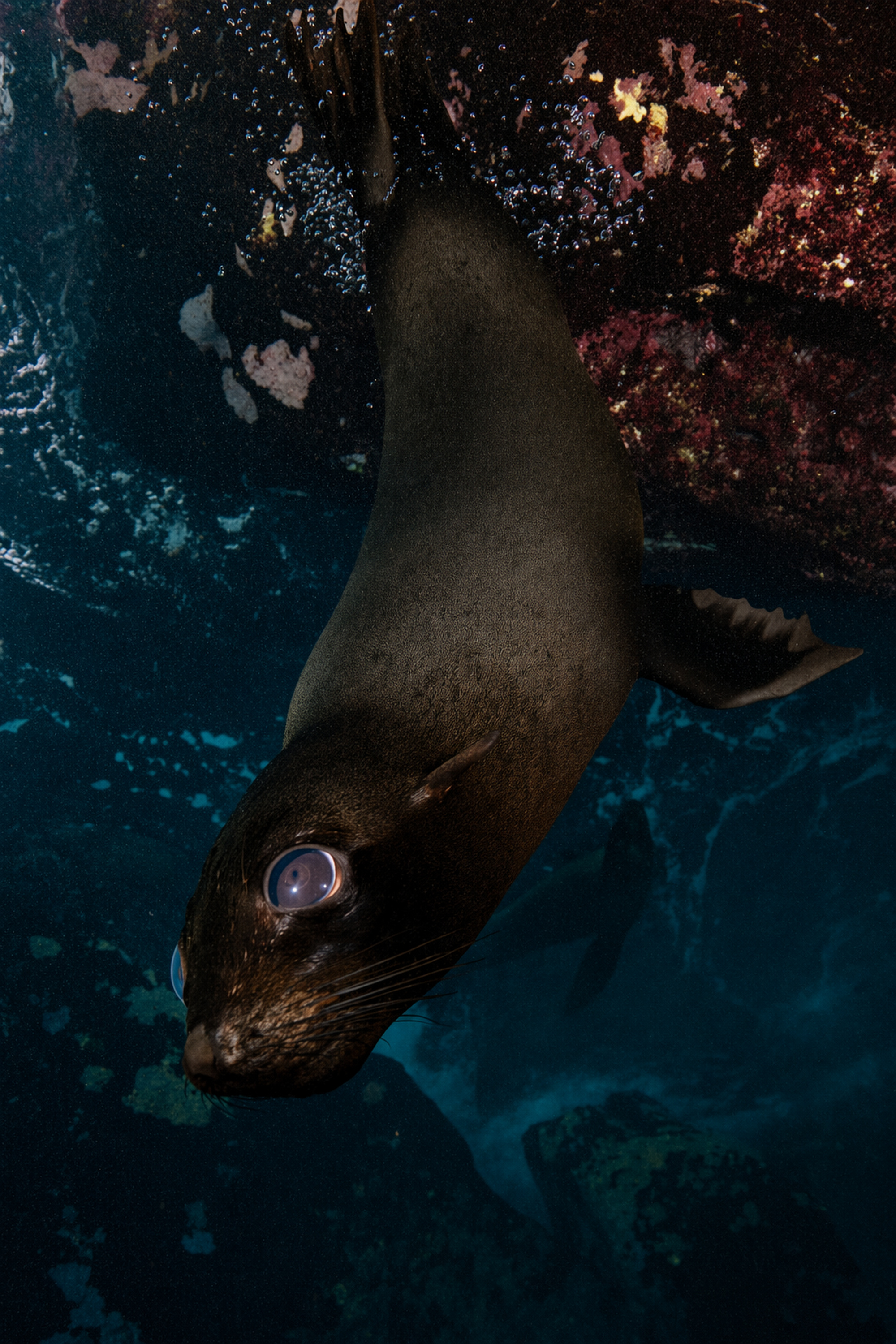
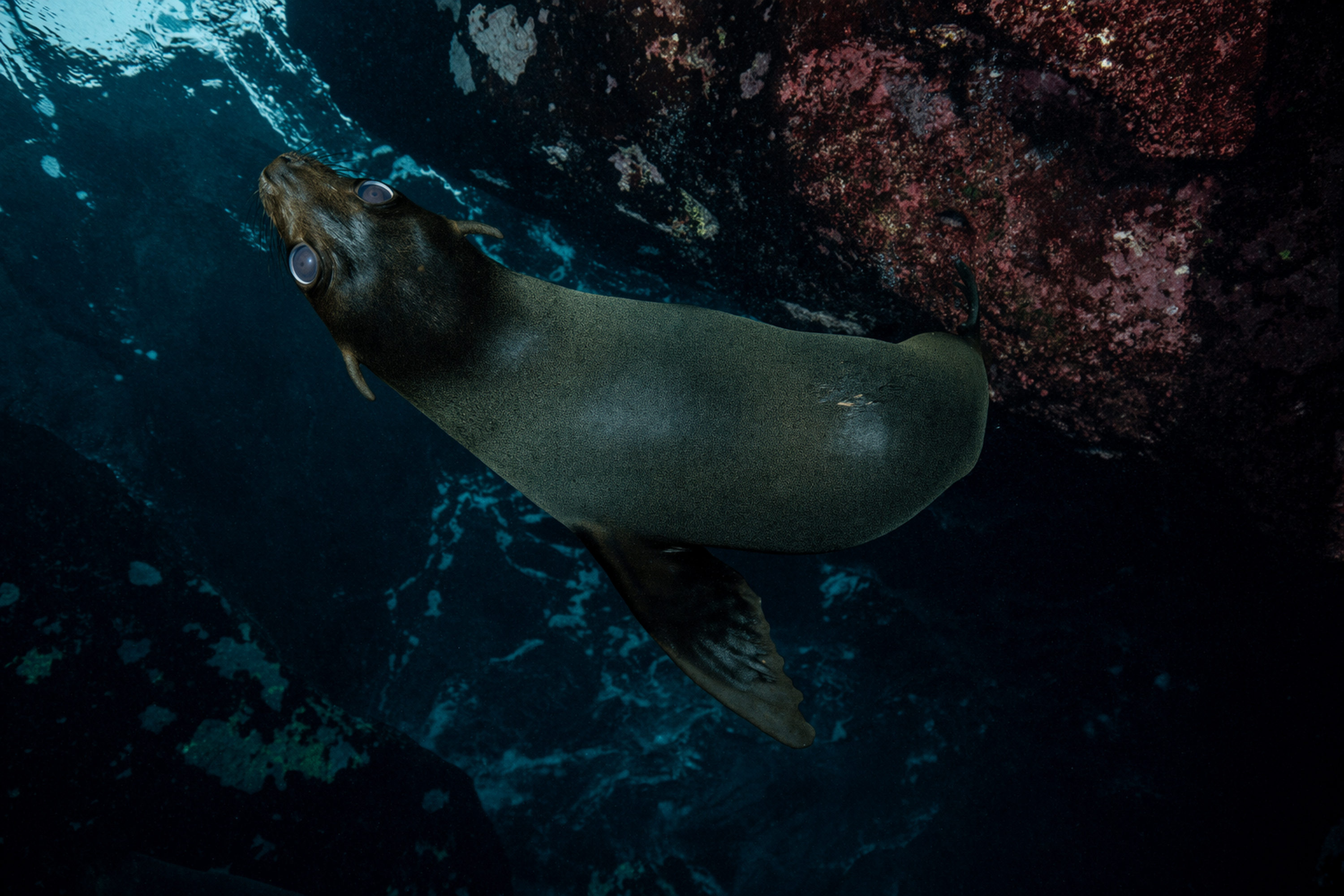
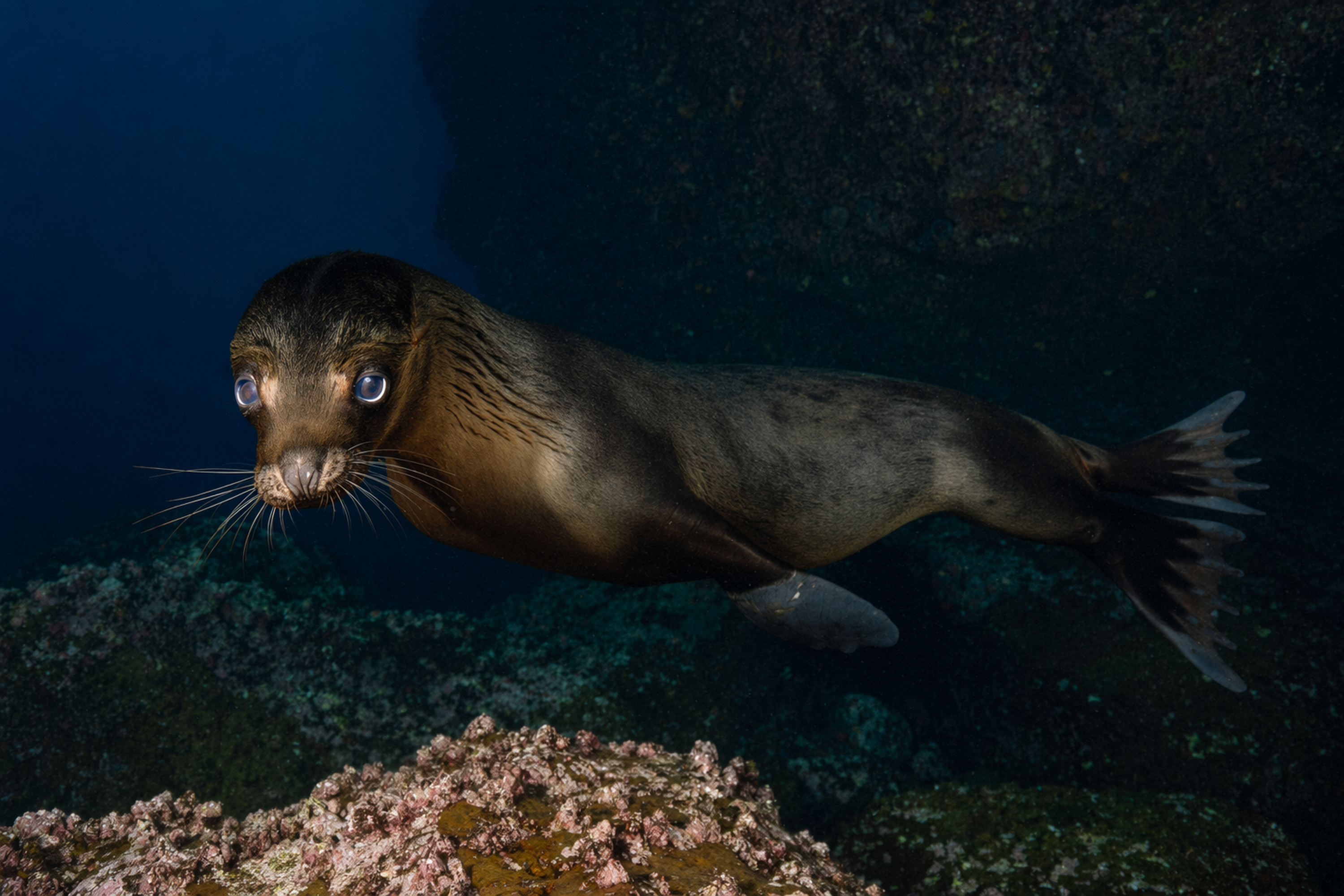
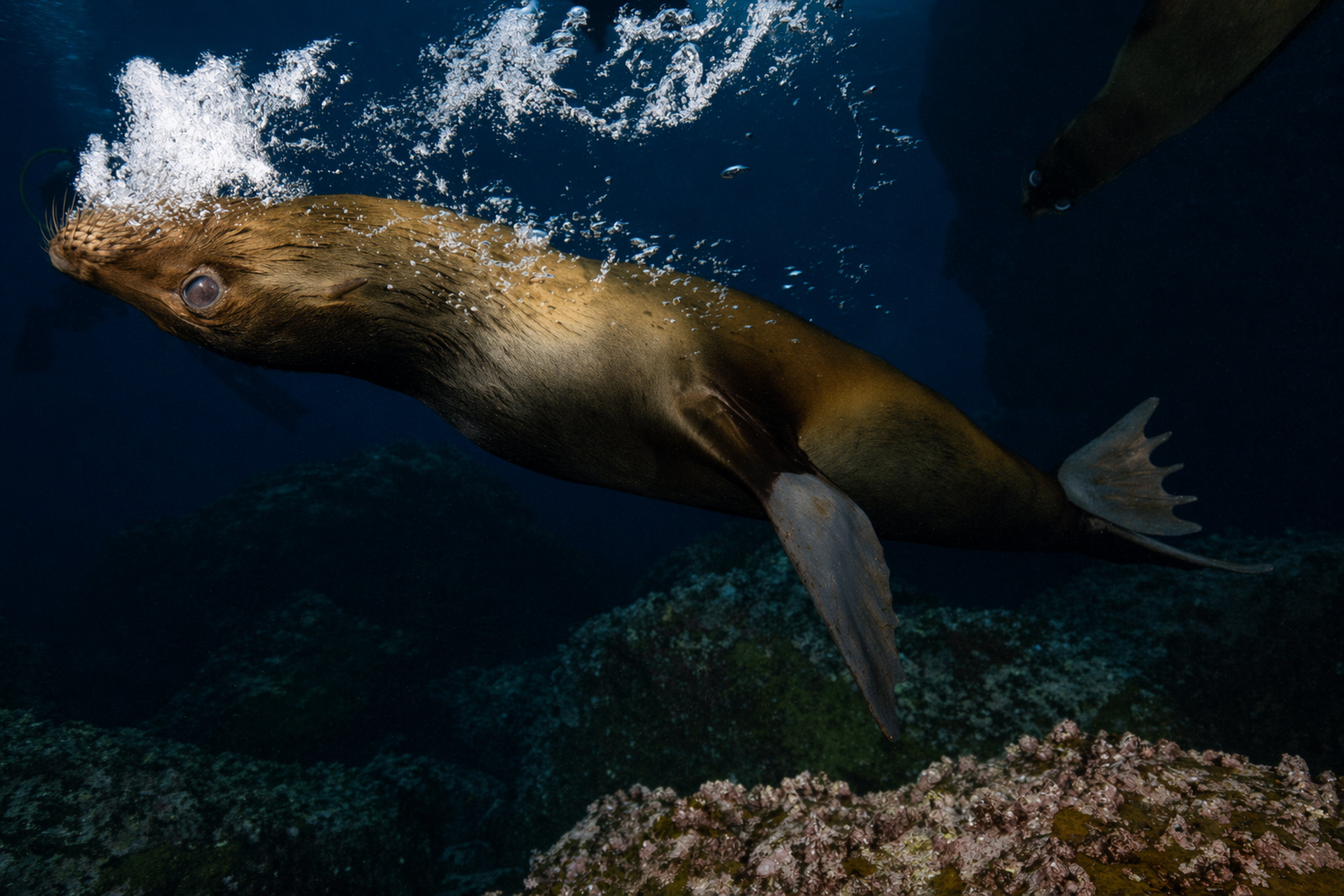
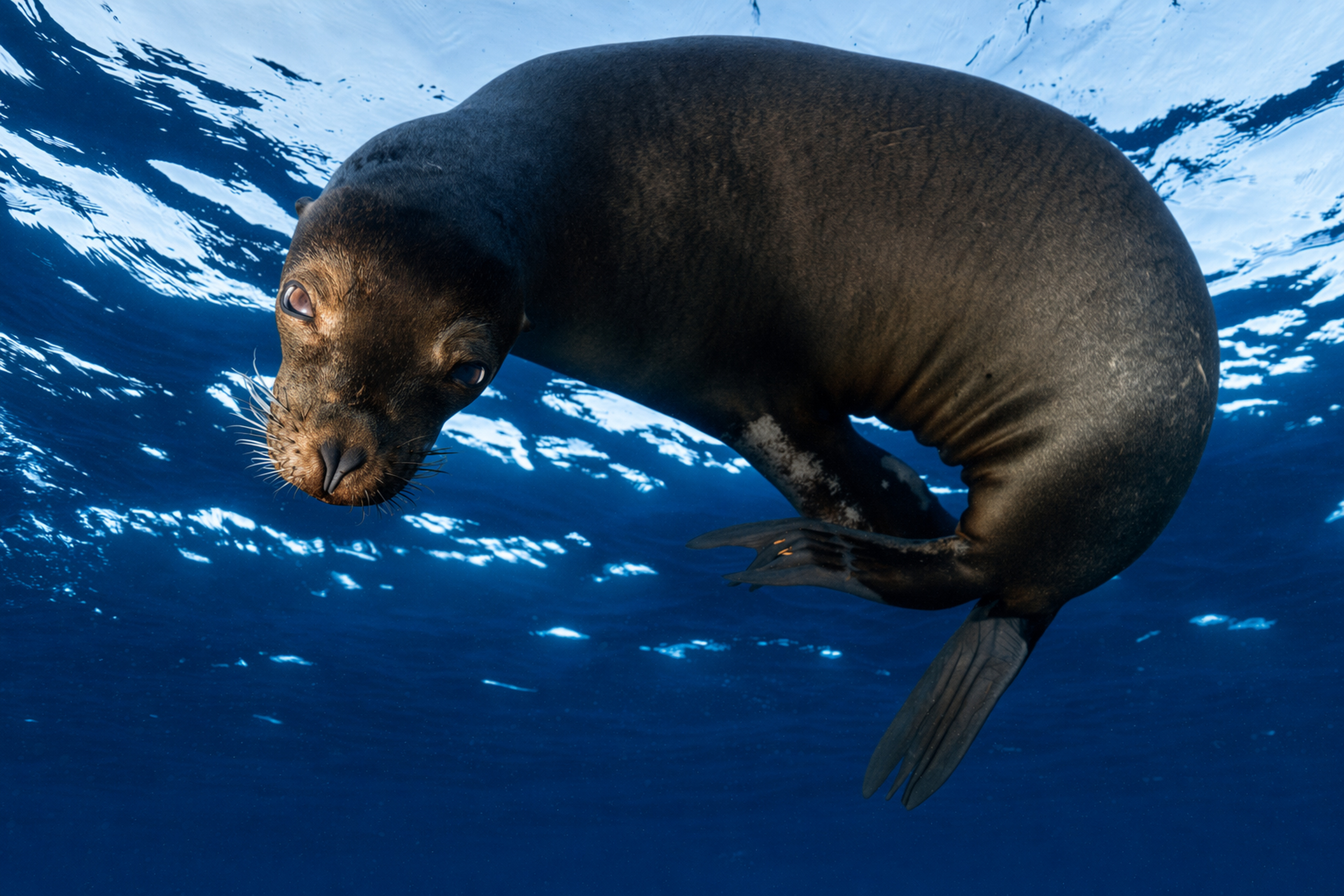
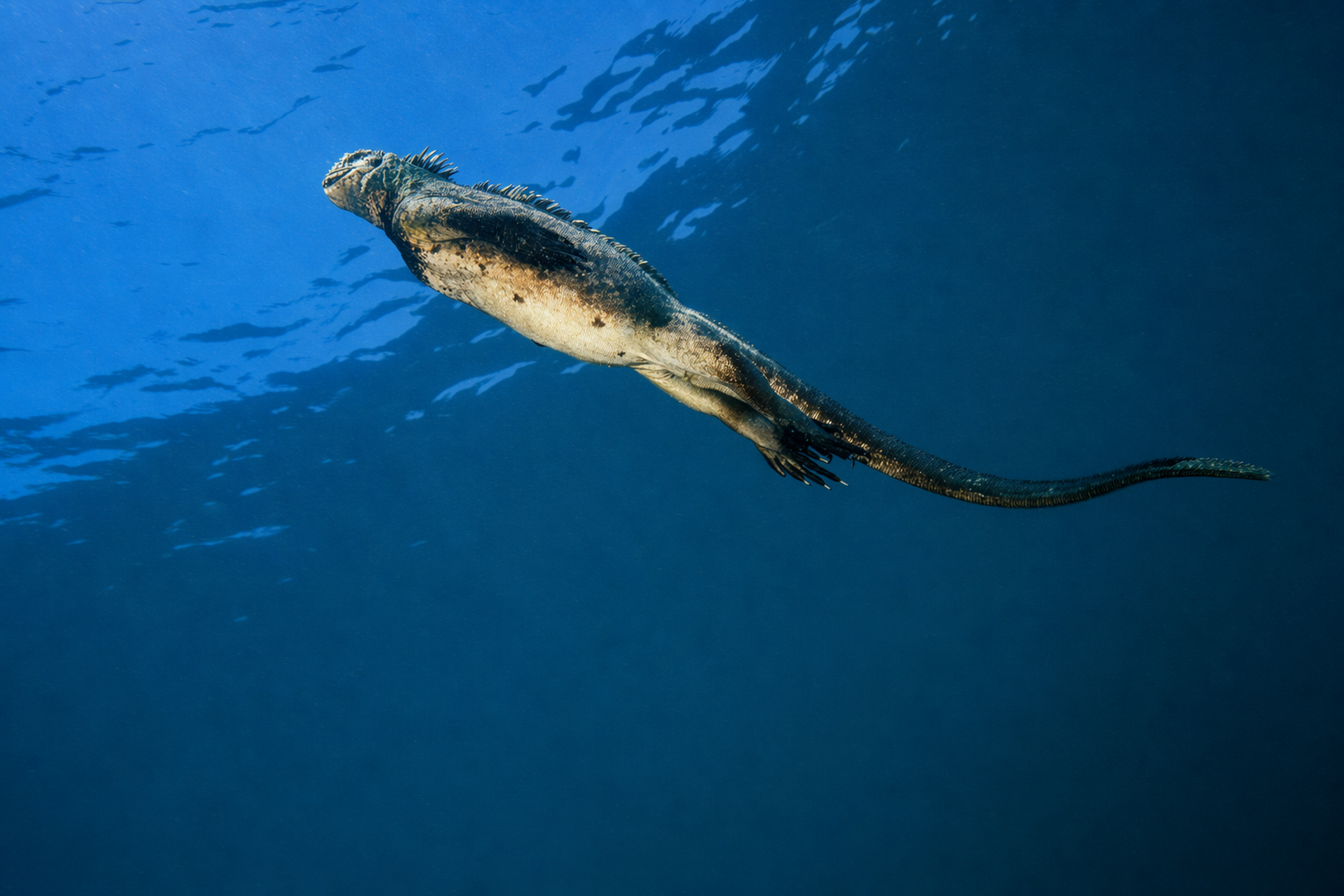
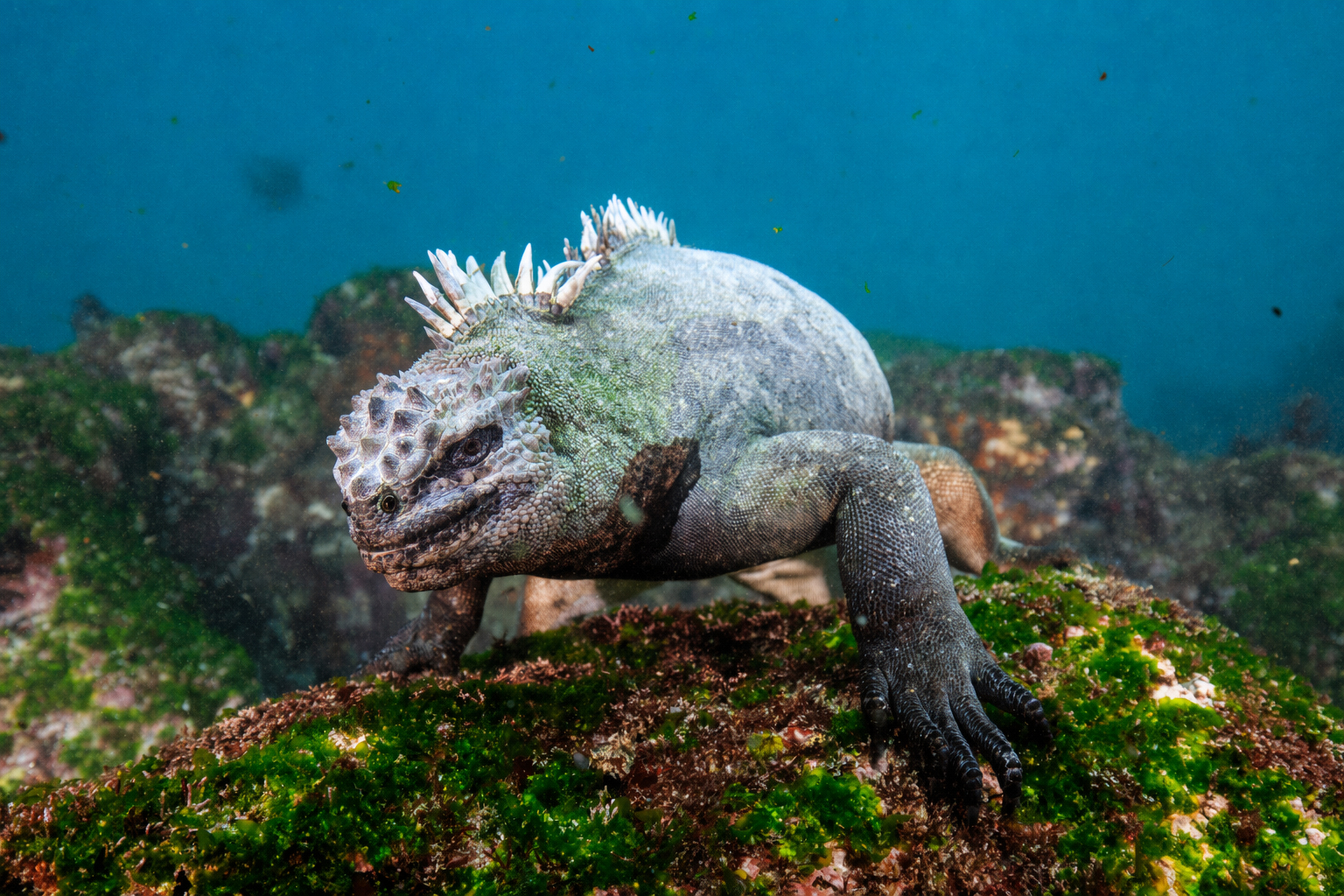
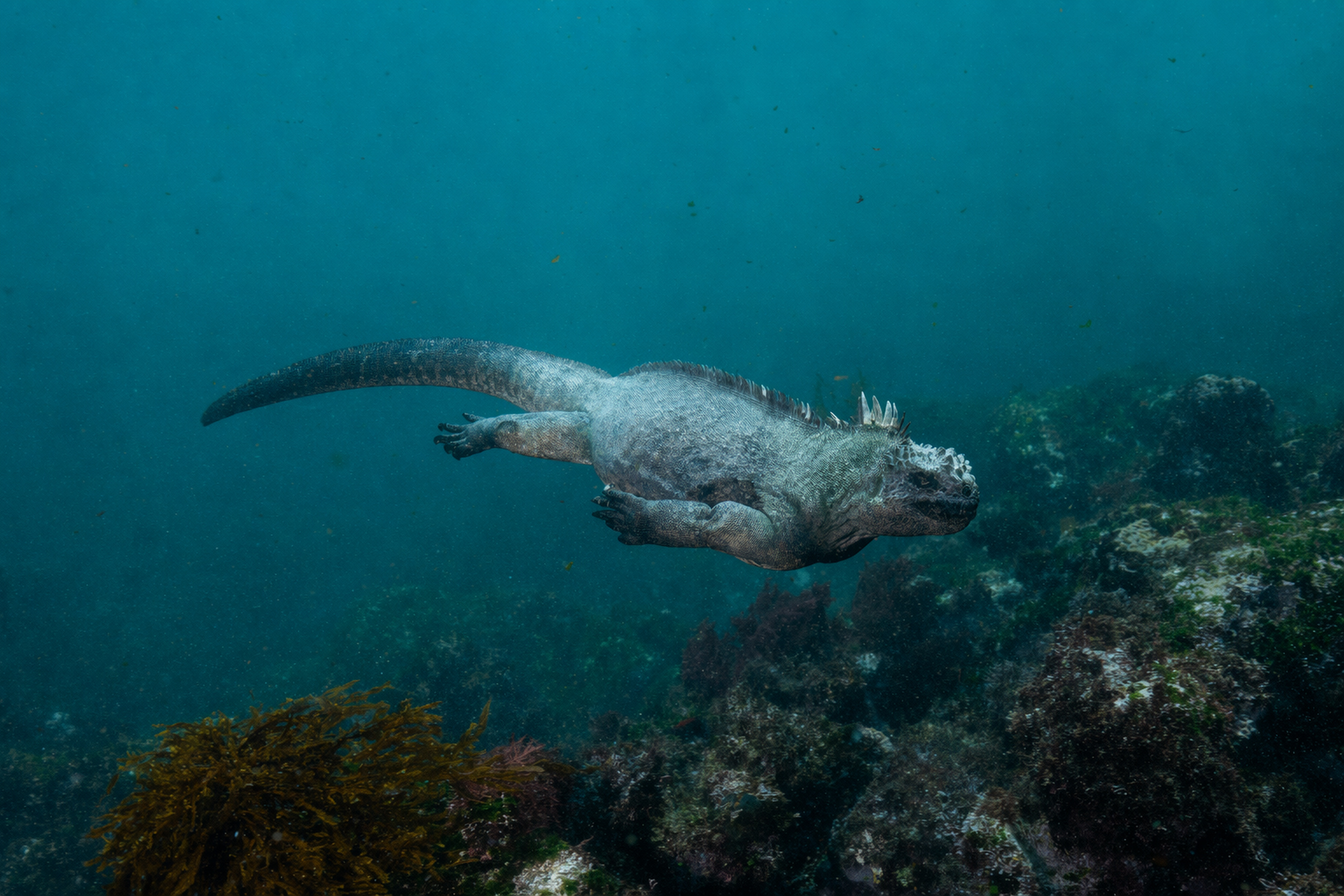
In the Galapagos, sea lions turn the dive into a game. They barrel through bubbles, spin past the lens, stare you down from a meter away. Marine iguanas are the opposite: quiet, deliberate, slipping off volcanic rock to graze the reef below. The only ocean-going lizard on the planet, found nowhere else. Their story runs deeper for me and lives in My Big Five for Life.
The encounter I’m after
Not the chase. A guest in their water, close enough to read the animal and let it read me back. A pod of bottlenose dolphins coming in fast through Socorro blue, the lead one breaking off to look me in the eye. A giant manta banking back through bubbles, curious enough to return. A whale shark passing slow under a Caribbean sky, big enough that the frame can only hold part of it.
These encounters matter to me beyond photography. A humpback mother and her newborn calf returned to the same two divers for twelve consecutive days in Moorea, until the calf was swimming inches from my mask. That story belongs to My Big Five for Life, and it changed how I think about every animal I dive with. Many of these journeys are described on the About page. This gallery sits beside the more intense energy of Sharks; for the opposite end of scale, see Macro Critters.
Explore More Galleries
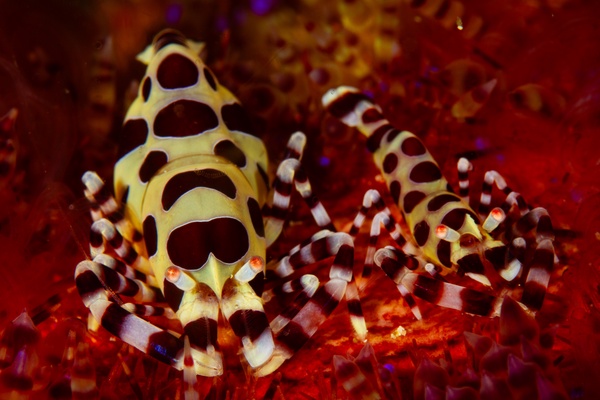
Macro Critters