Macro Critters
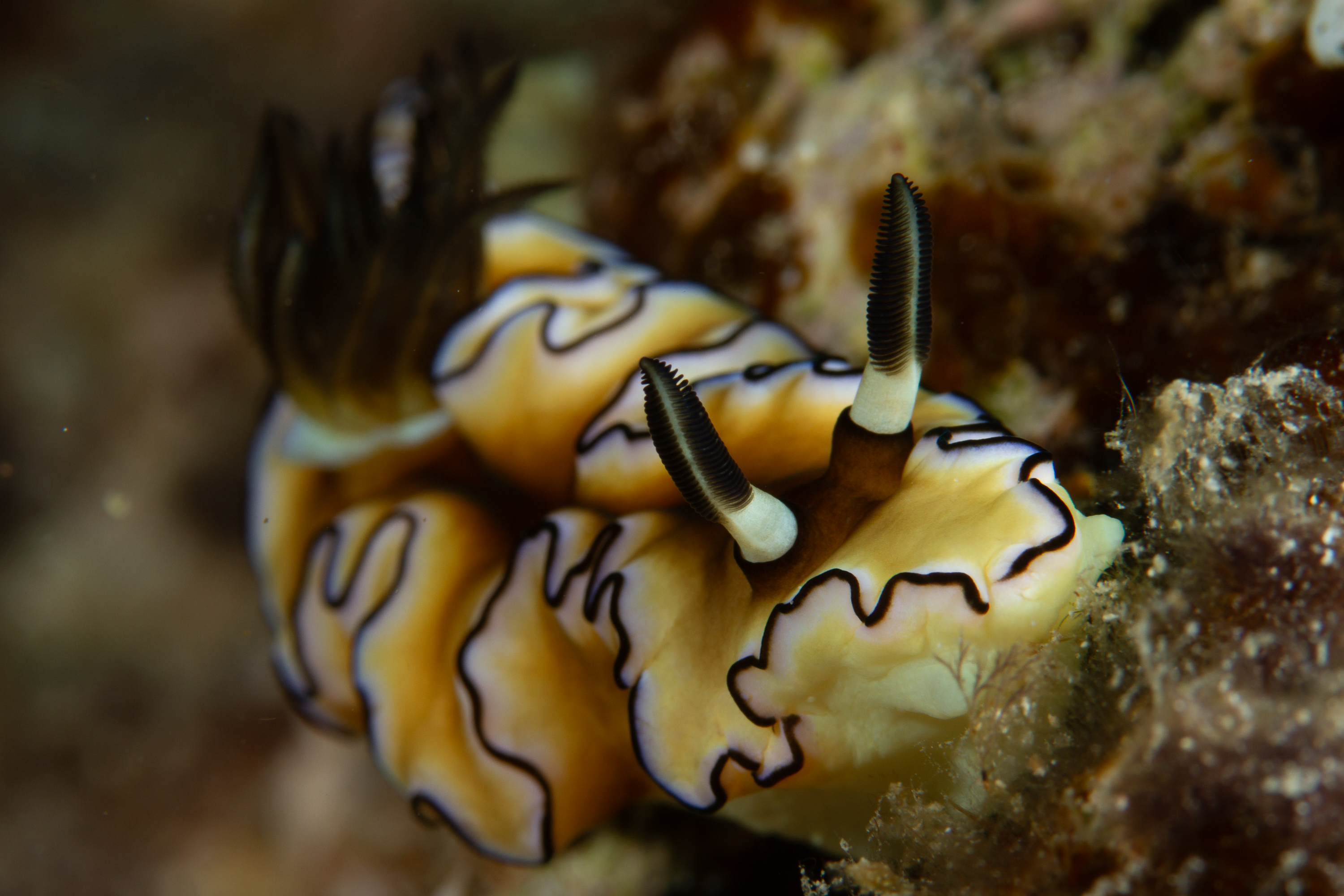
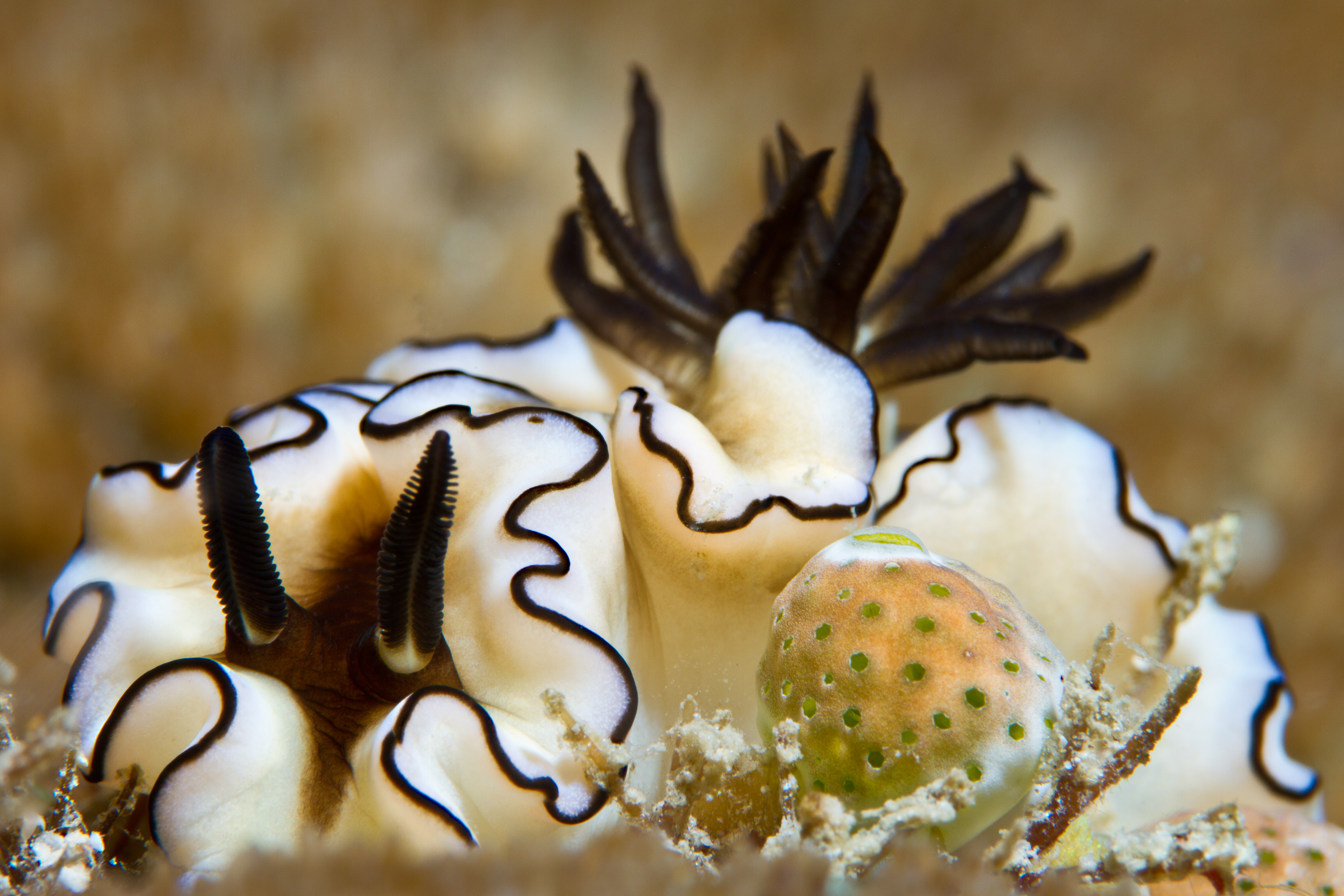
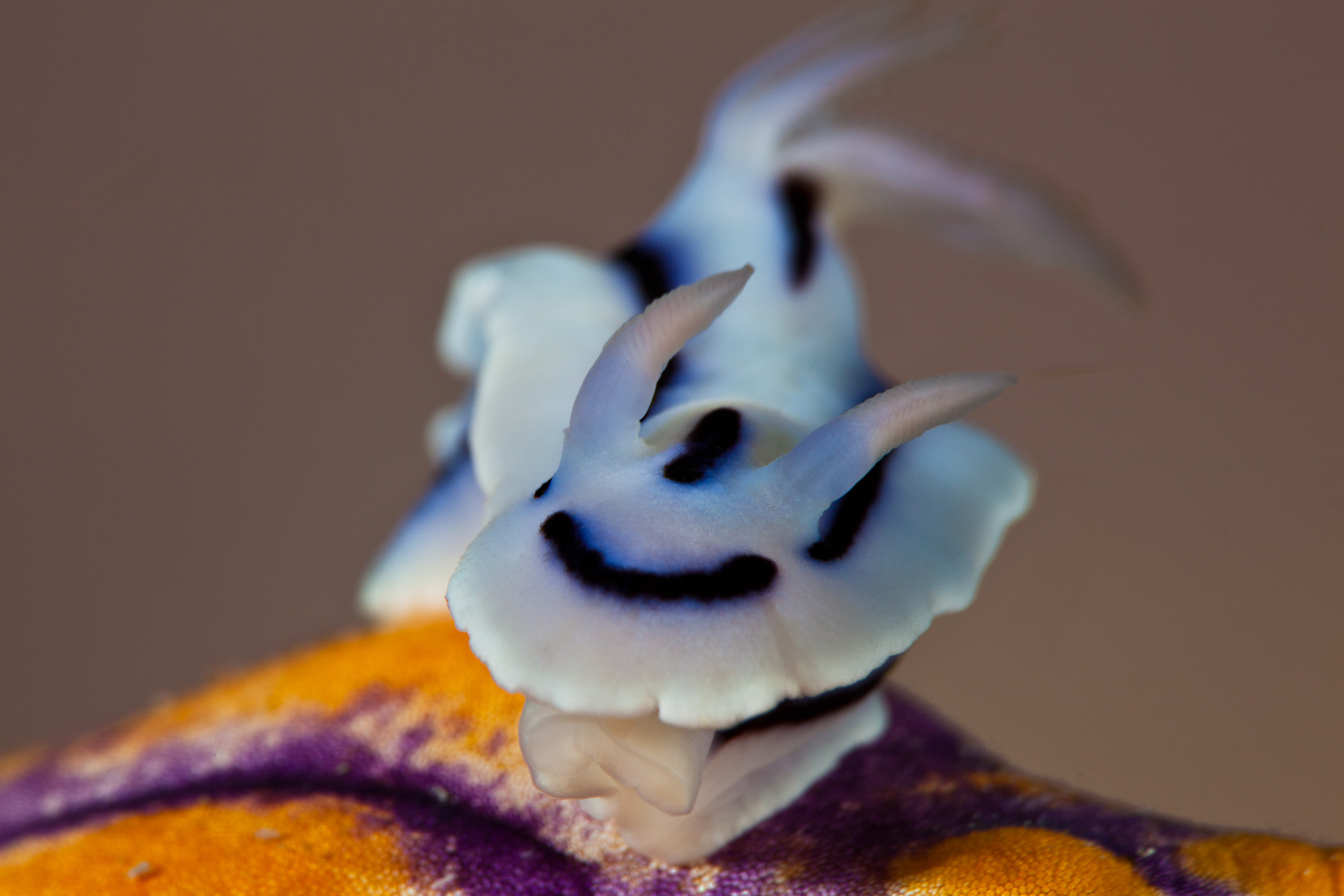
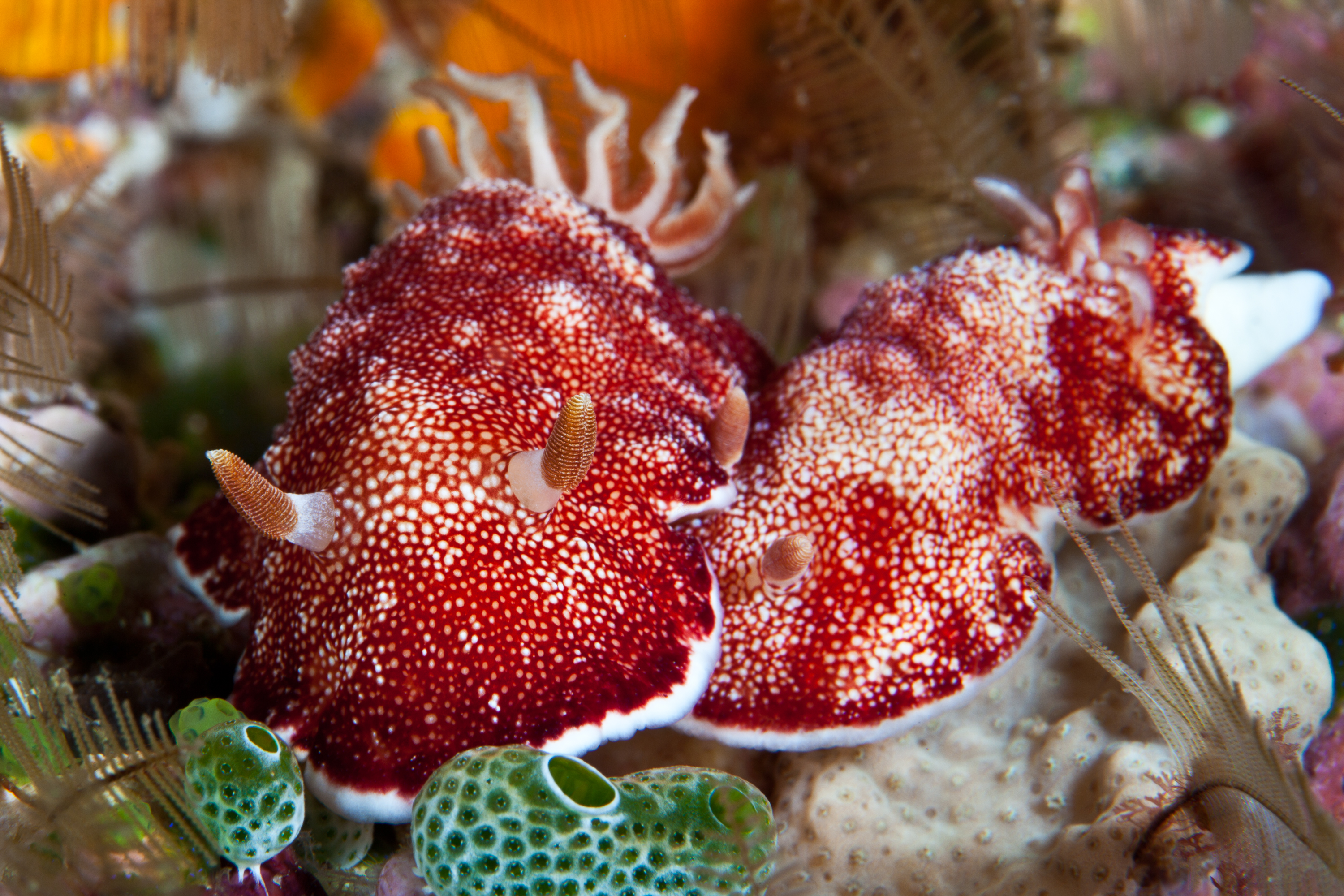
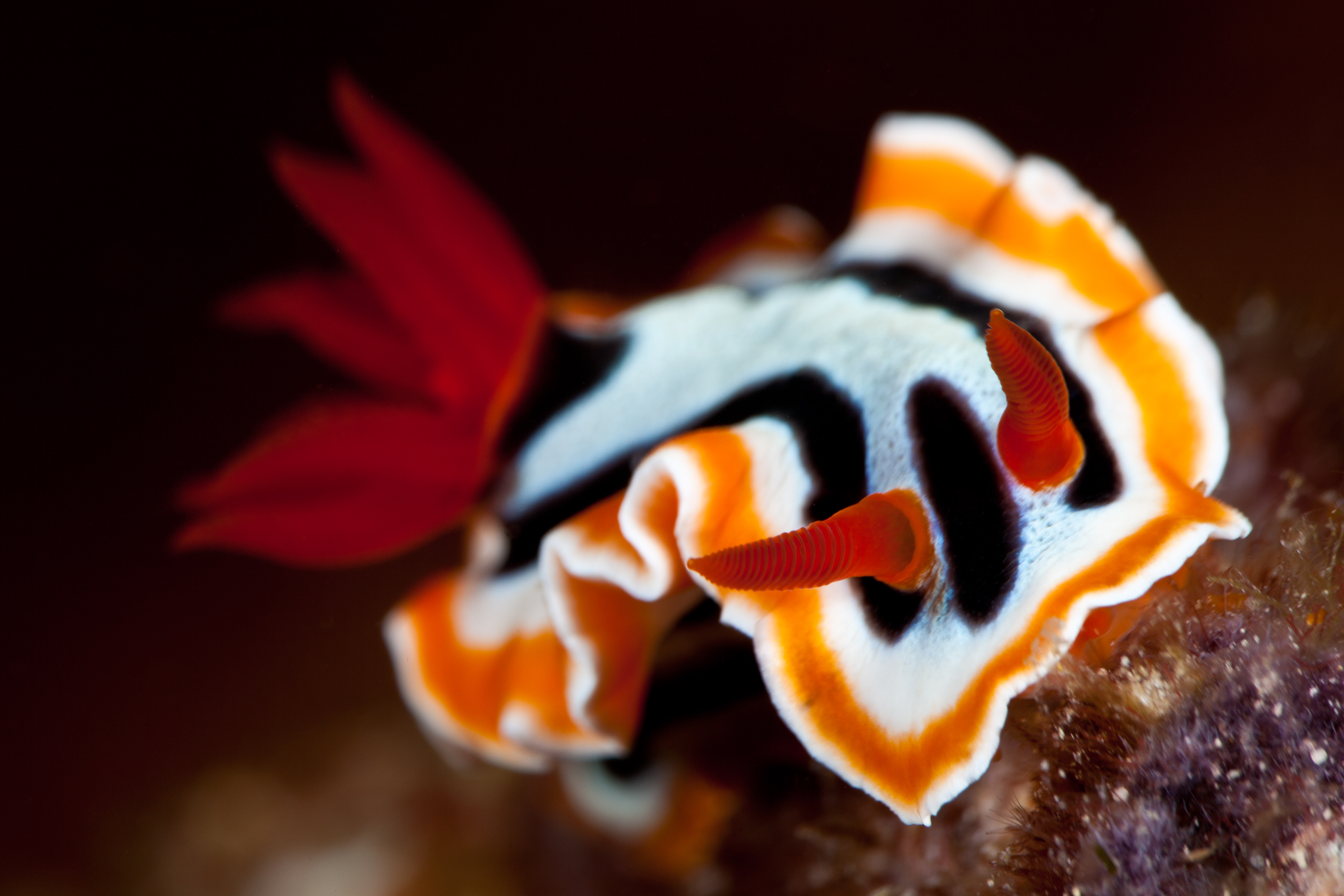
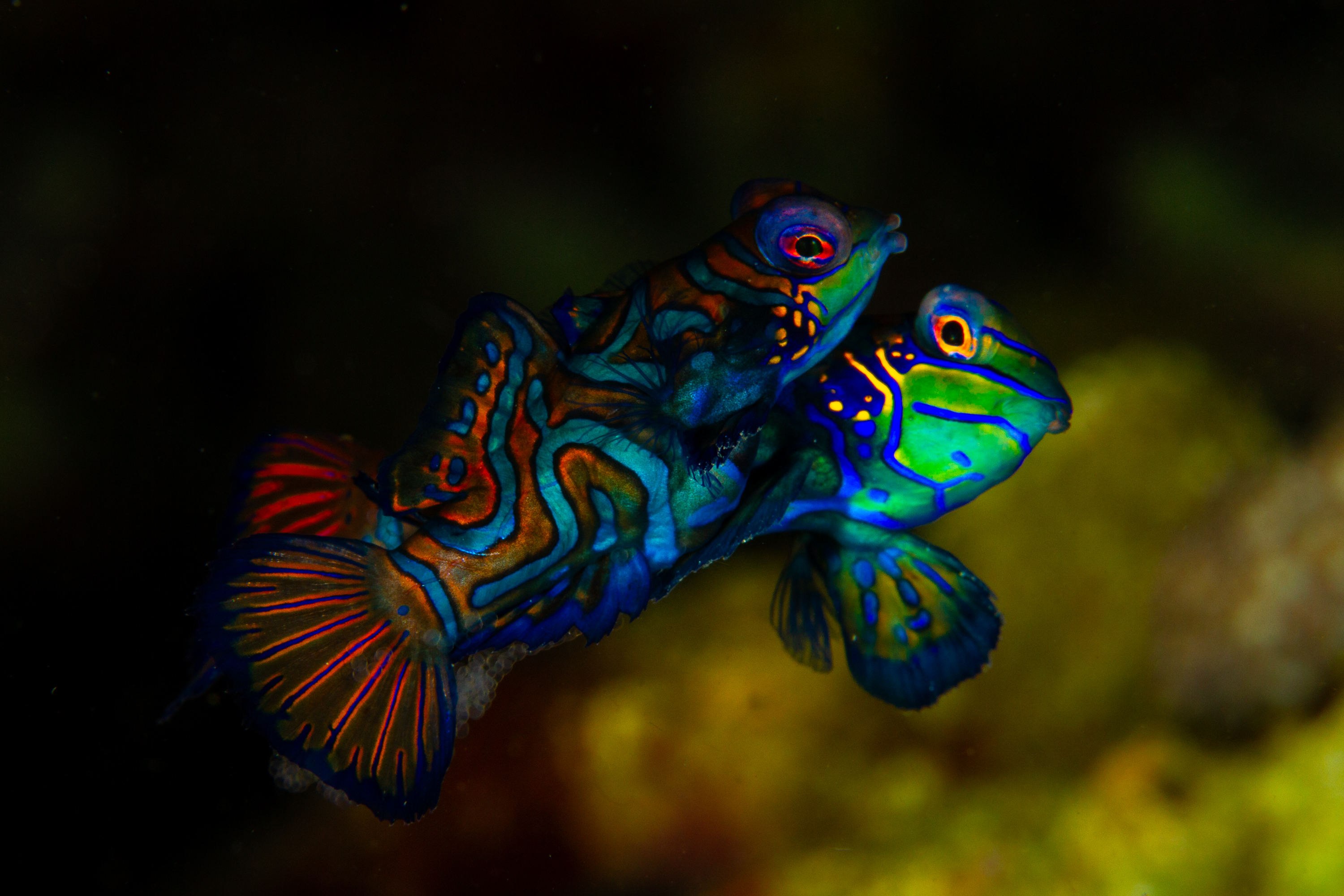
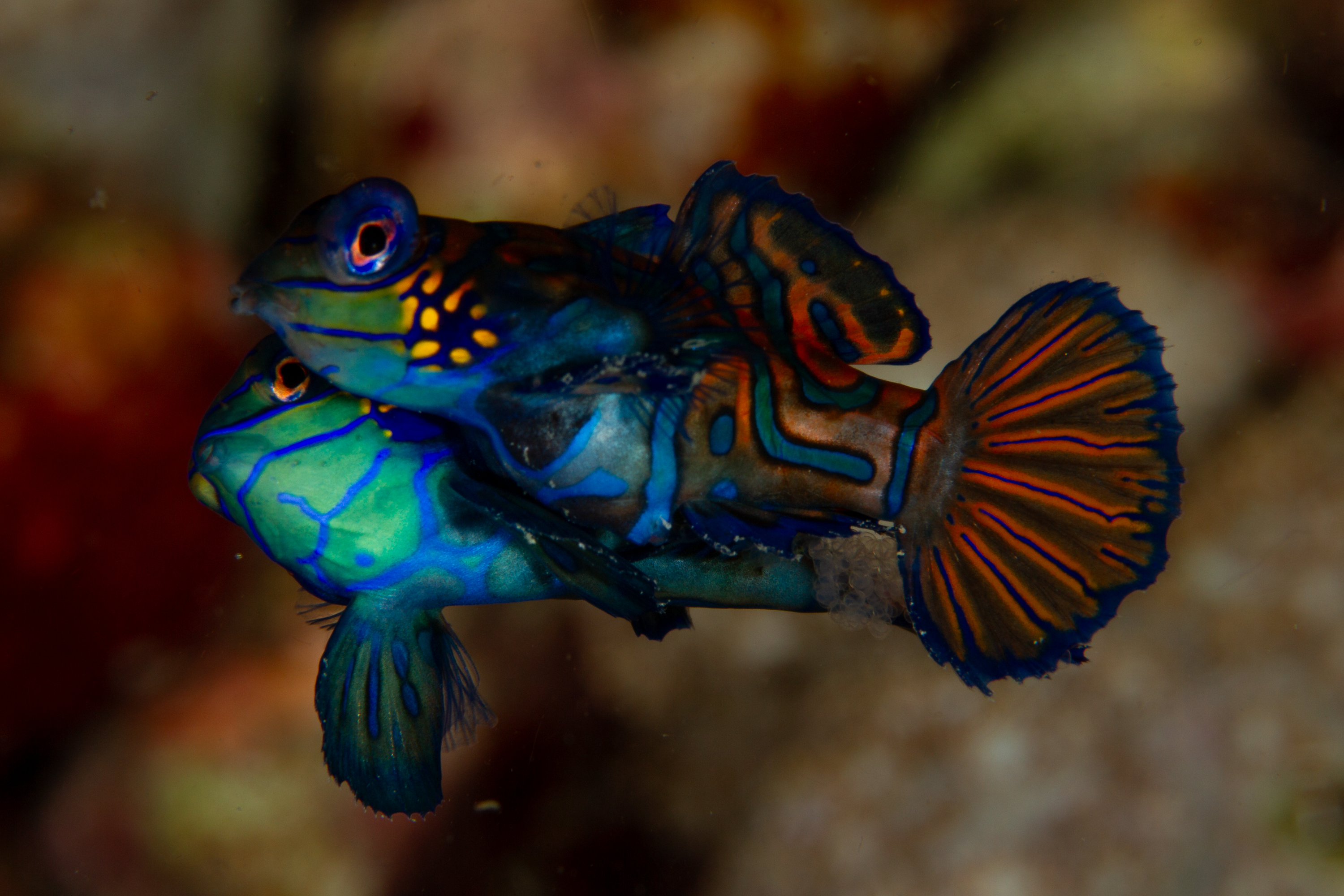
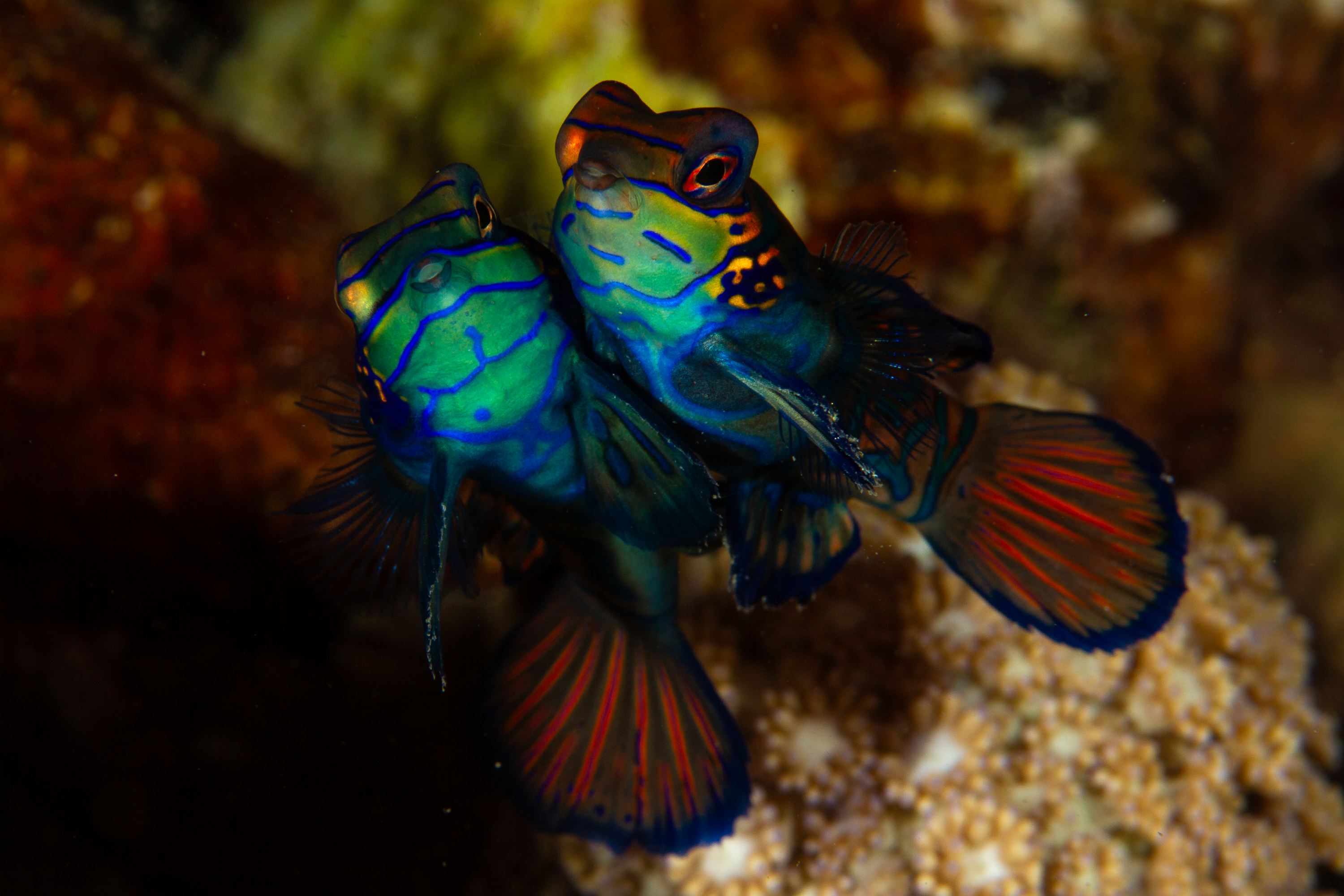
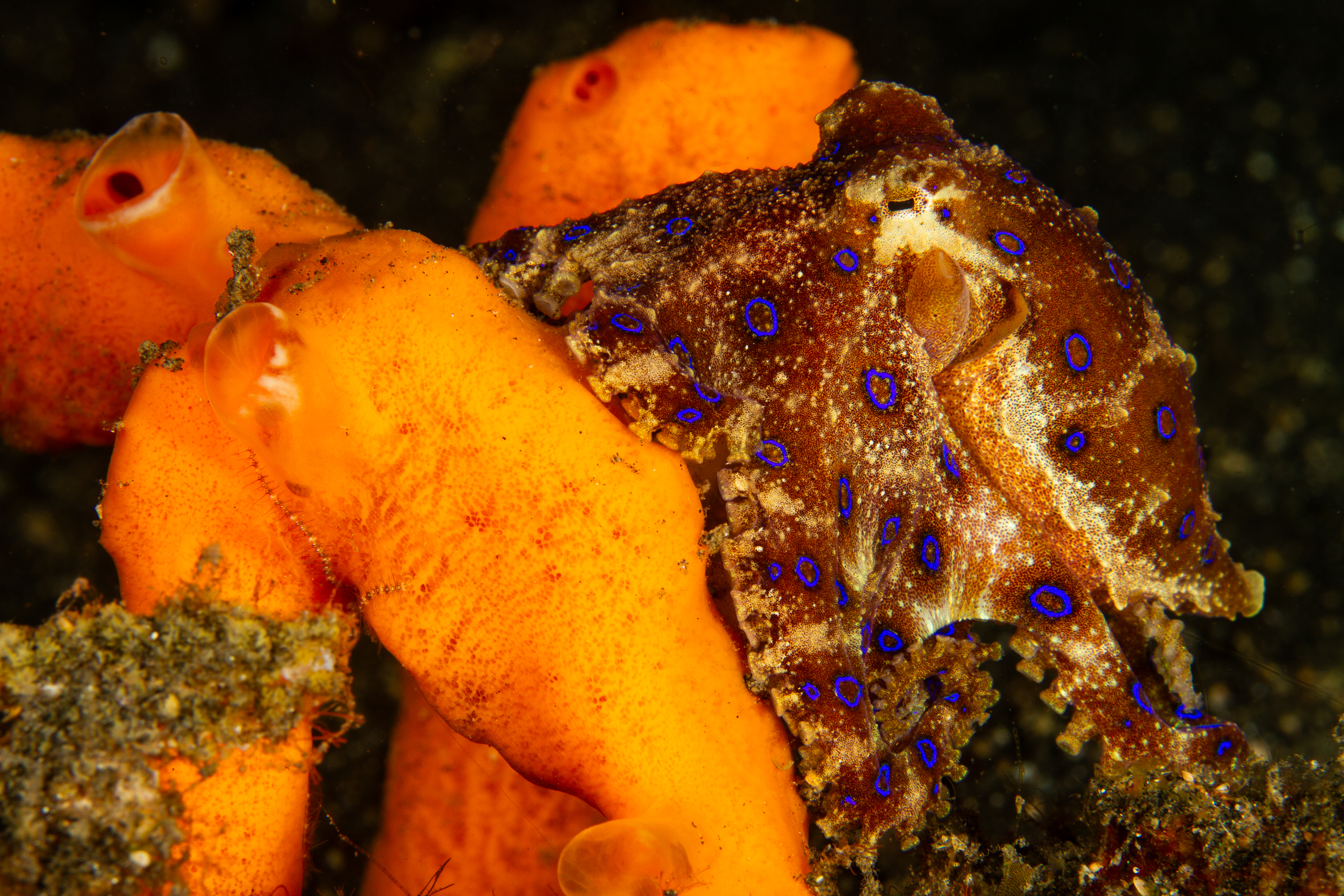
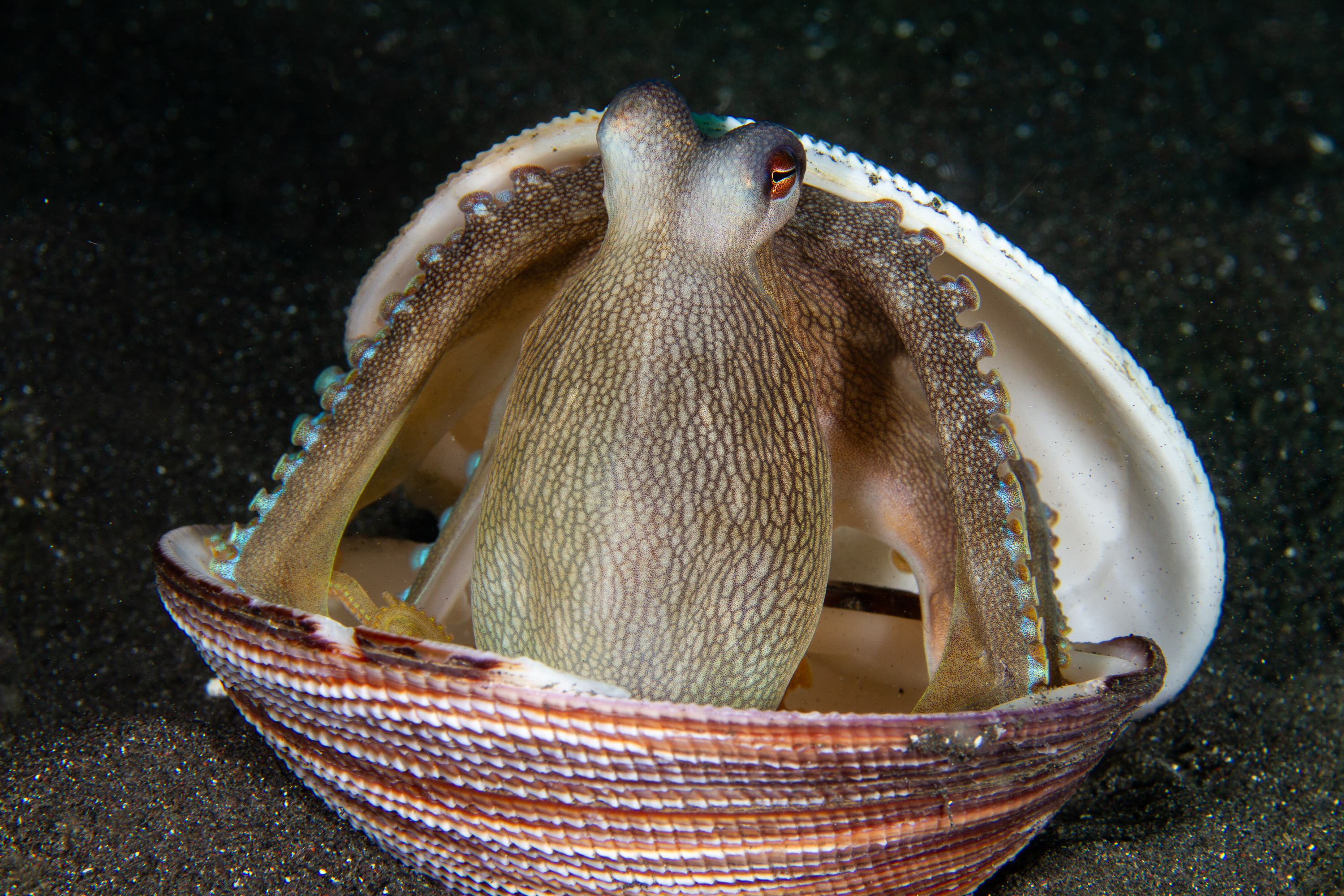
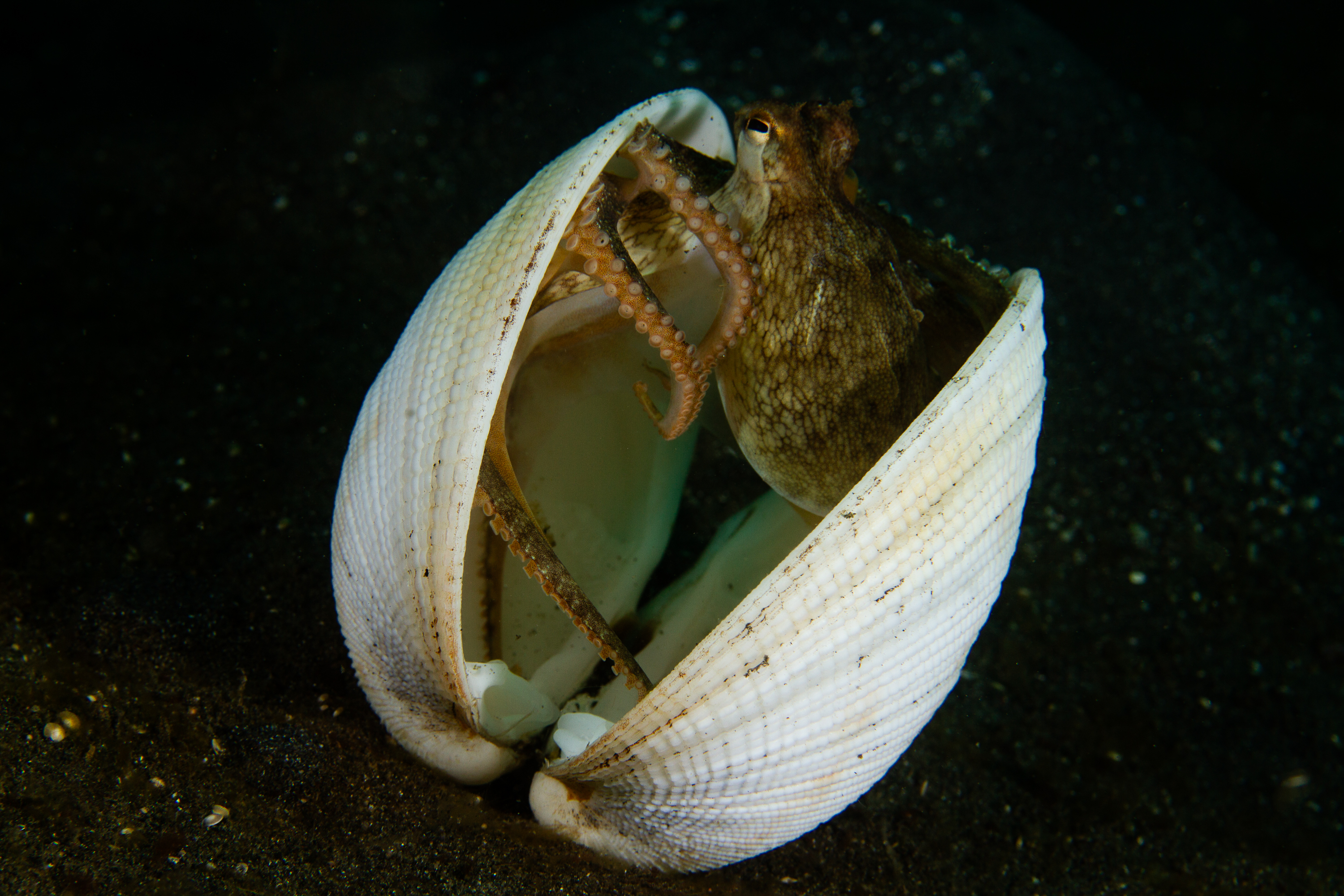
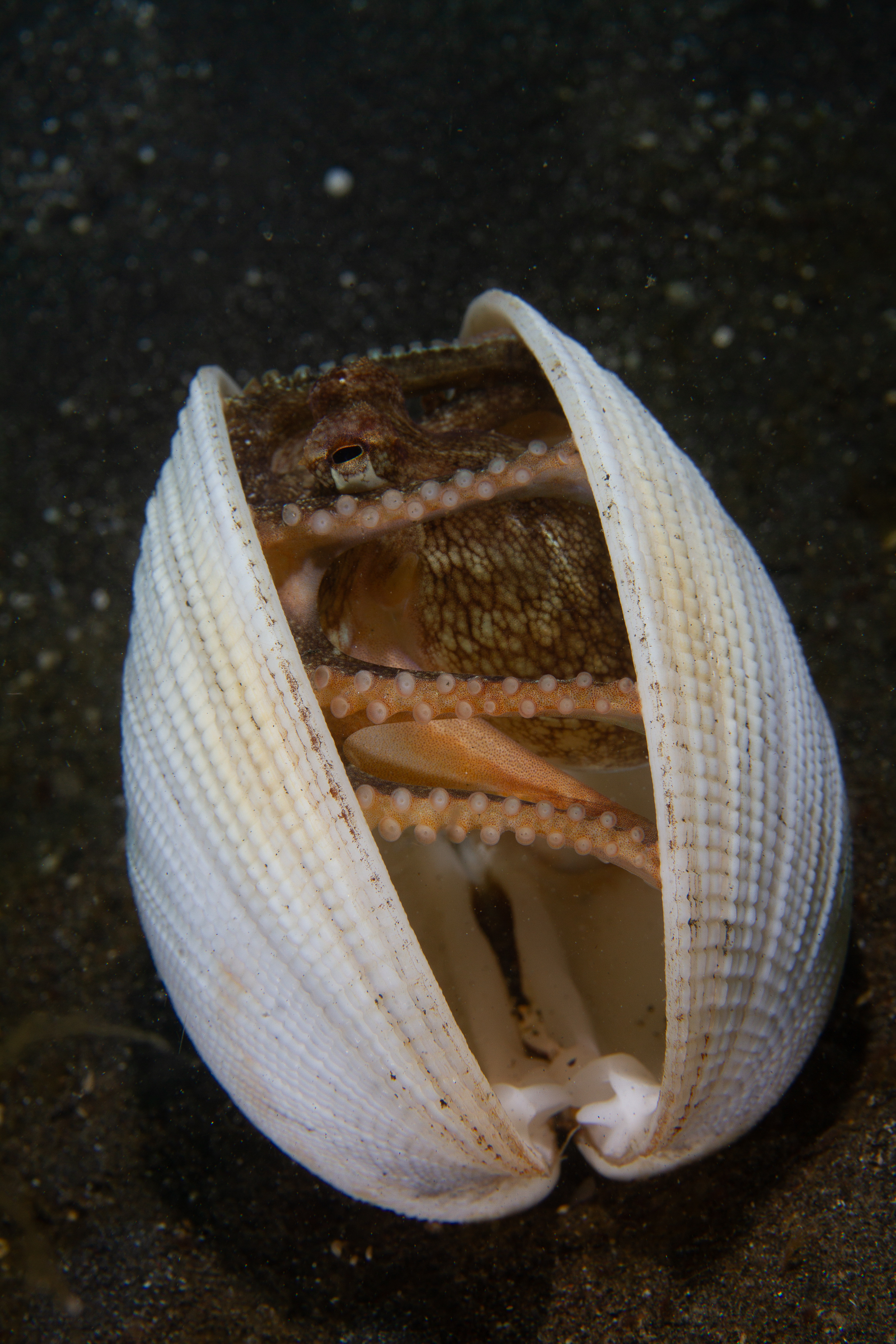
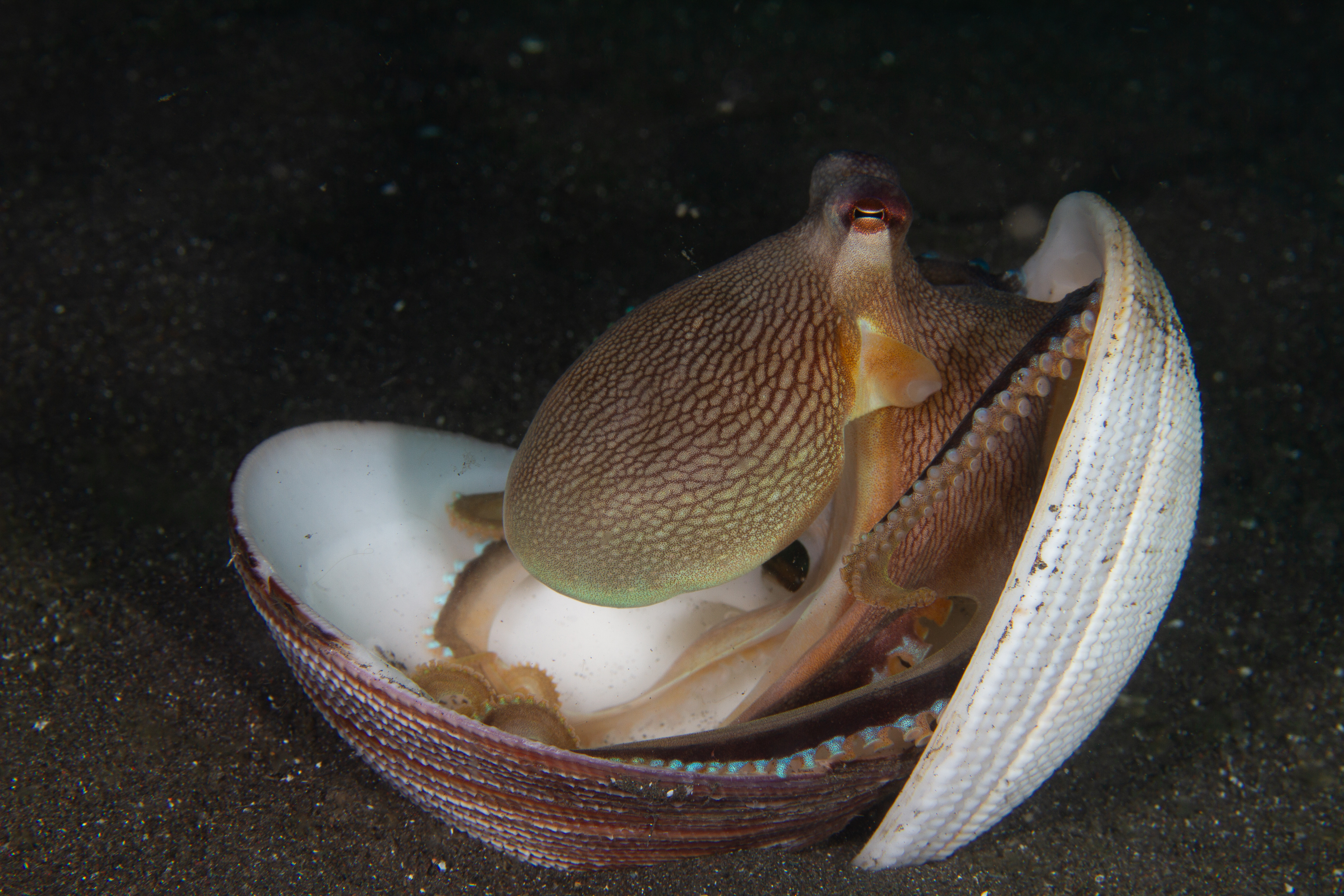
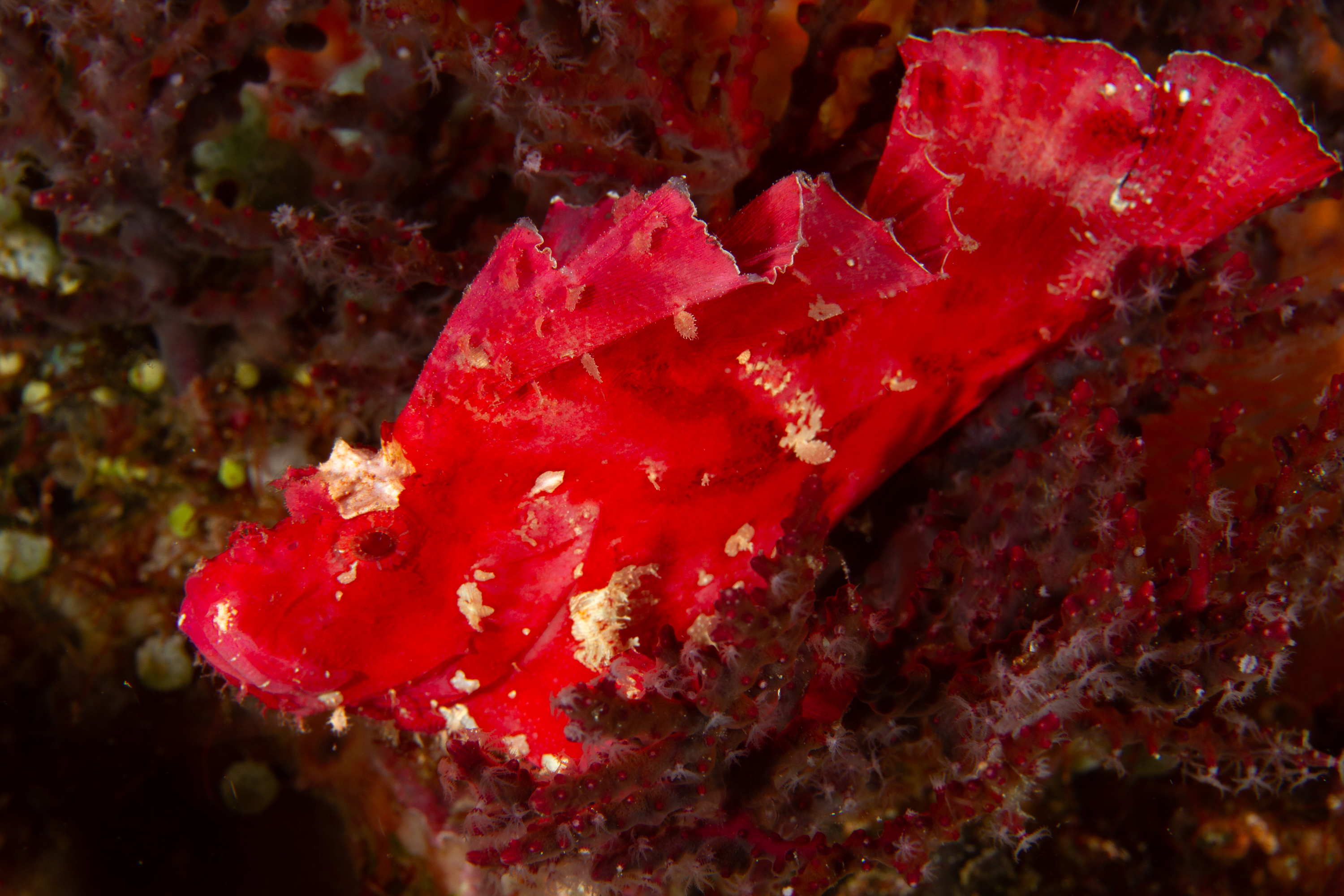
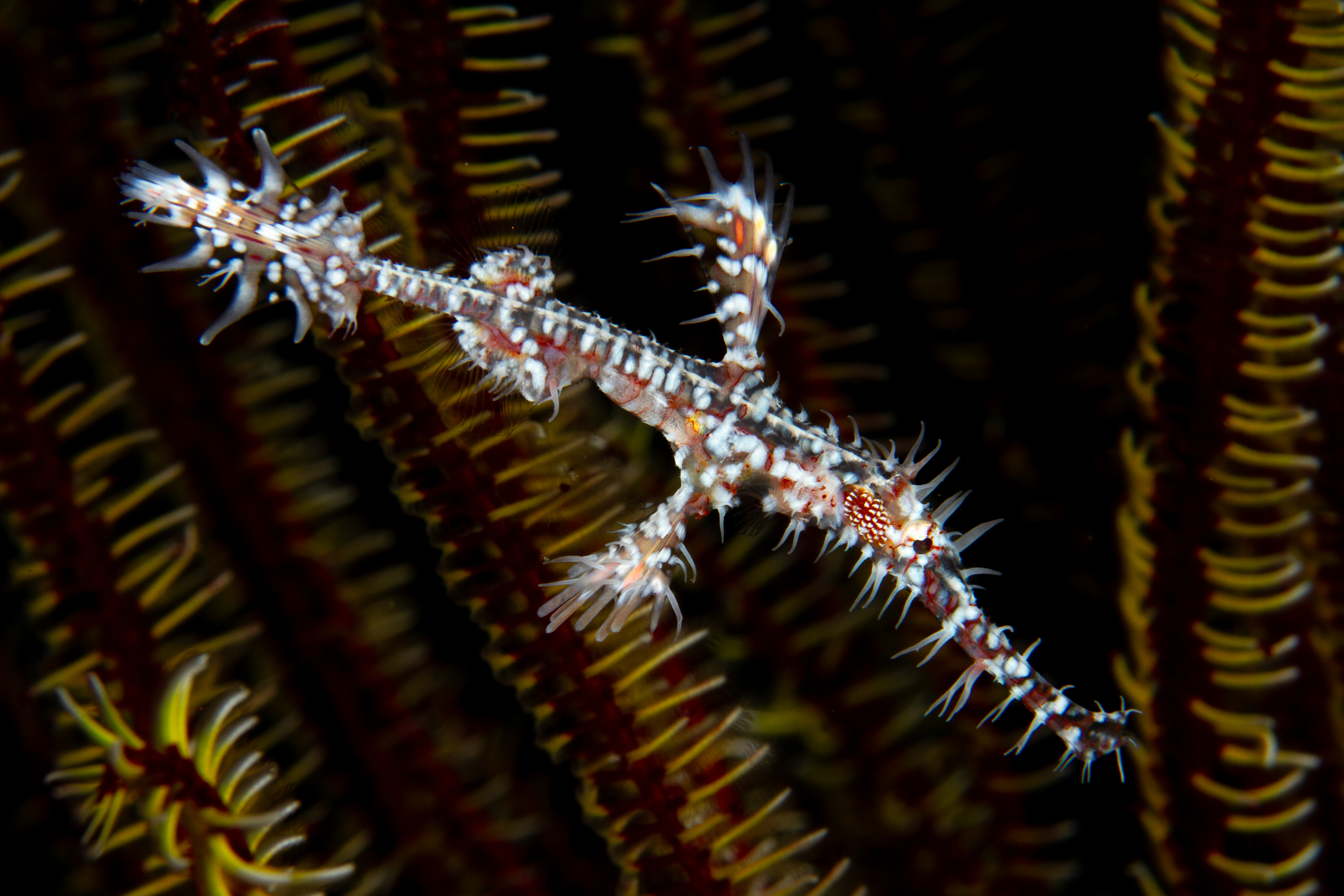
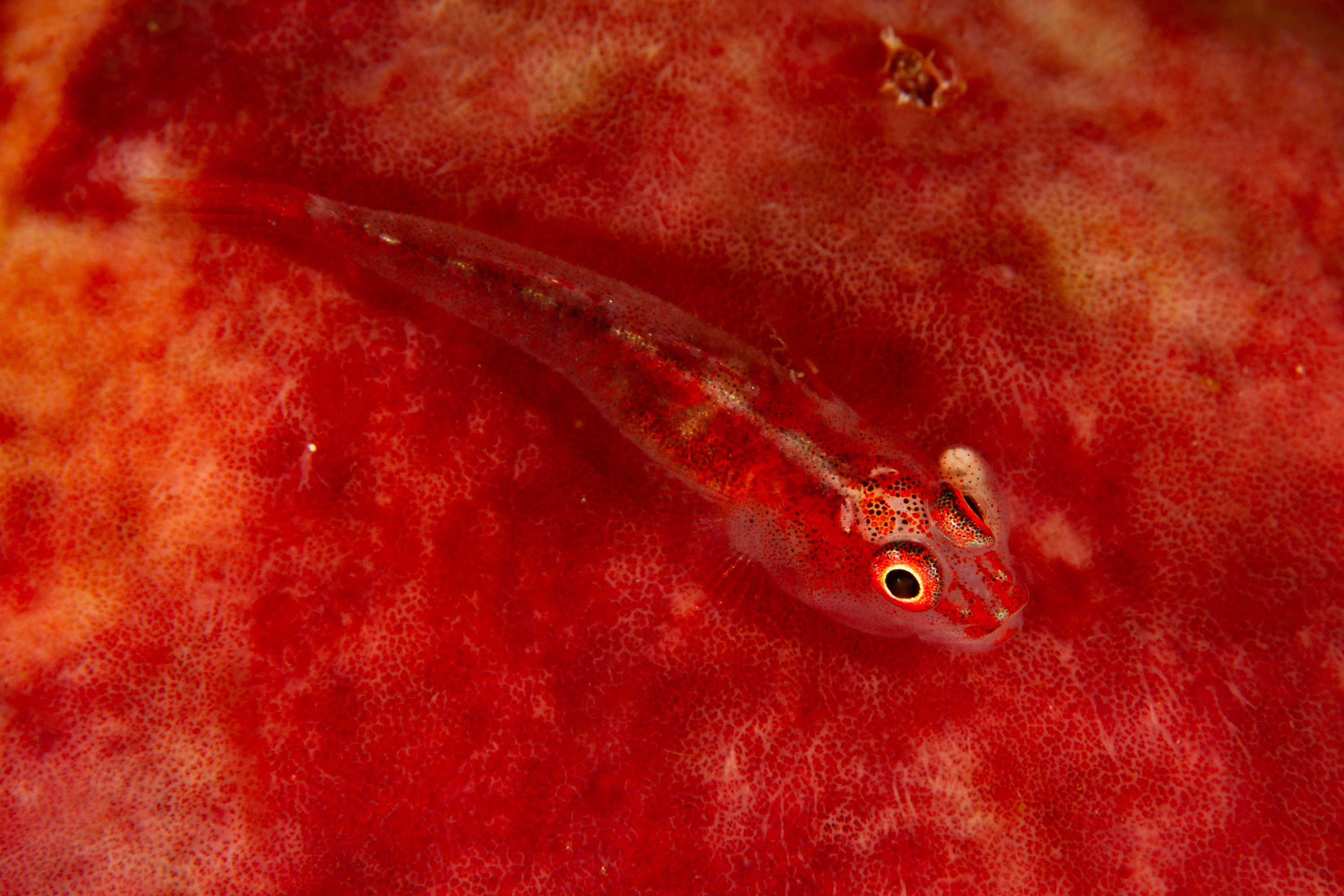
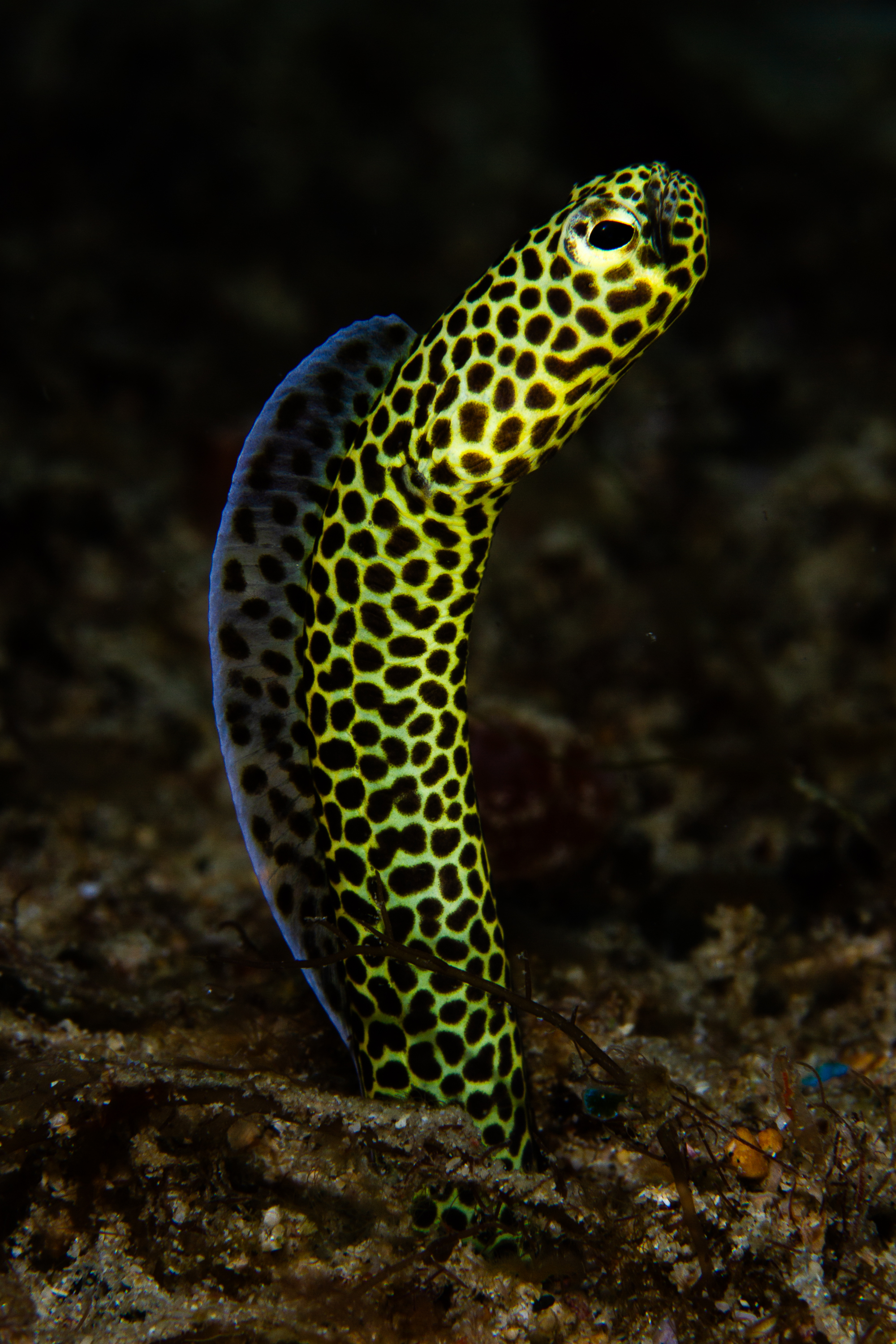
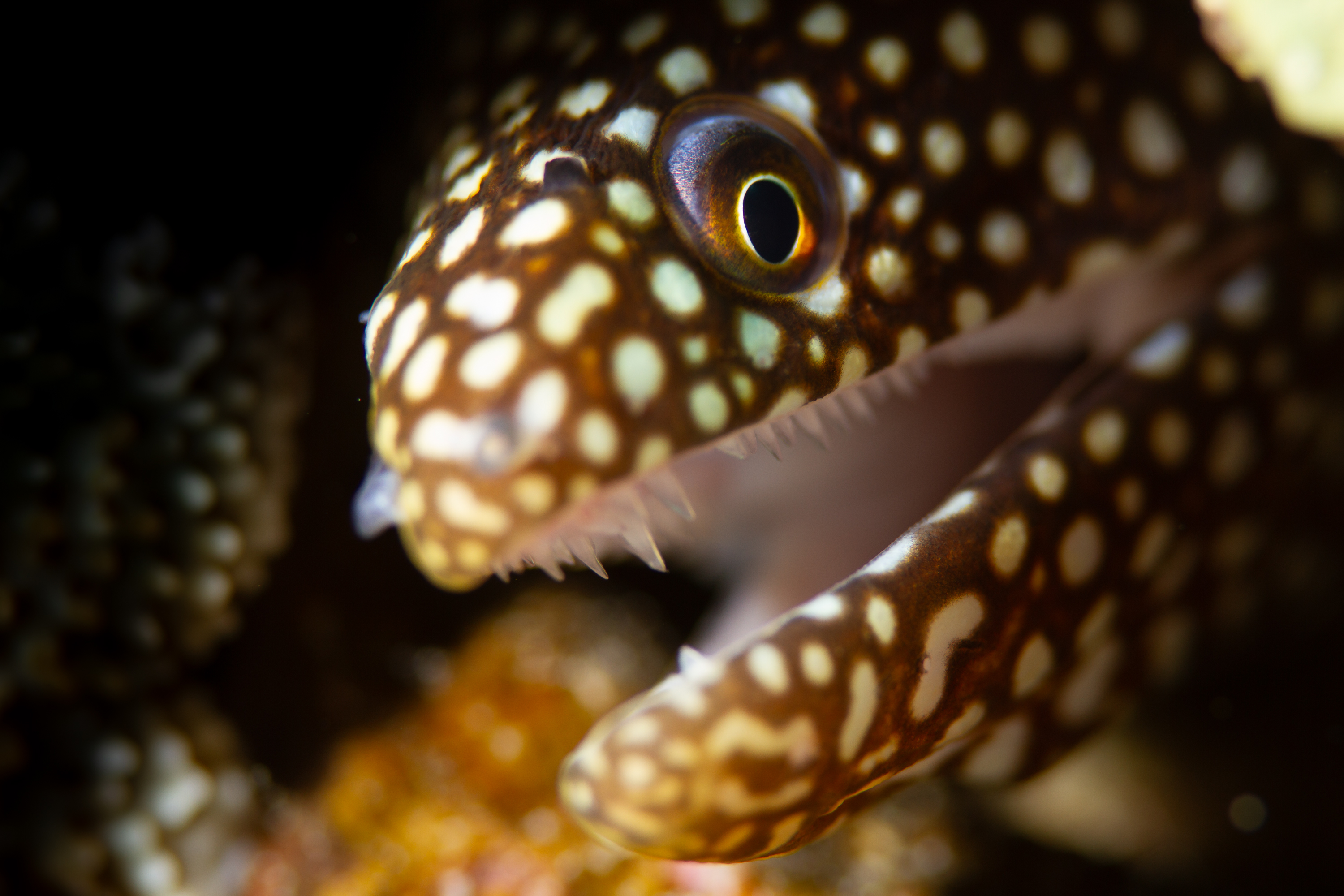
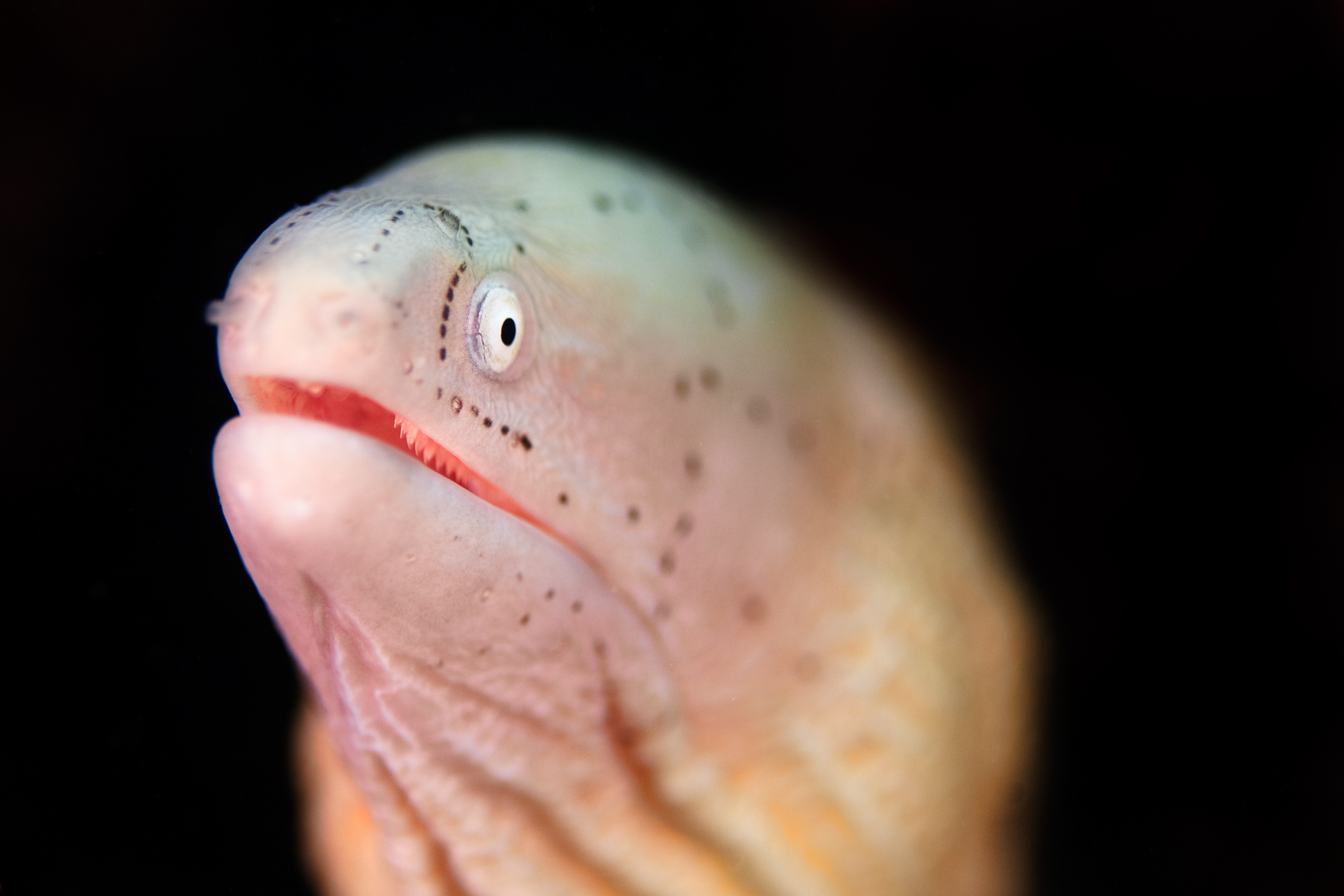
A pygmy seahorse in Raja Ampat changed everything. After years chasing big animals, I started seeking the world’s best critter spots: Lembeh’s volcanic sand, Puerto Galera’s blackwater nights, Komodo and Bali. This gallery is the small world that was there all along.

















































How the small stuff caught me
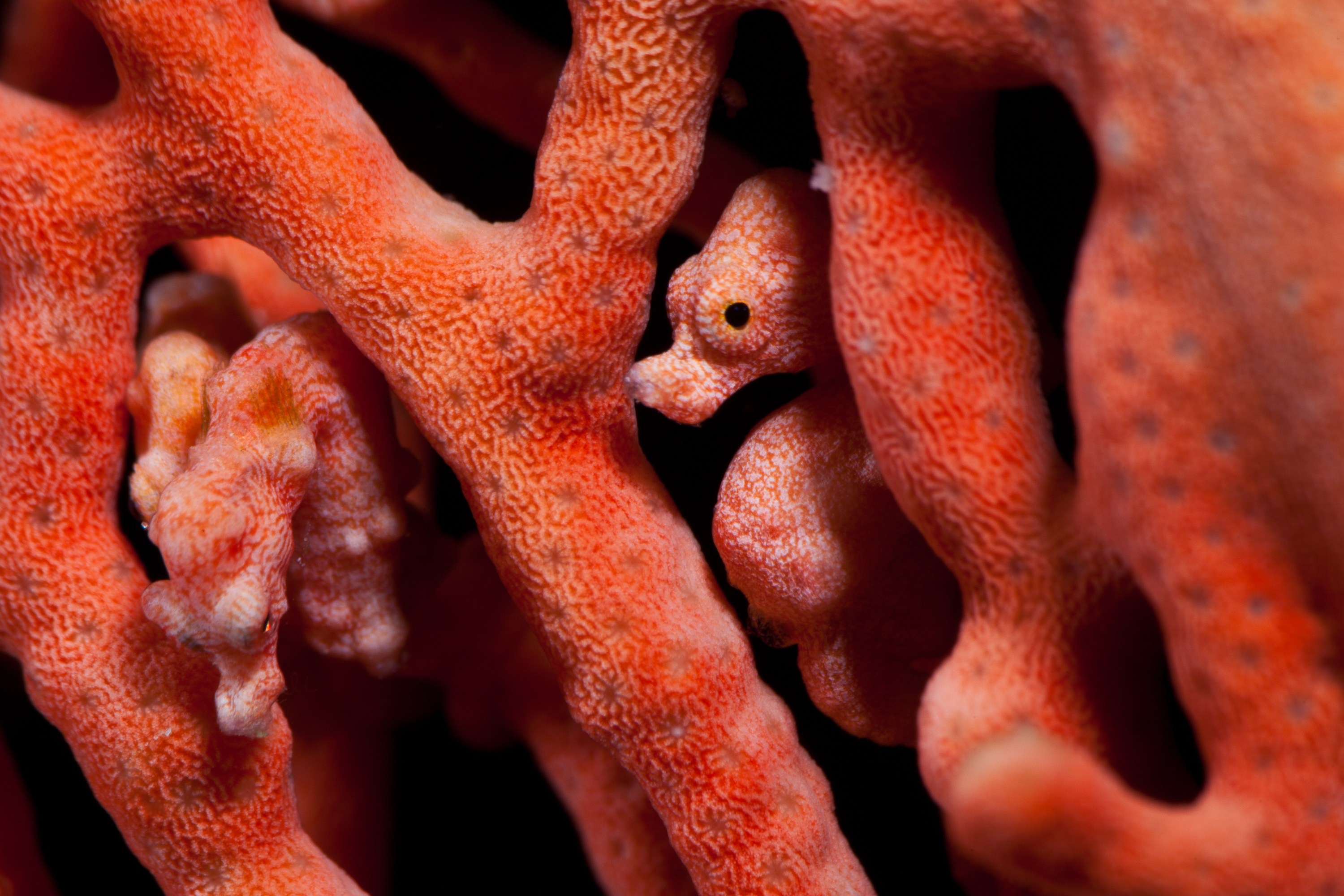
For years I traveled for the big stuff. Sharks in pelagic blue, mantas at cleaning stations, reef walls dropping into deep water. That was my home turf. Then I went to Raja Ampat, looking for the perfect blend of all of it, and on the very first dive a guide pointed at a sea fan. I leaned in and saw nothing. He pointed again. I leaned closer. Then a pygmy seahorse resolved out of the coral, smaller than my fingernail, perfect down to the last bump on its skin. I came up hooked. The small world had been there the whole time.
That is what this gallery is, really. After Raja Ampat, I started seeking out the world’s best critter spots, dives that ask for a different kind of patience: slowing down to a sand patch, a sponge, a single coral branch, until the reef gives up something almost no one else sees.
Lembeh Strait is the center of gravity: dark volcanic sand, strange debris, and some of the densest critter life I have ever seen.
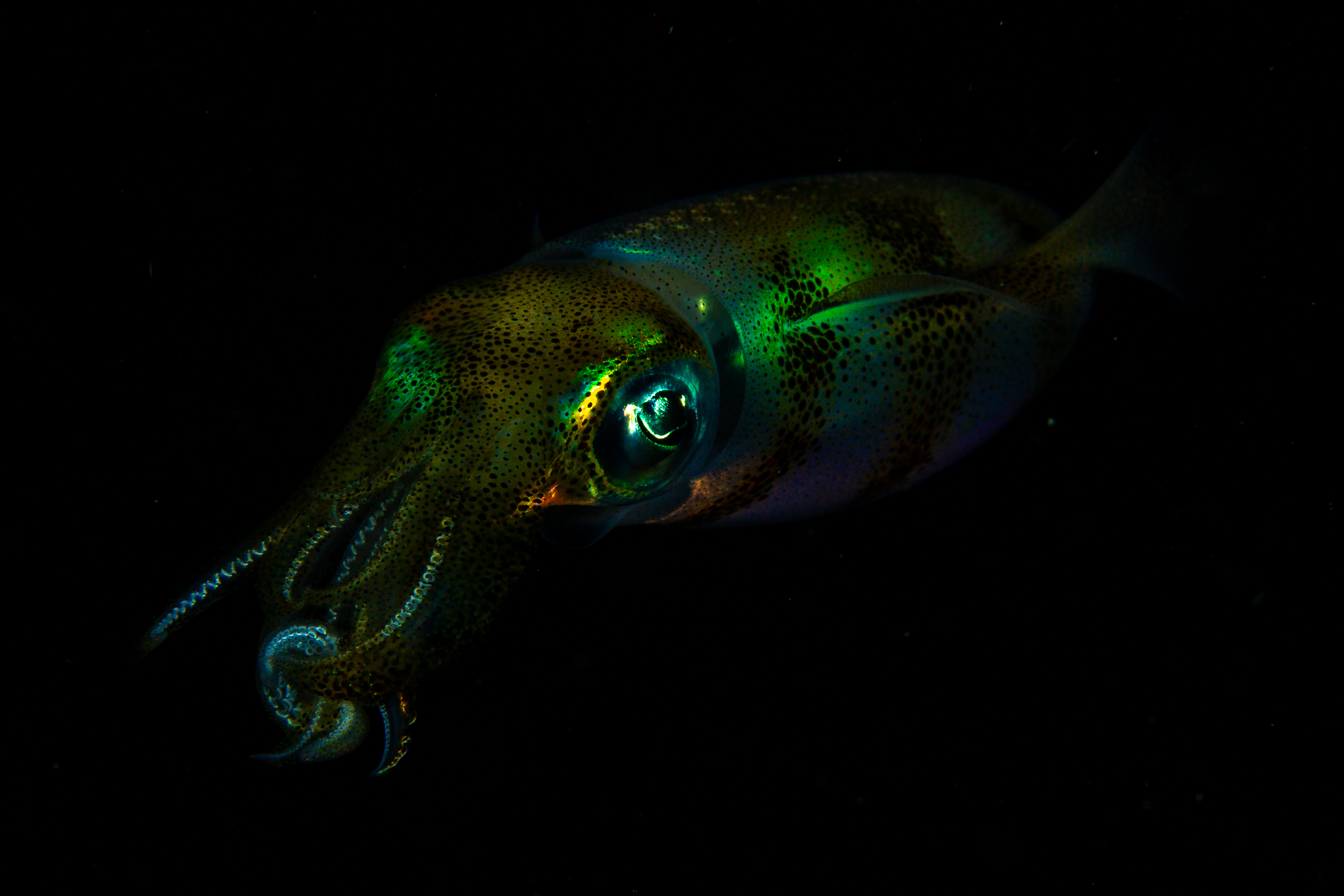
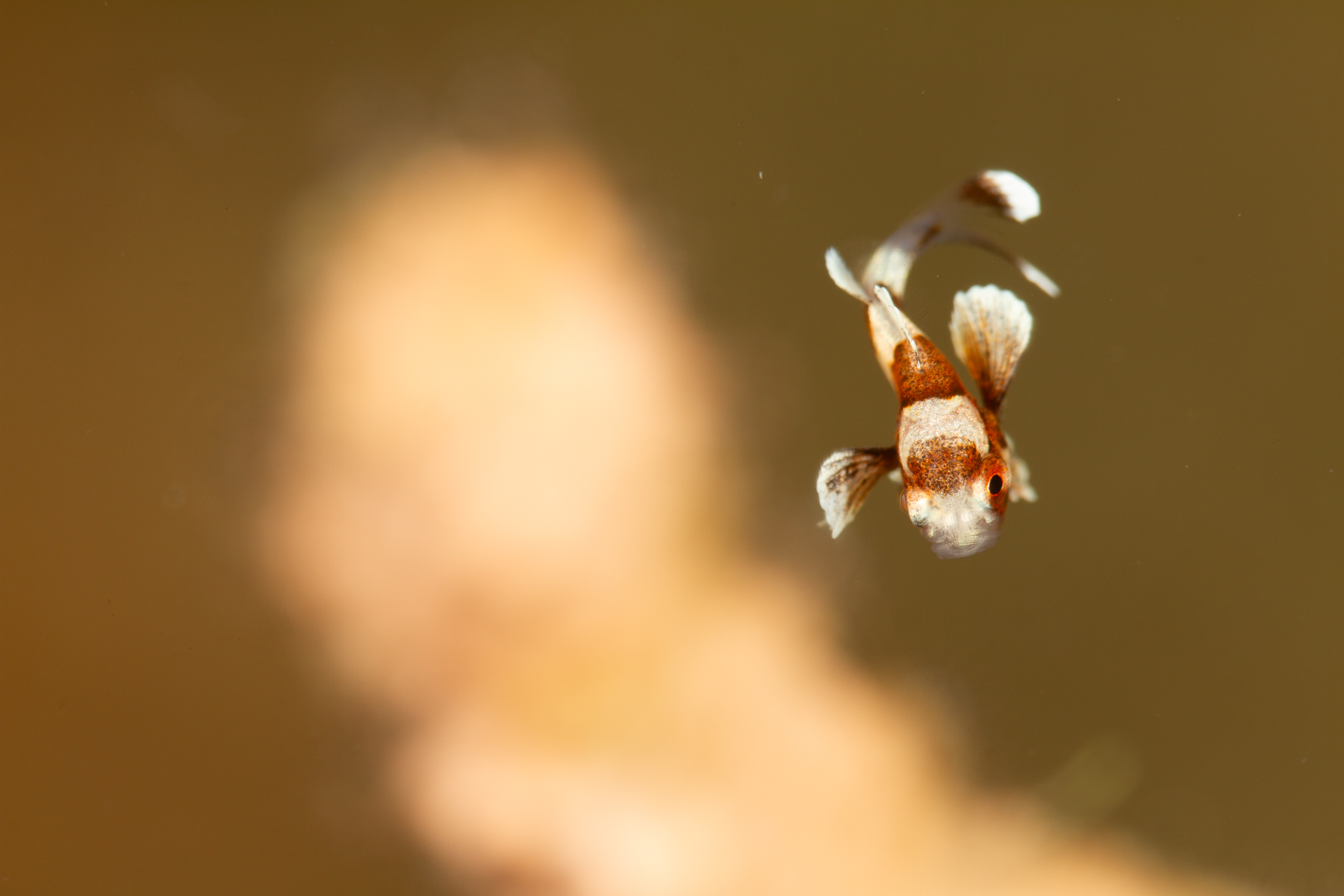
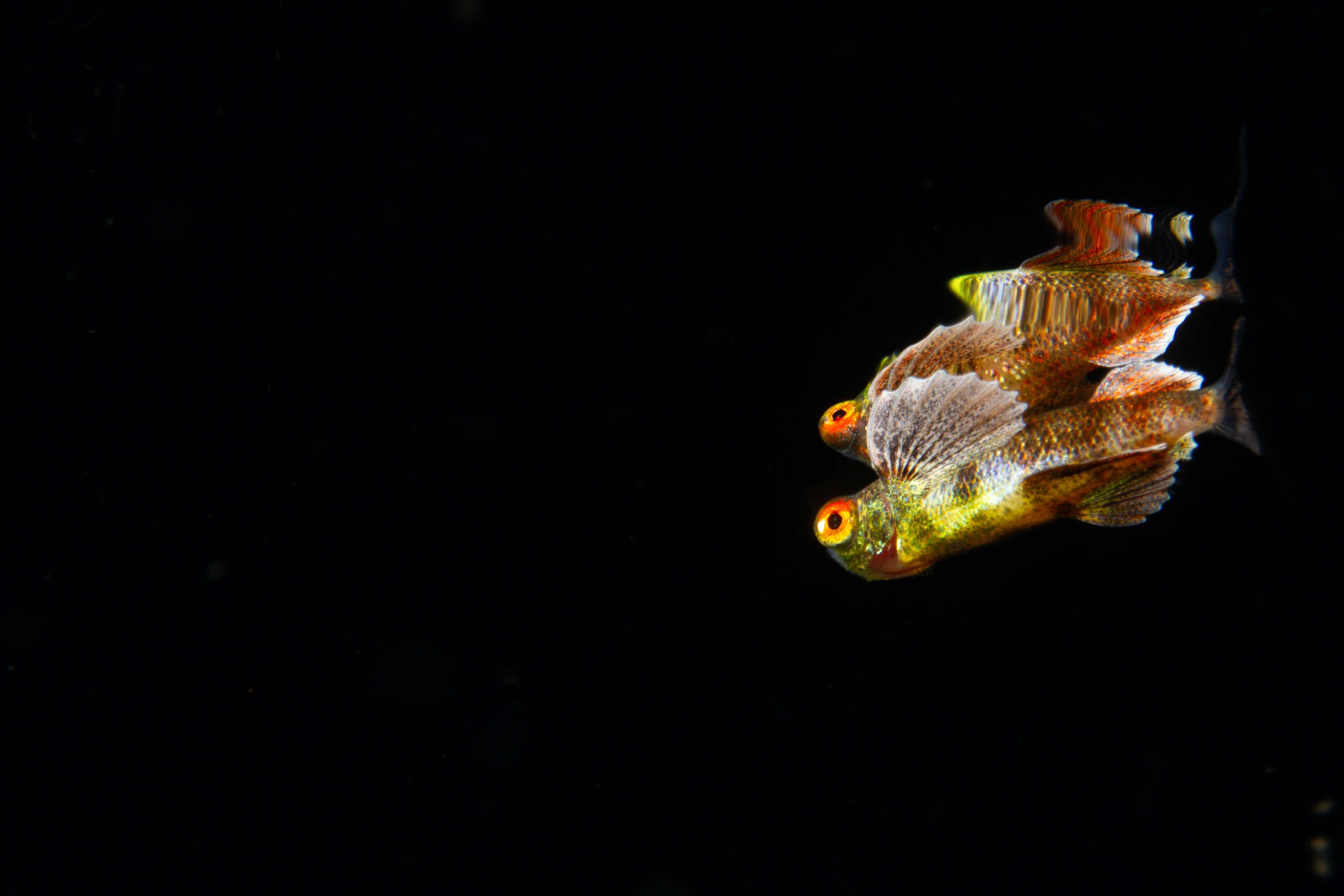
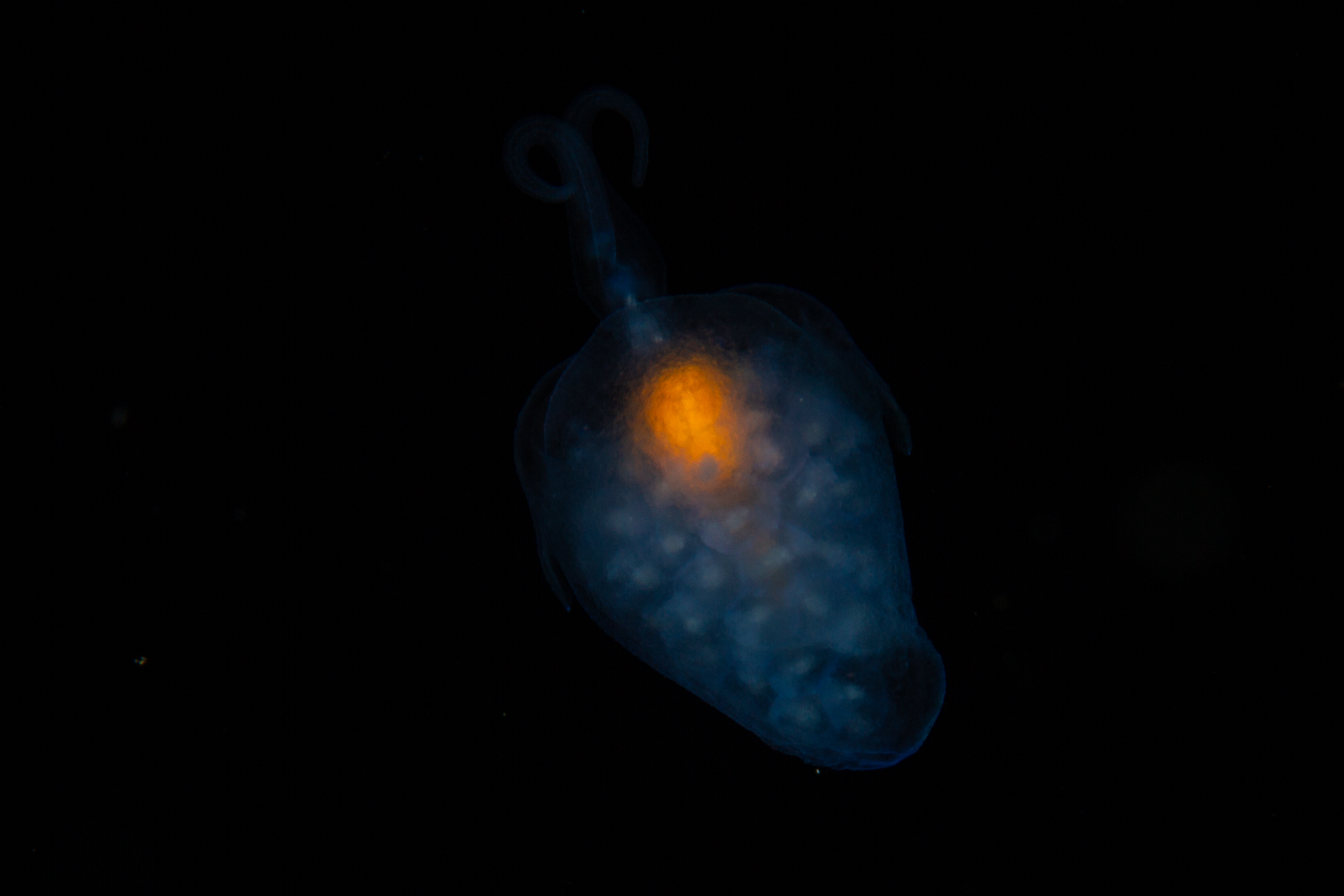
Puerto Galera adds sloping reefs and blackwater nights, animals appearing out of pure black water with impossible transparency. Komodo and Raja Ampat layer macro on top of richer coral backgrounds. Nuweiba and Bali prove that patience can find new animals even at sites I thought I knew.
The critter image I’m after
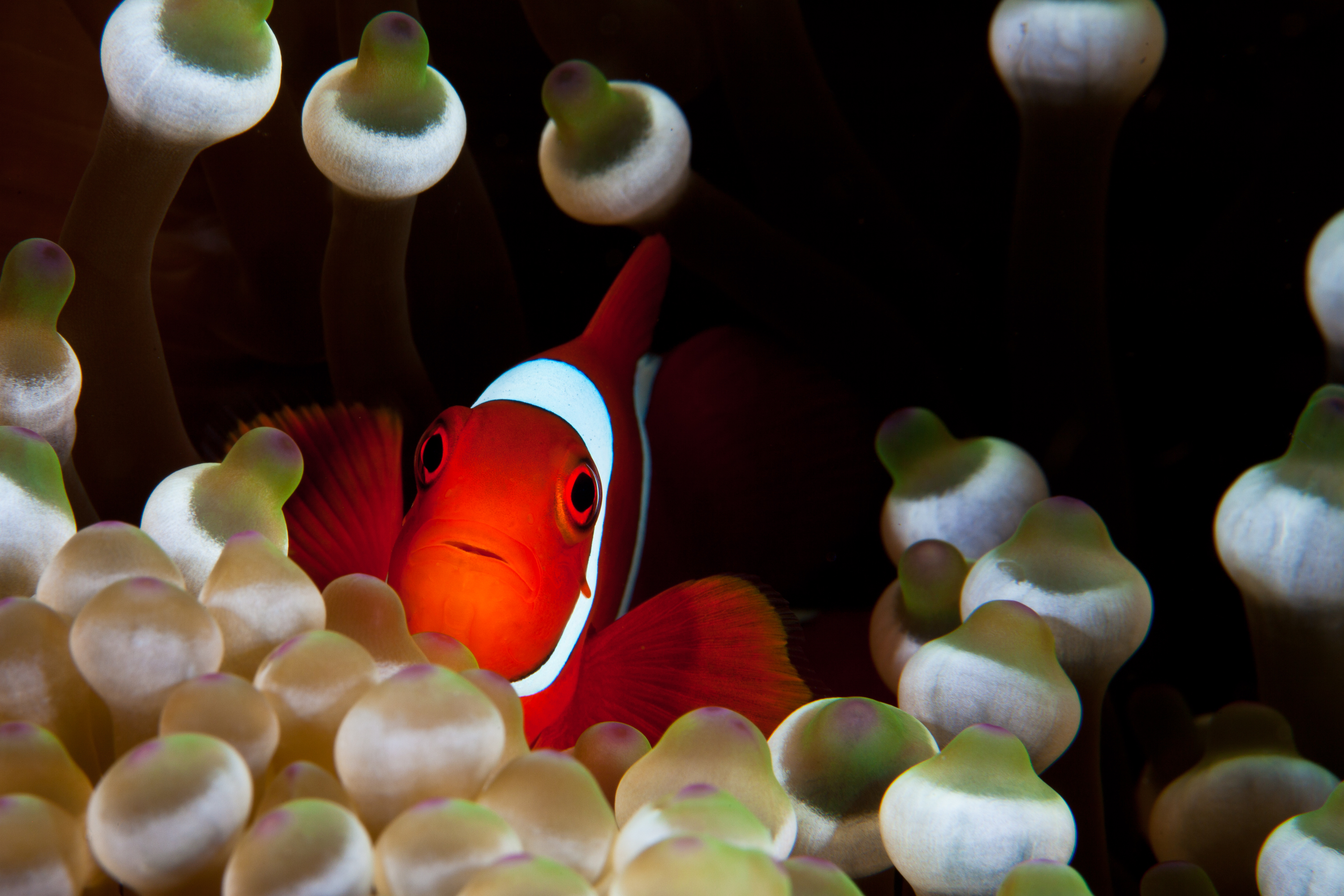
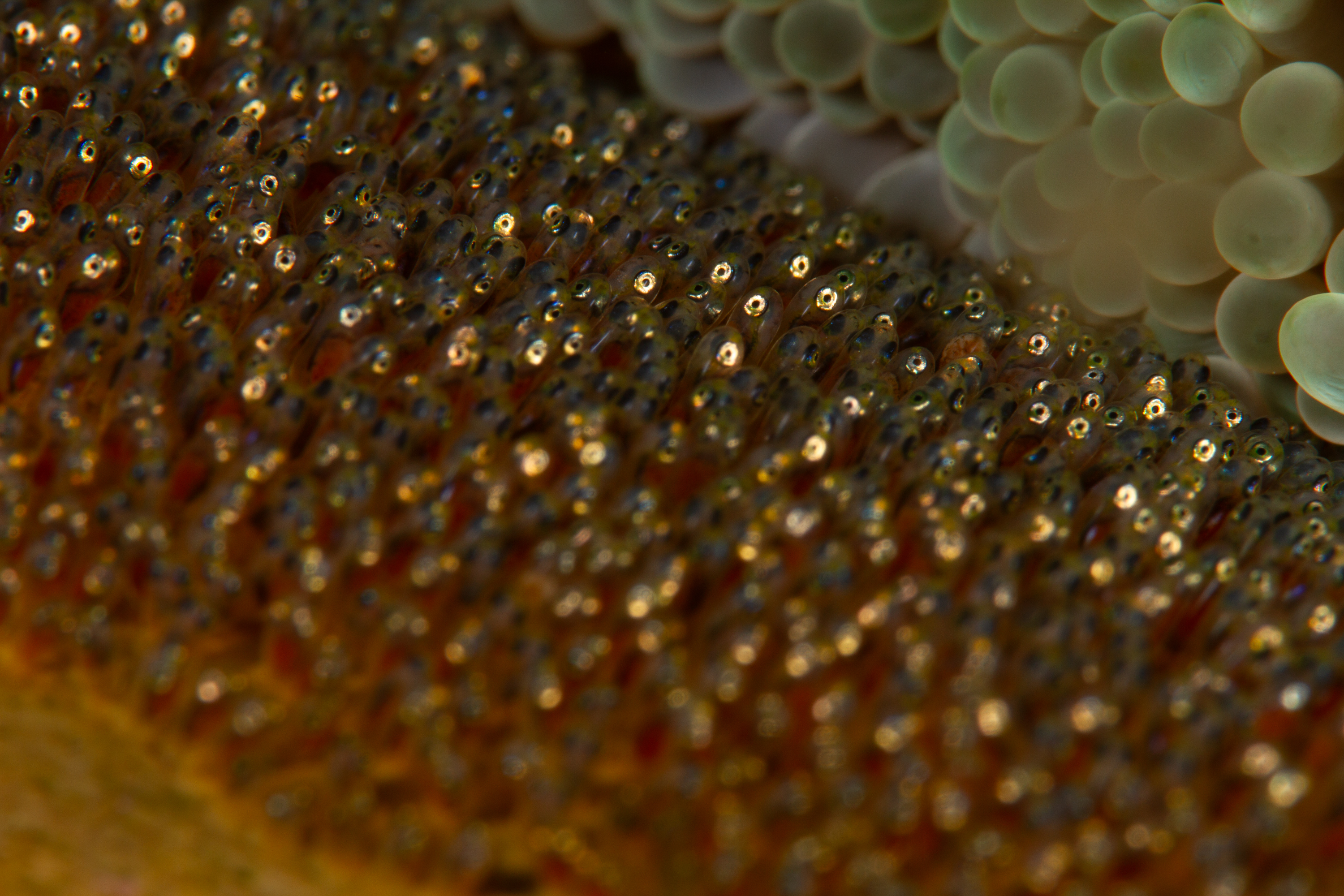
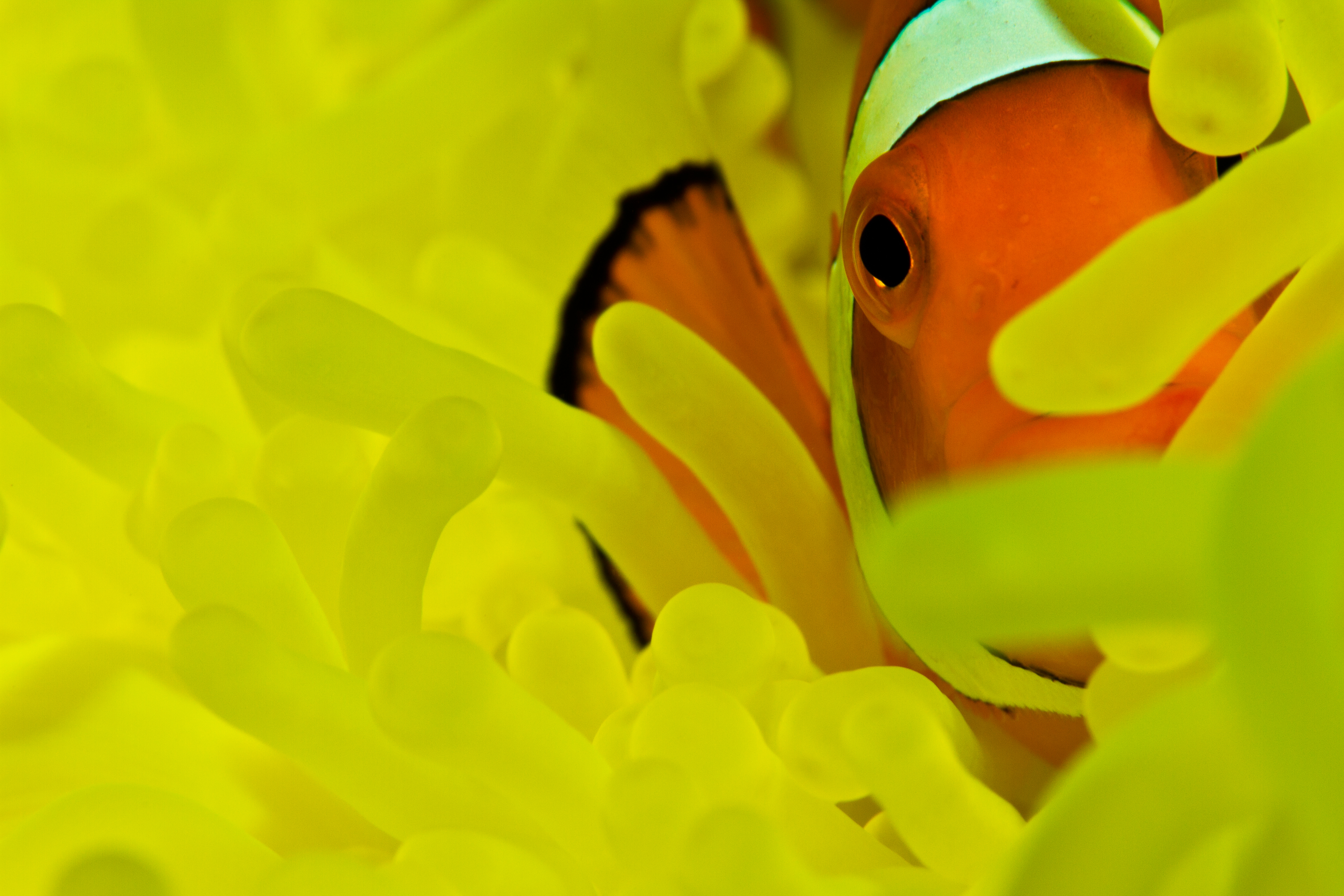
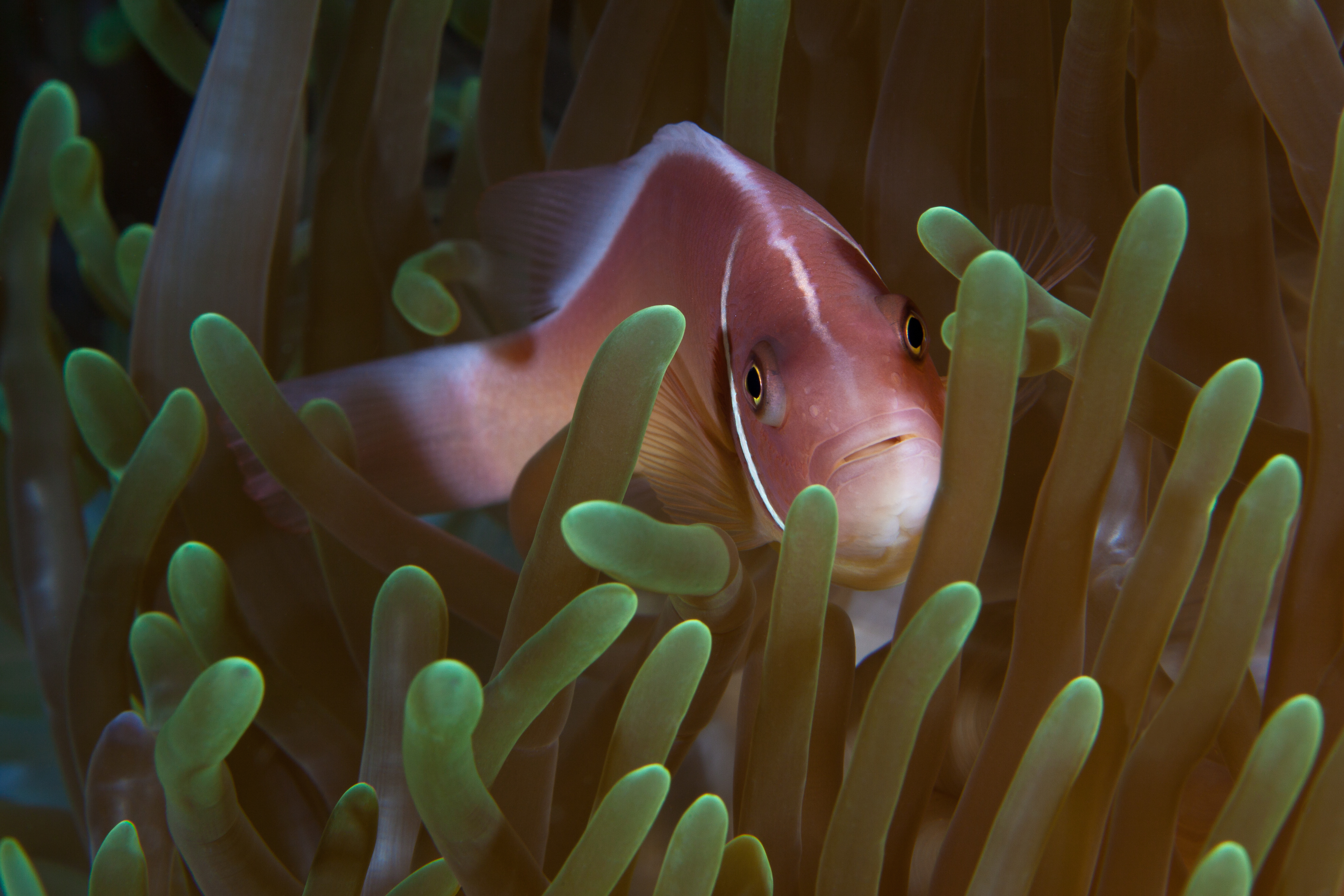
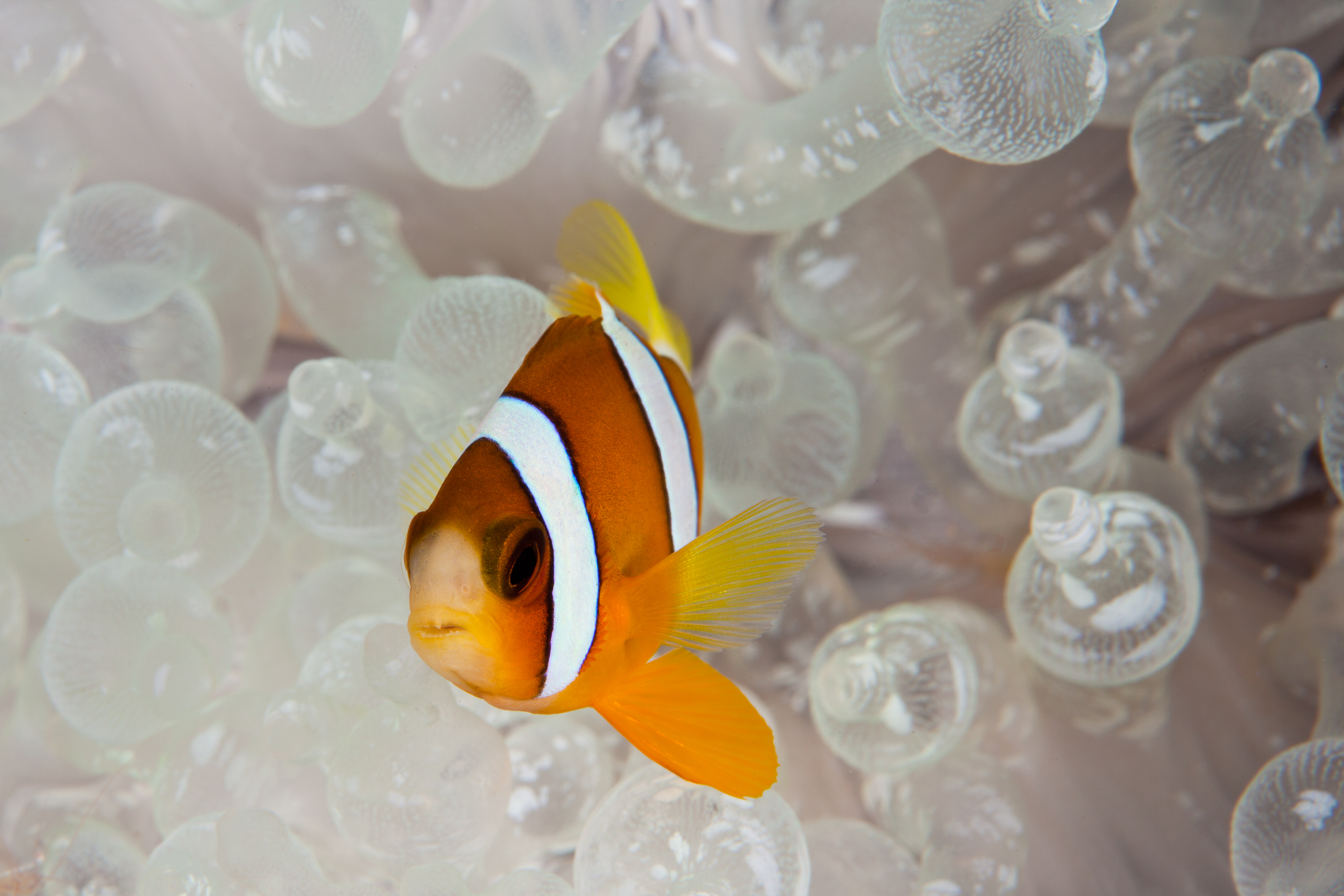
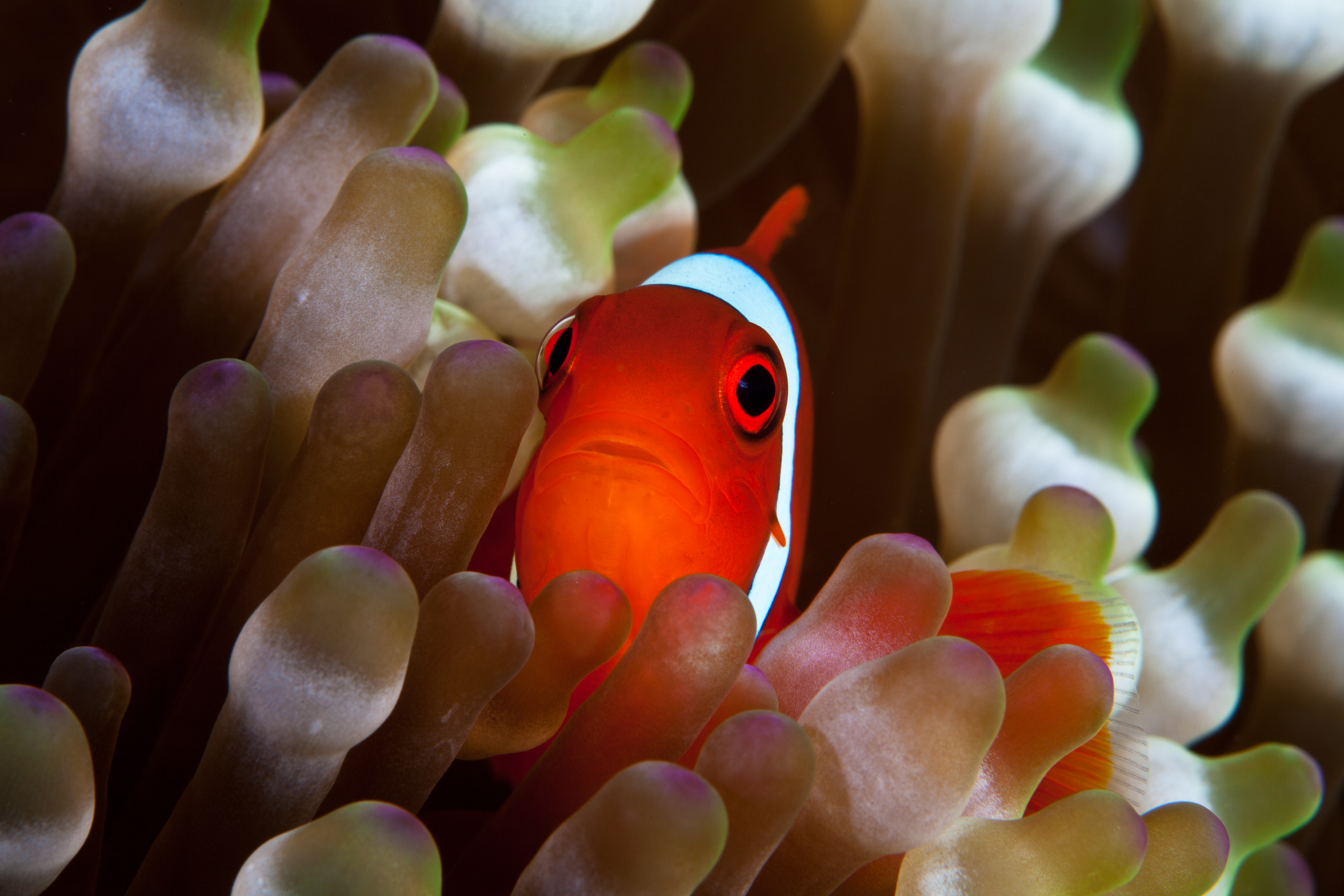
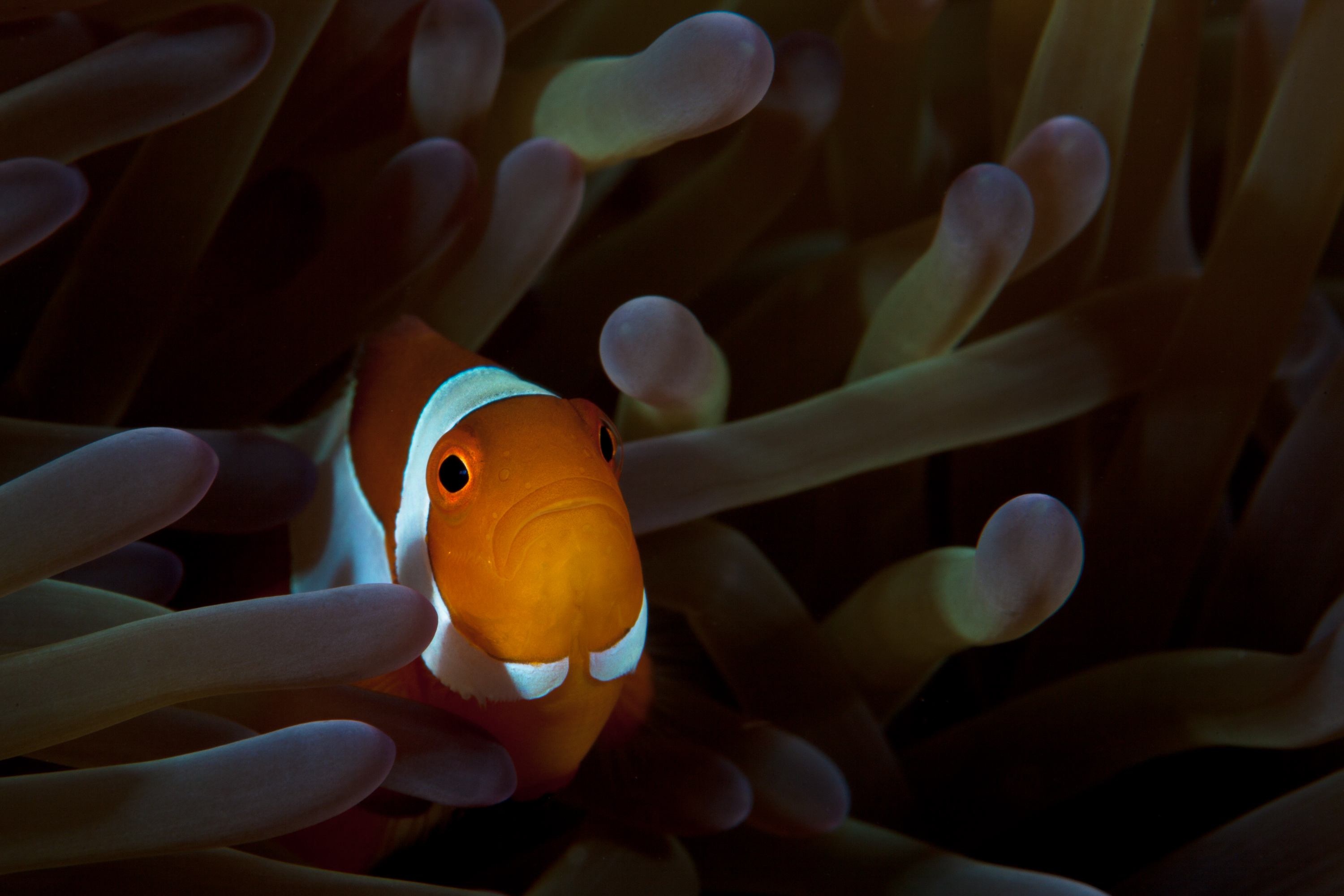
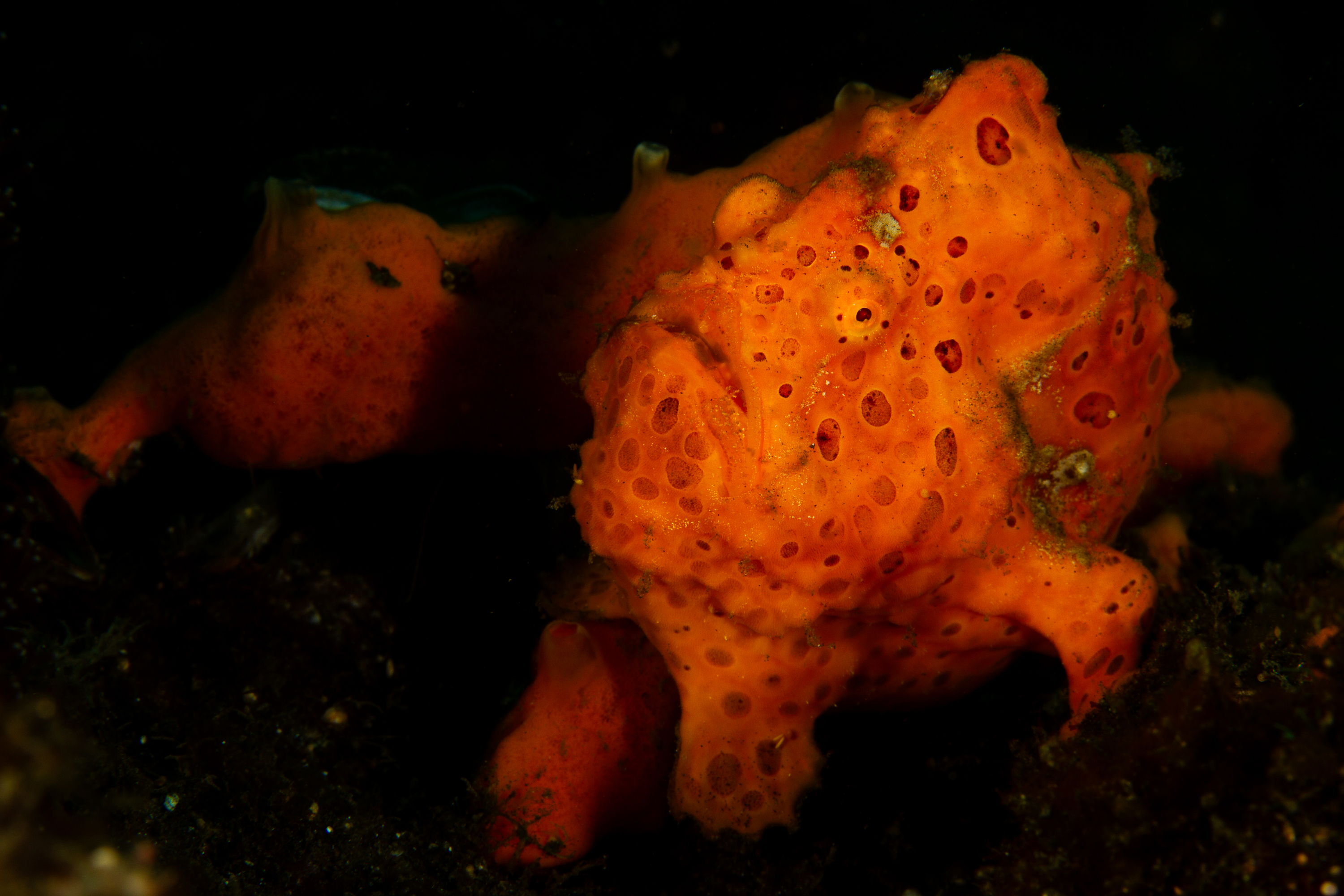
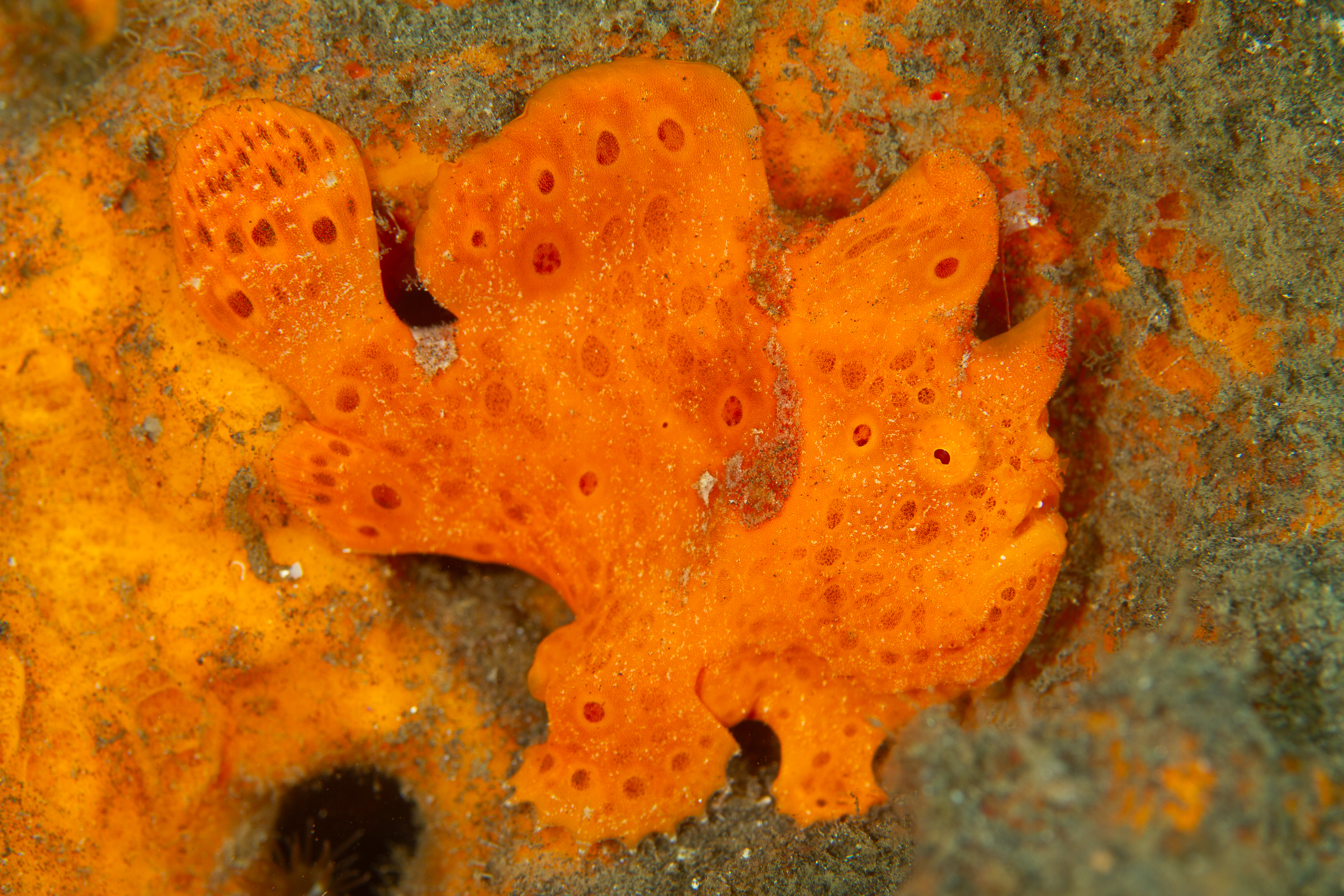
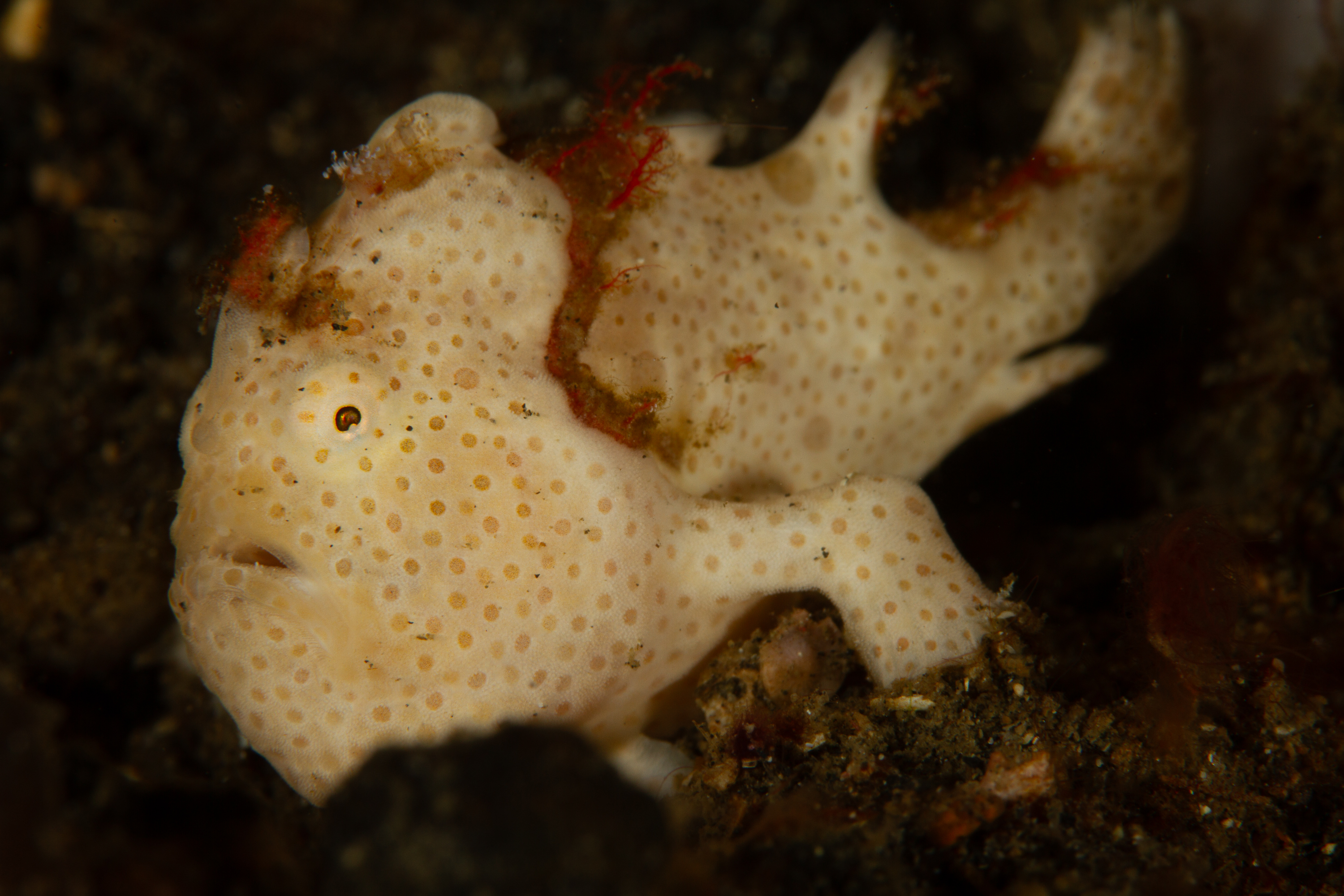
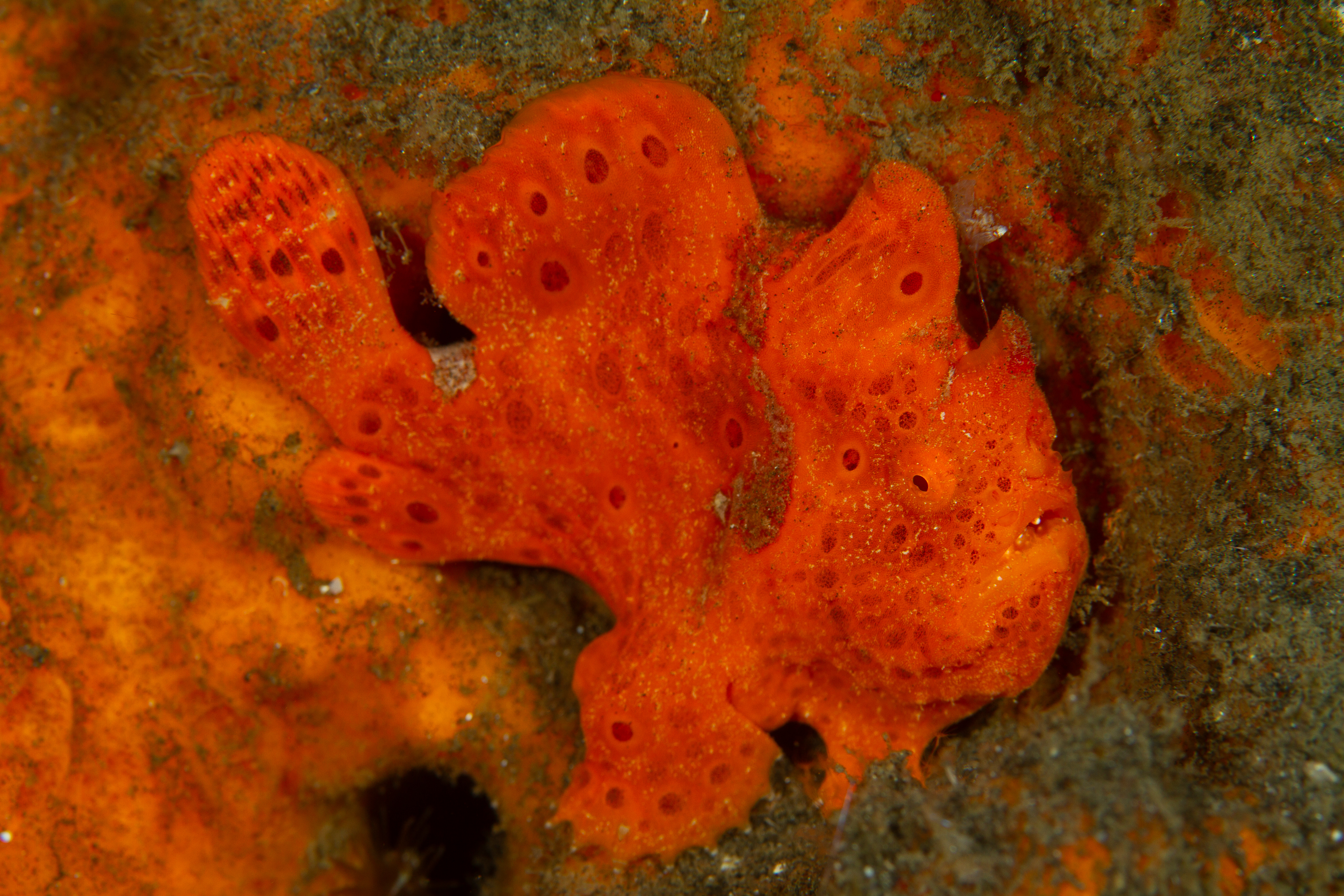
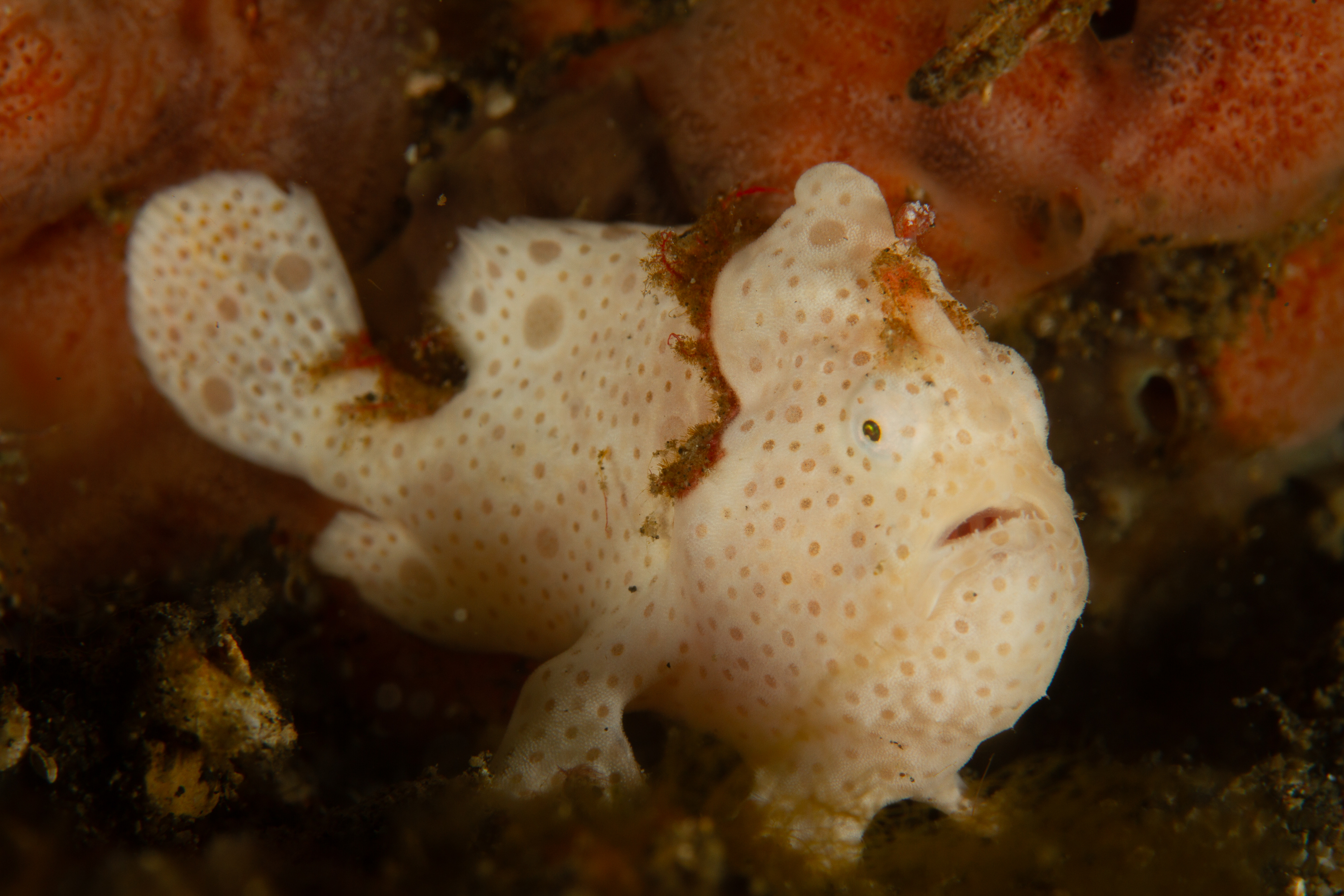
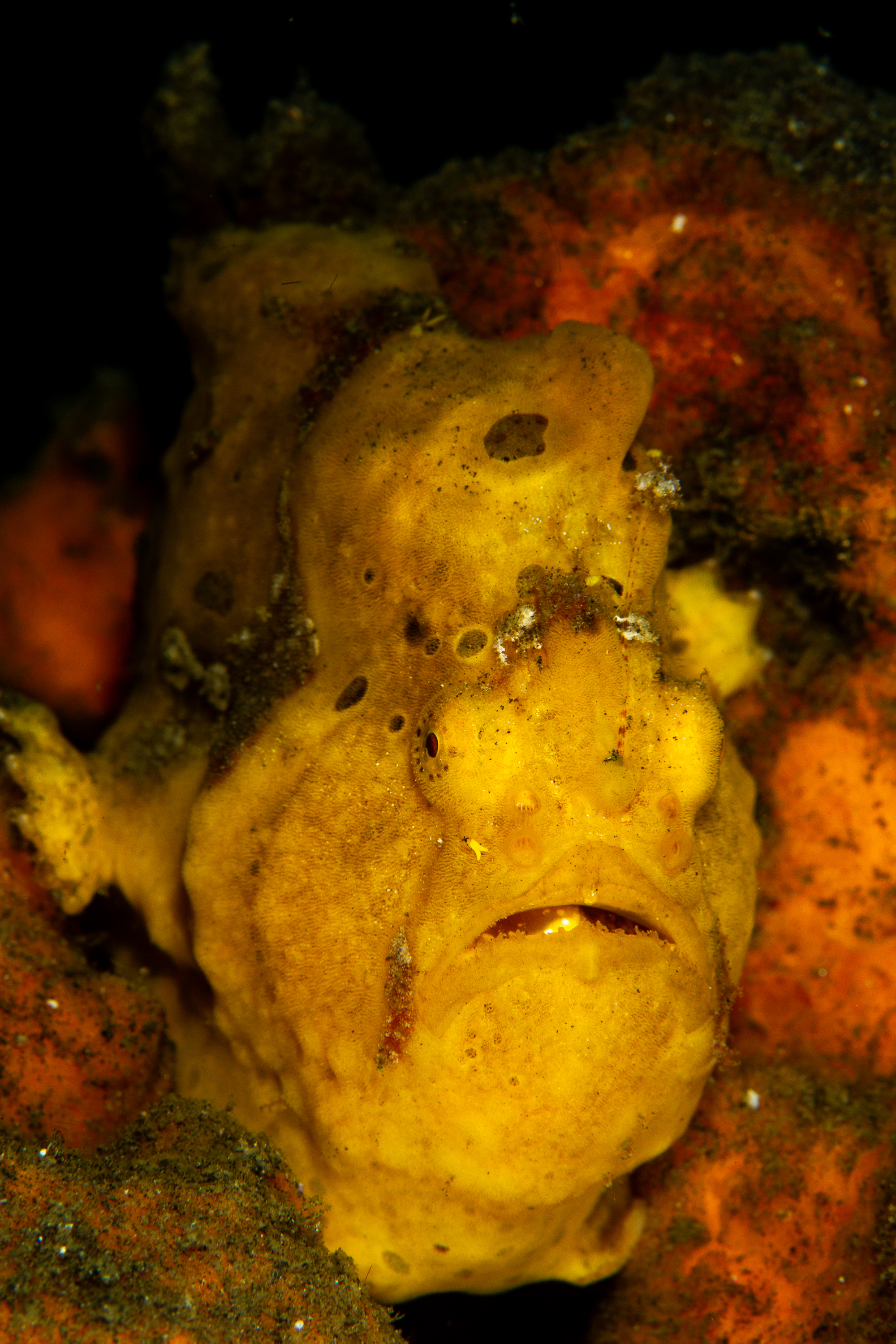
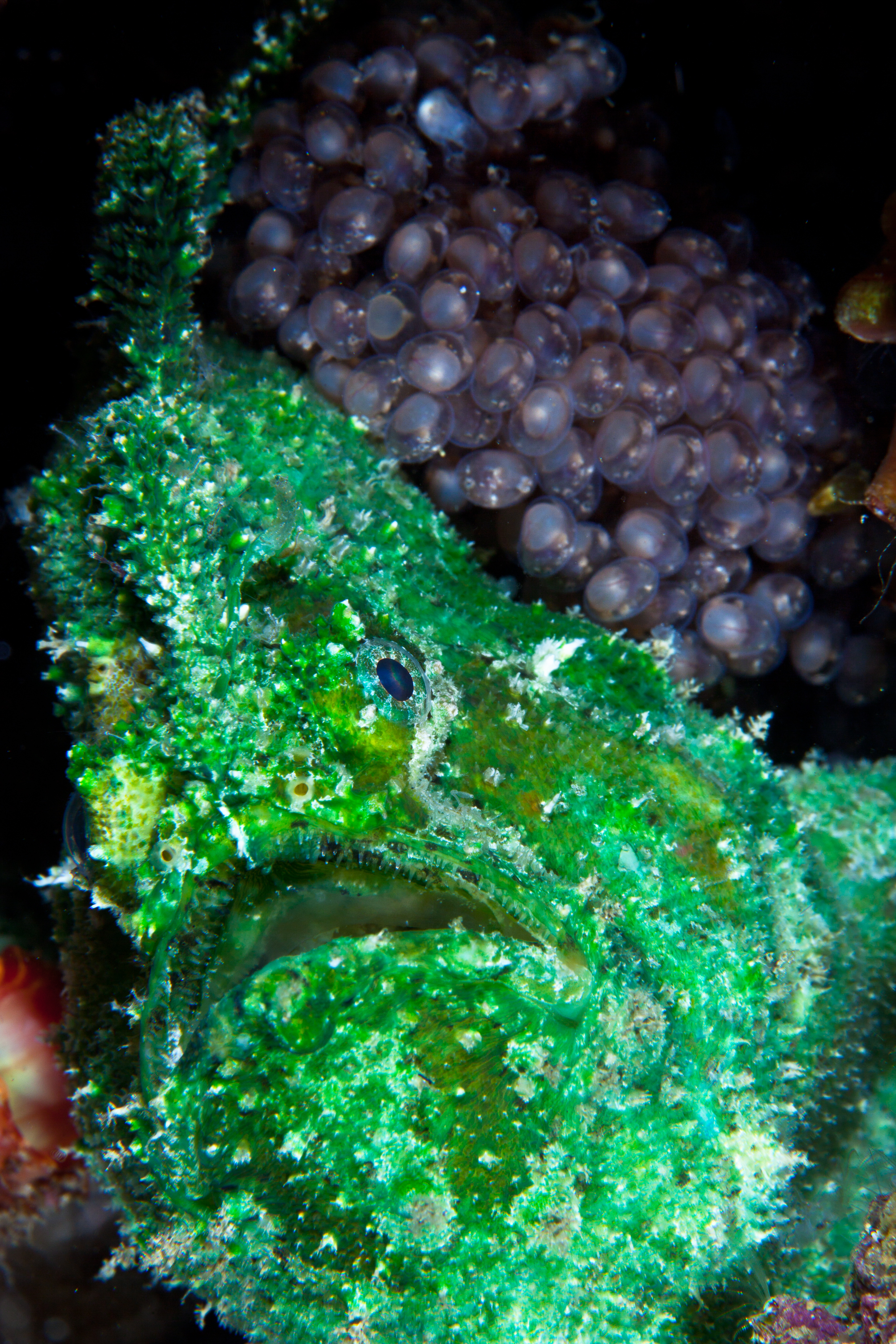
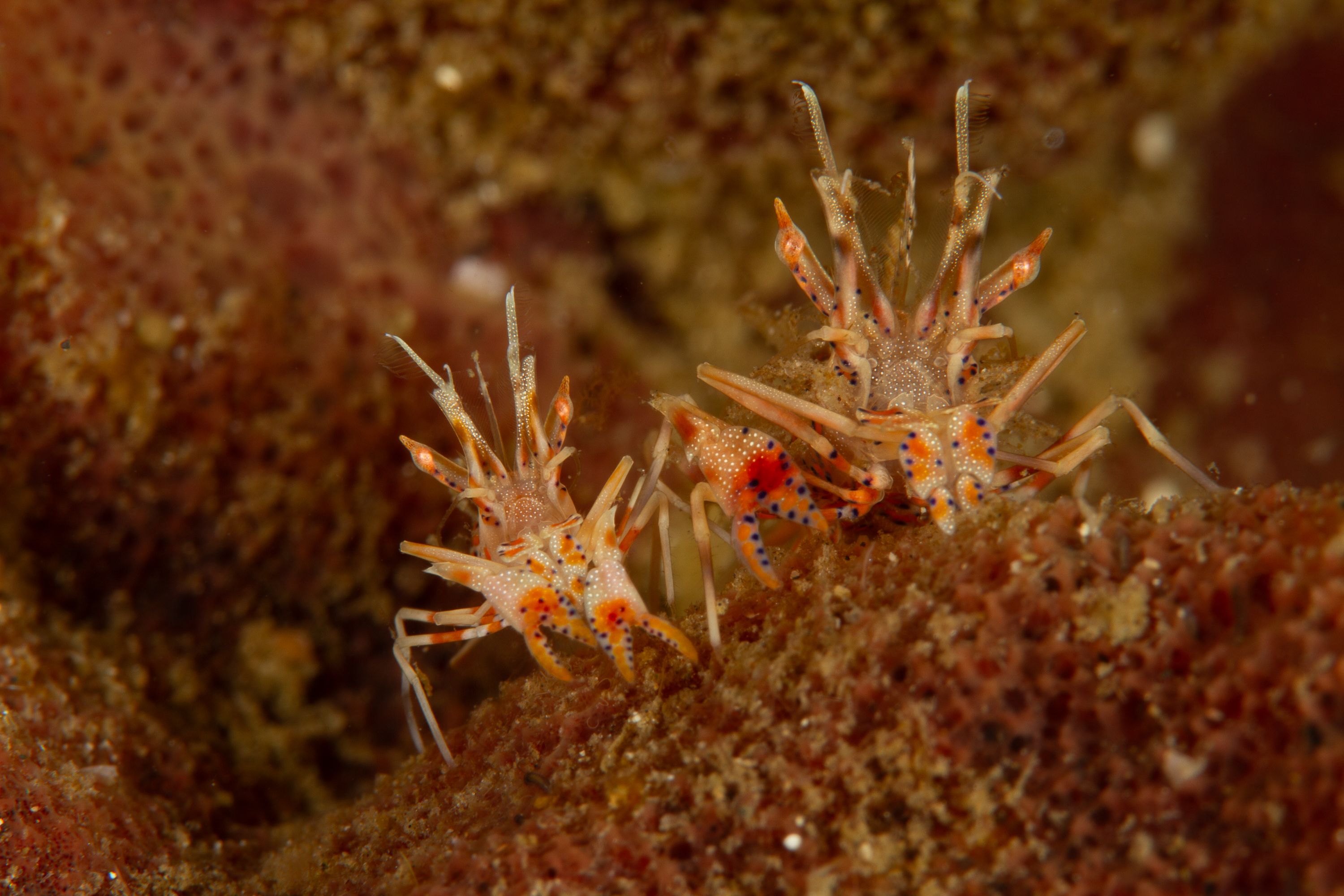
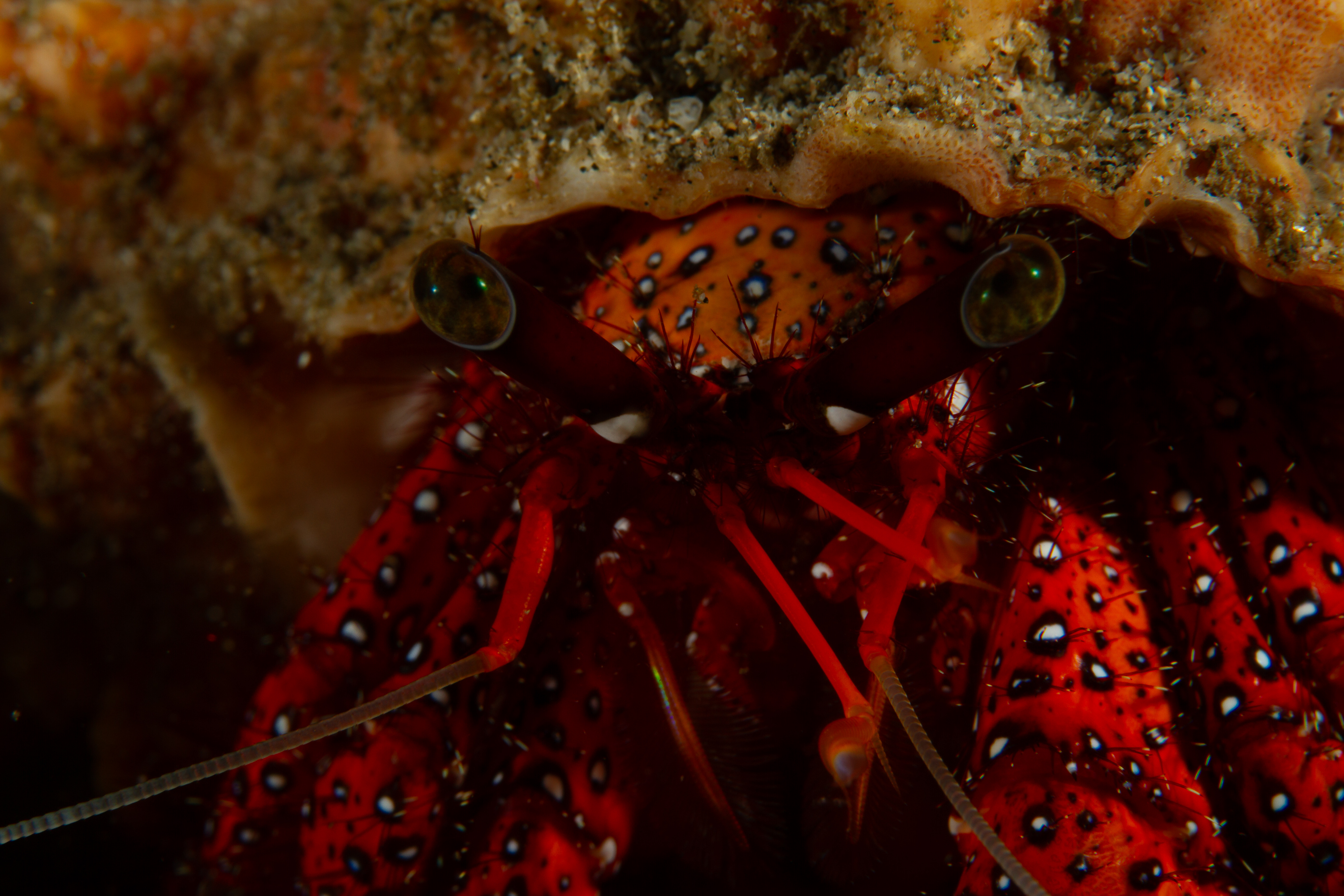
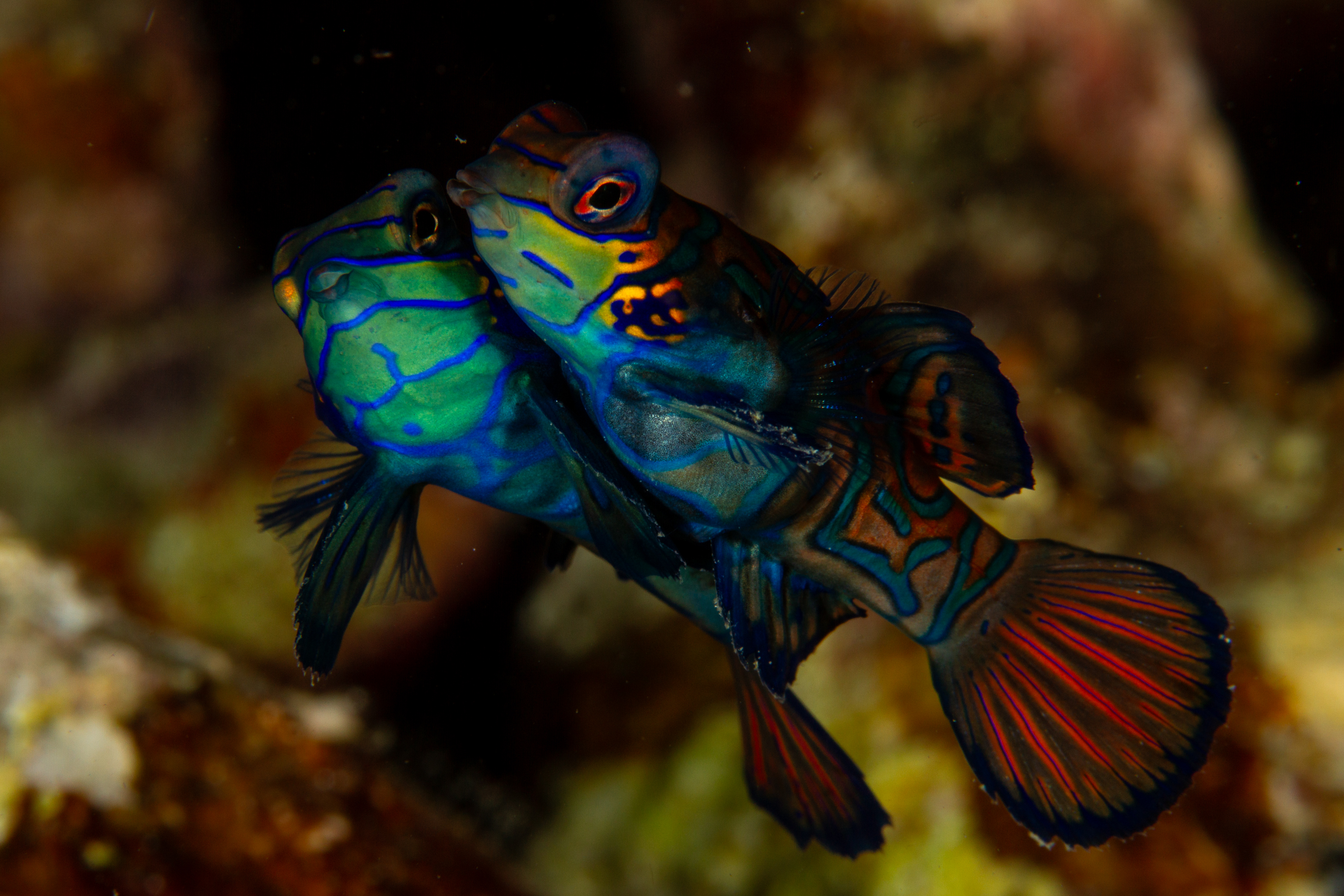
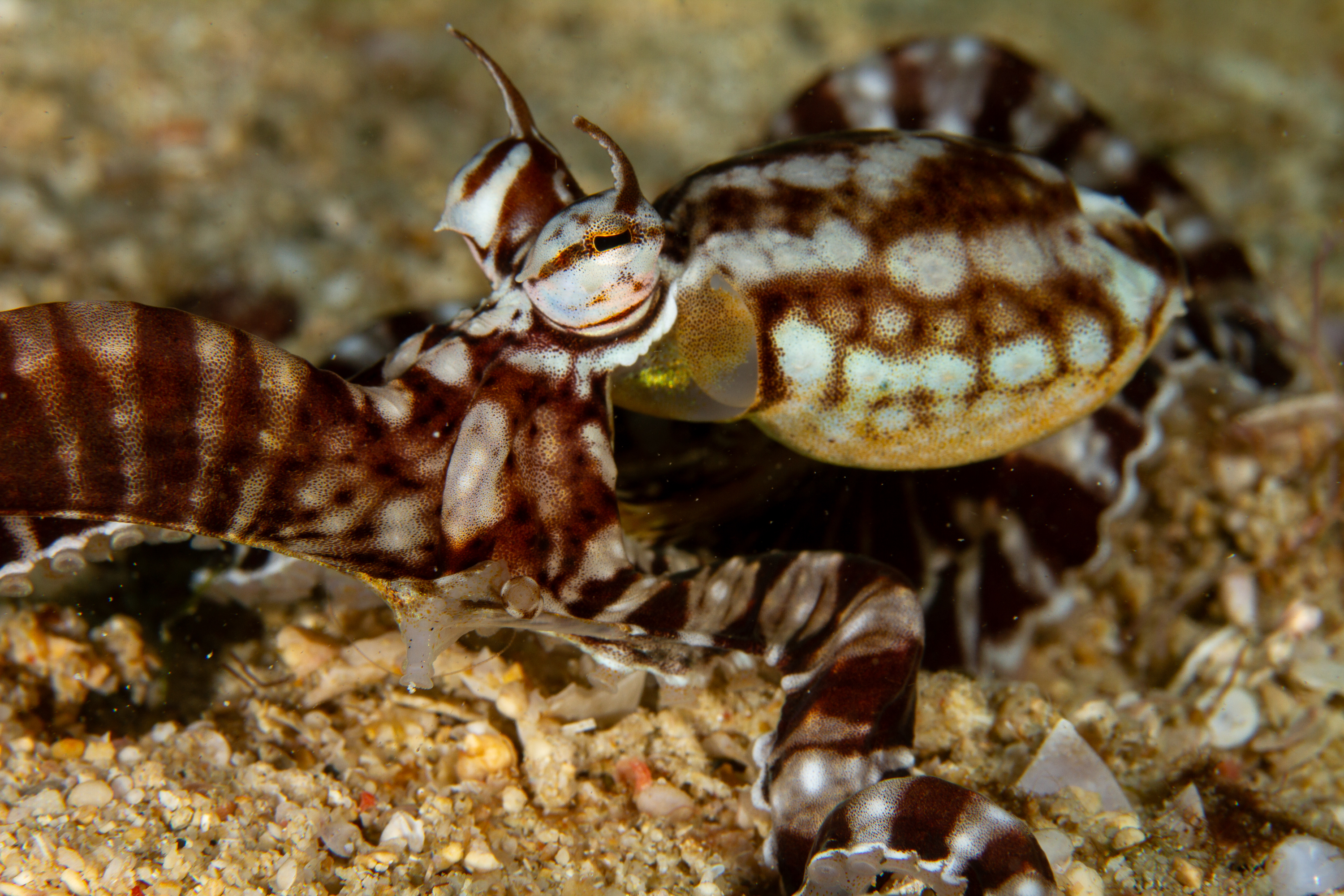
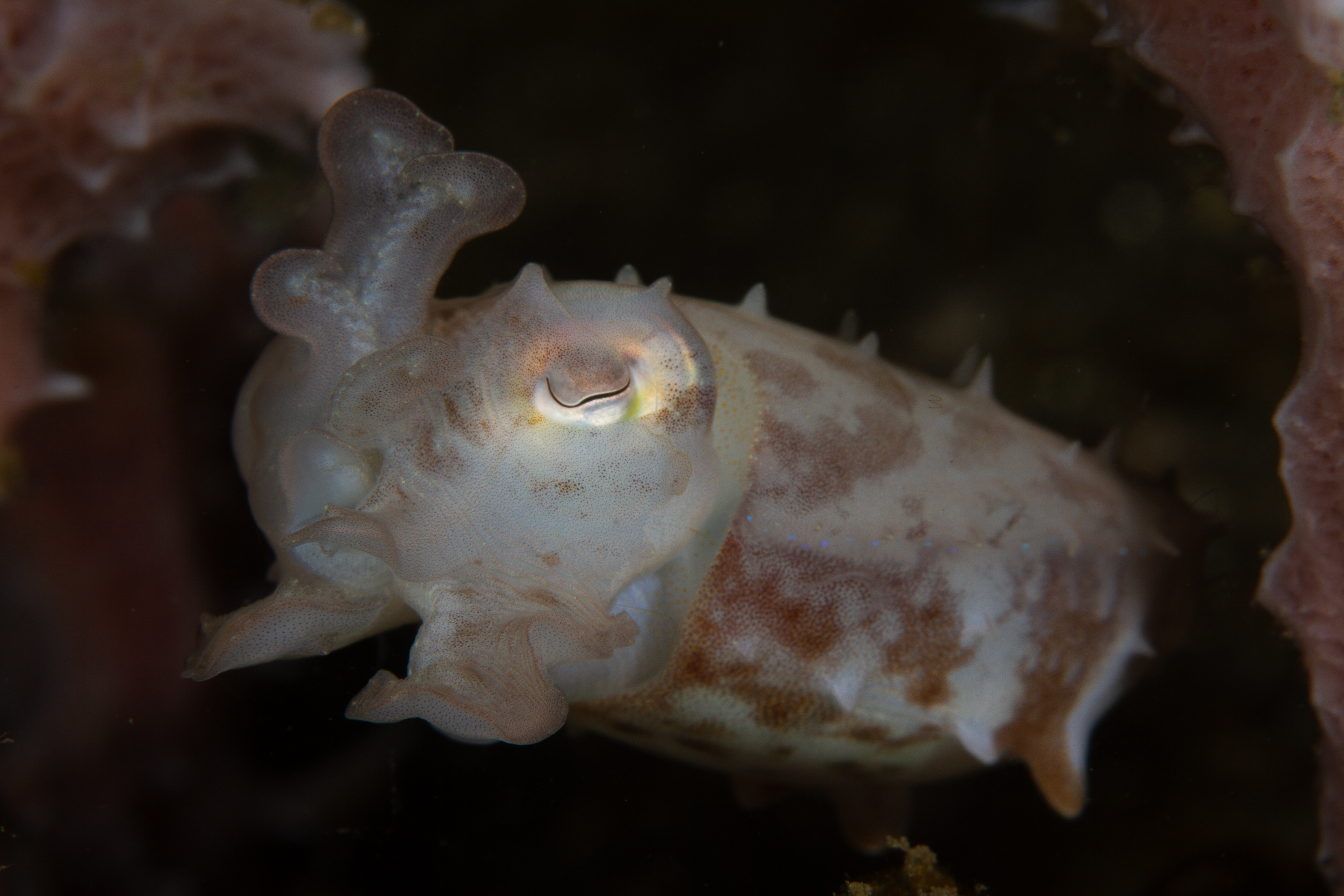
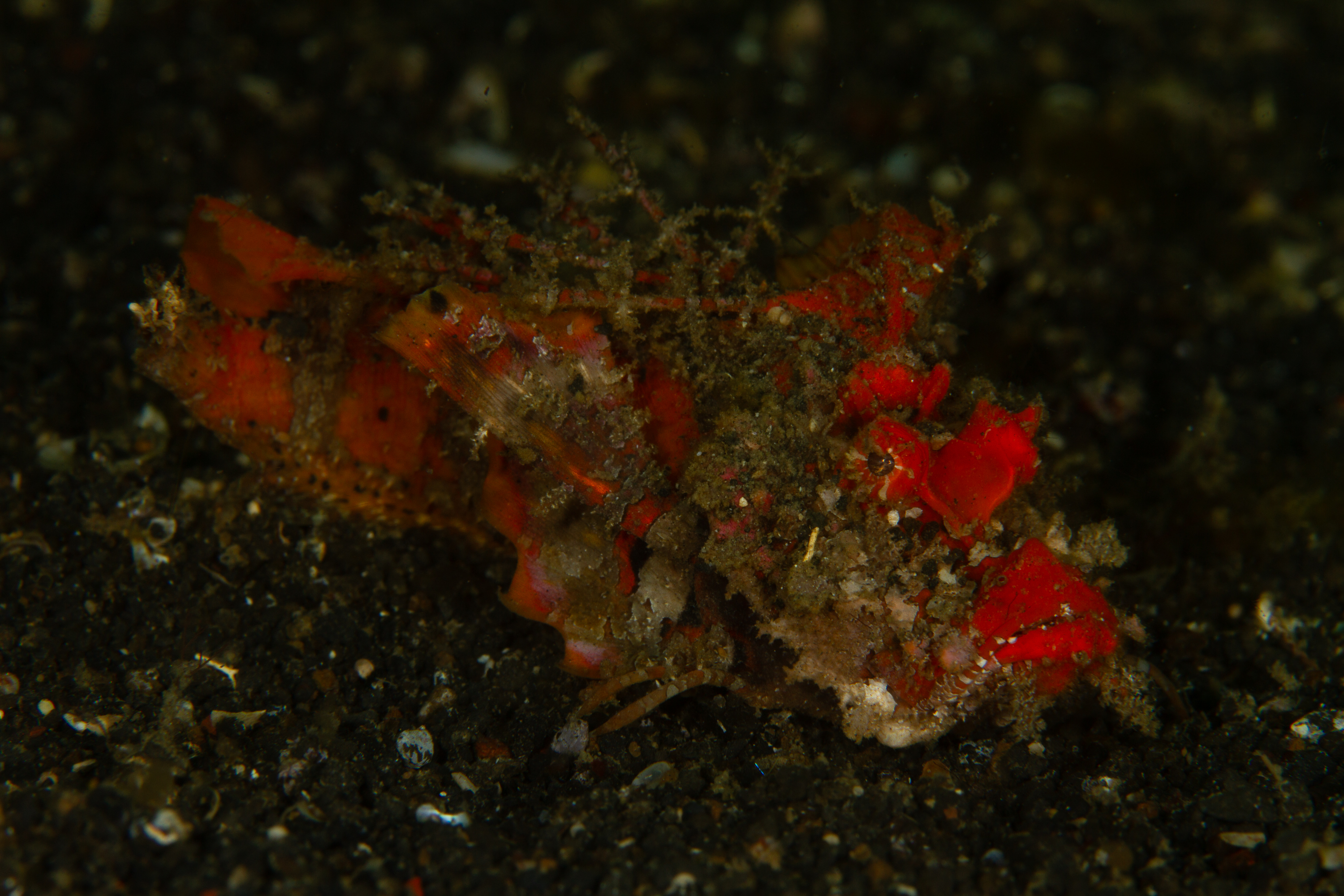
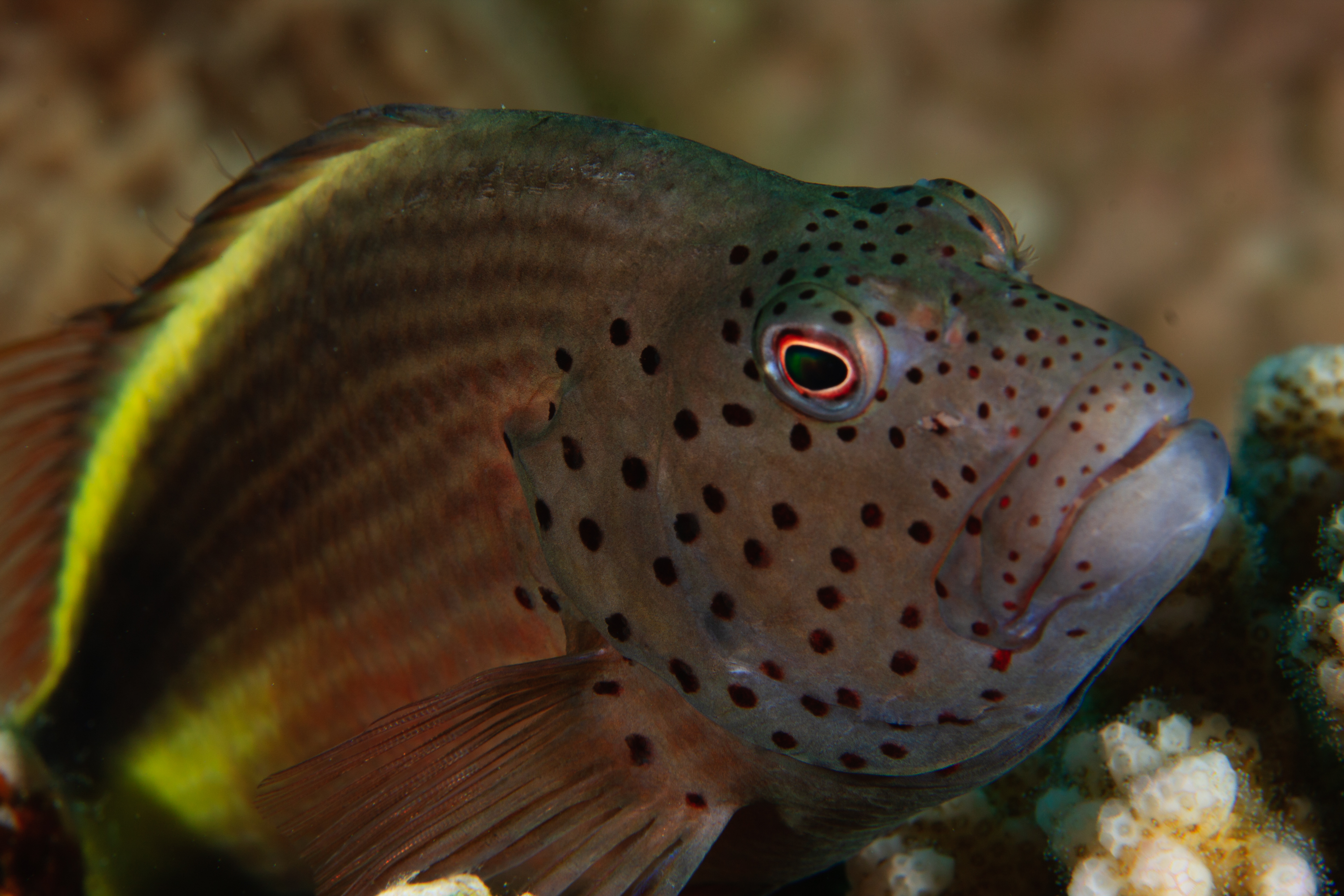
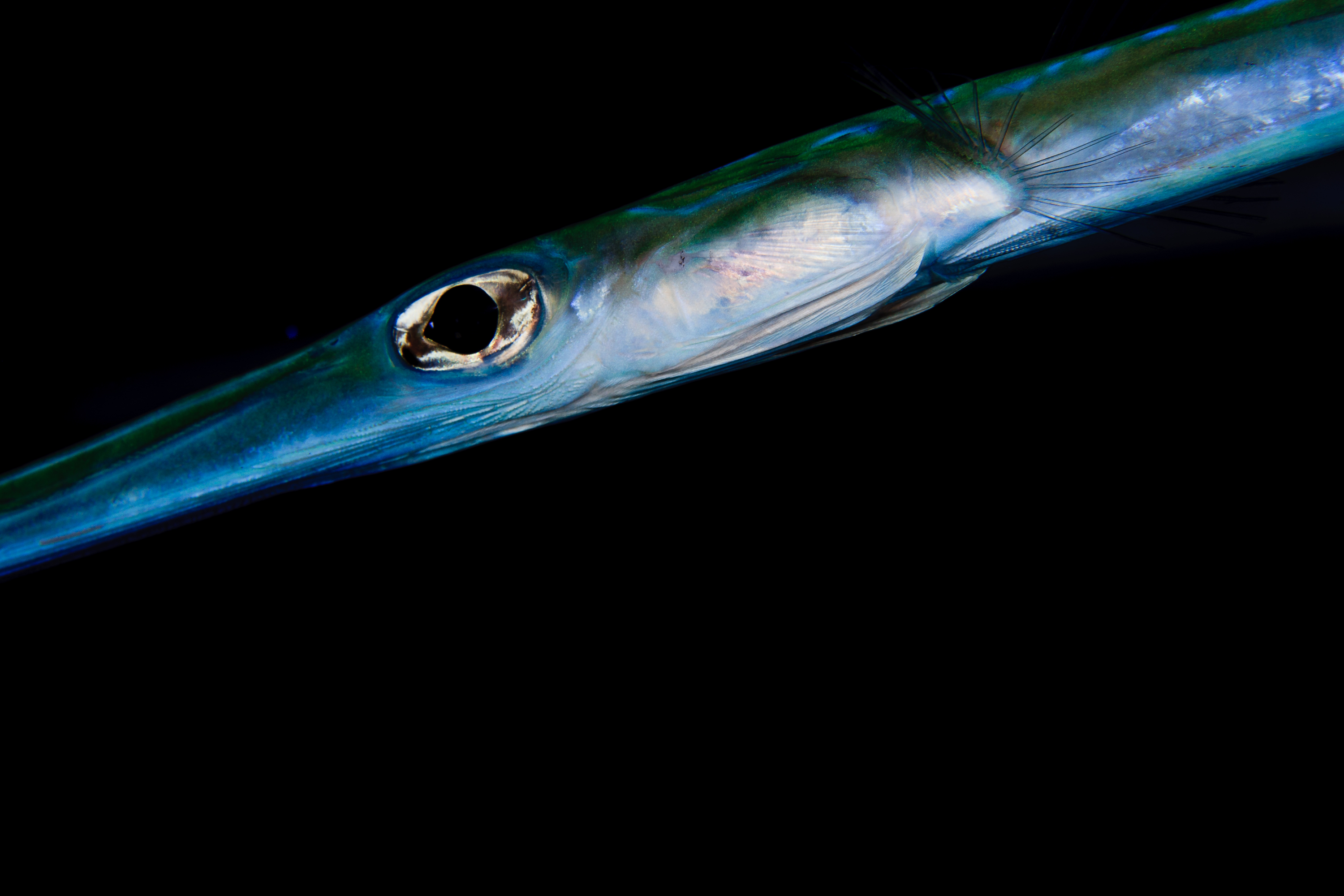
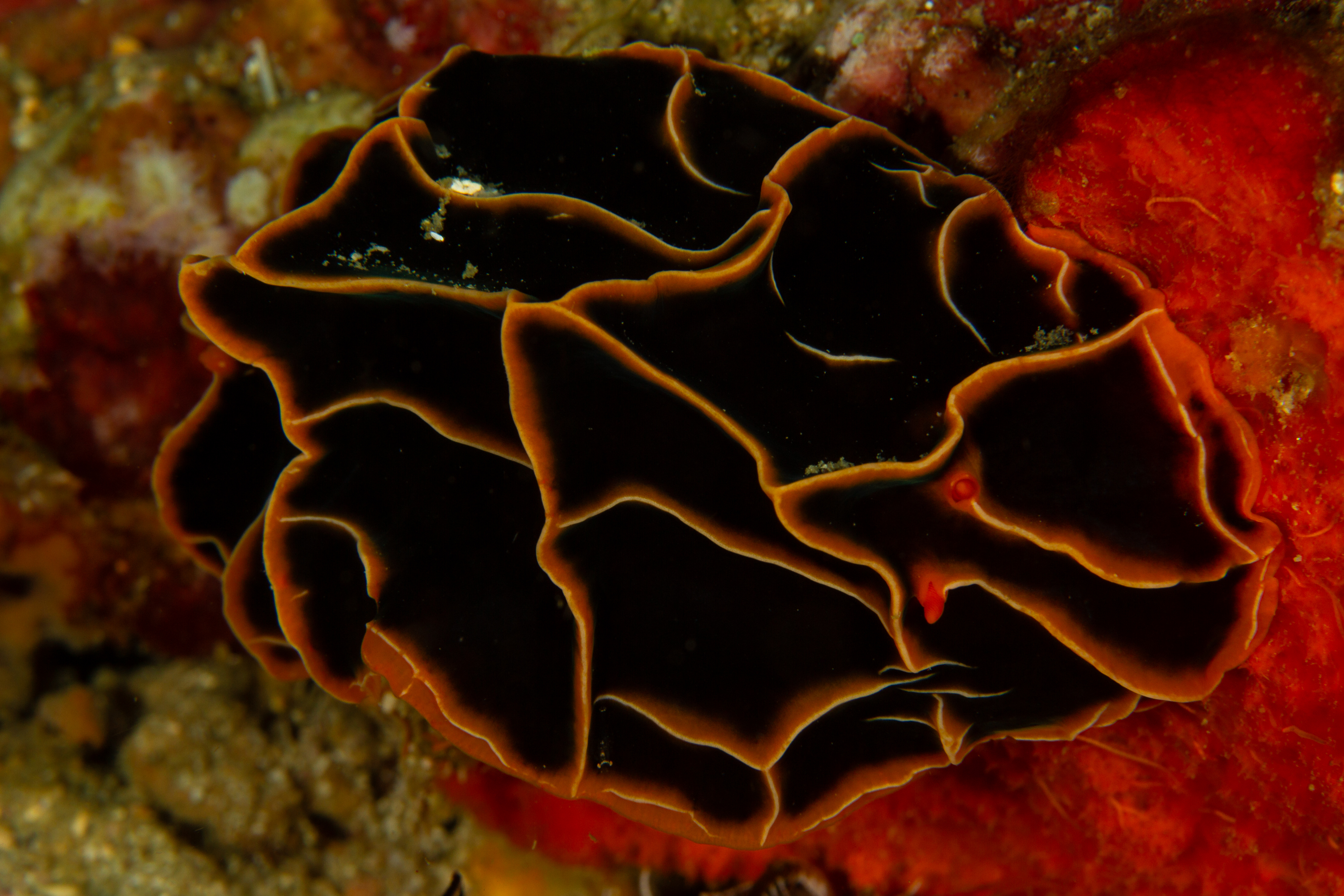
Not the trophy on black. The animal at home, the size it is. A pygmy seahorse perfectly invisible until your eyes finally adjust to the coral. A hairy frogfish blinking from black volcanic sand. A flamboyant cuttlefish walking across the bottom as if the camera does not exist, then vanishing into perfect camouflage.
These small worlds are the counterweight to the wide-angle drama of Sharks, Gentle Giants, and Reef & Corals. They are also part of the story I tell in My Big Five for Life, and on the About page. The ocean always has another animal waiting just below fin level.
Explore More Galleries
Reef & Corals