Reef & Corals
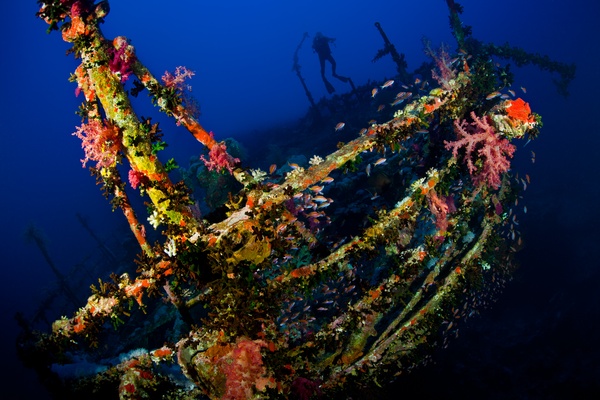
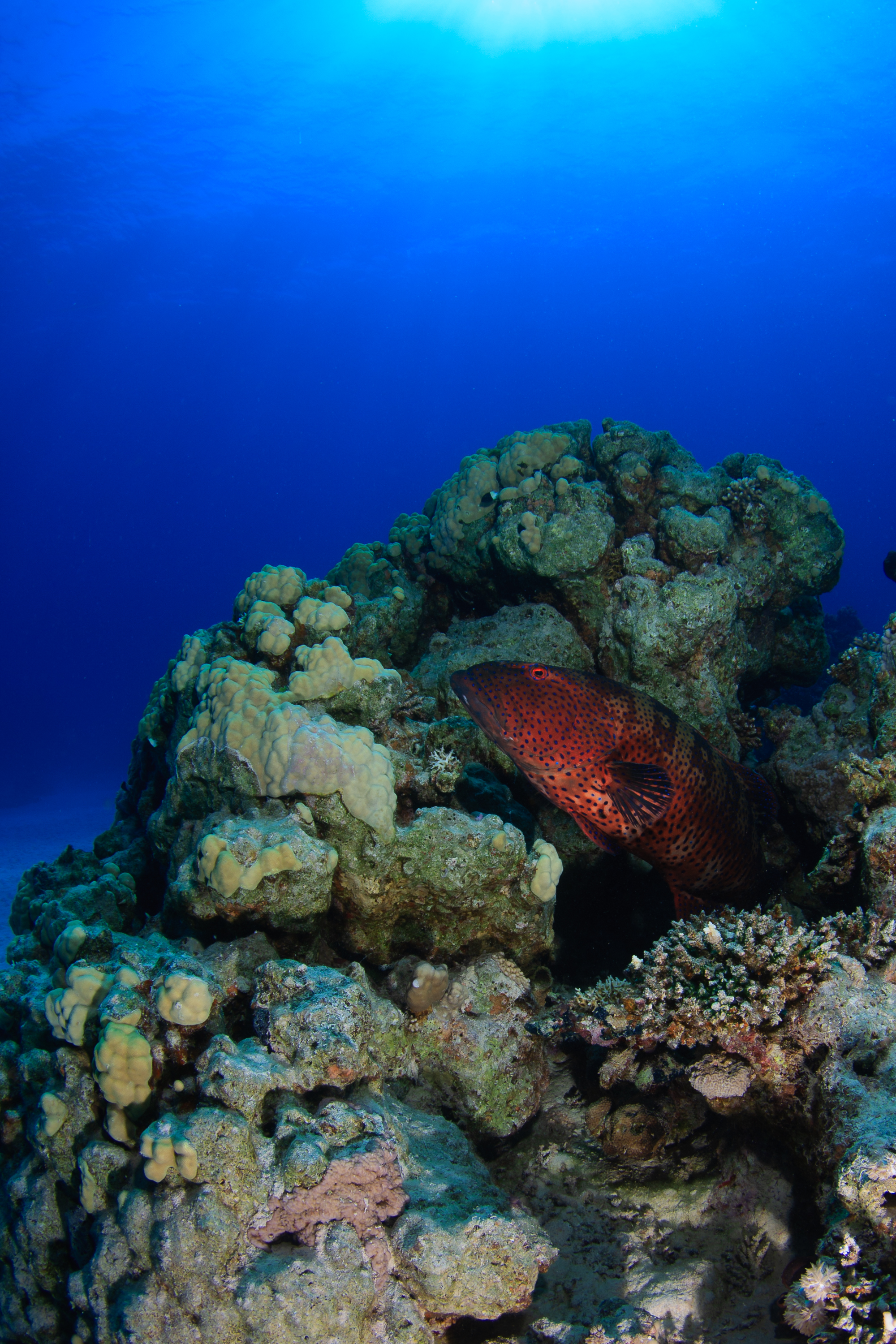
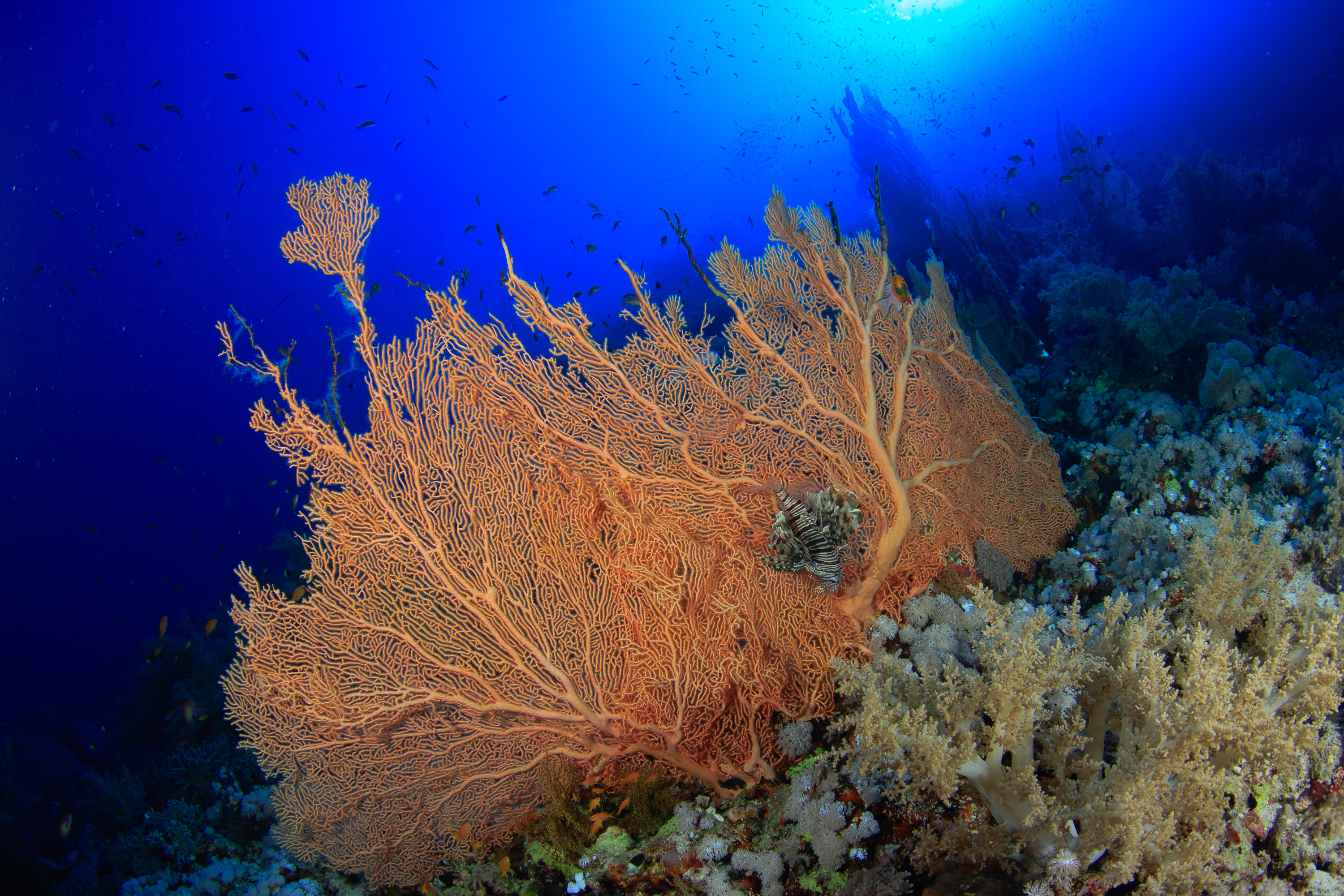
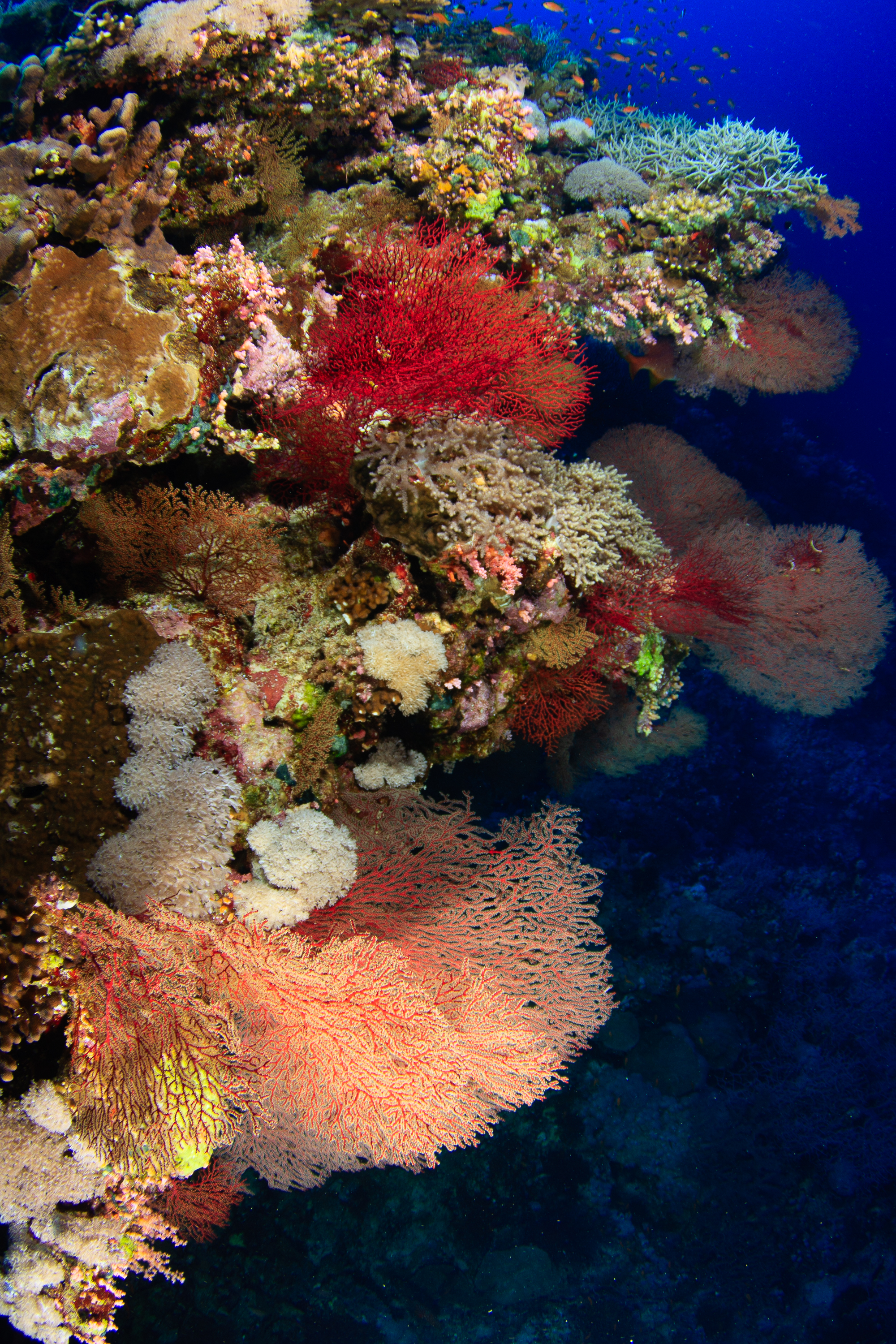
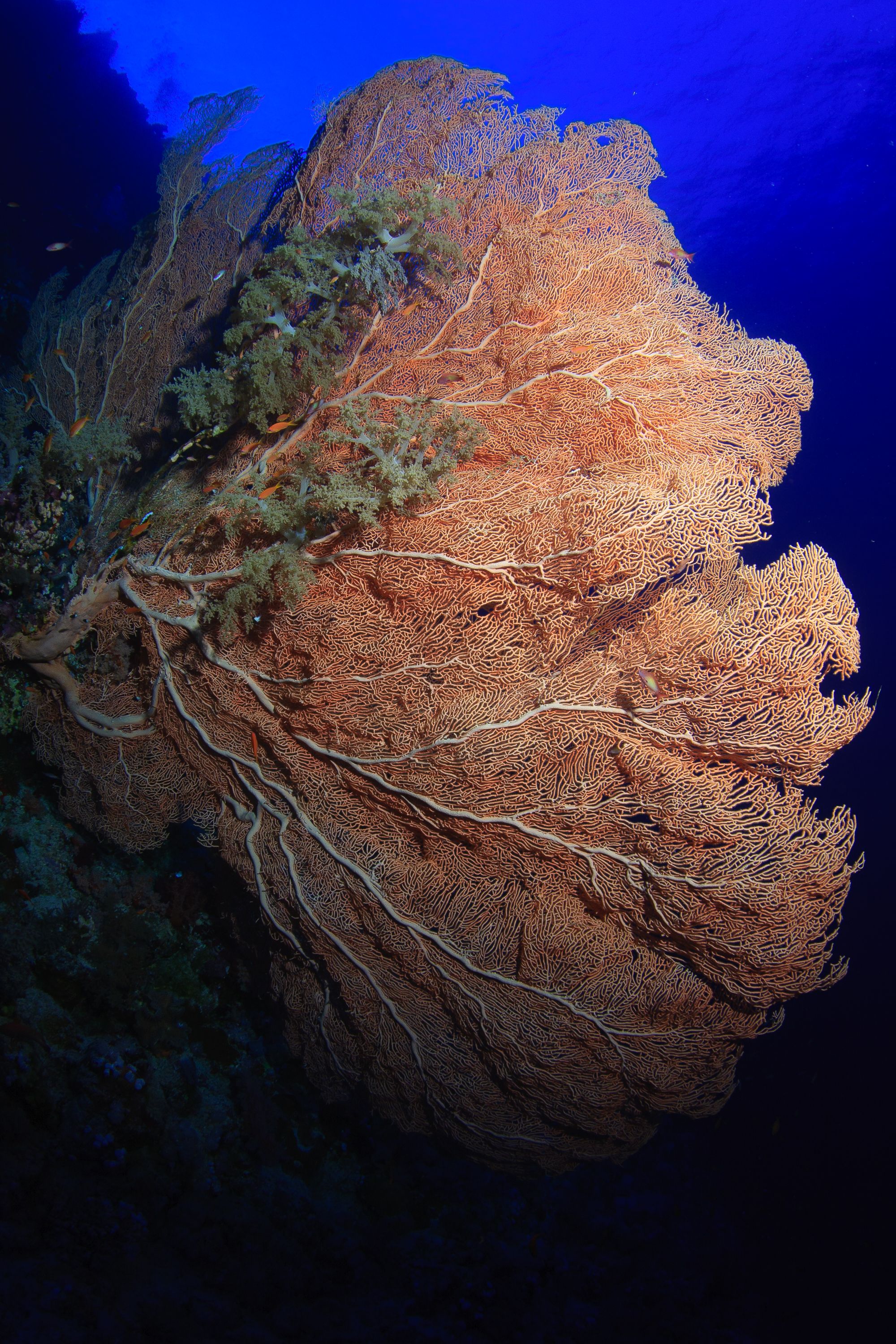
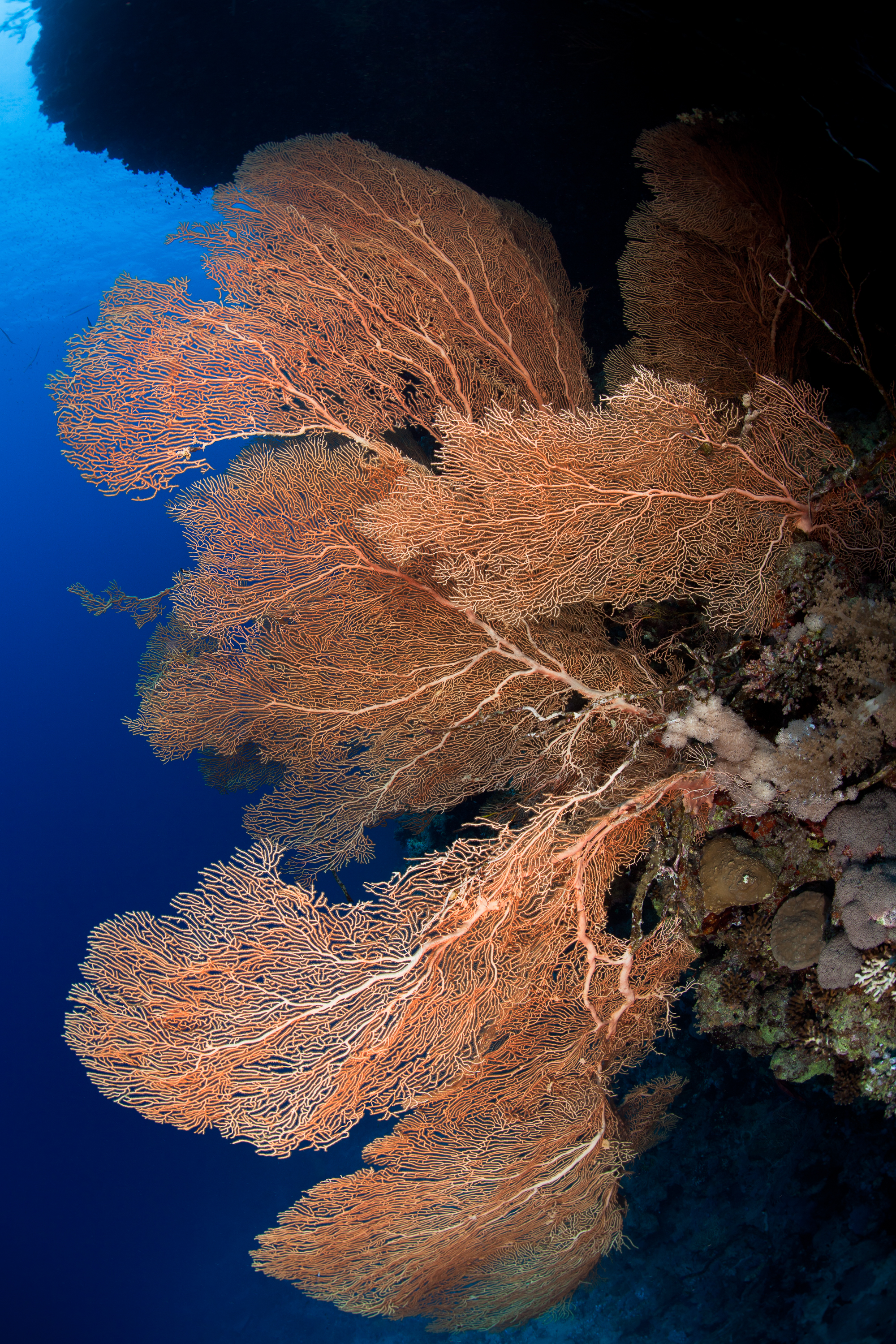
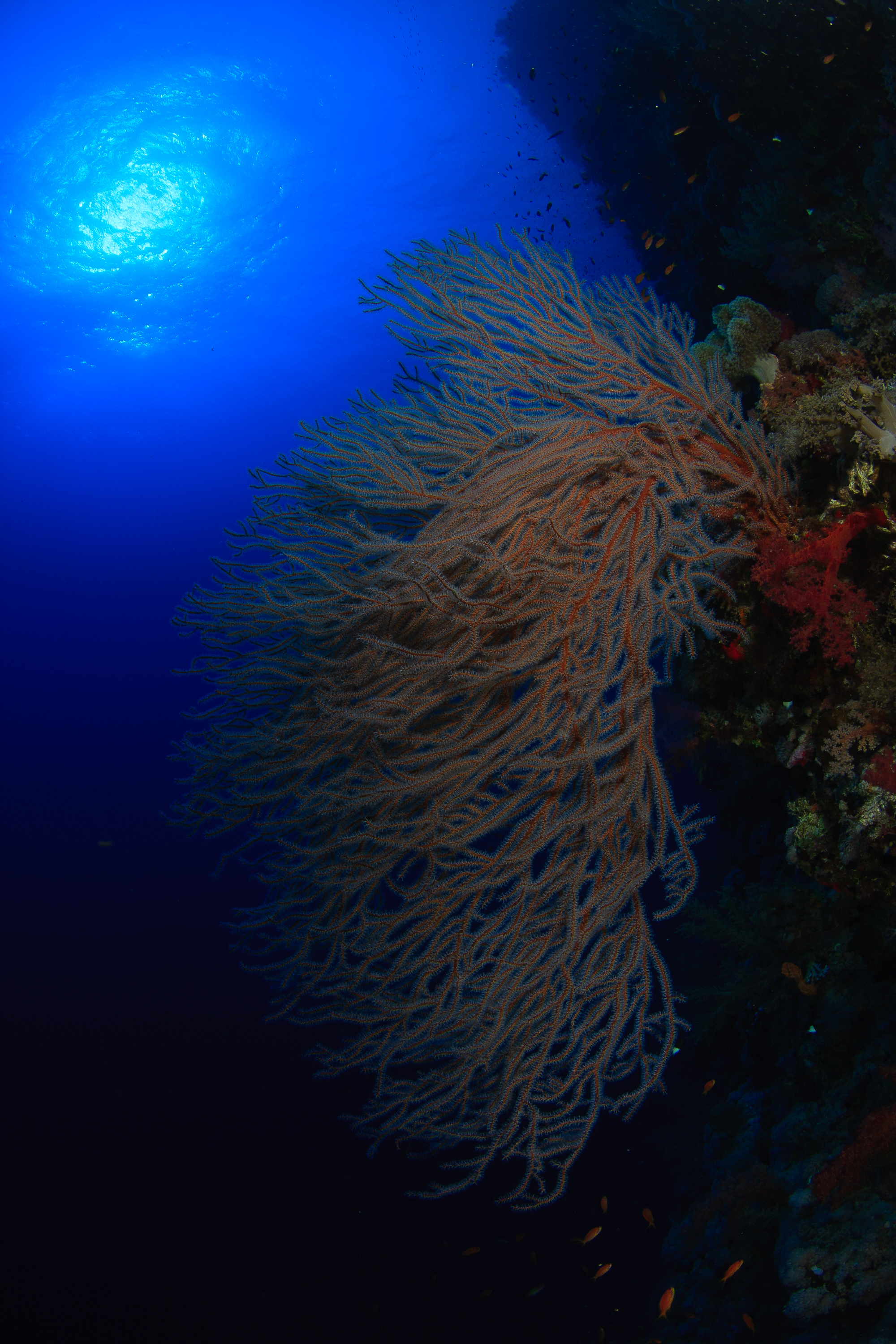
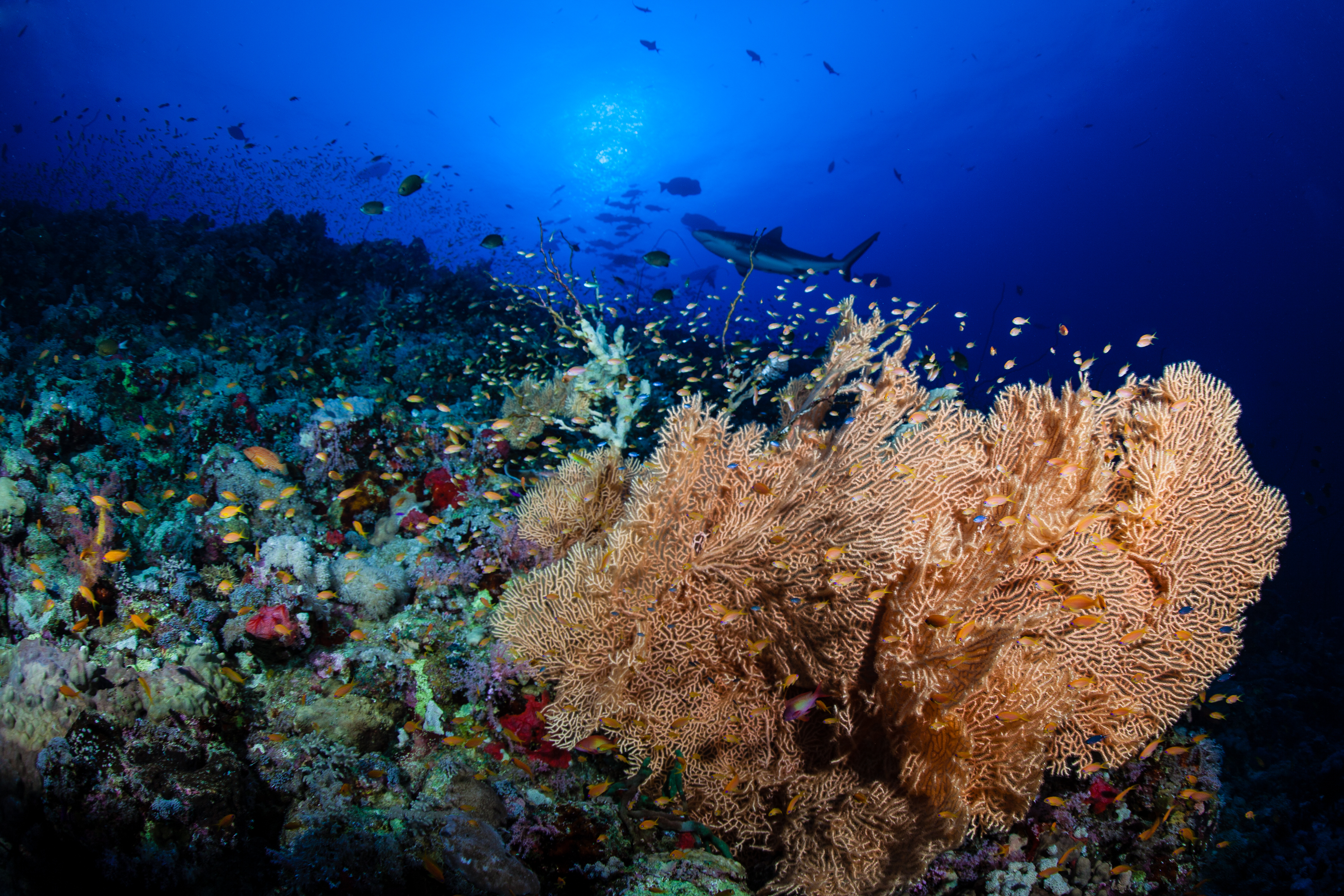
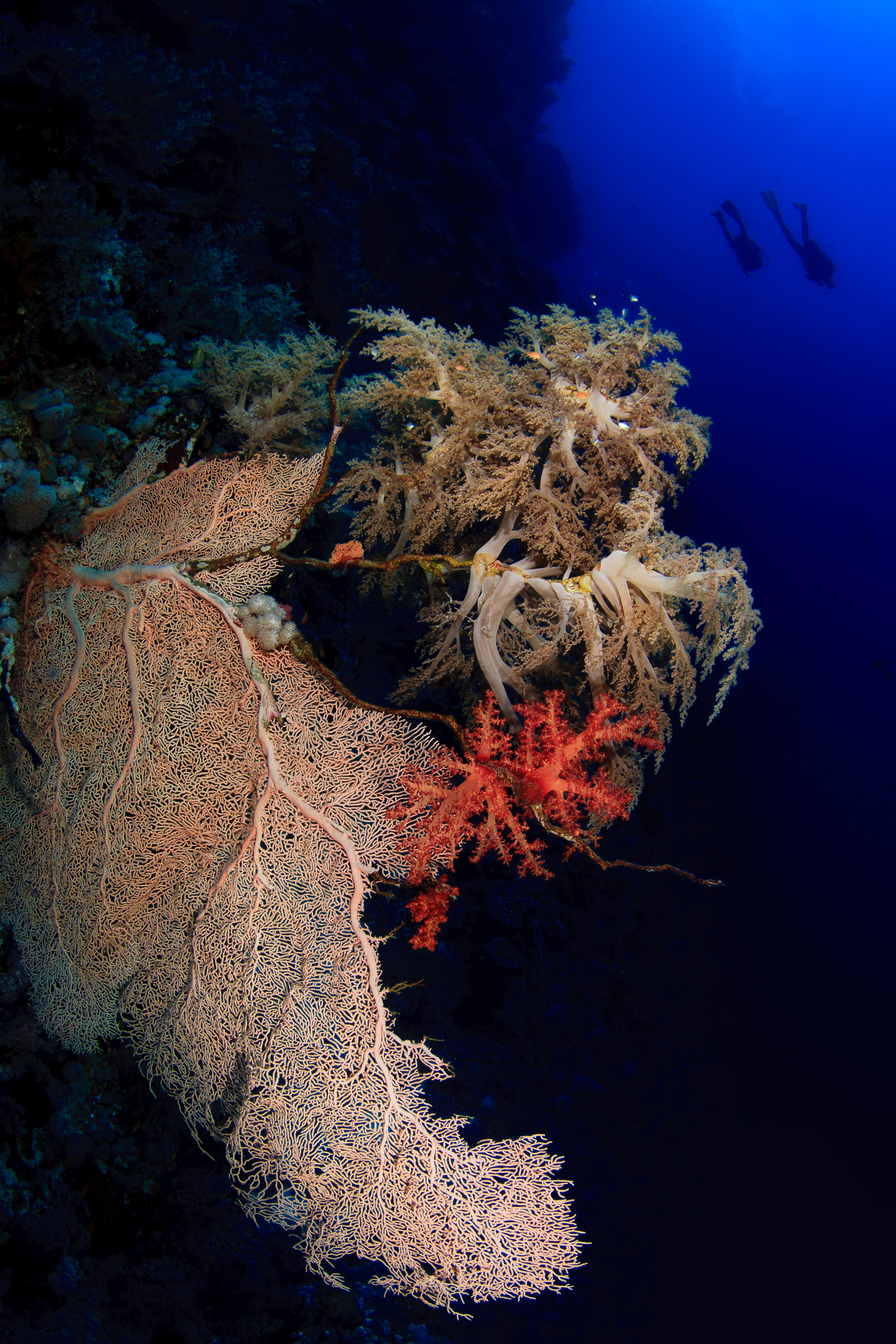
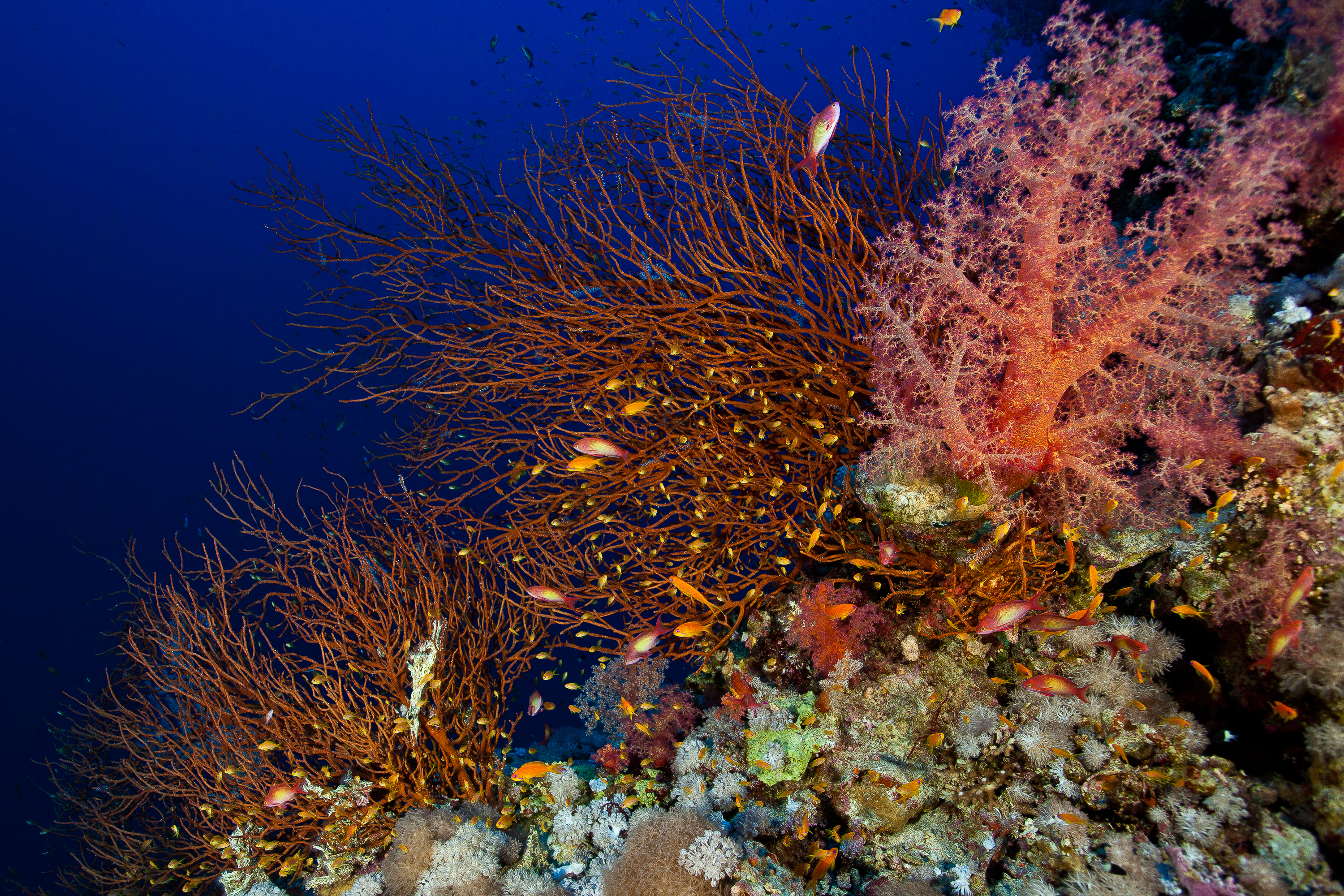
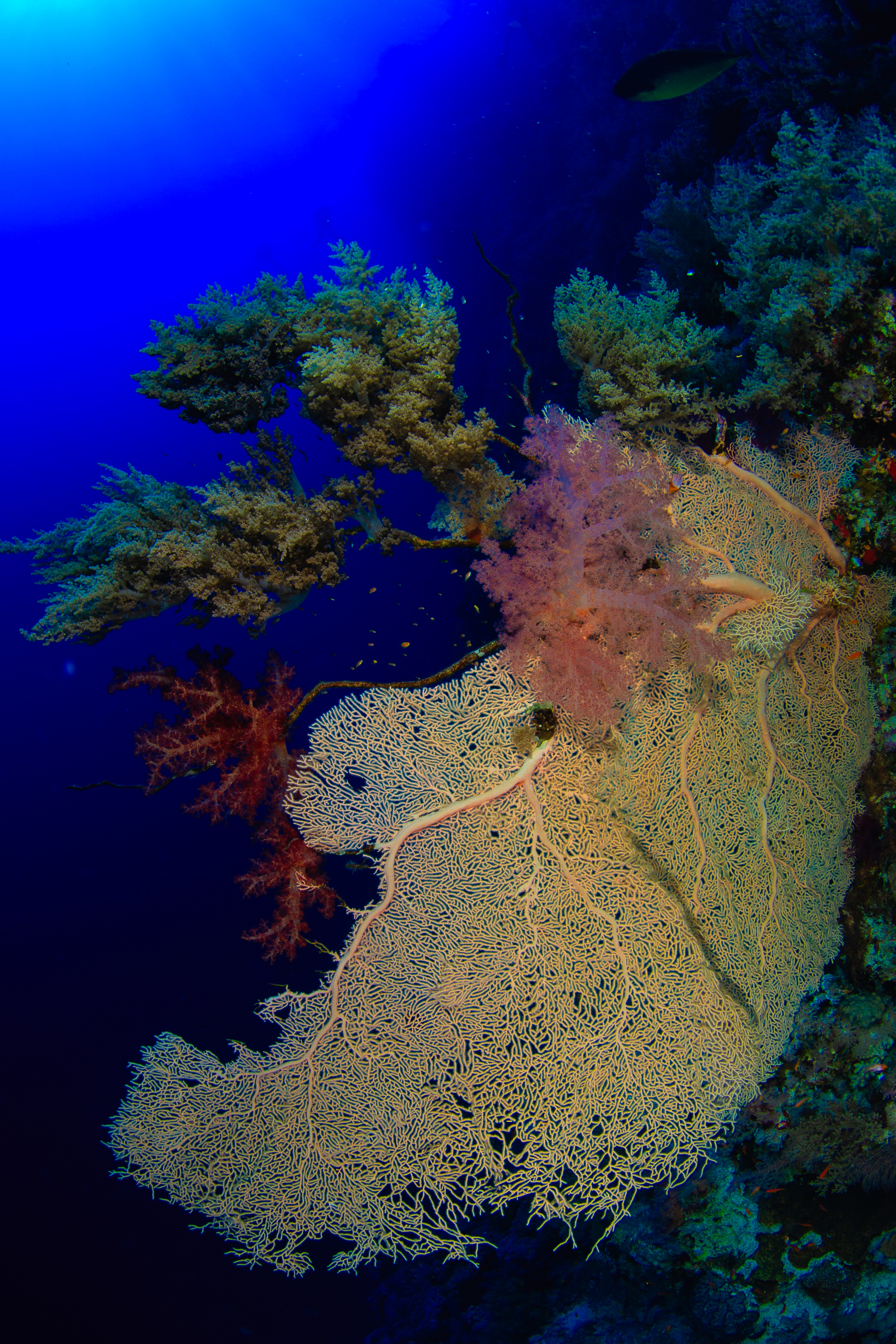
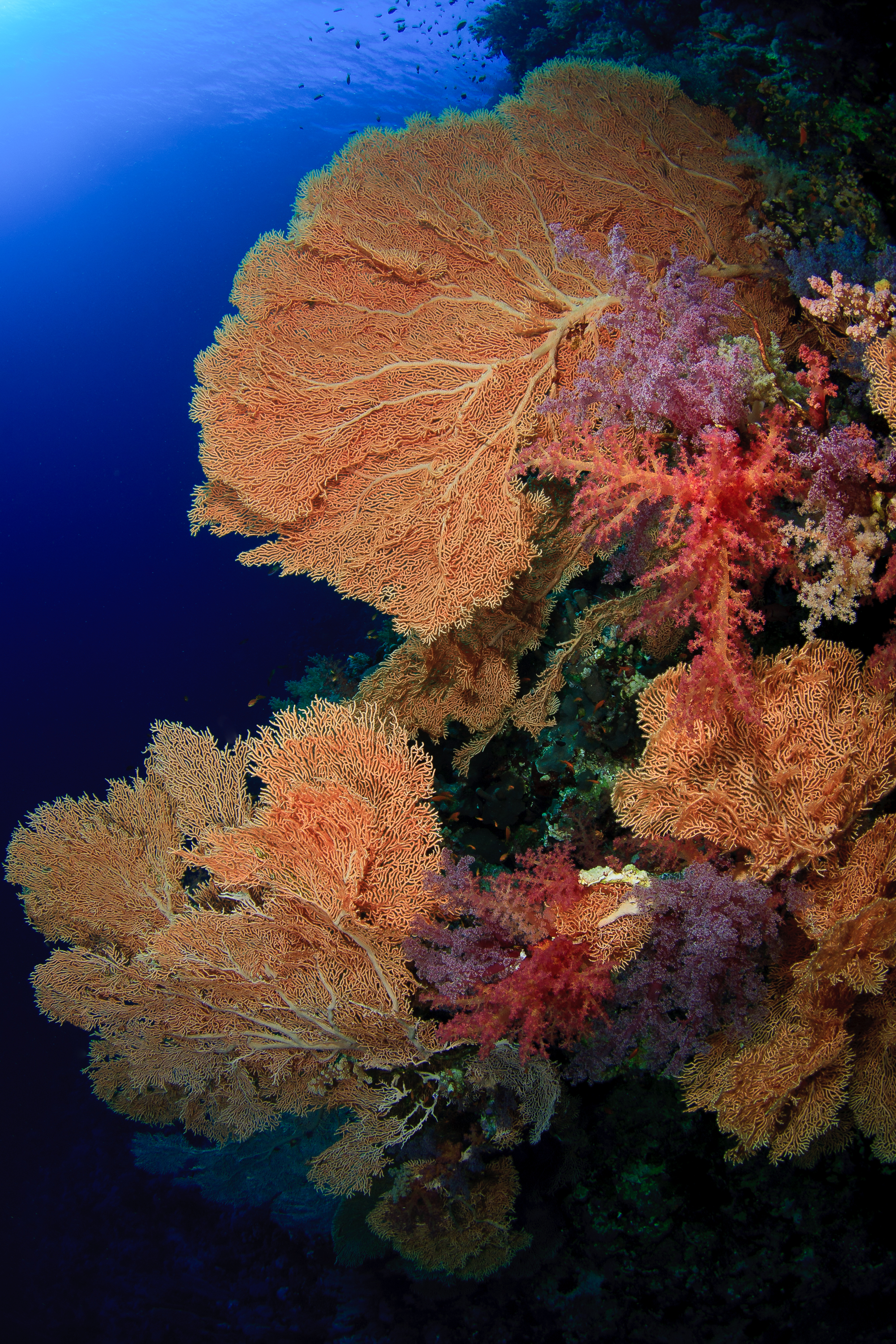
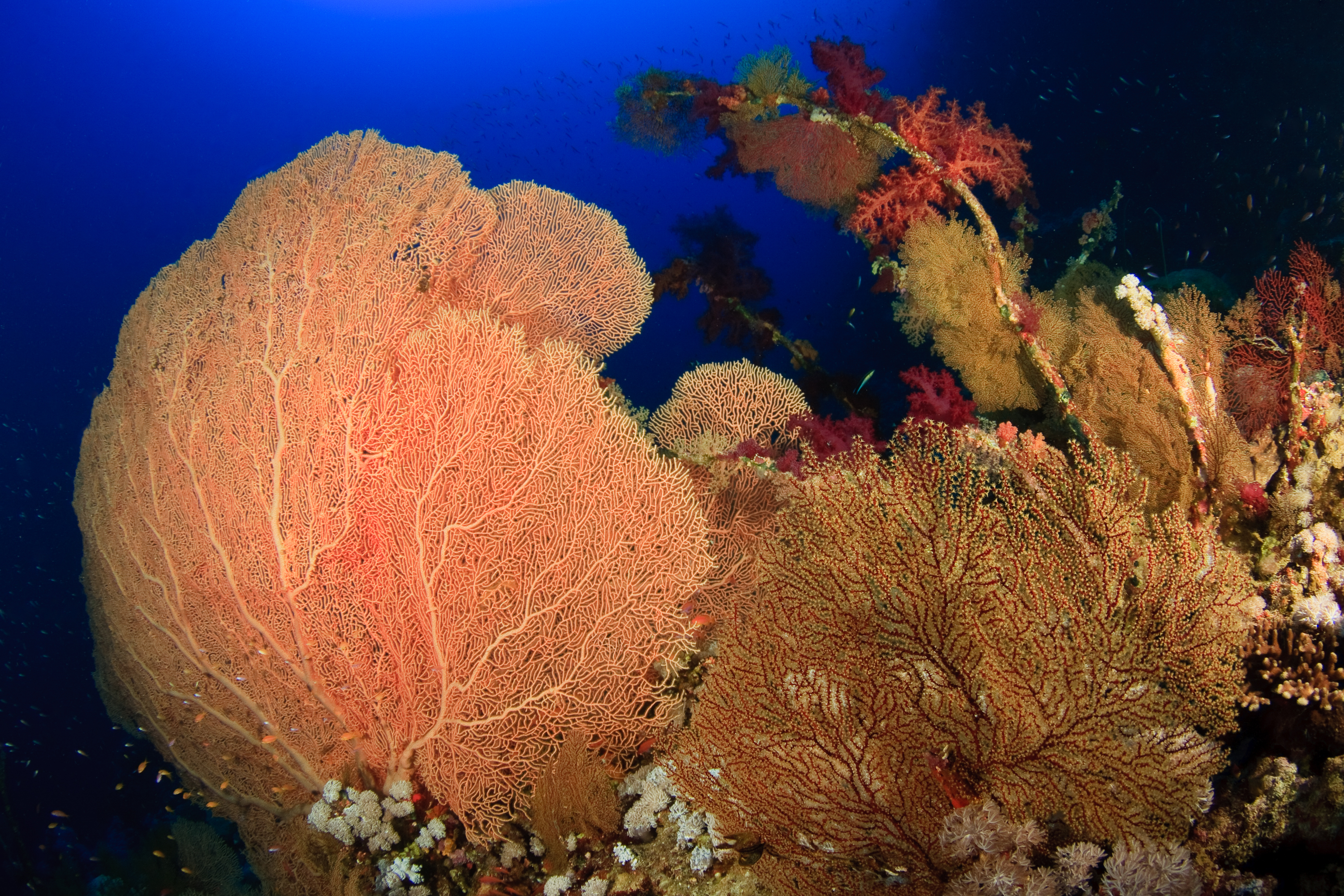
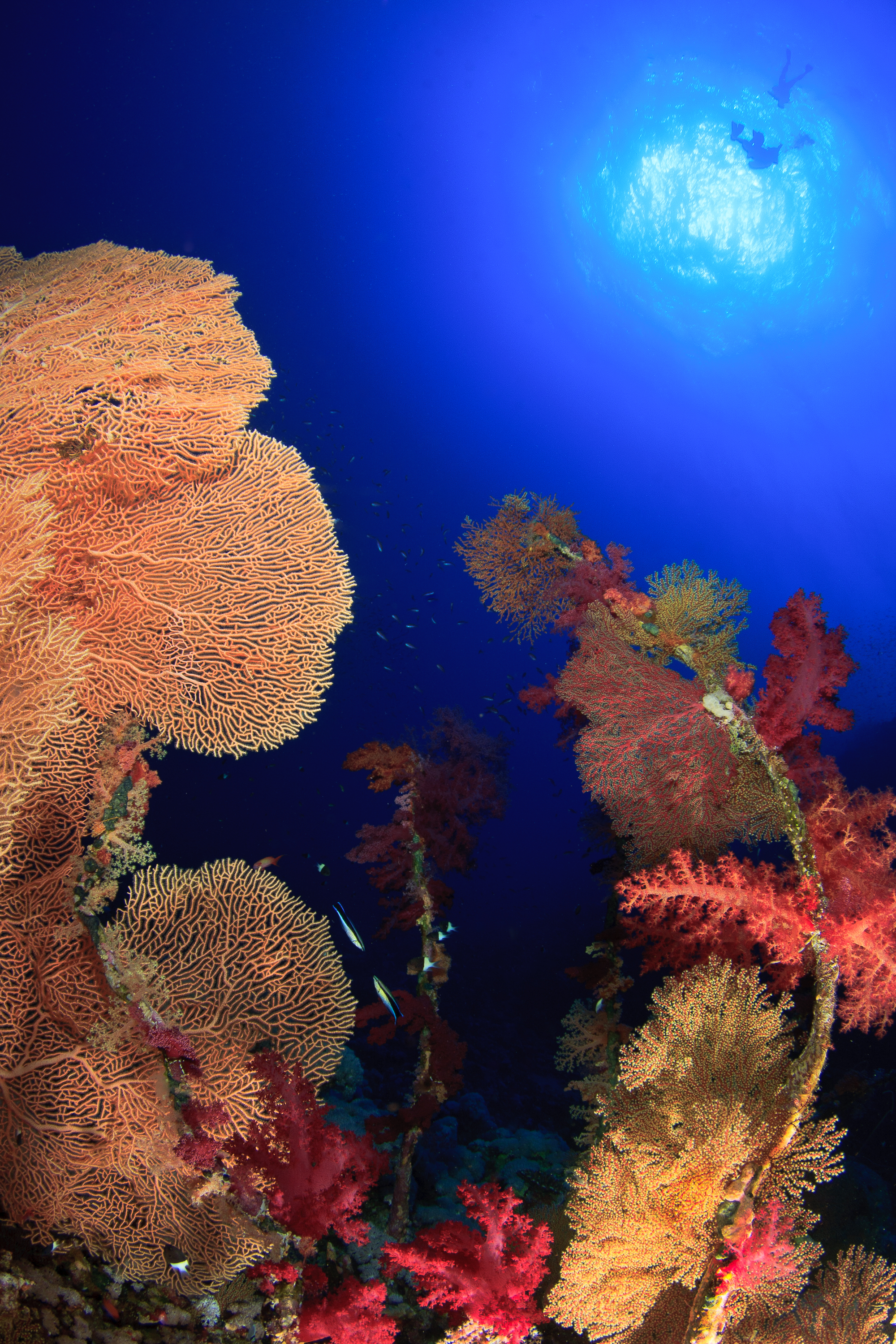
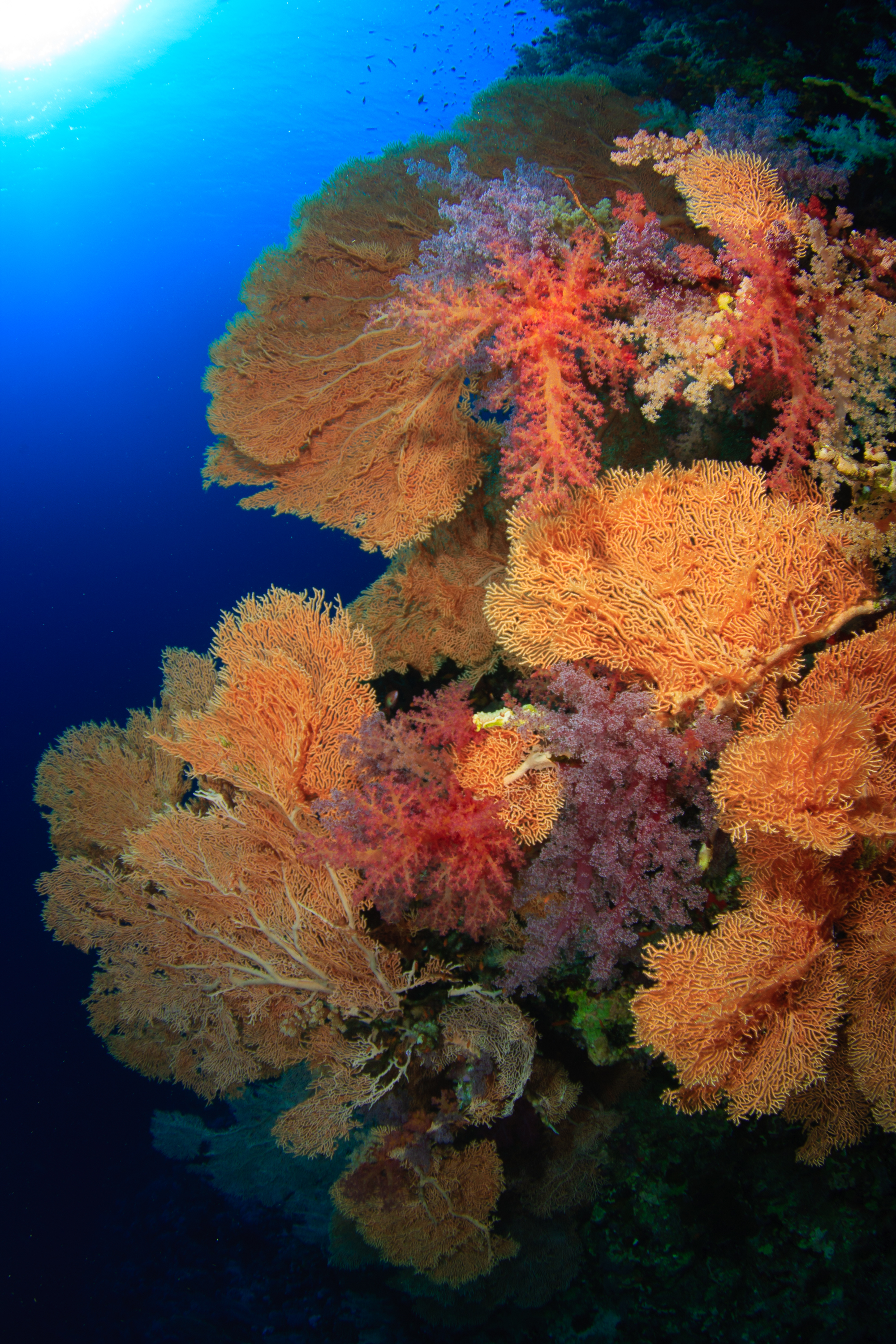
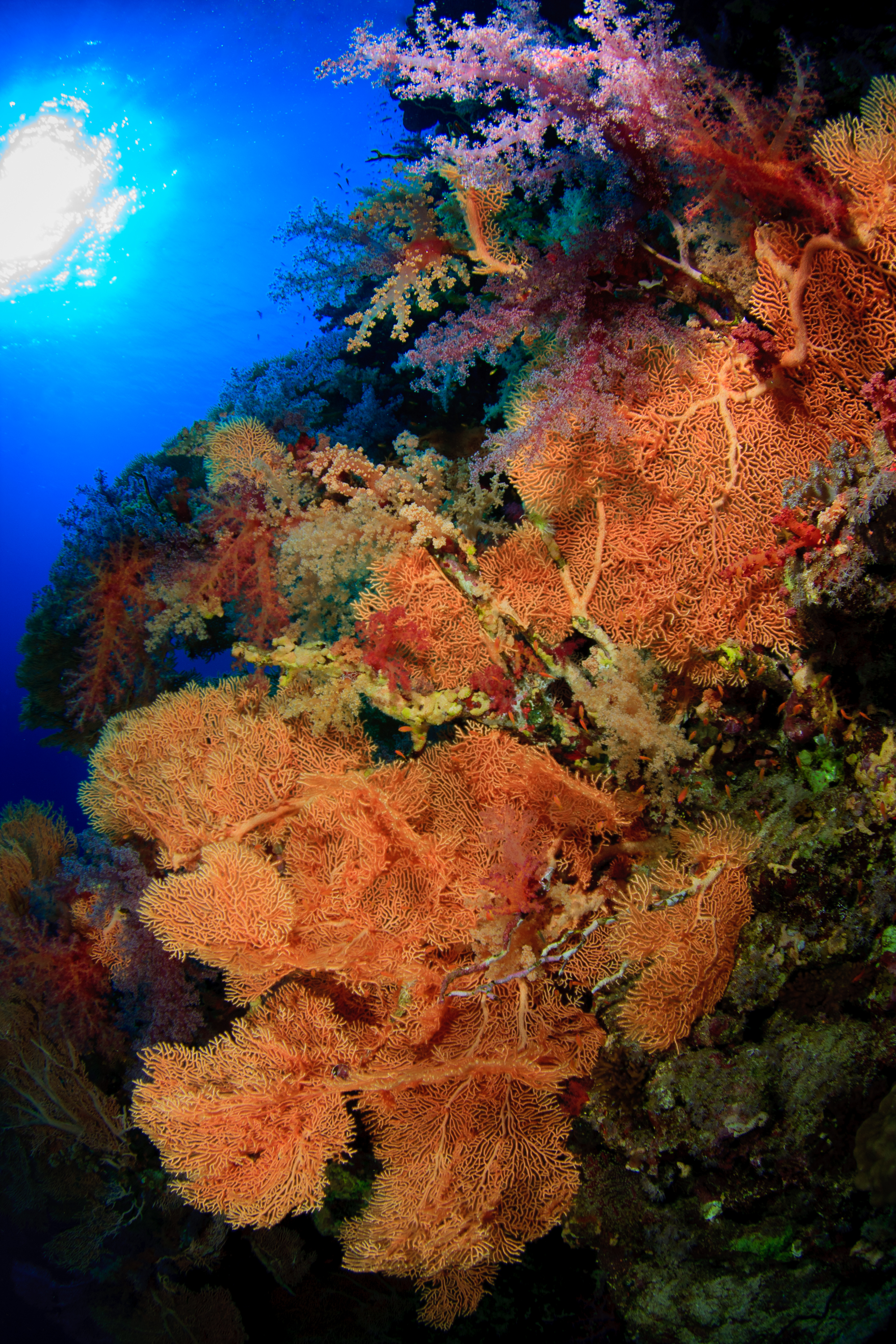
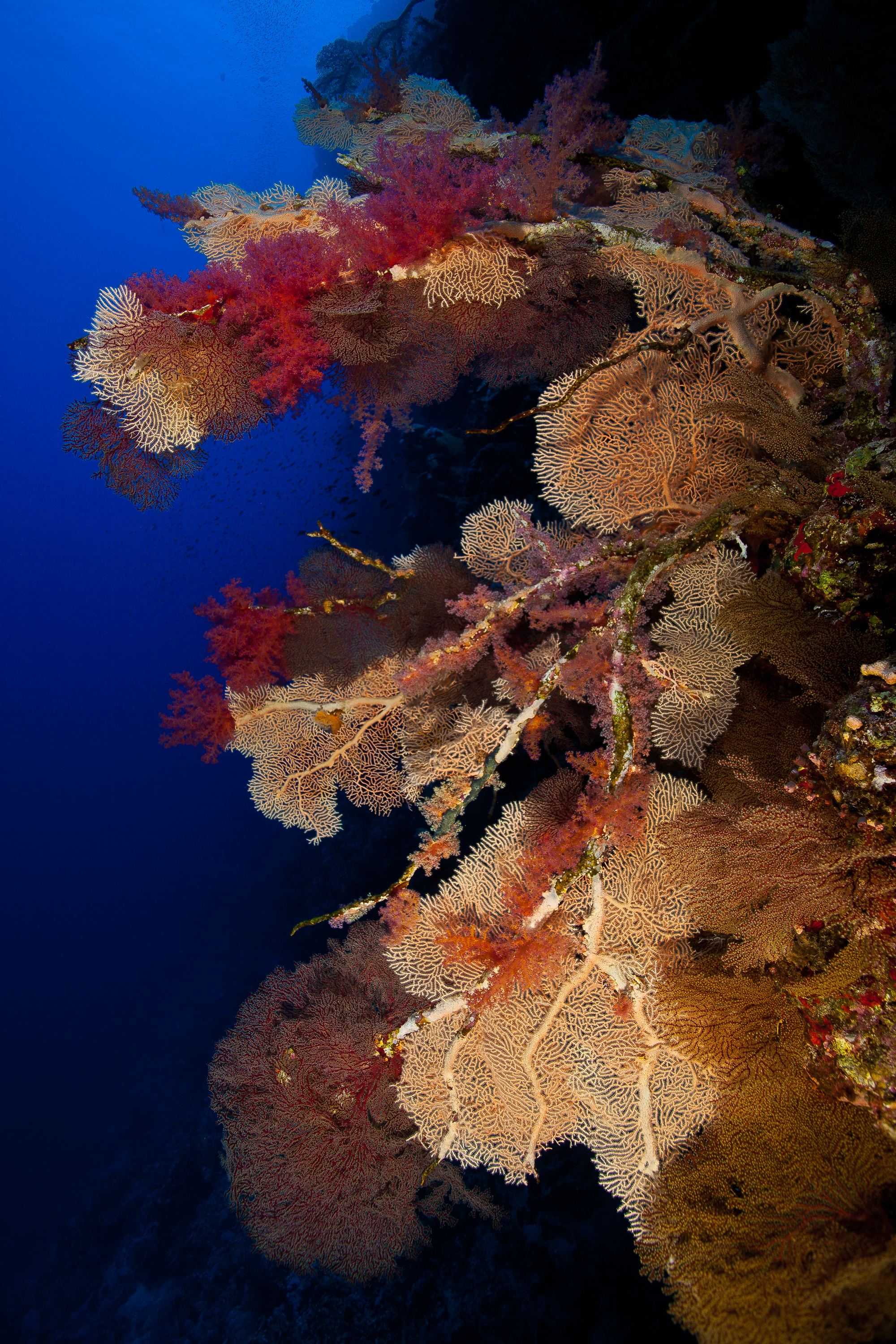
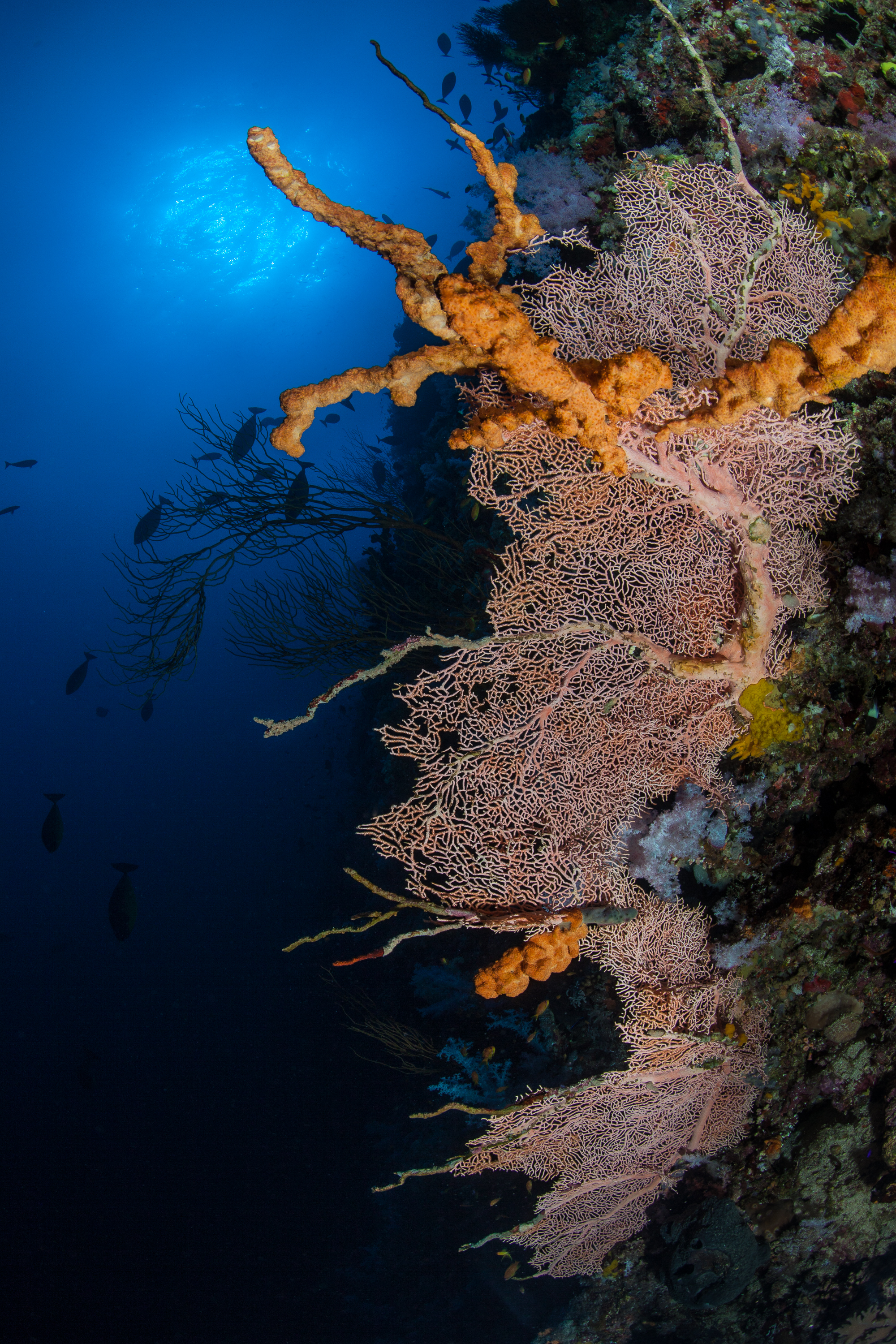
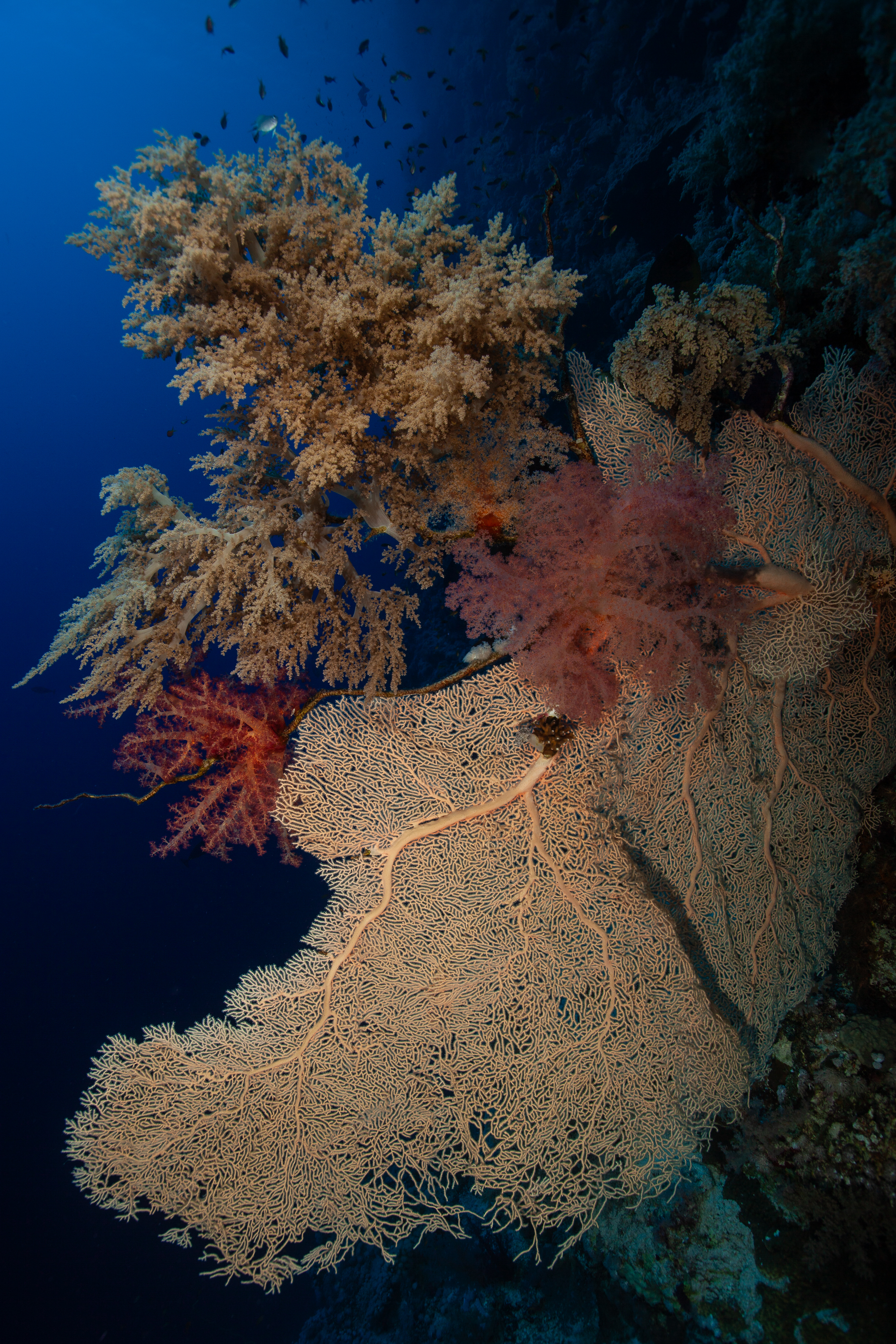
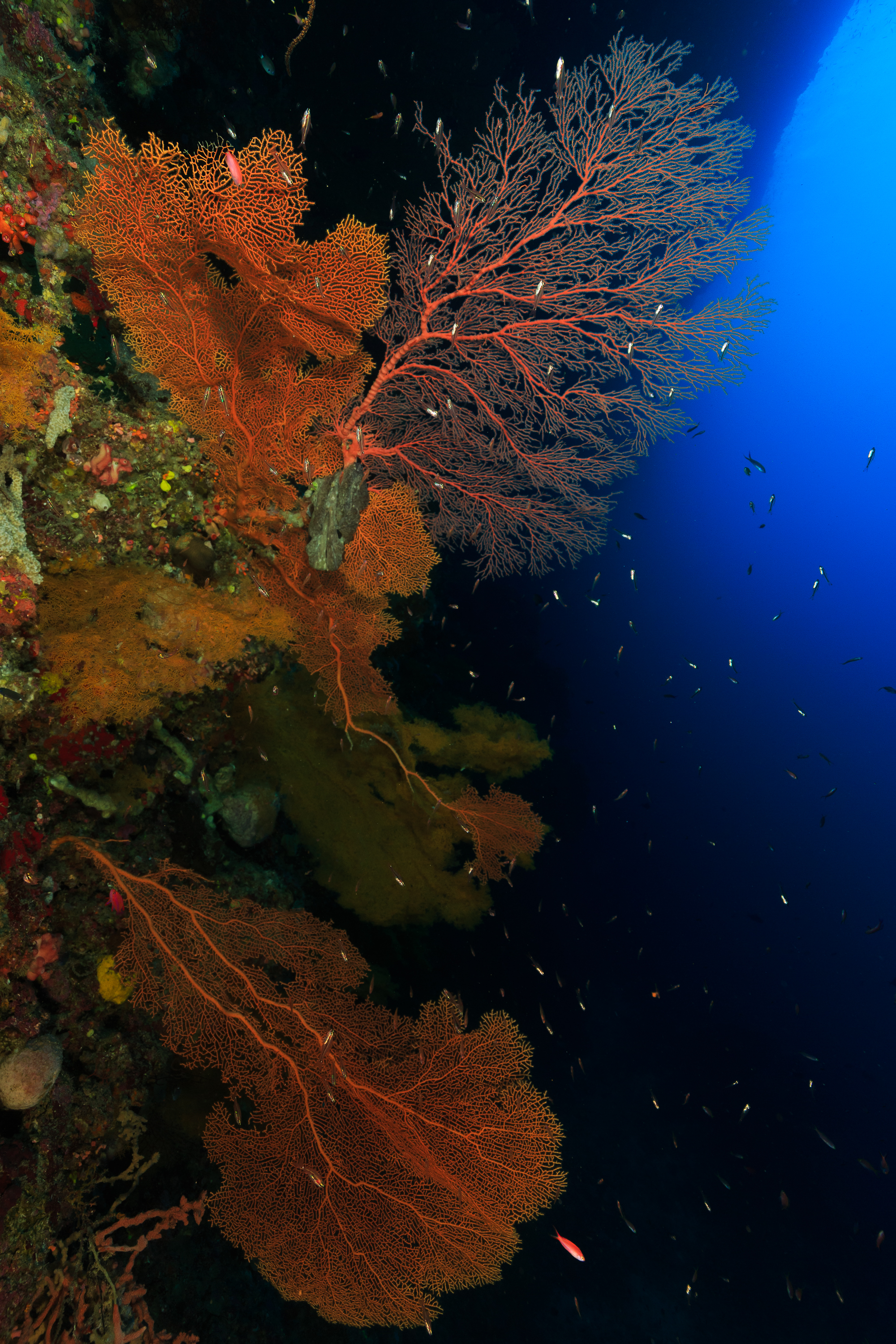
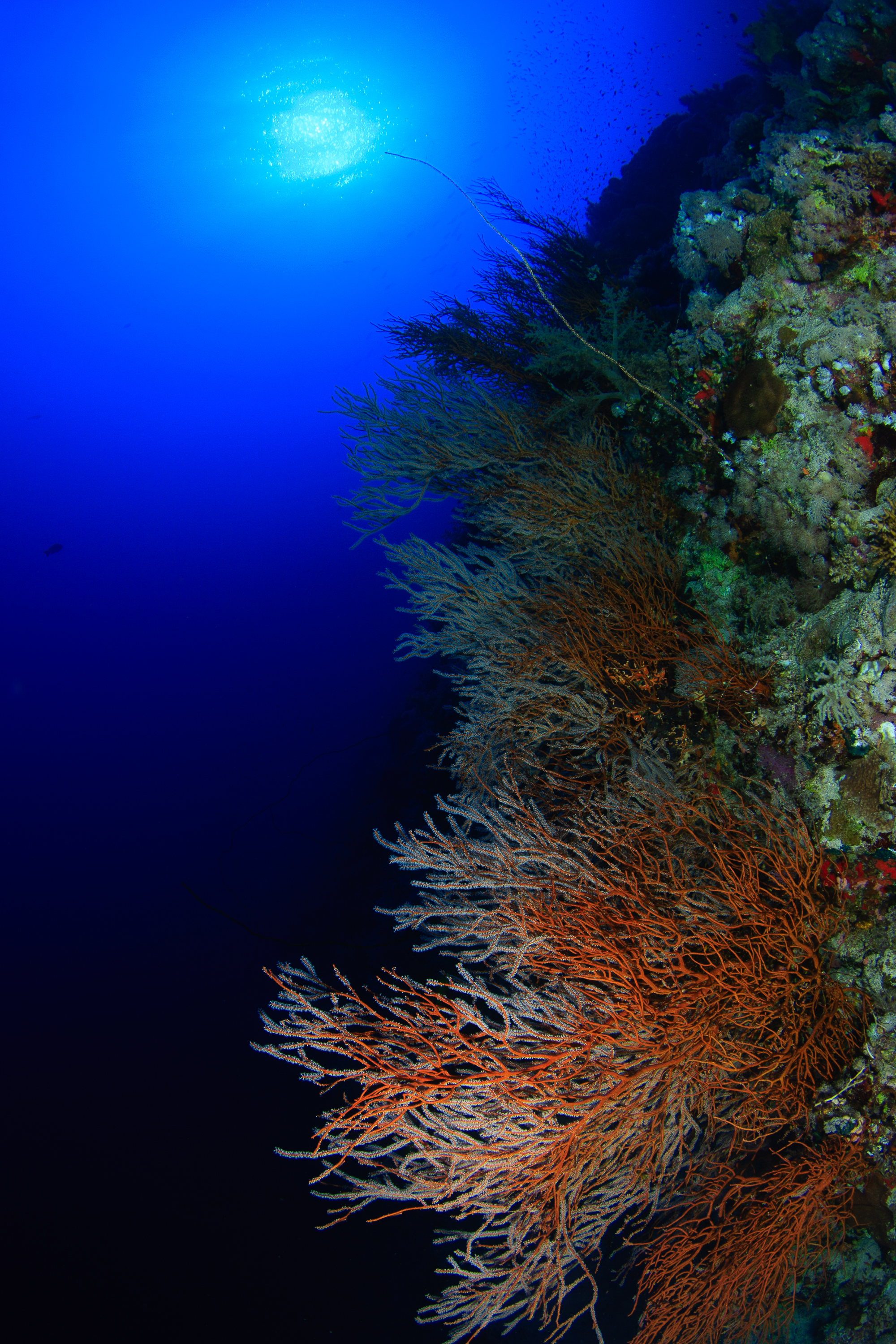
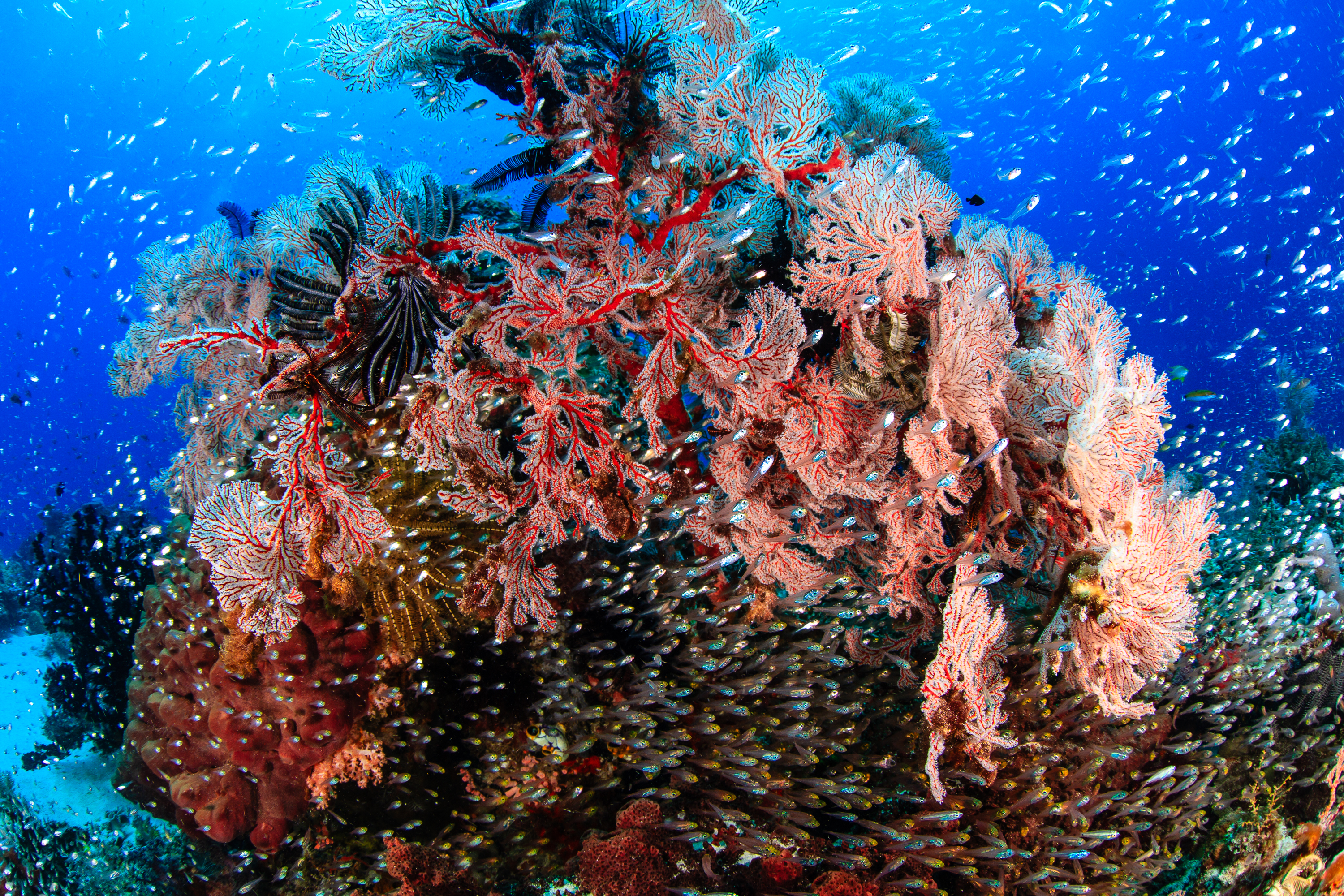
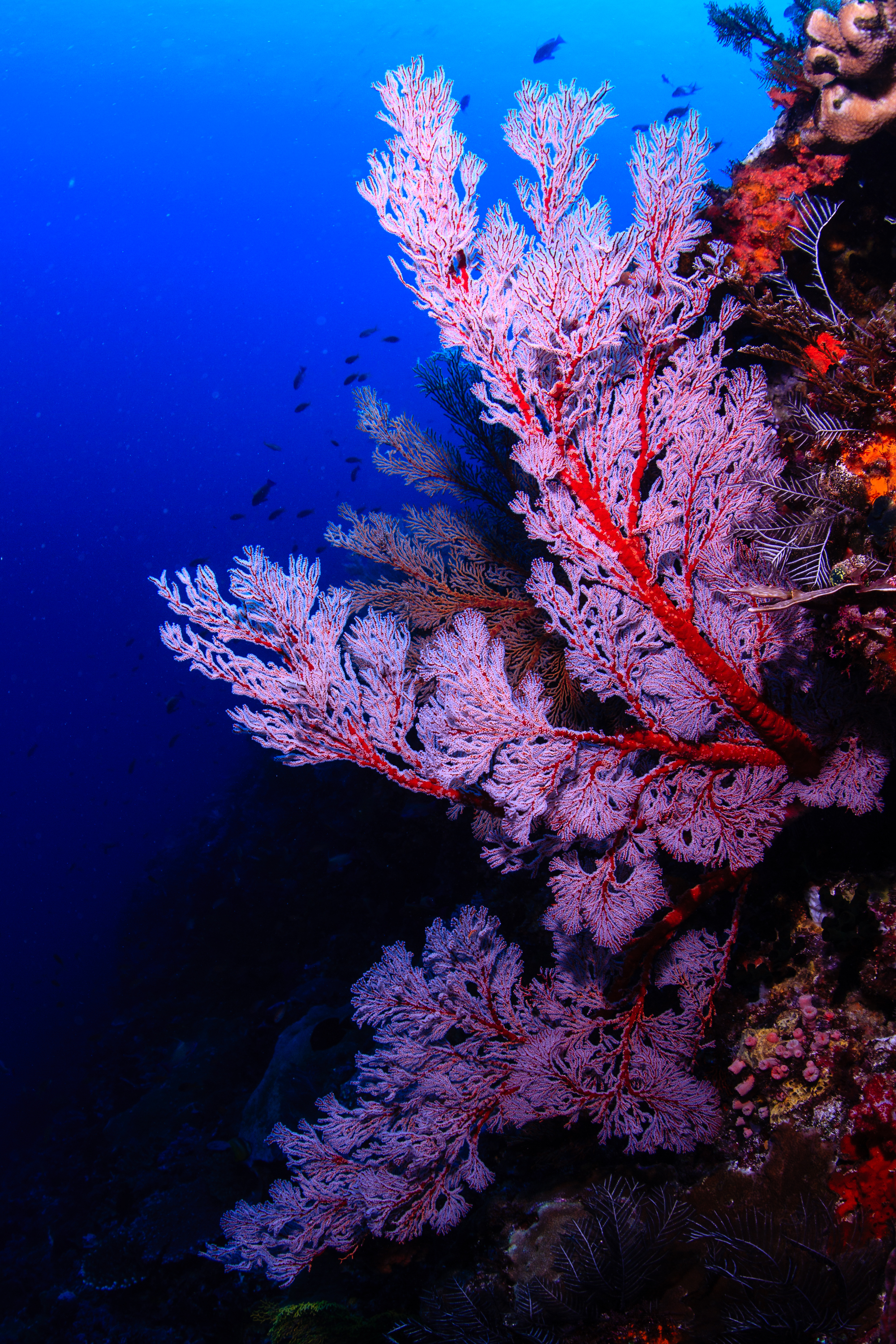
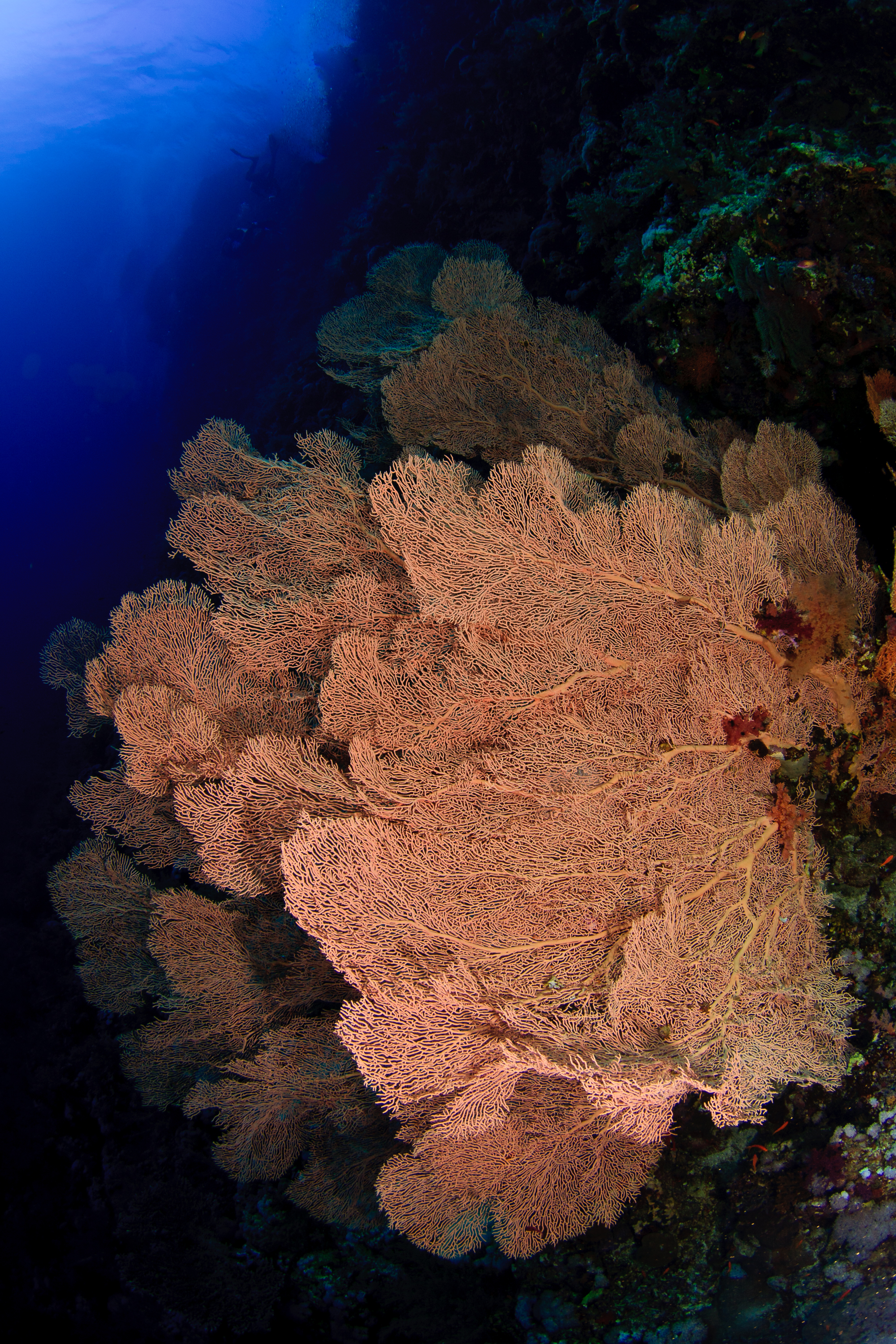
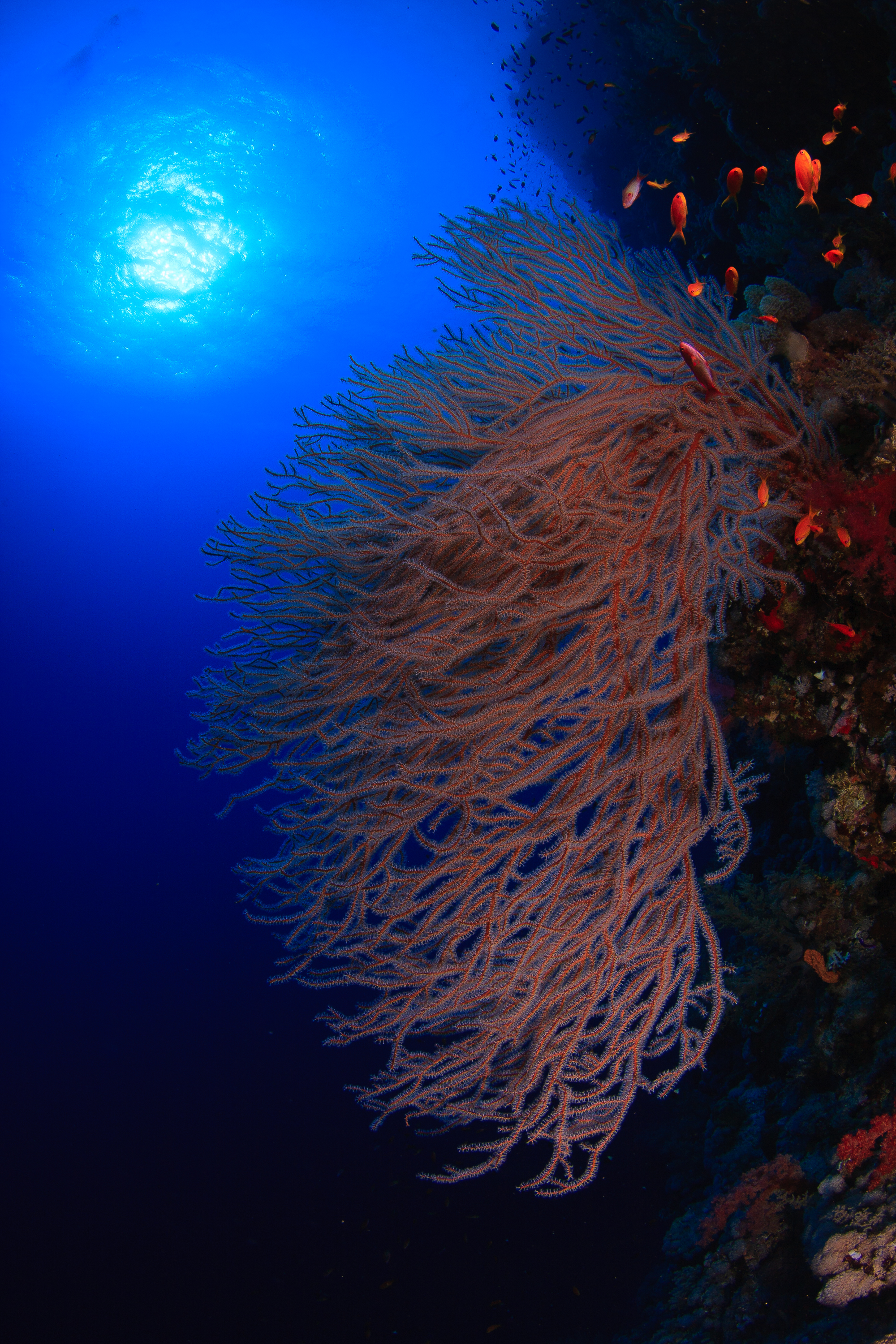
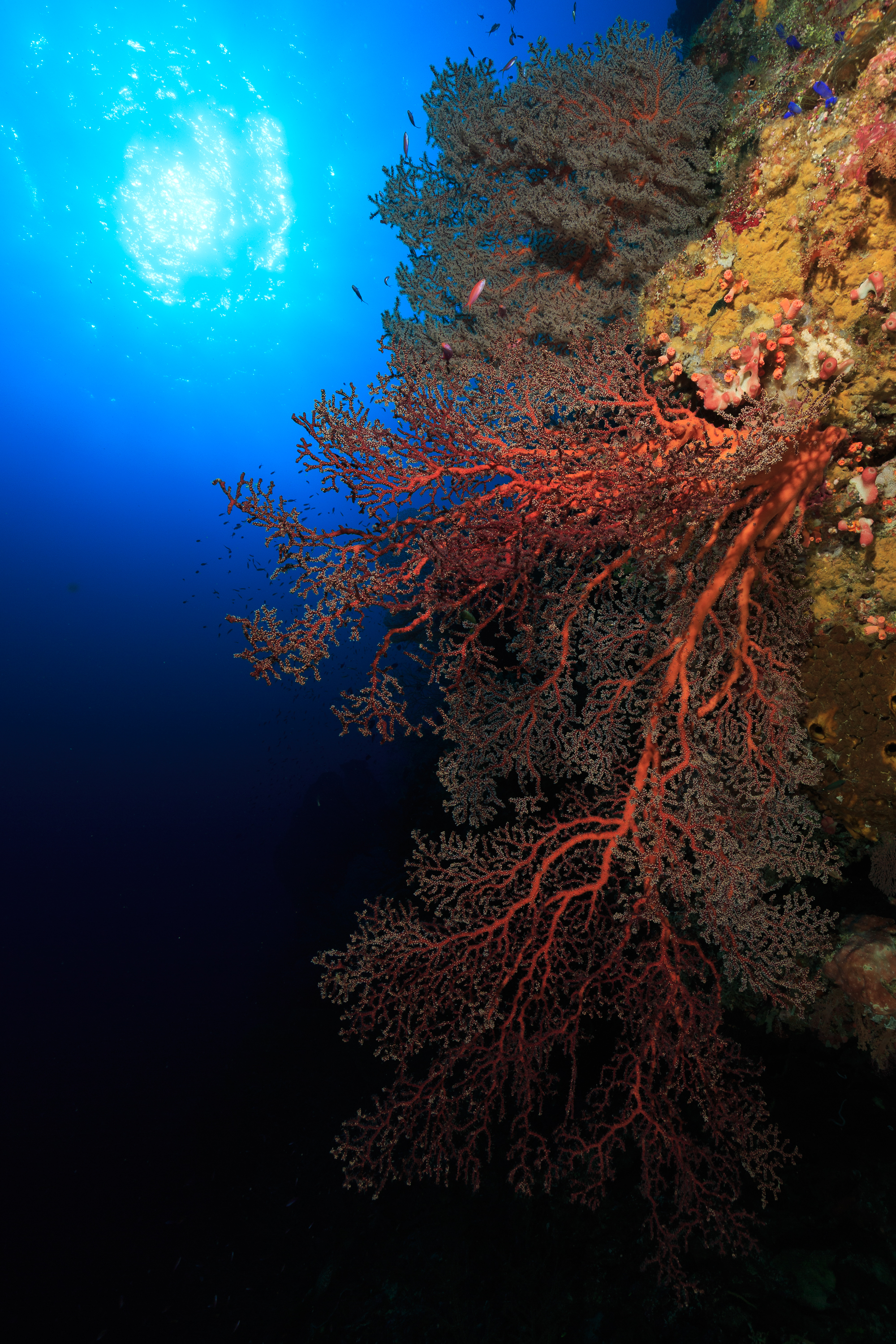
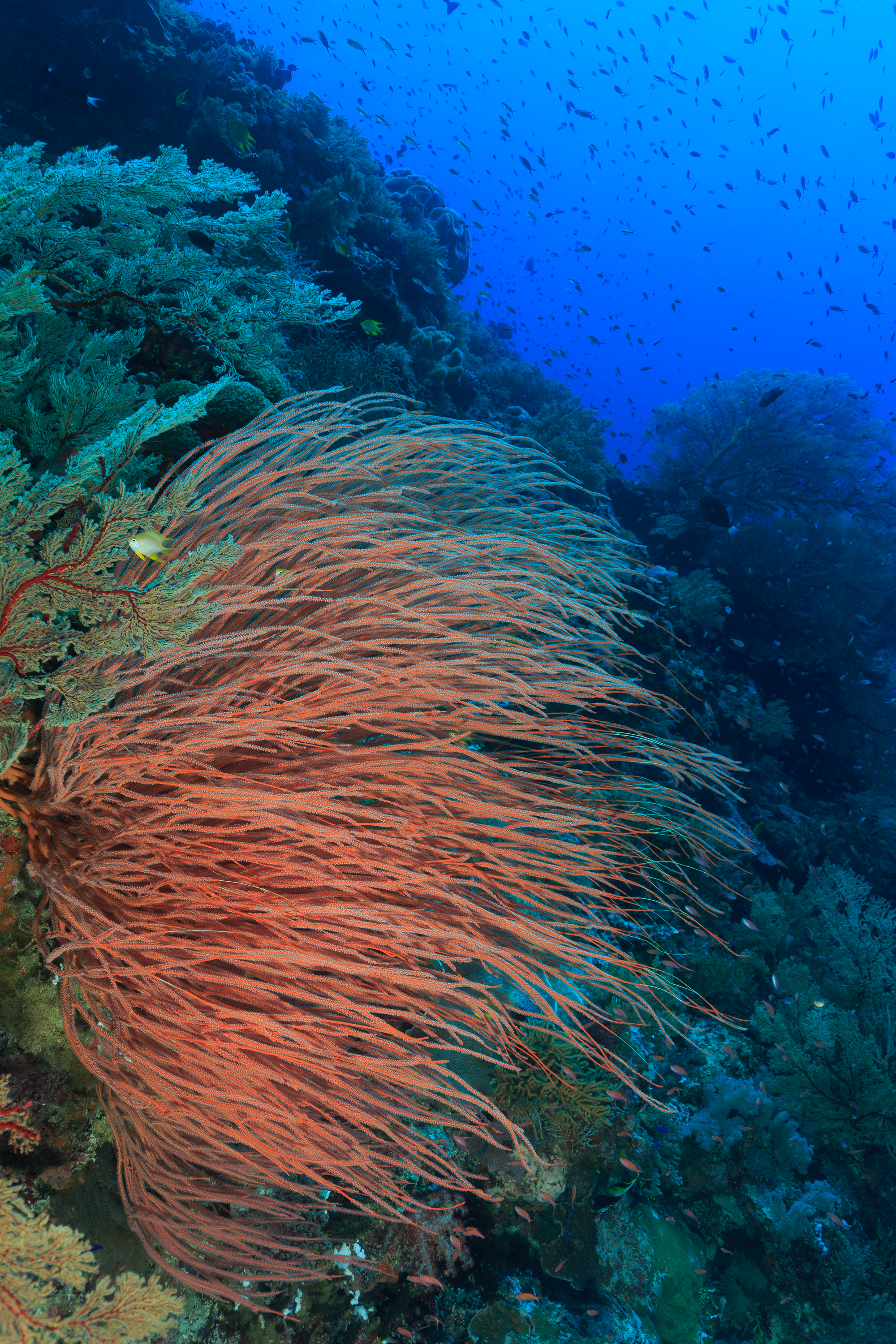
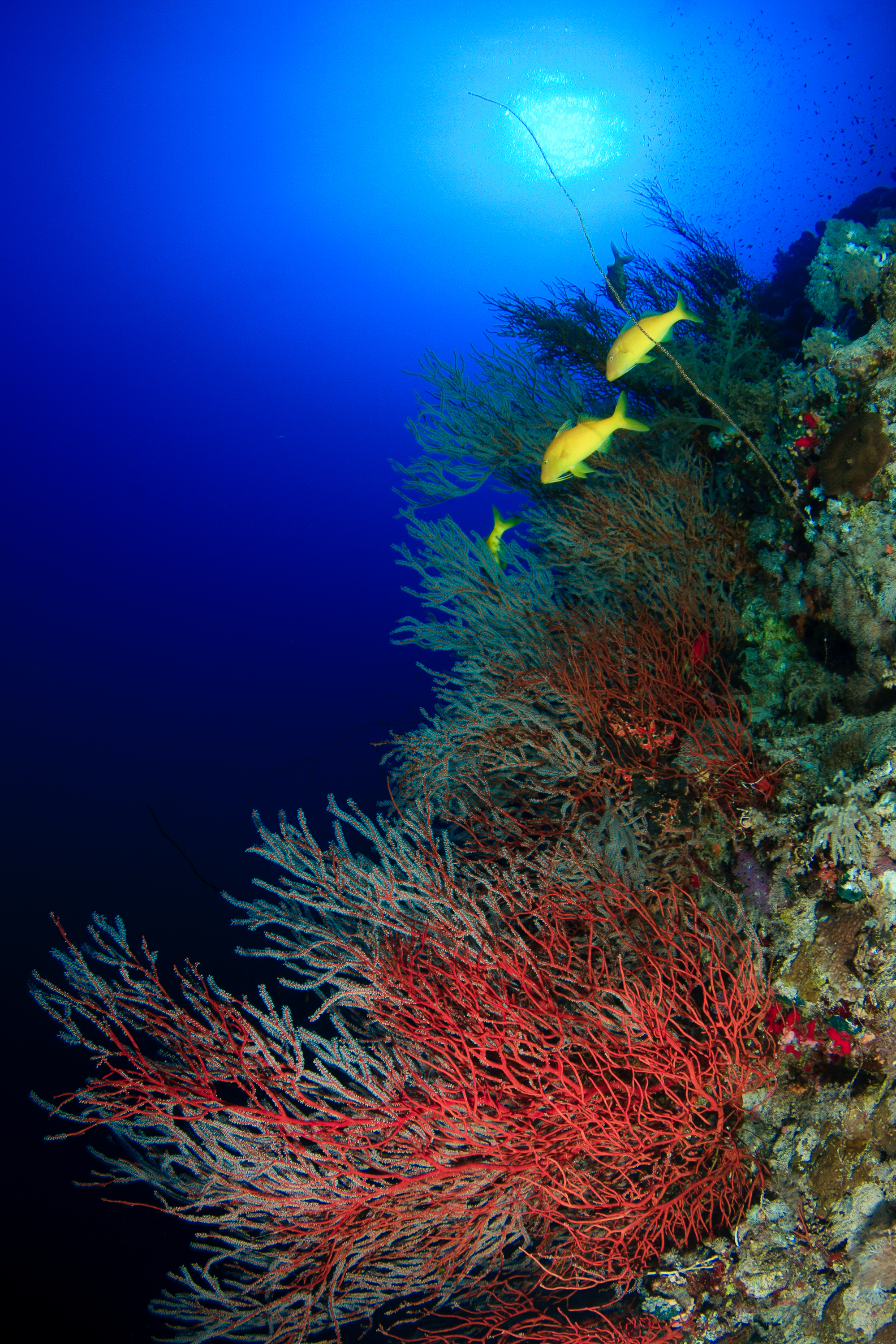
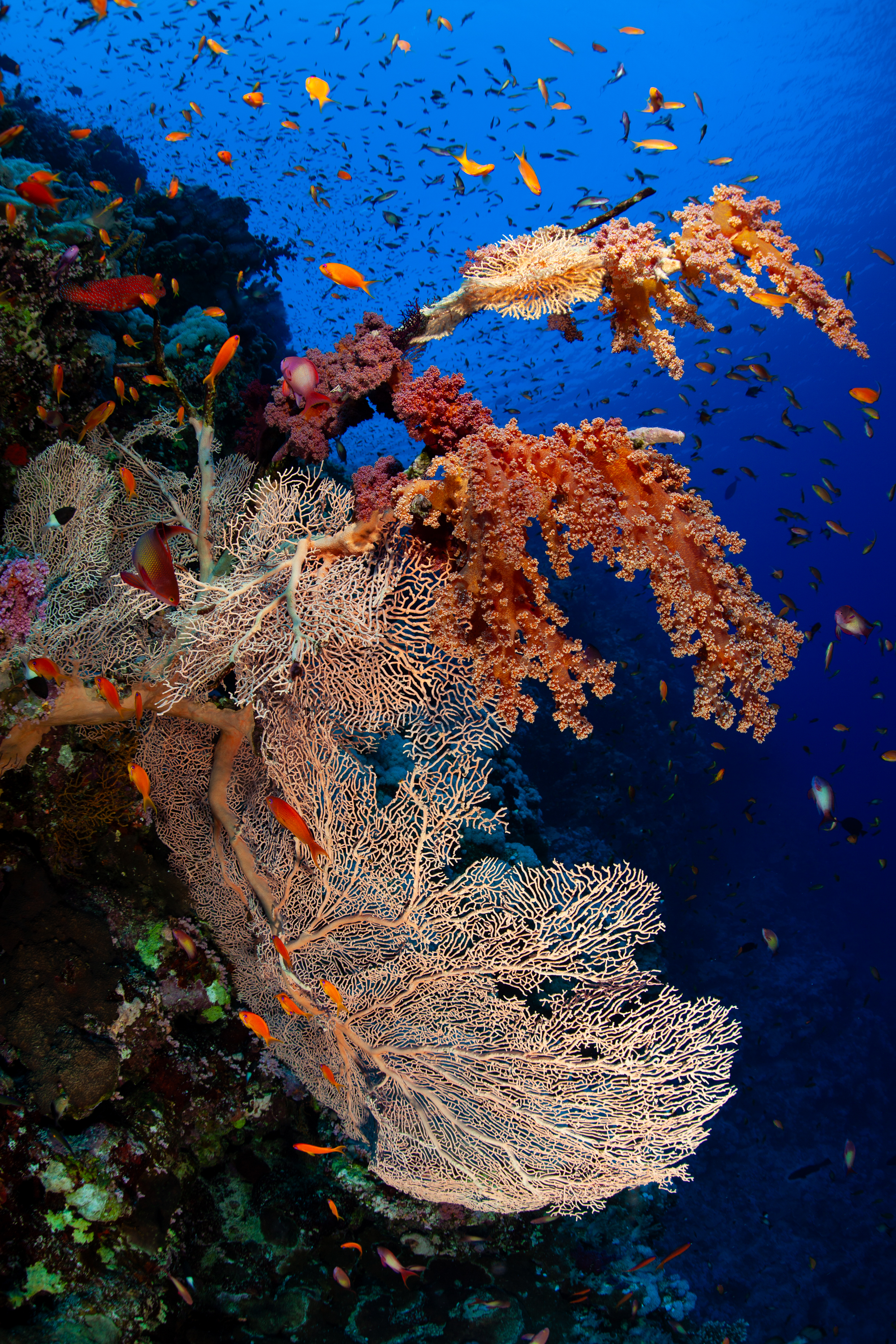
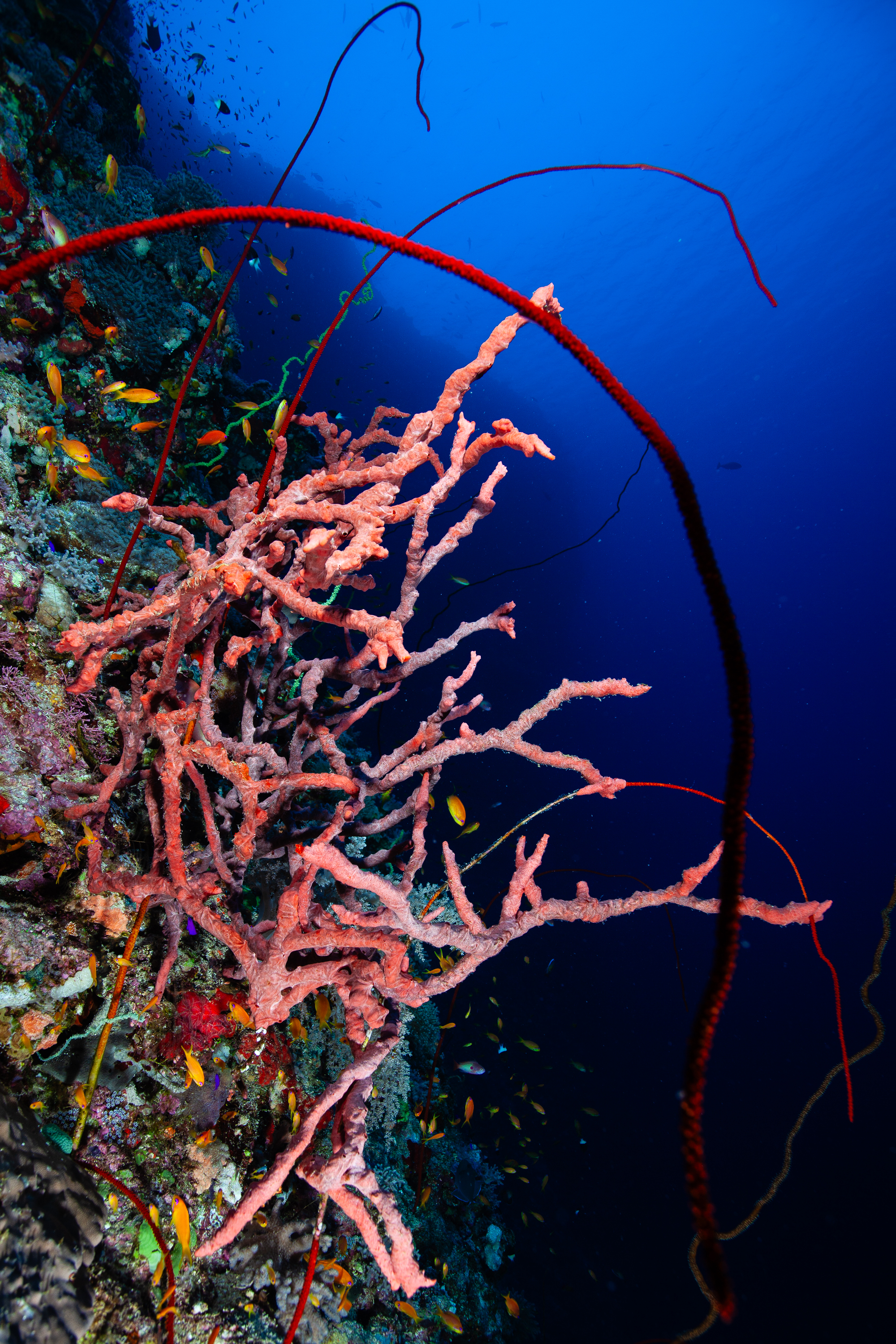
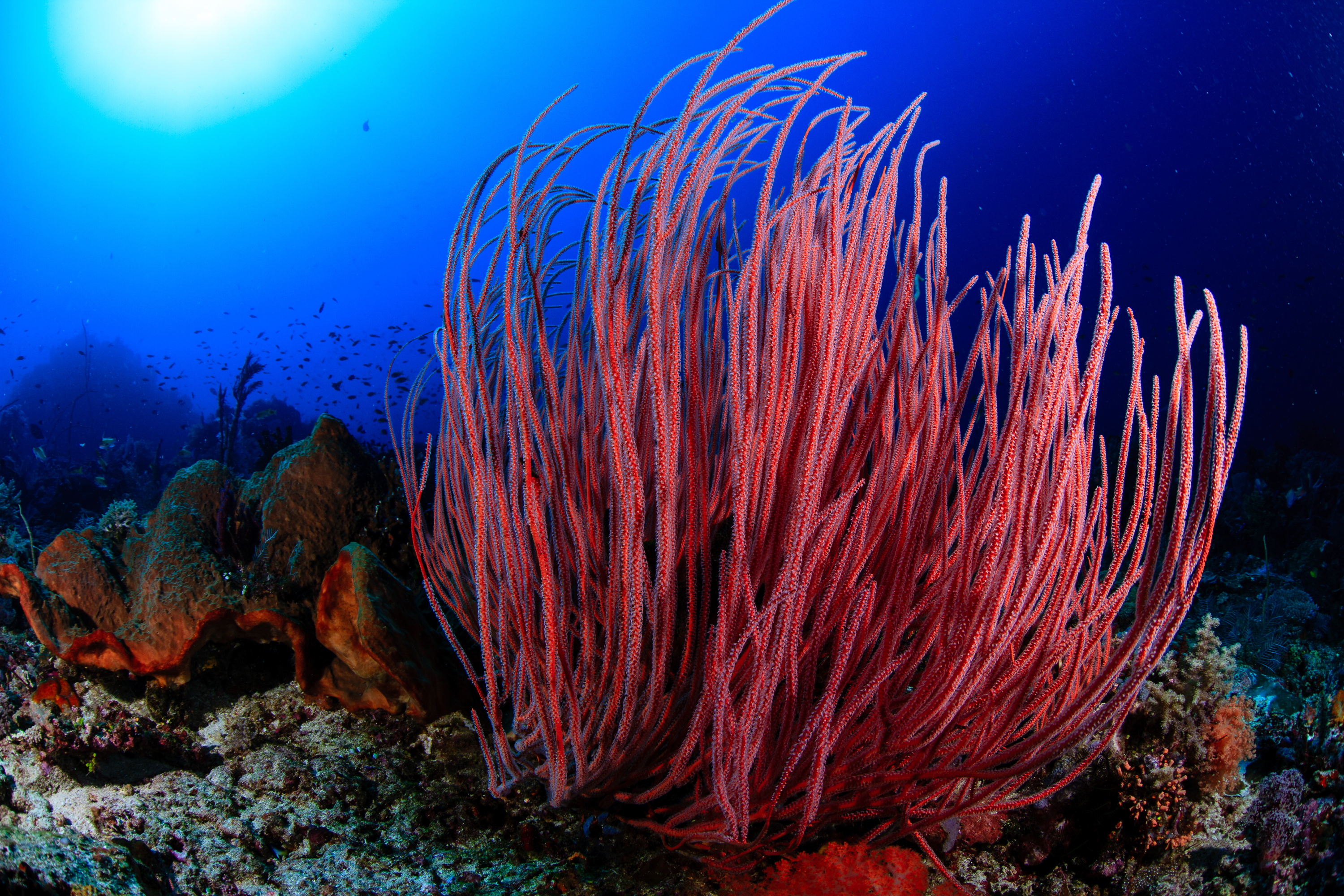
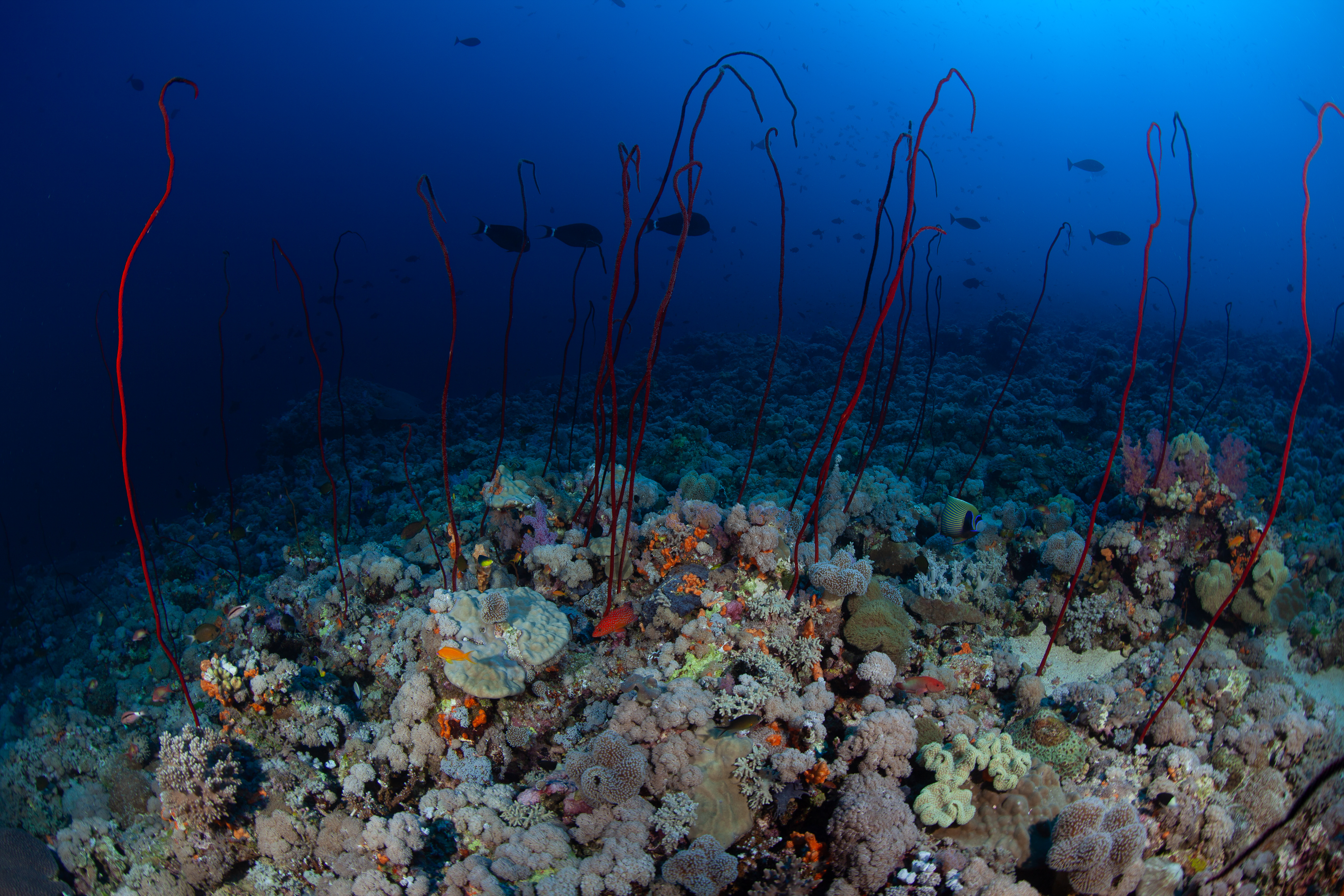
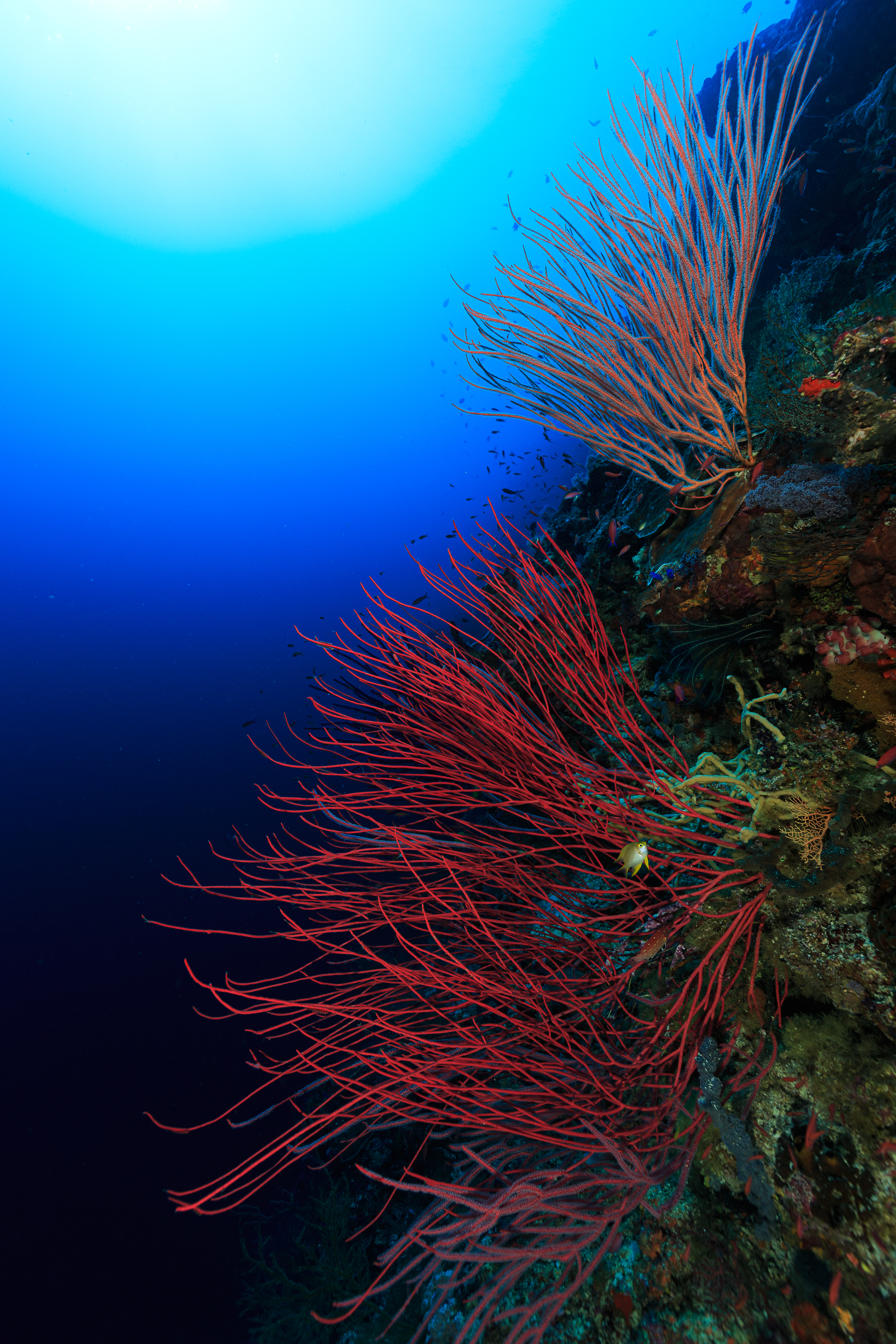
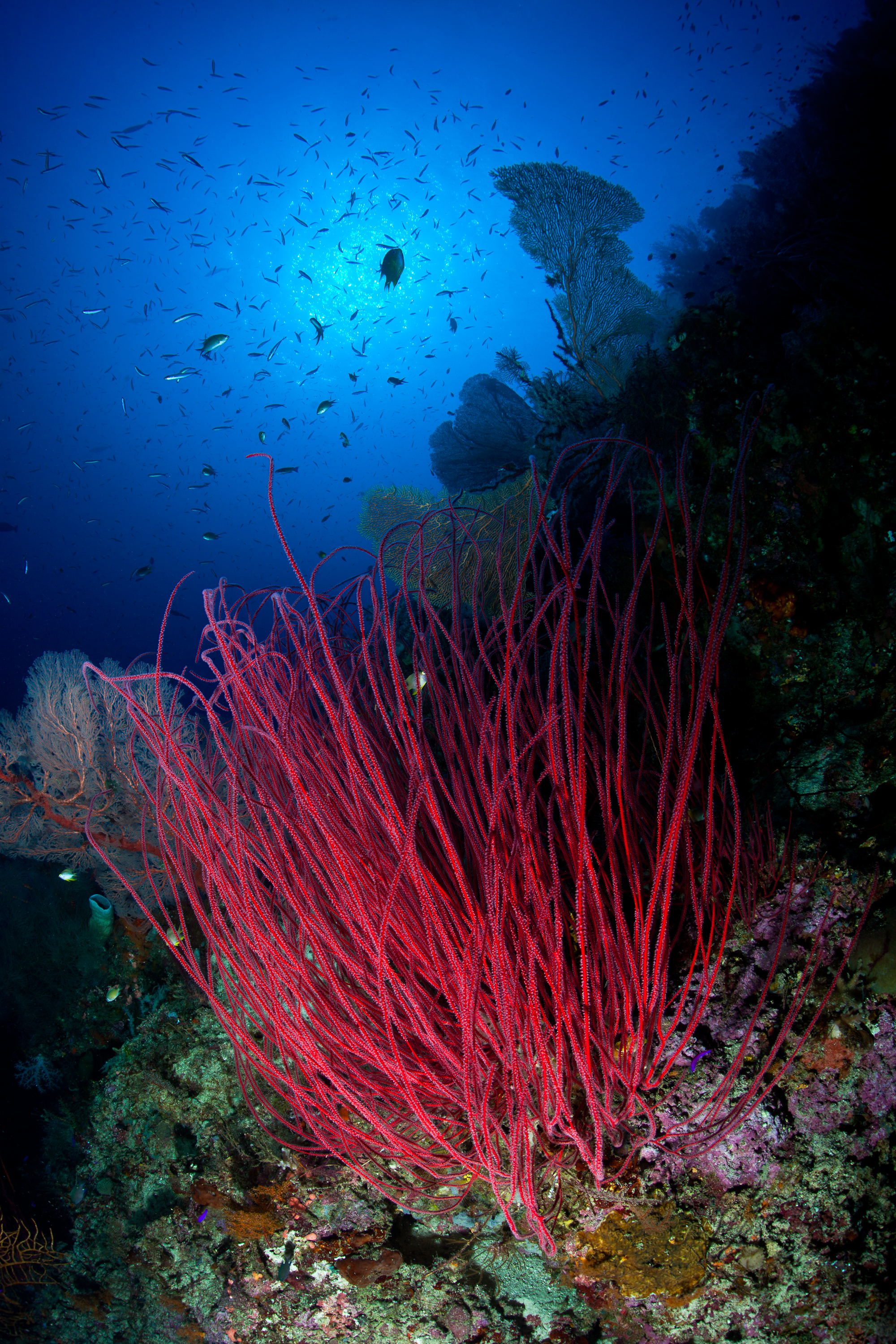
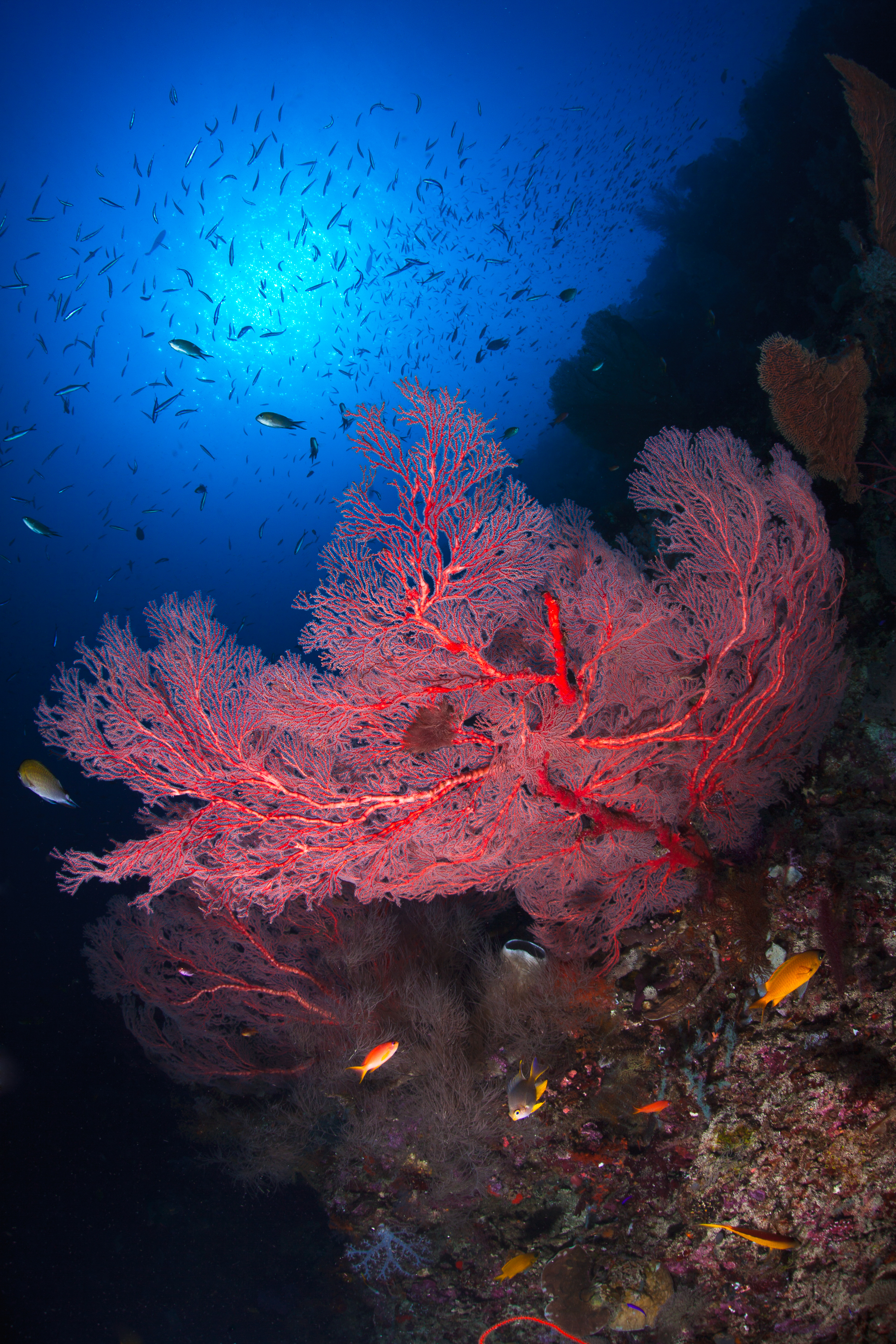
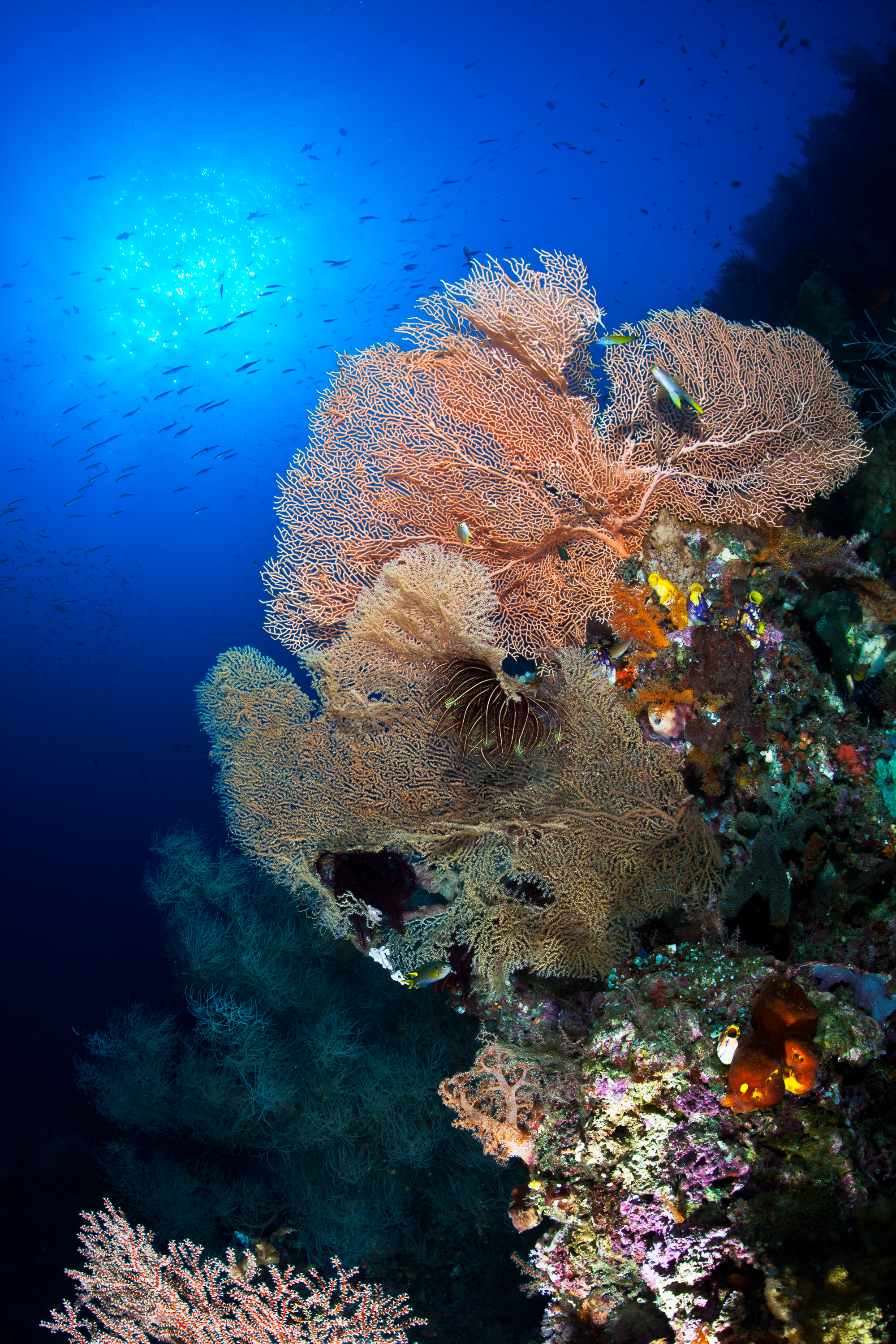
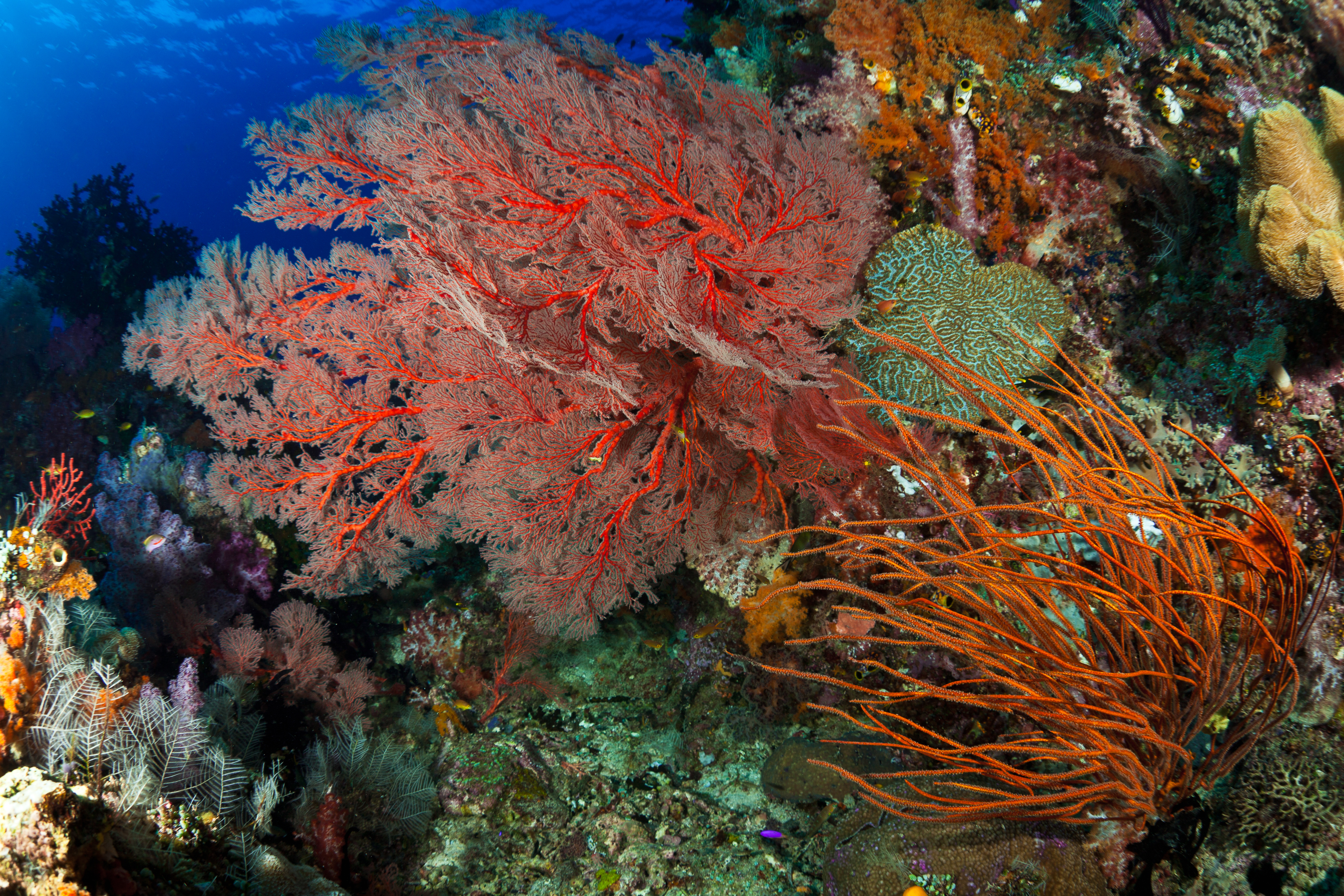
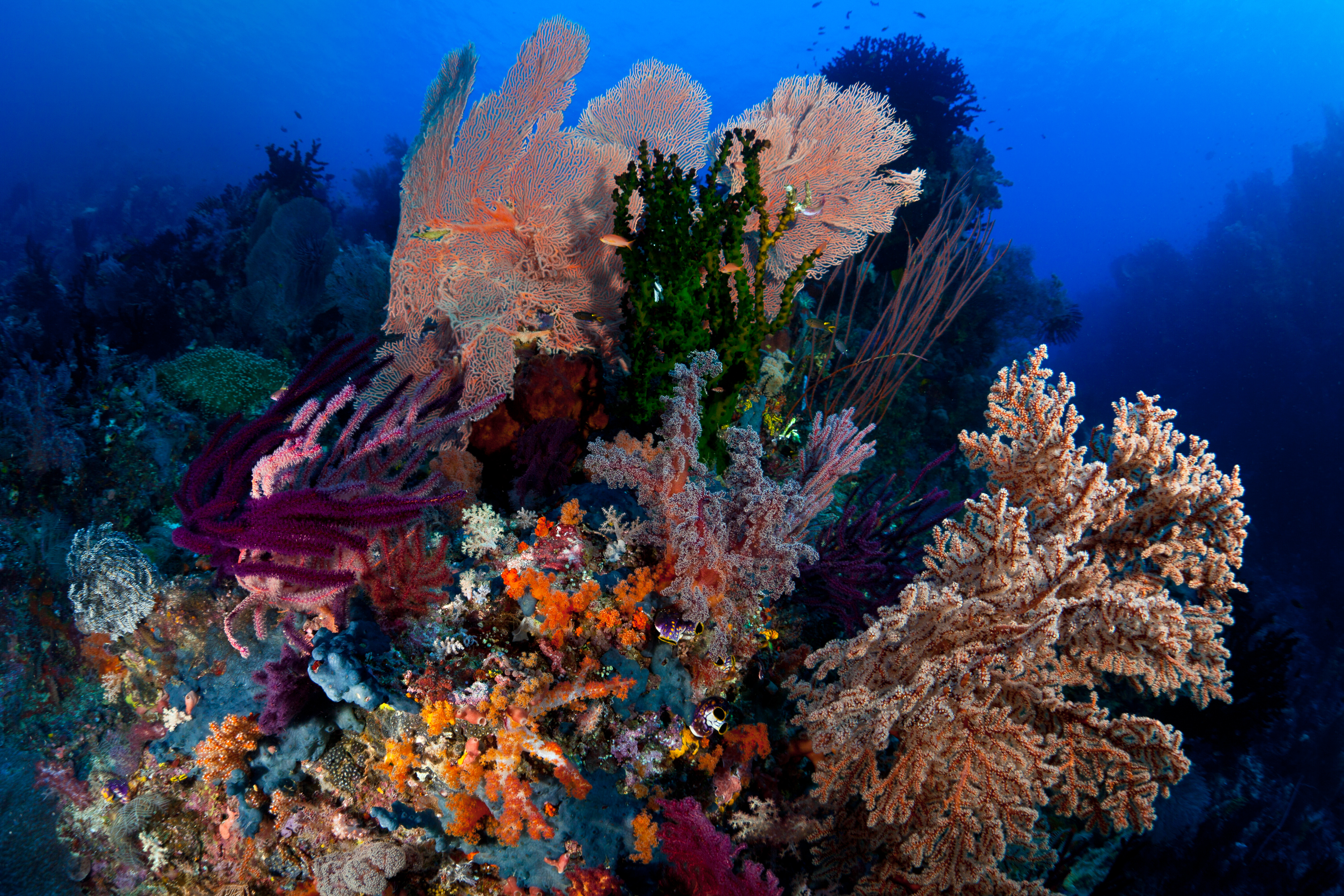
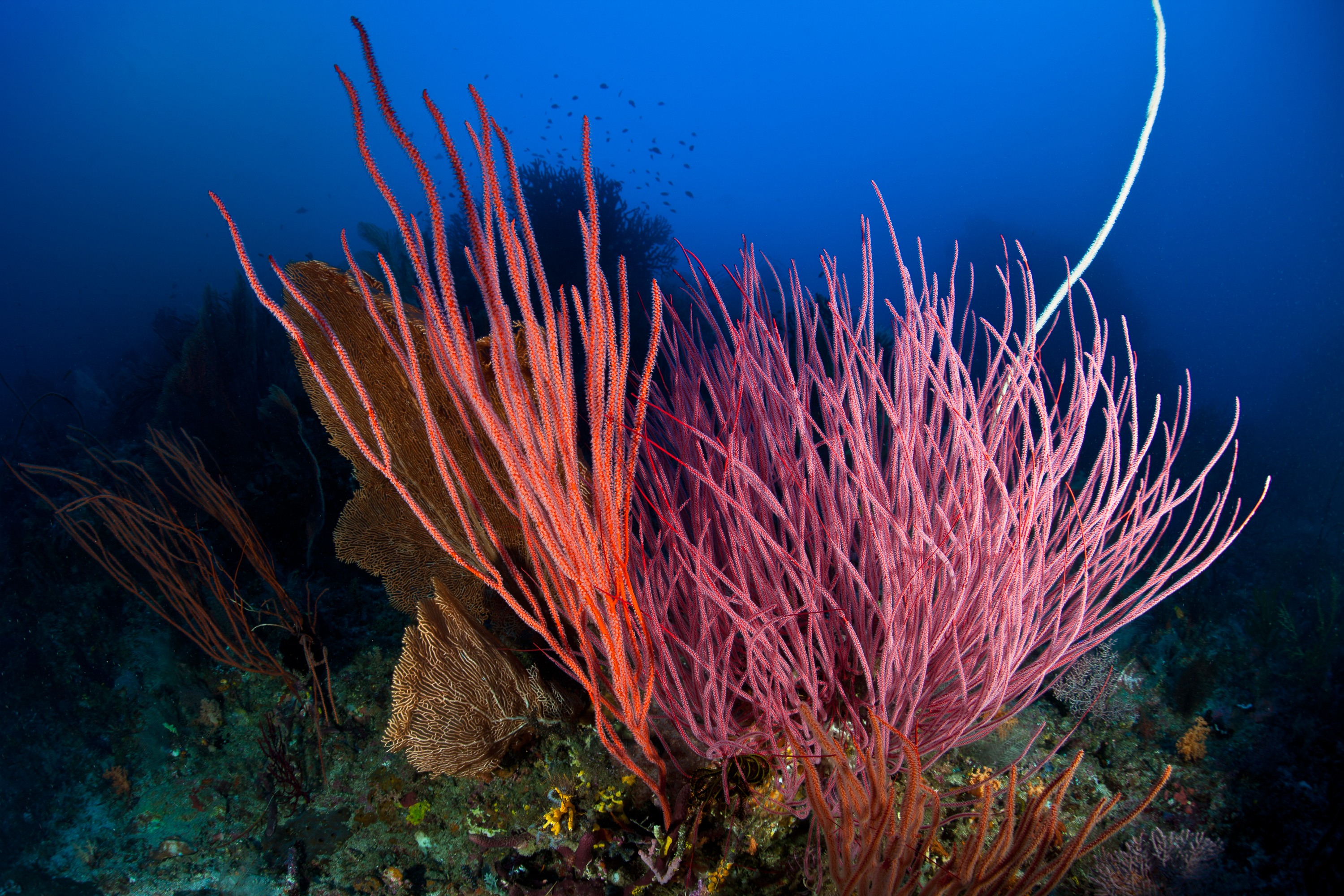
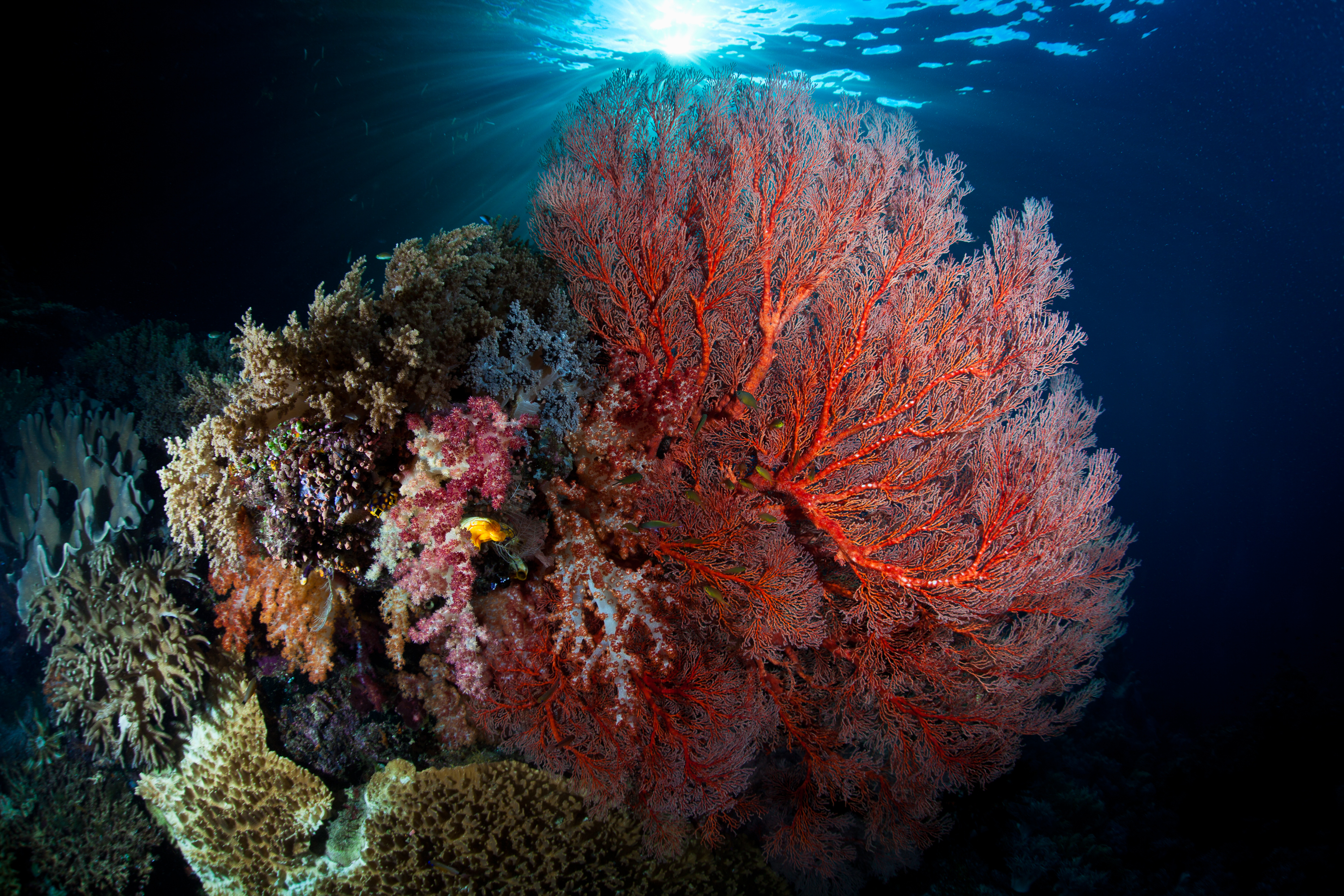
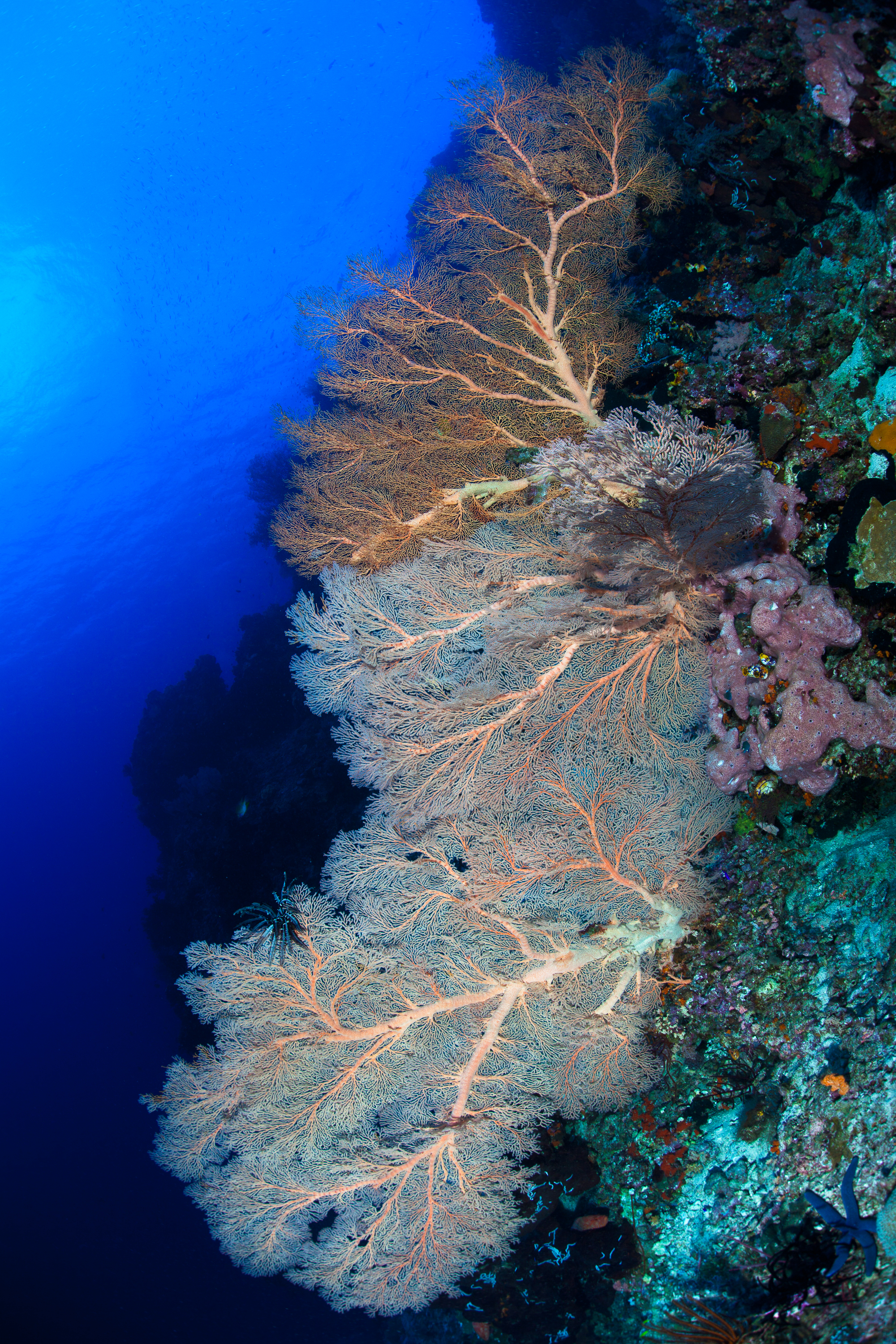
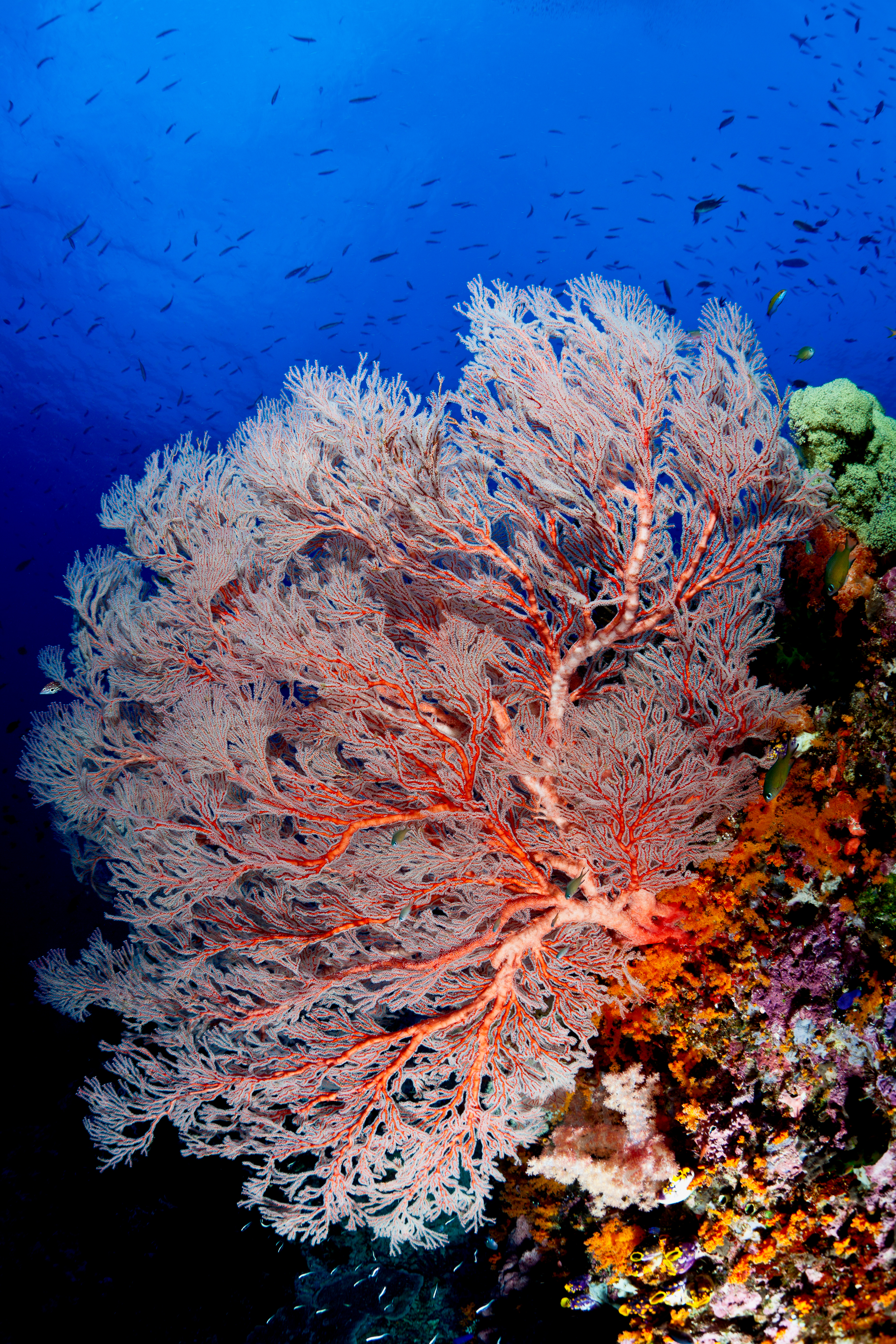
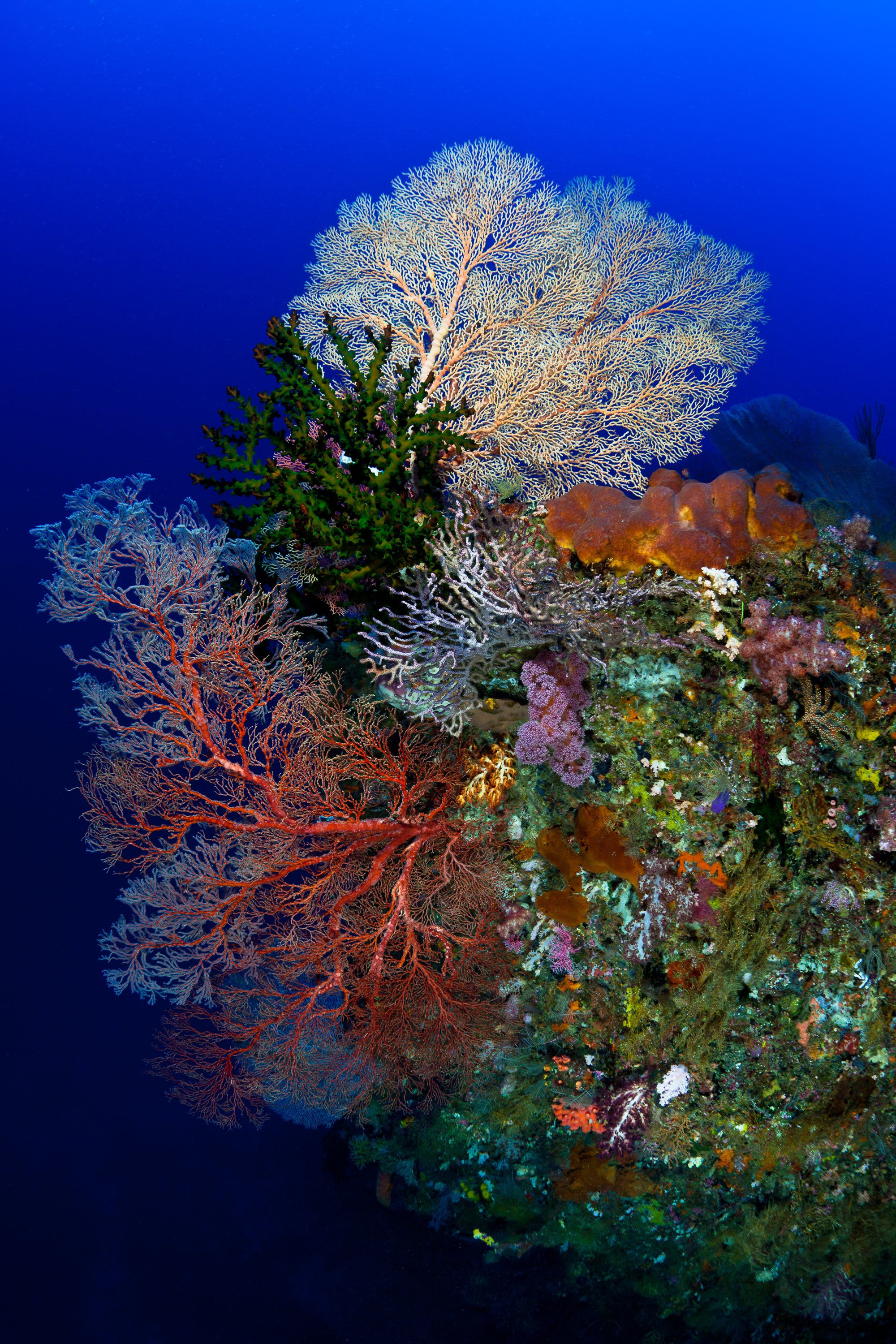
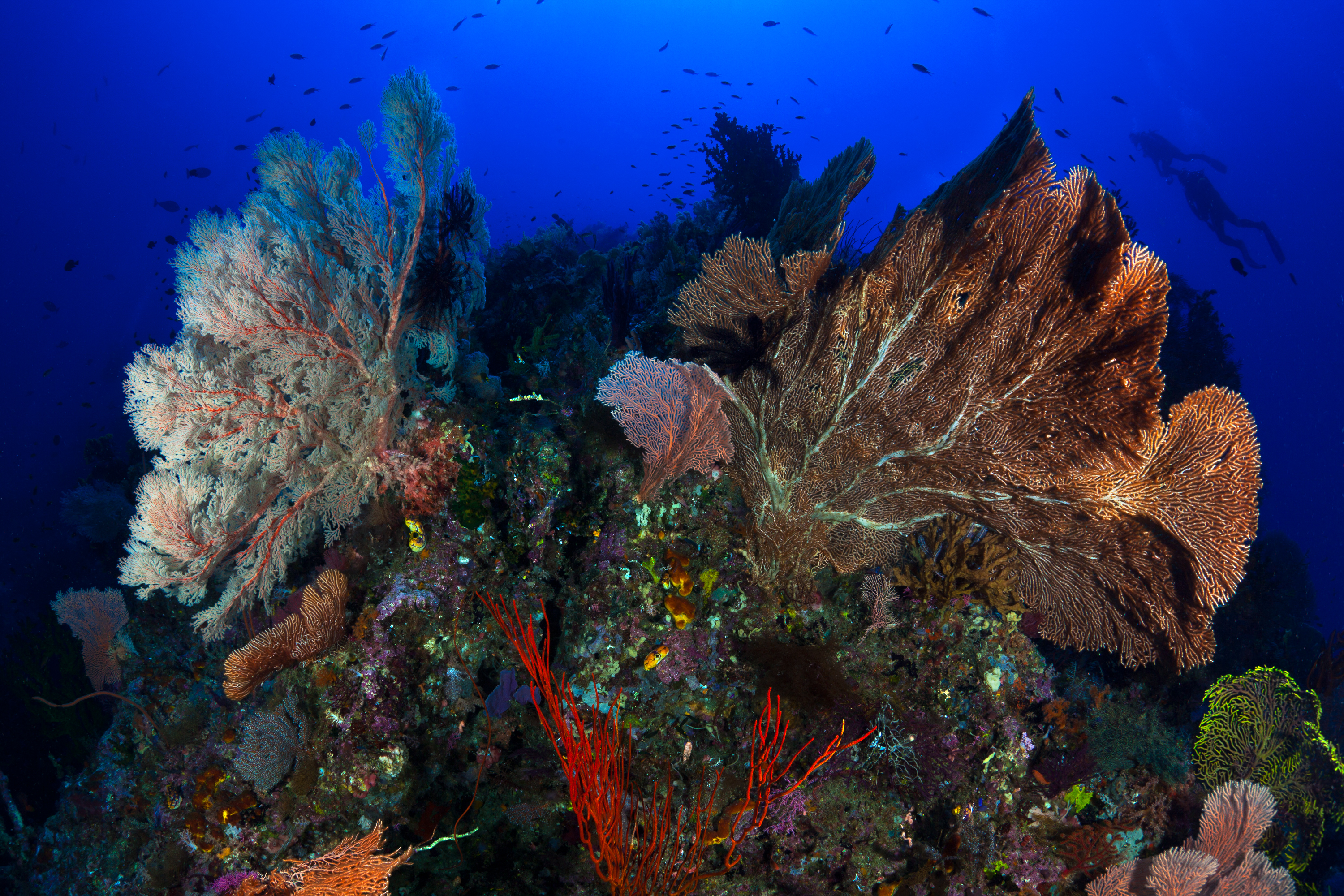
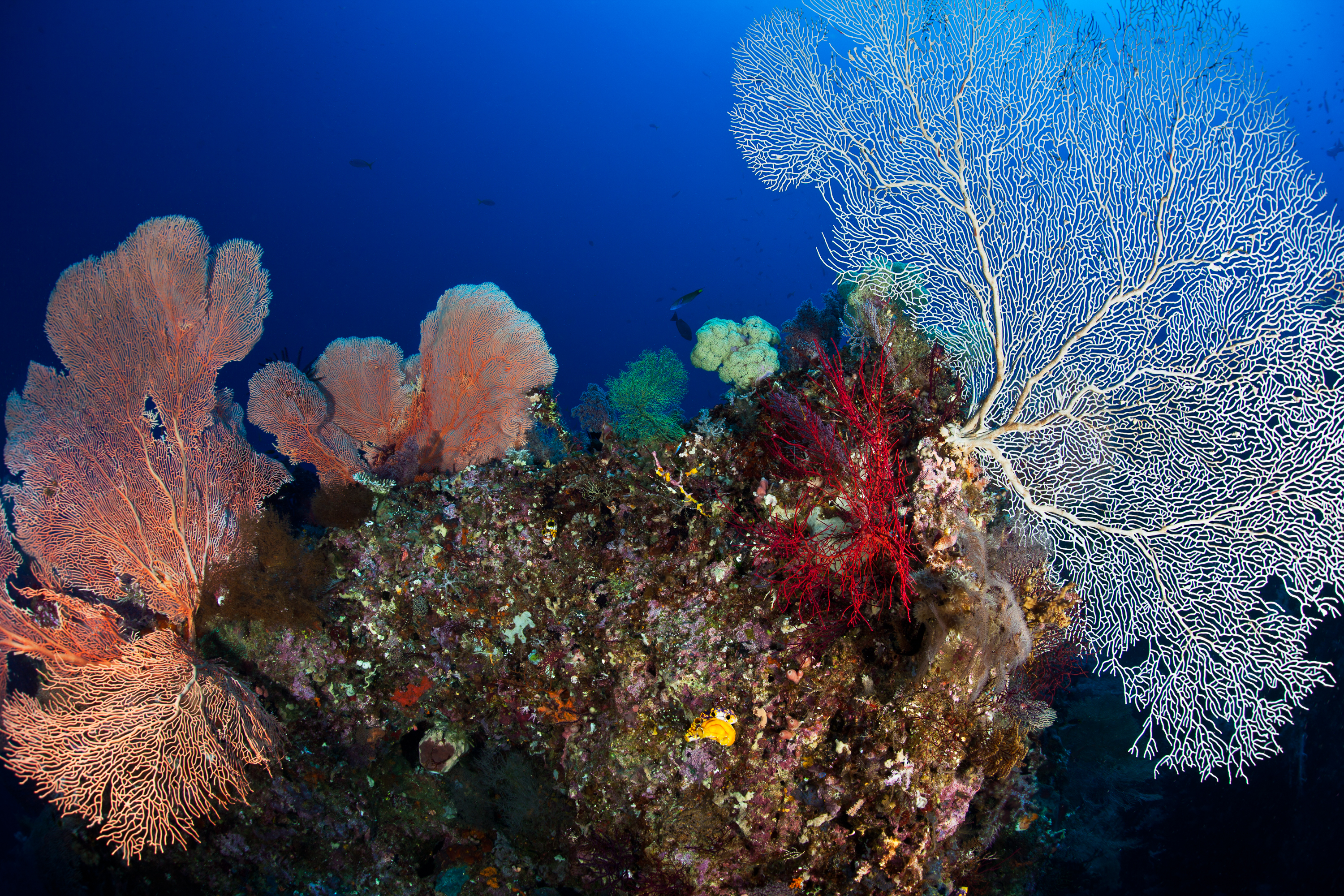
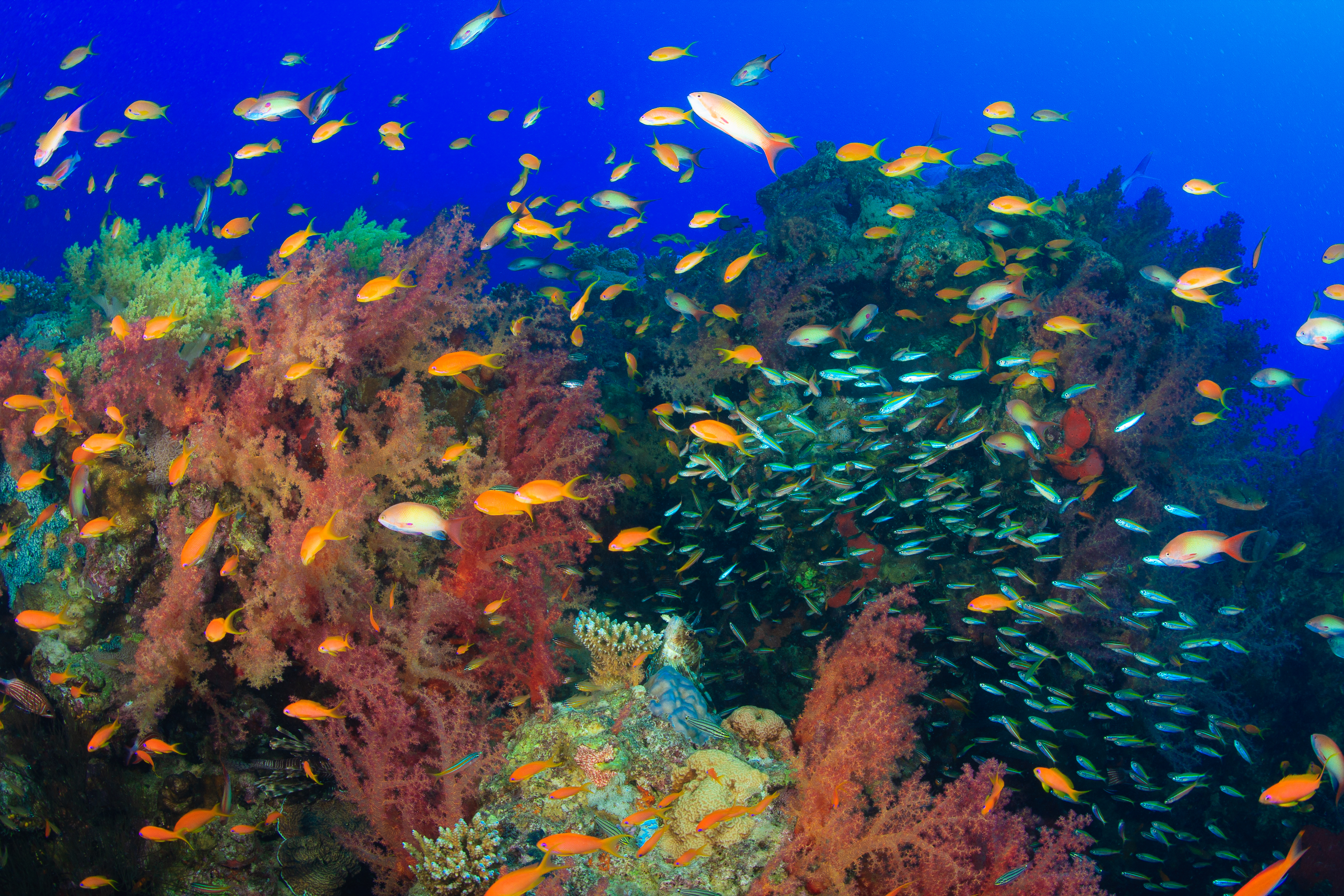
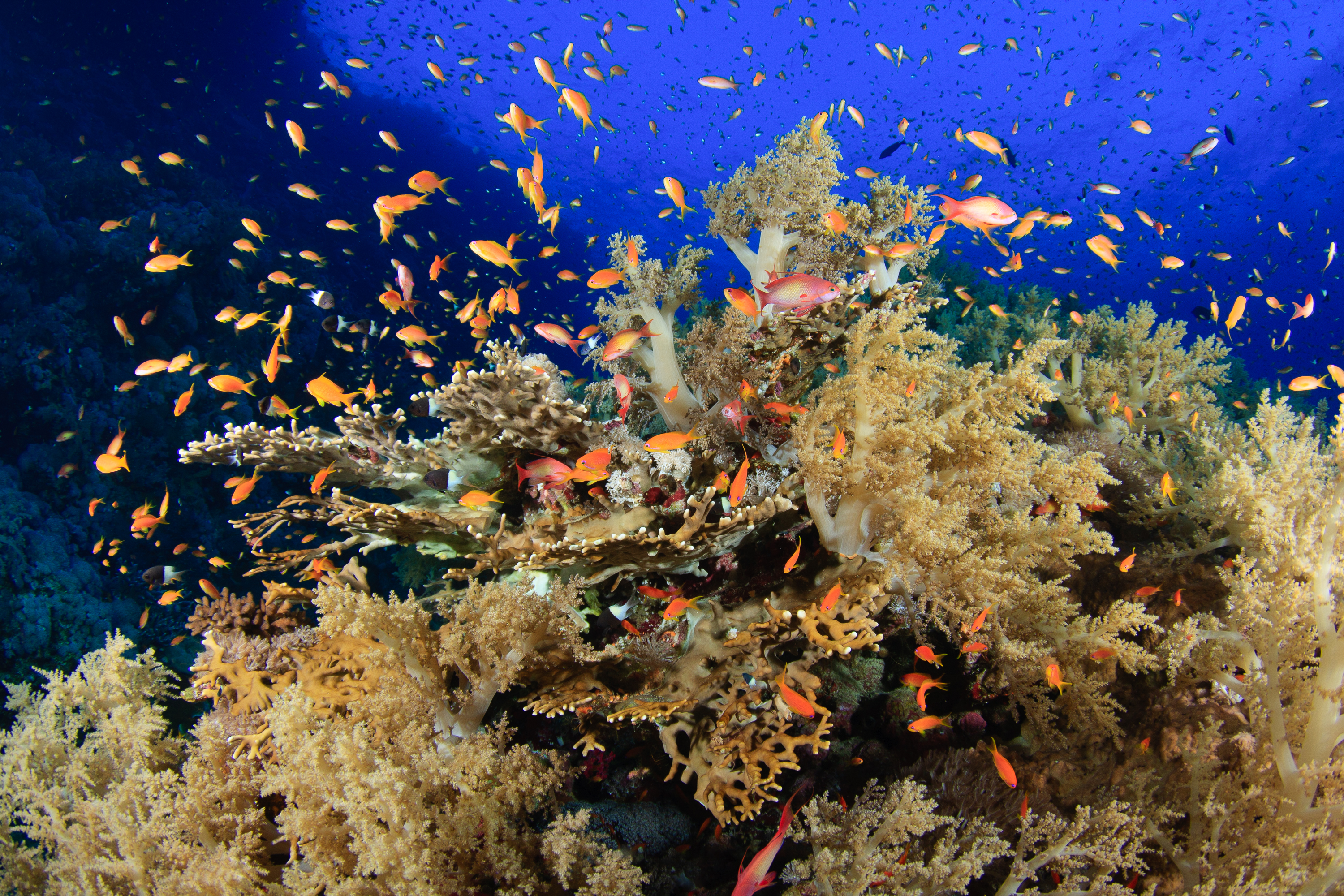
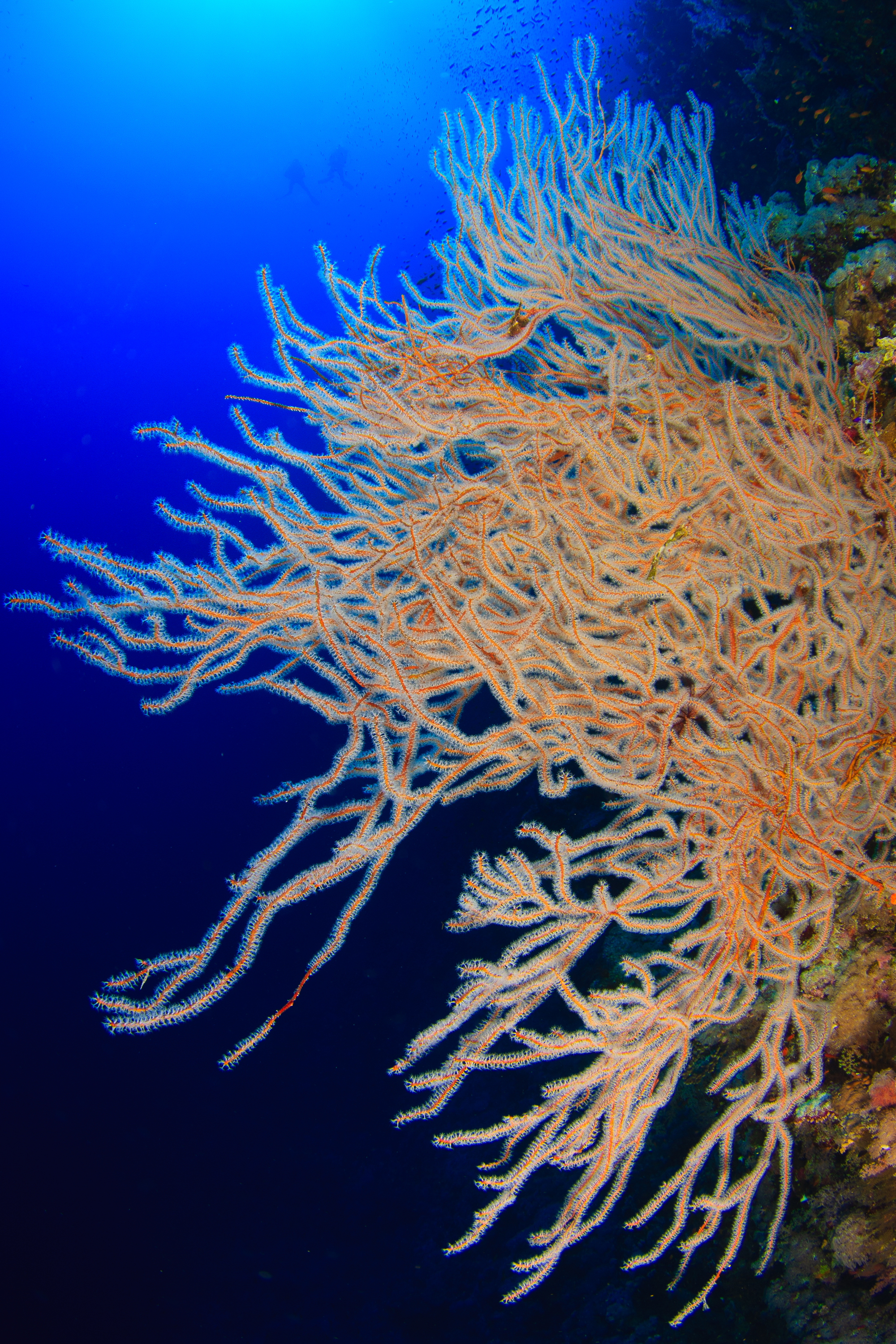
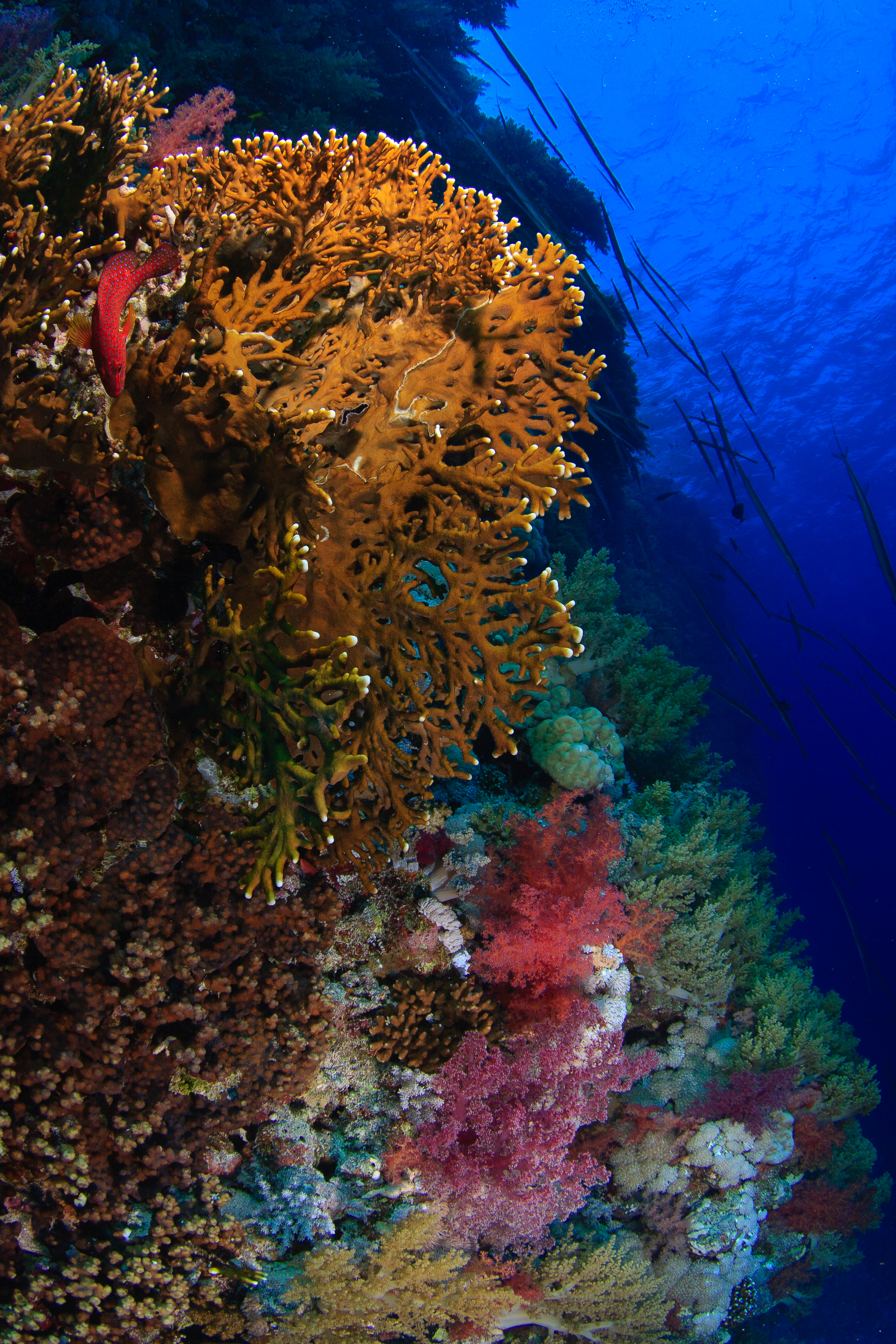
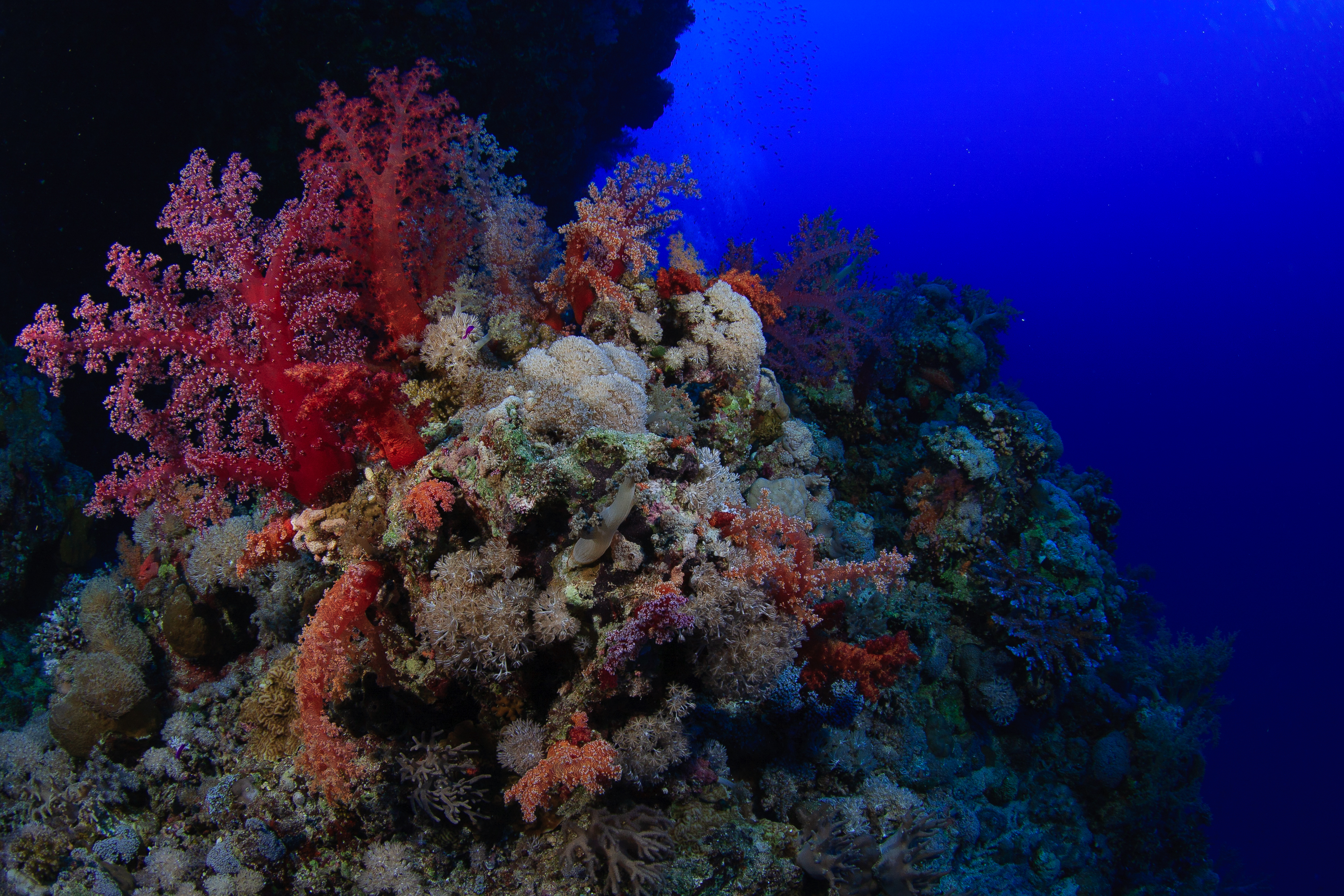
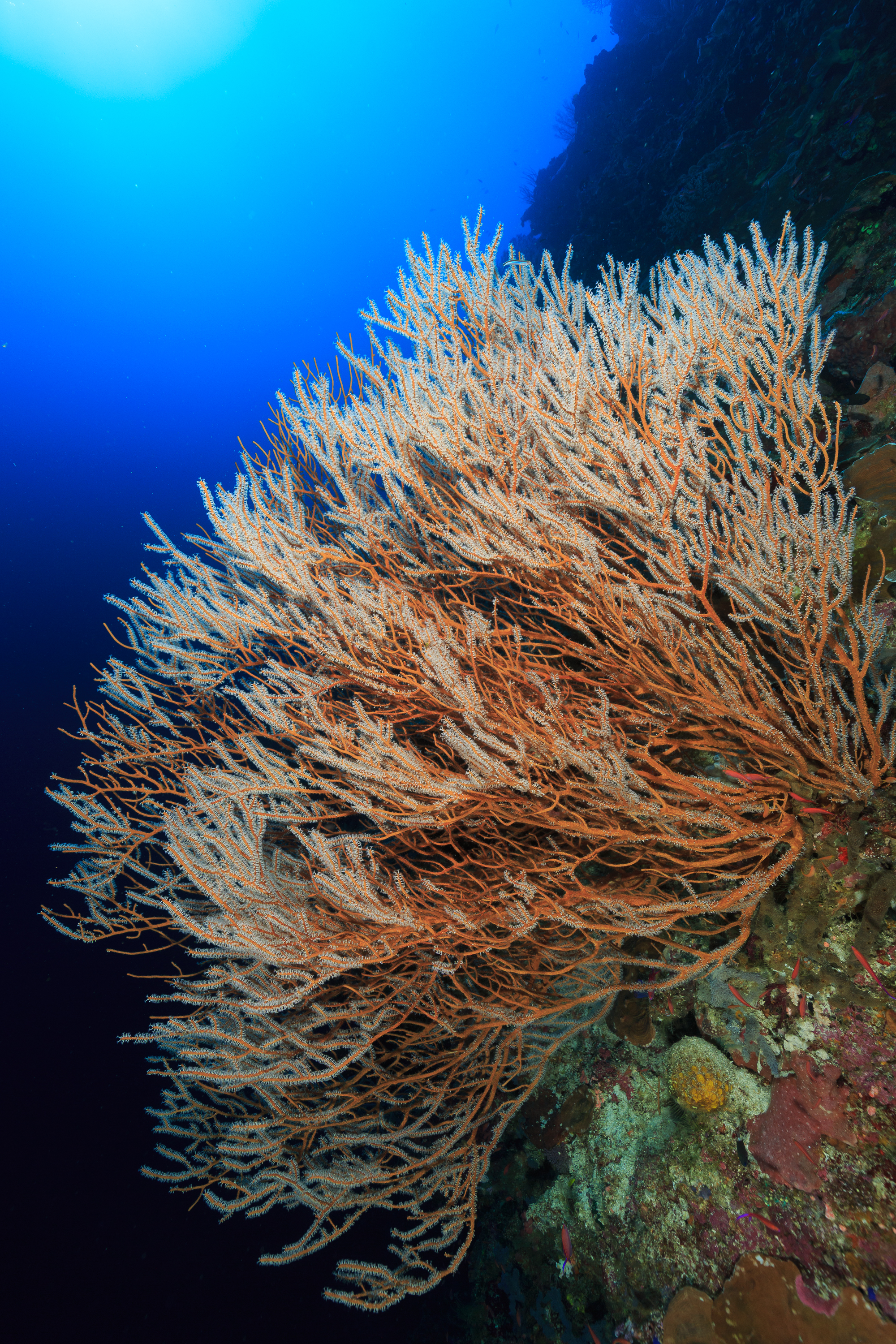
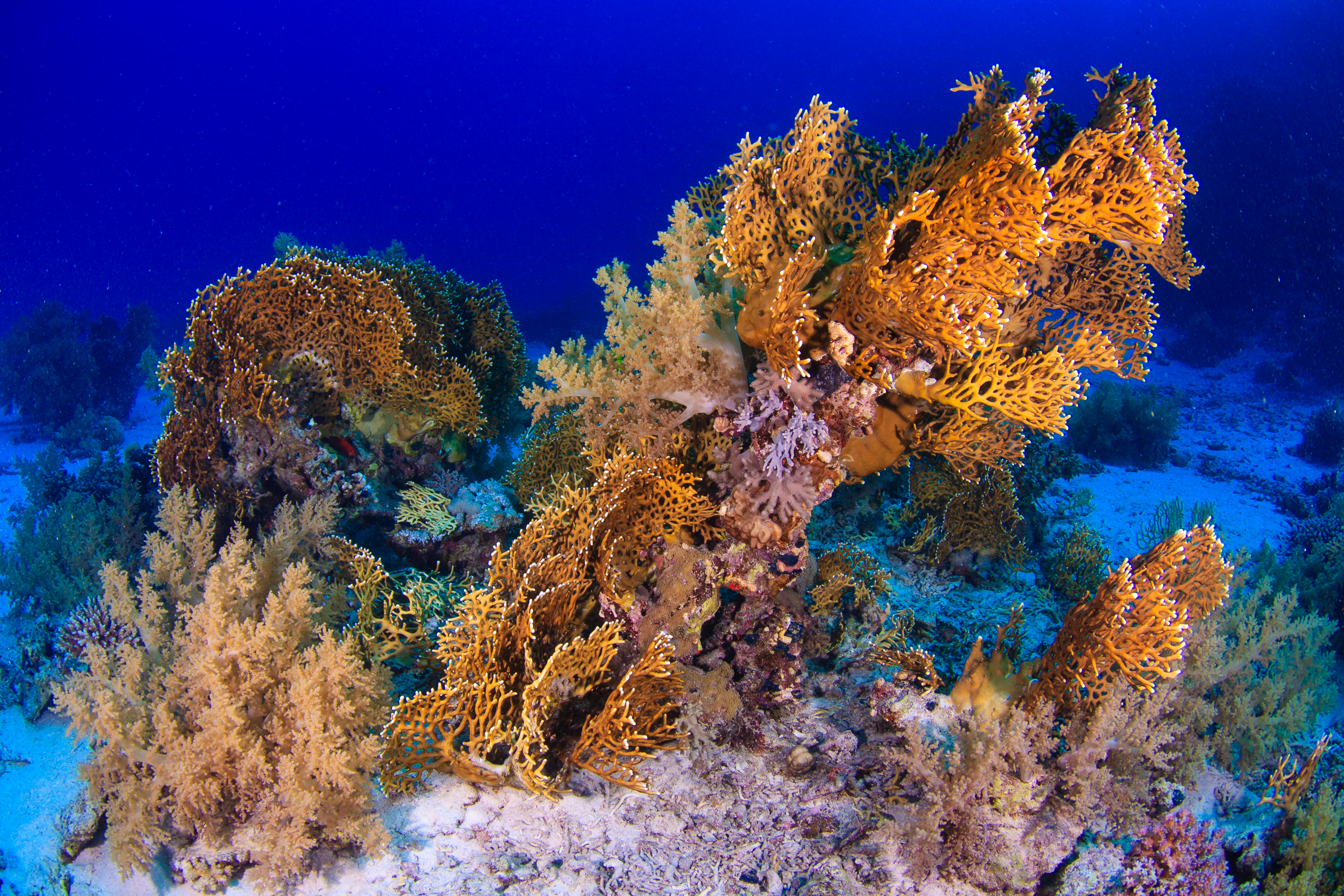
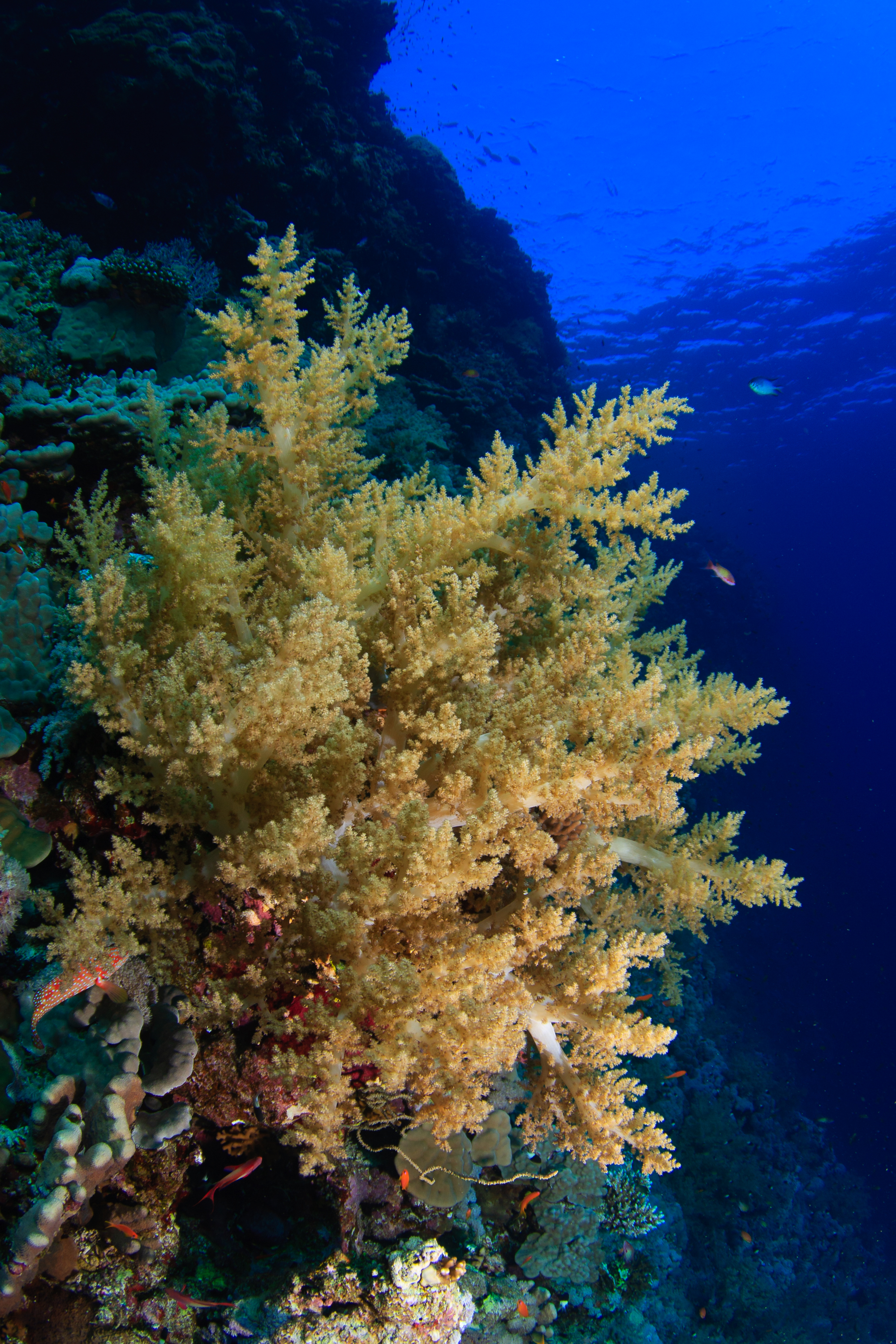
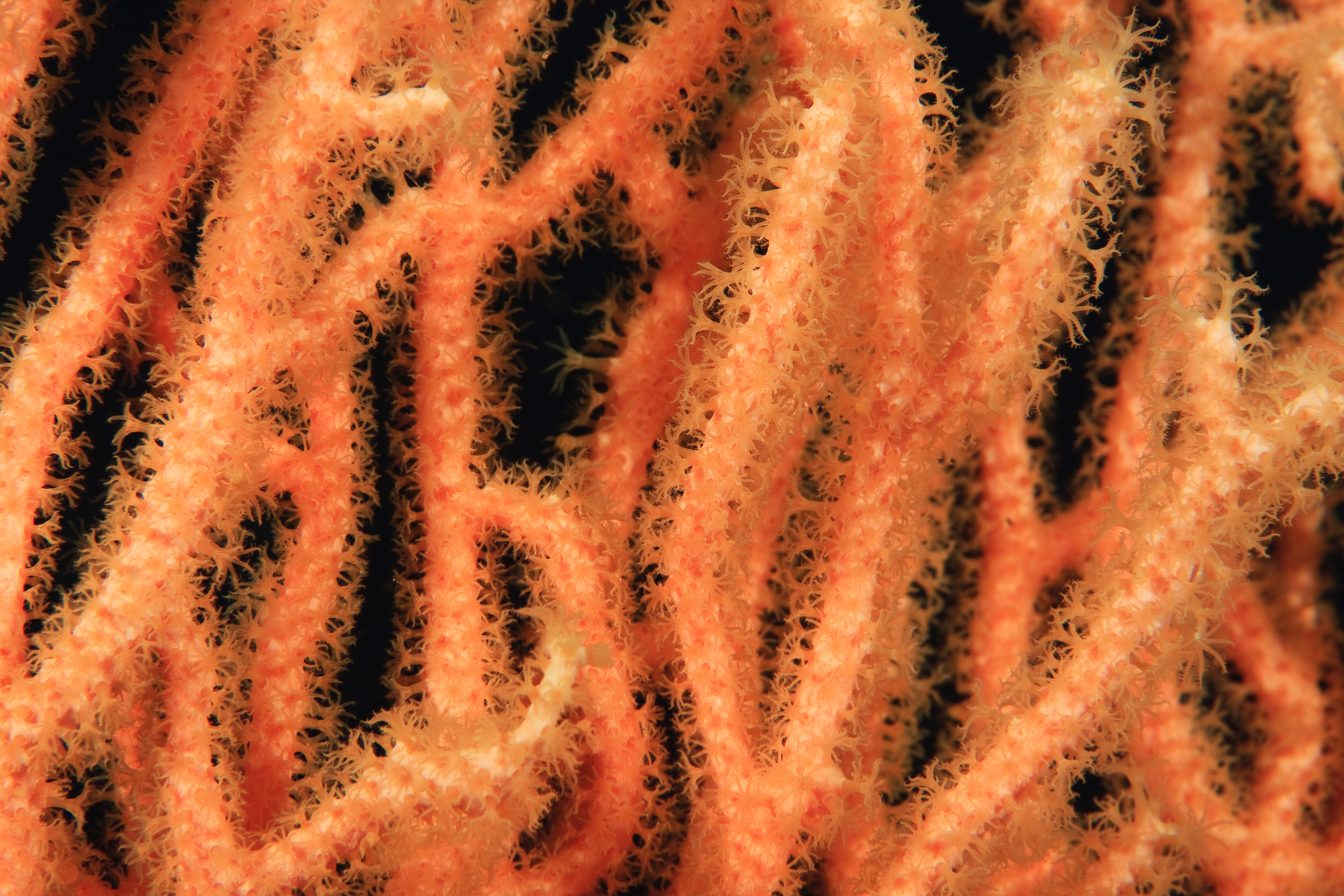
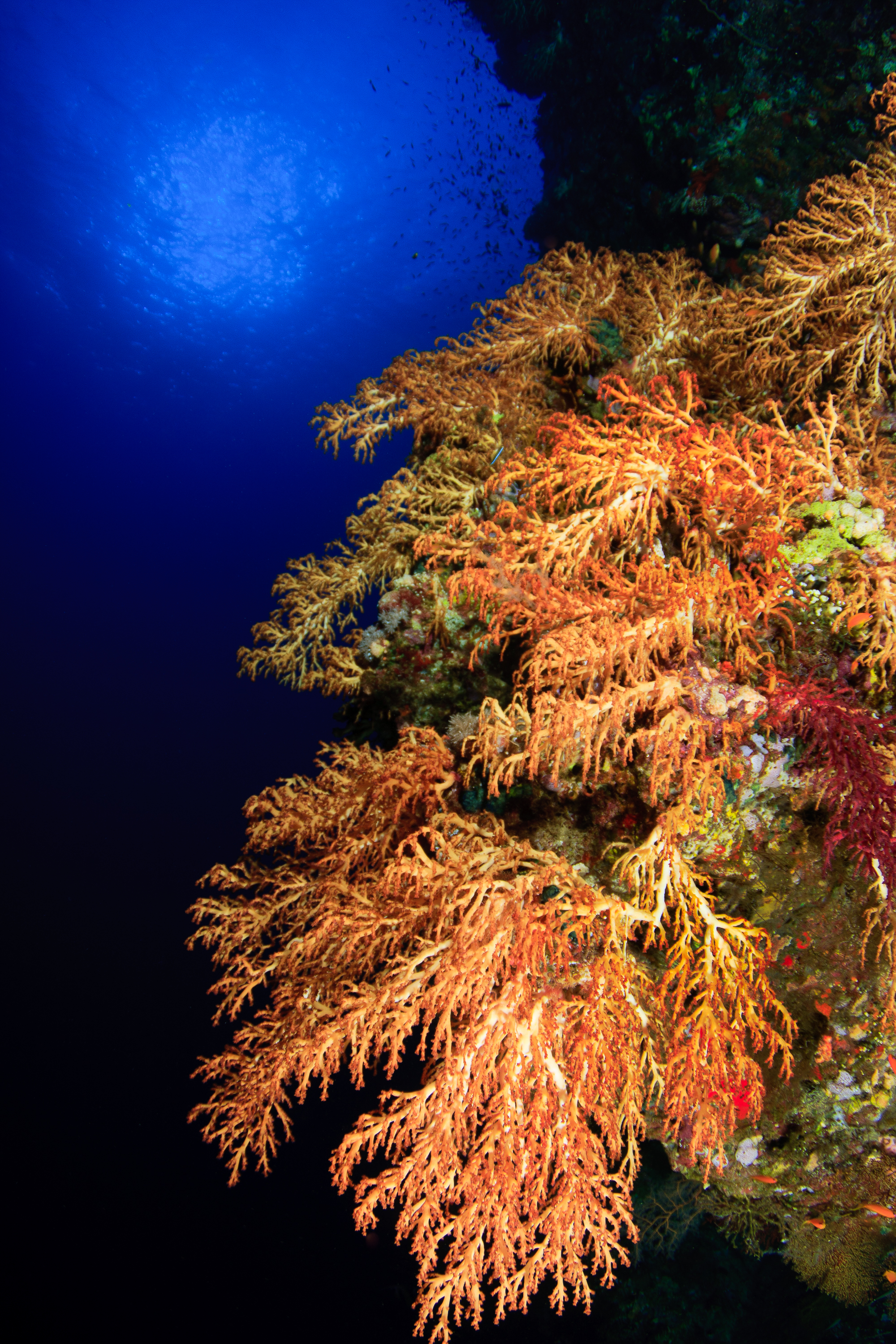
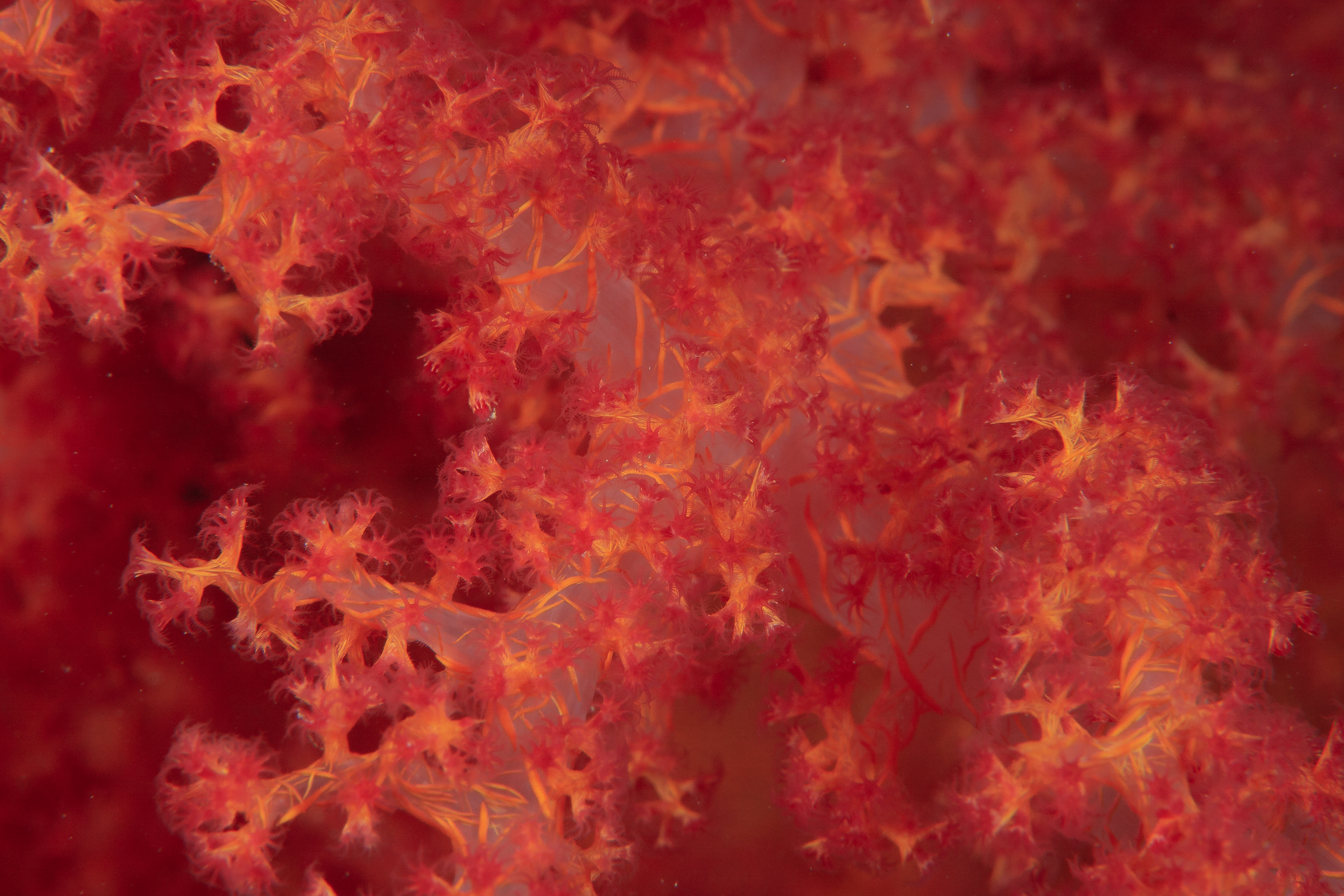
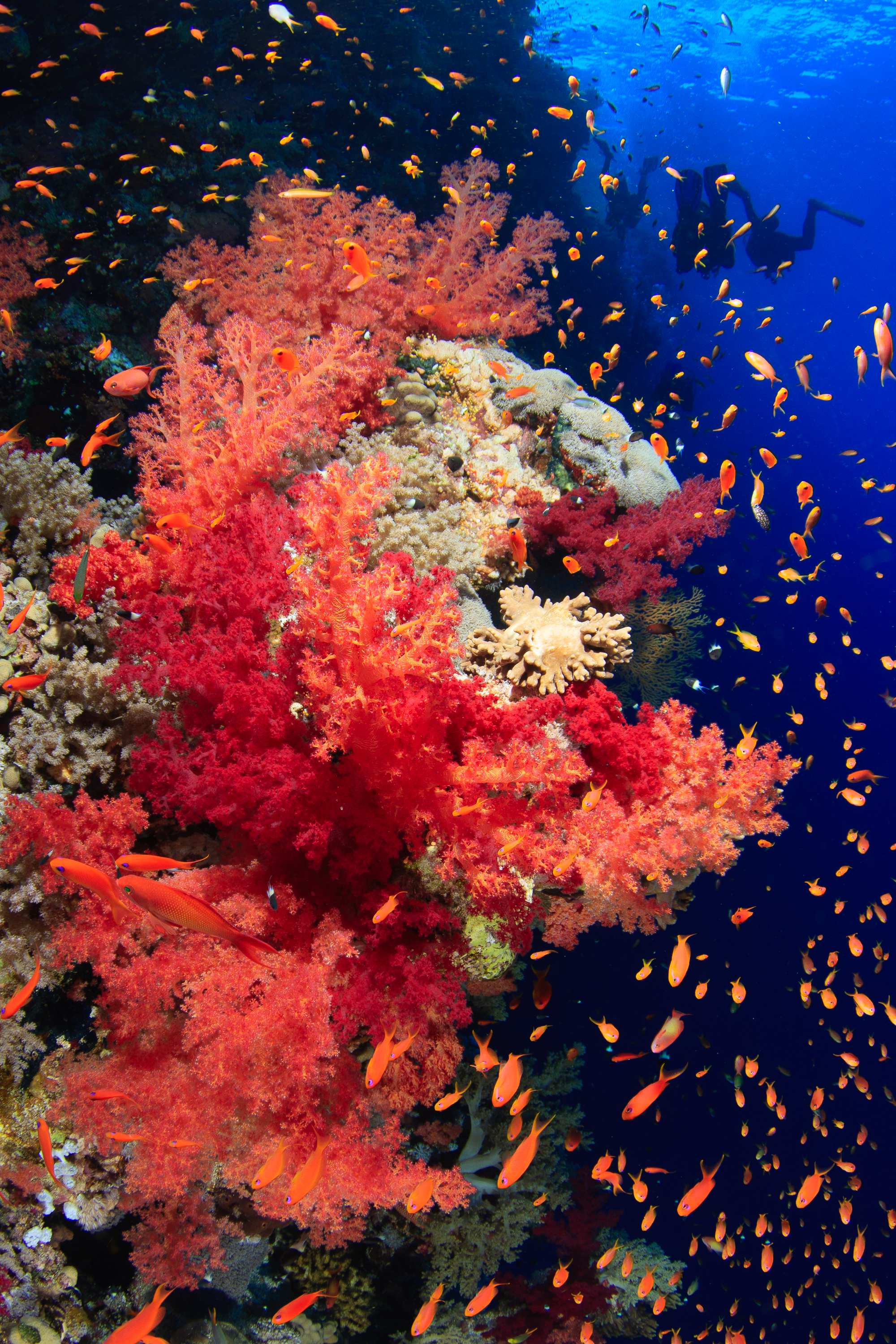
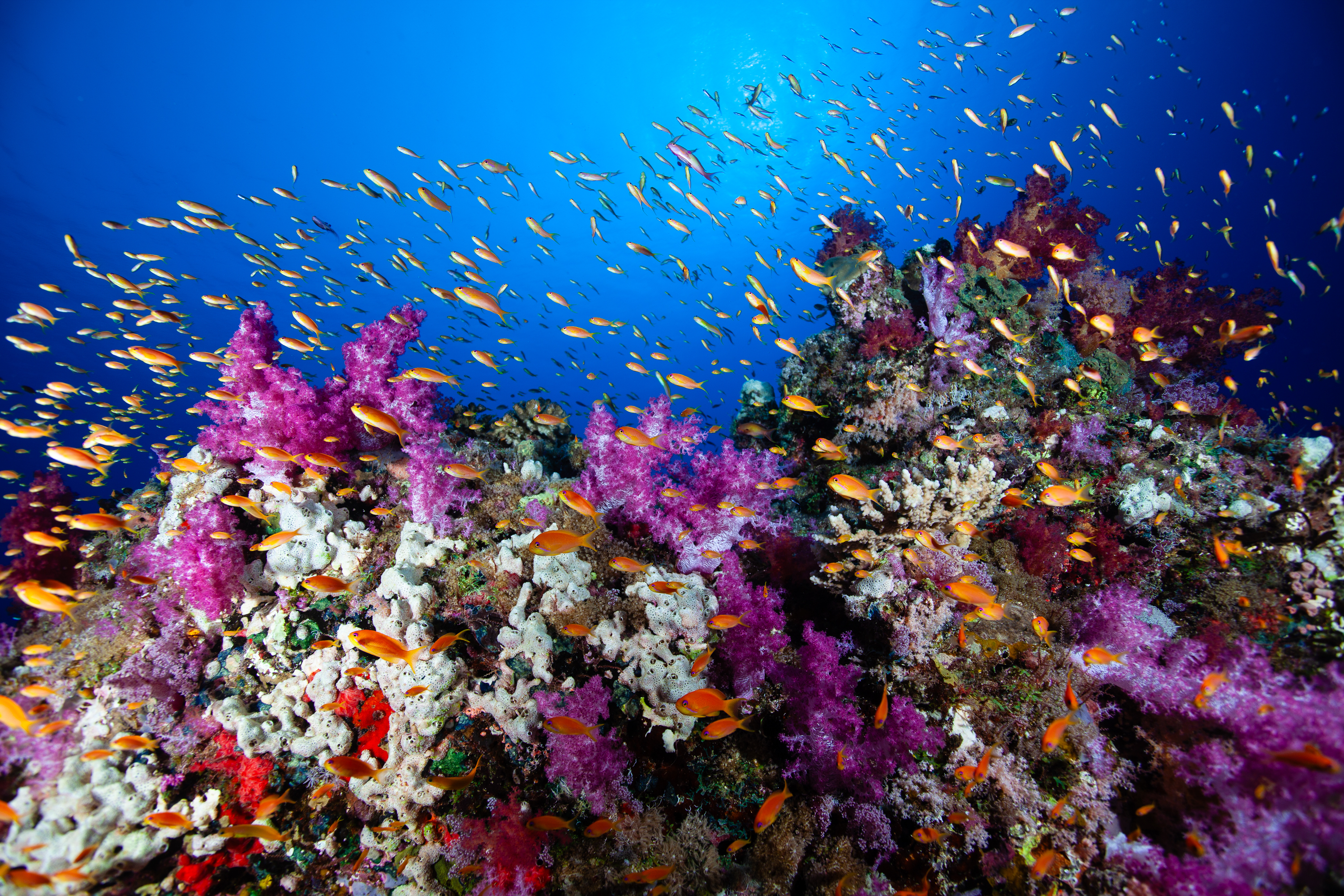
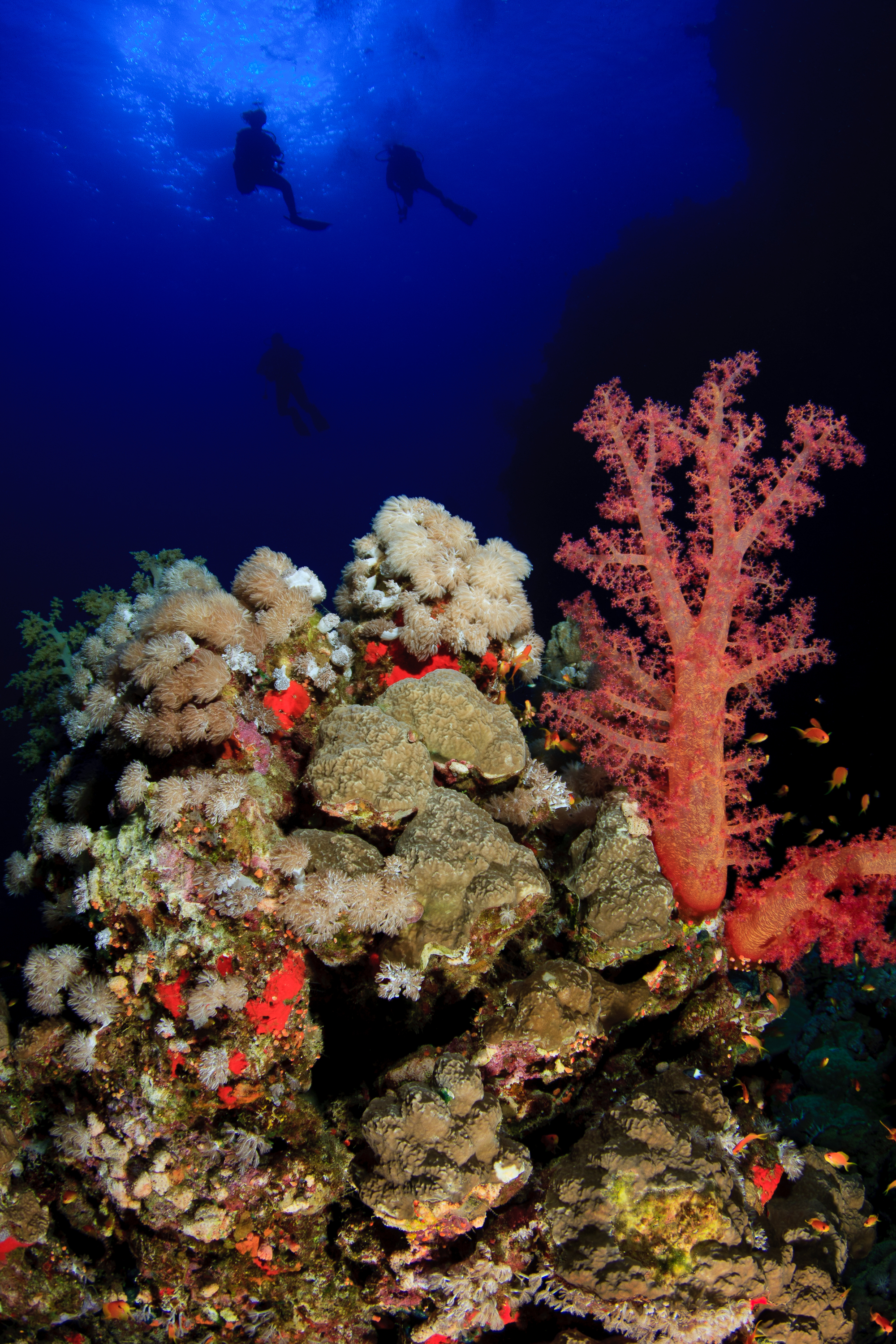
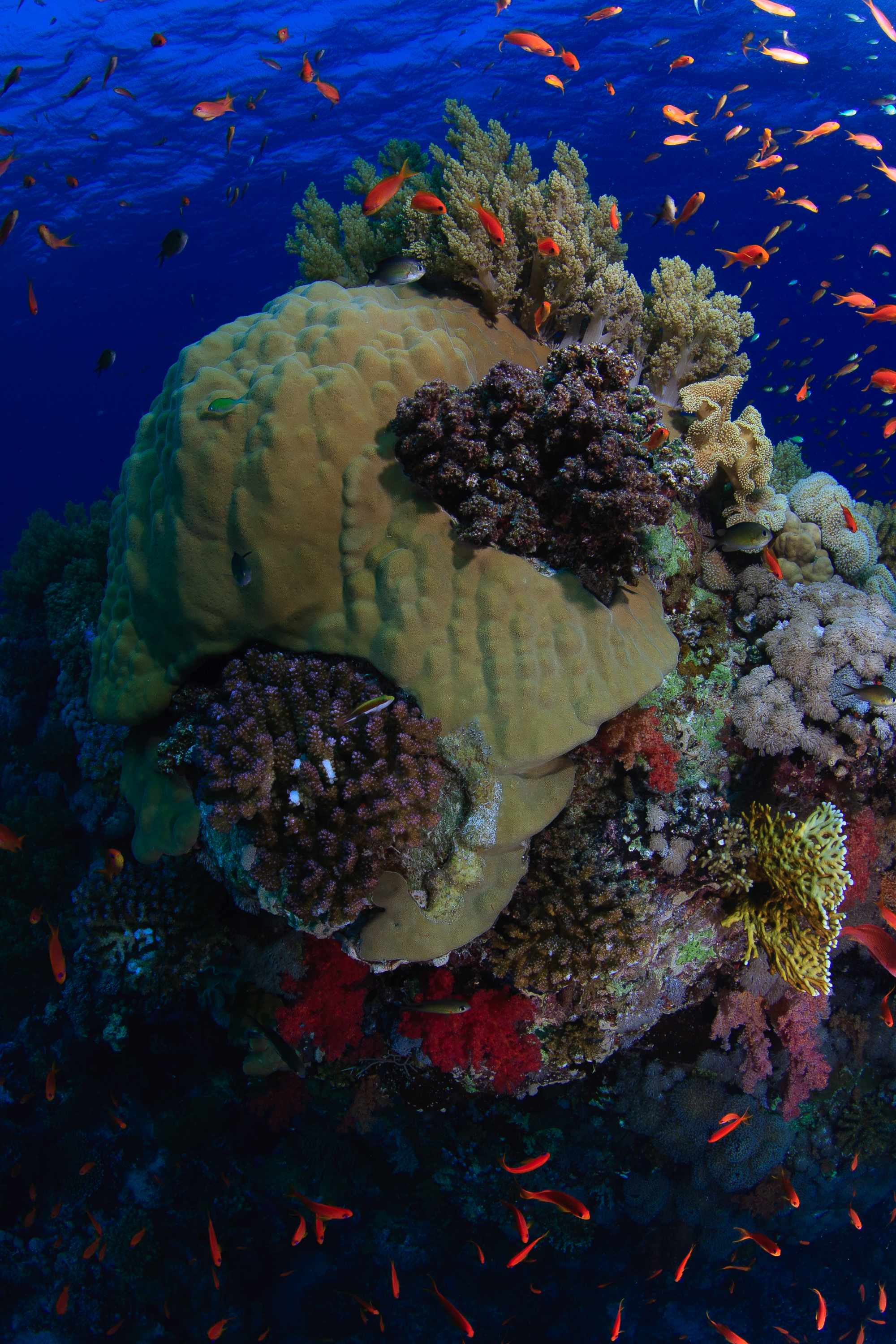
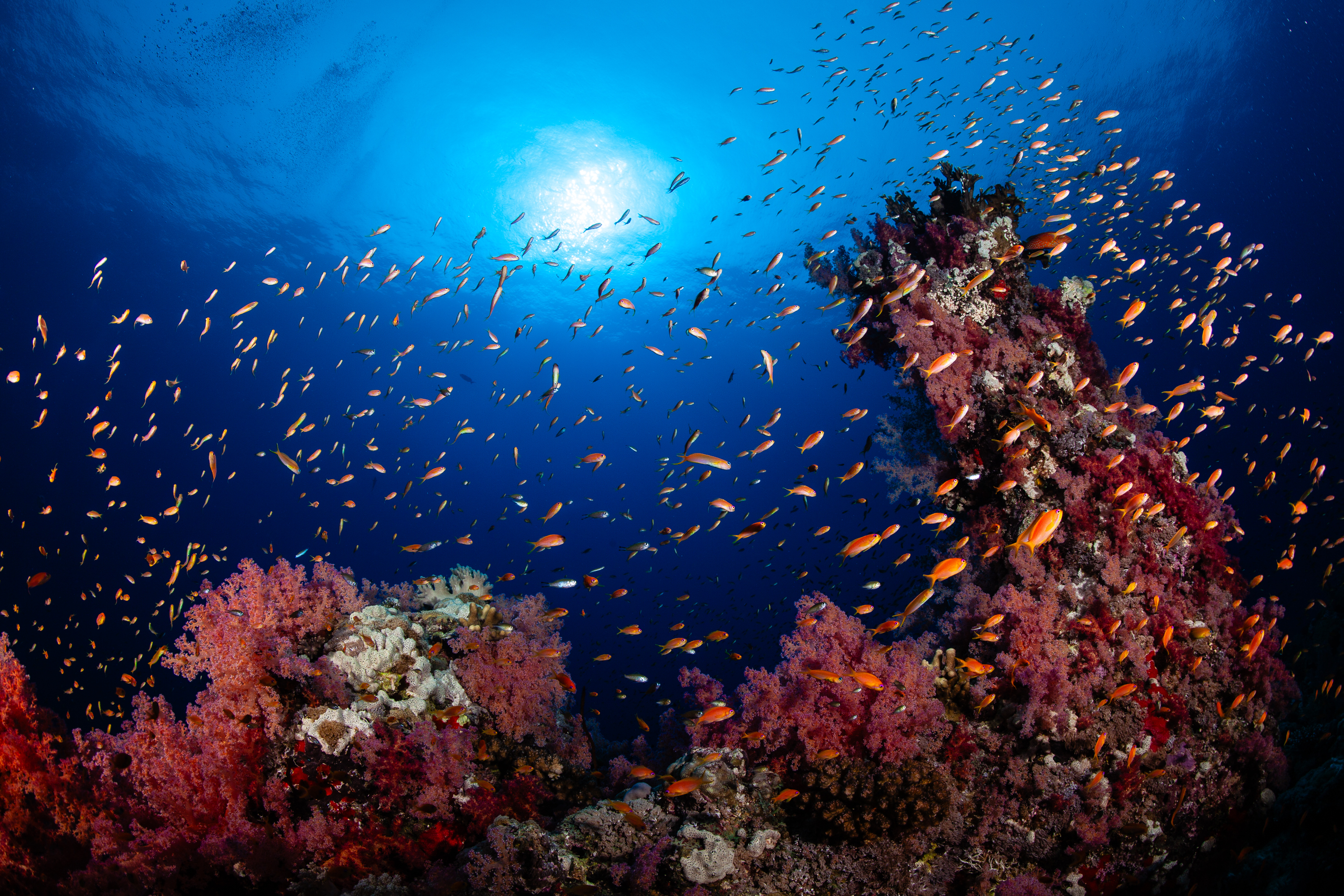
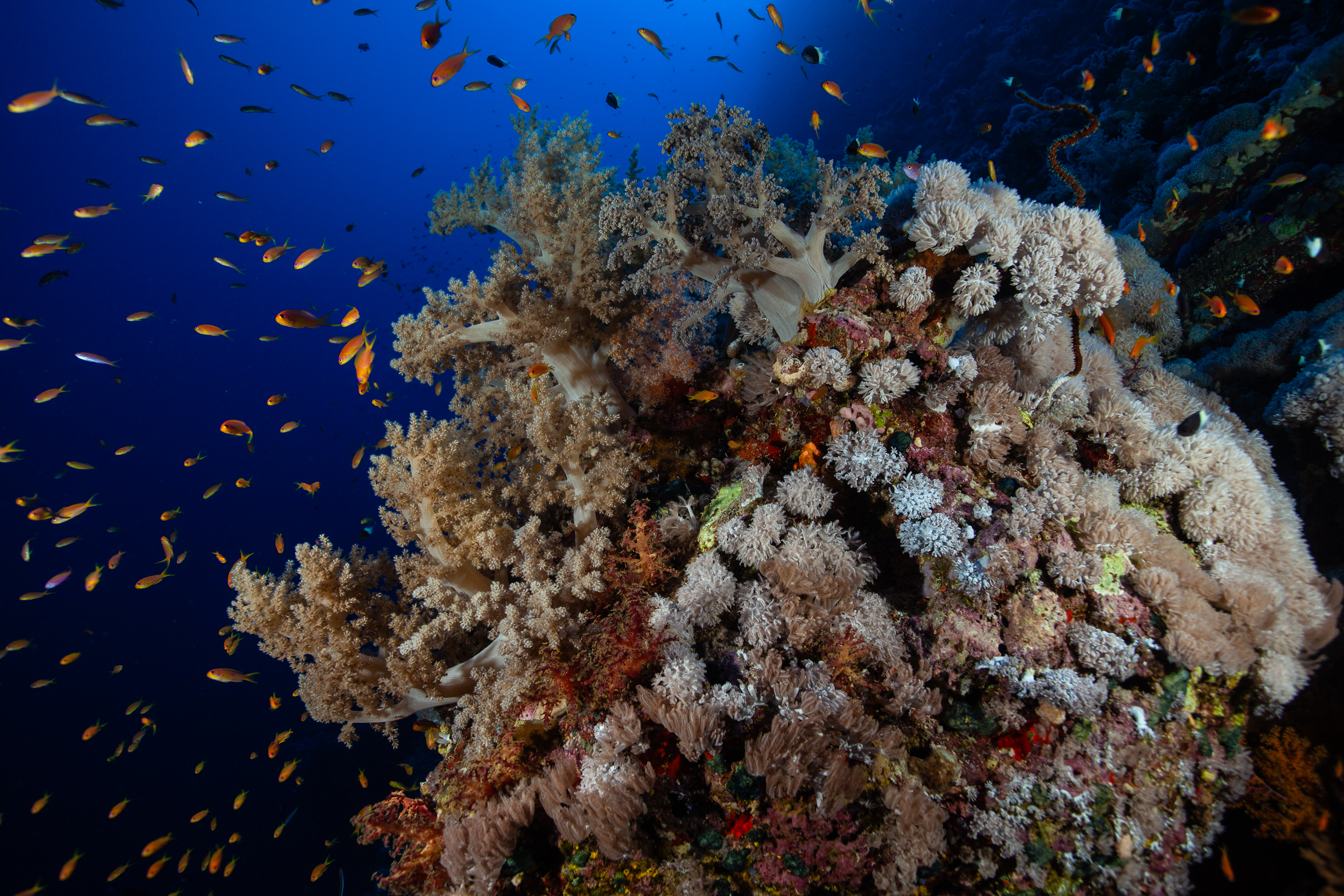
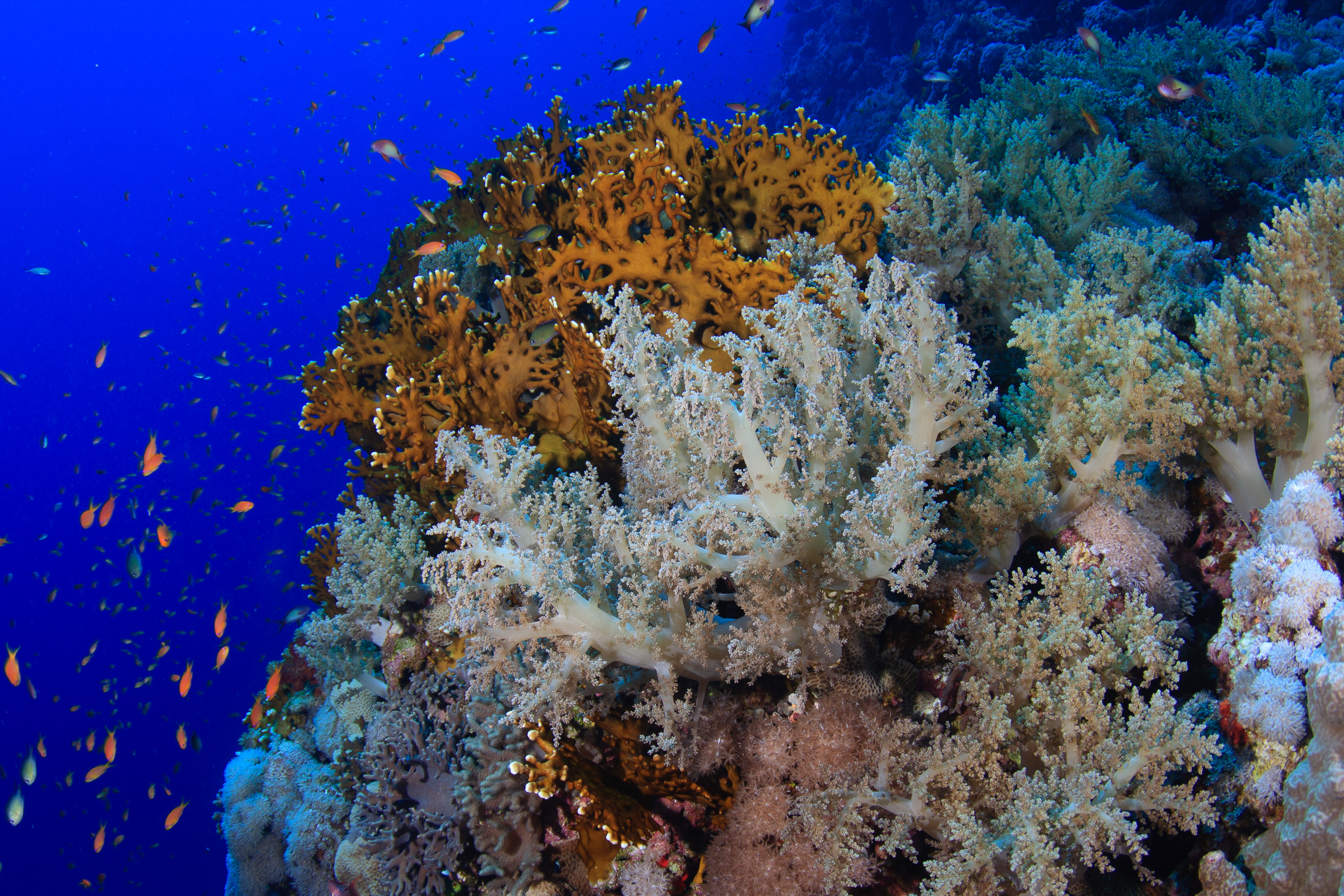
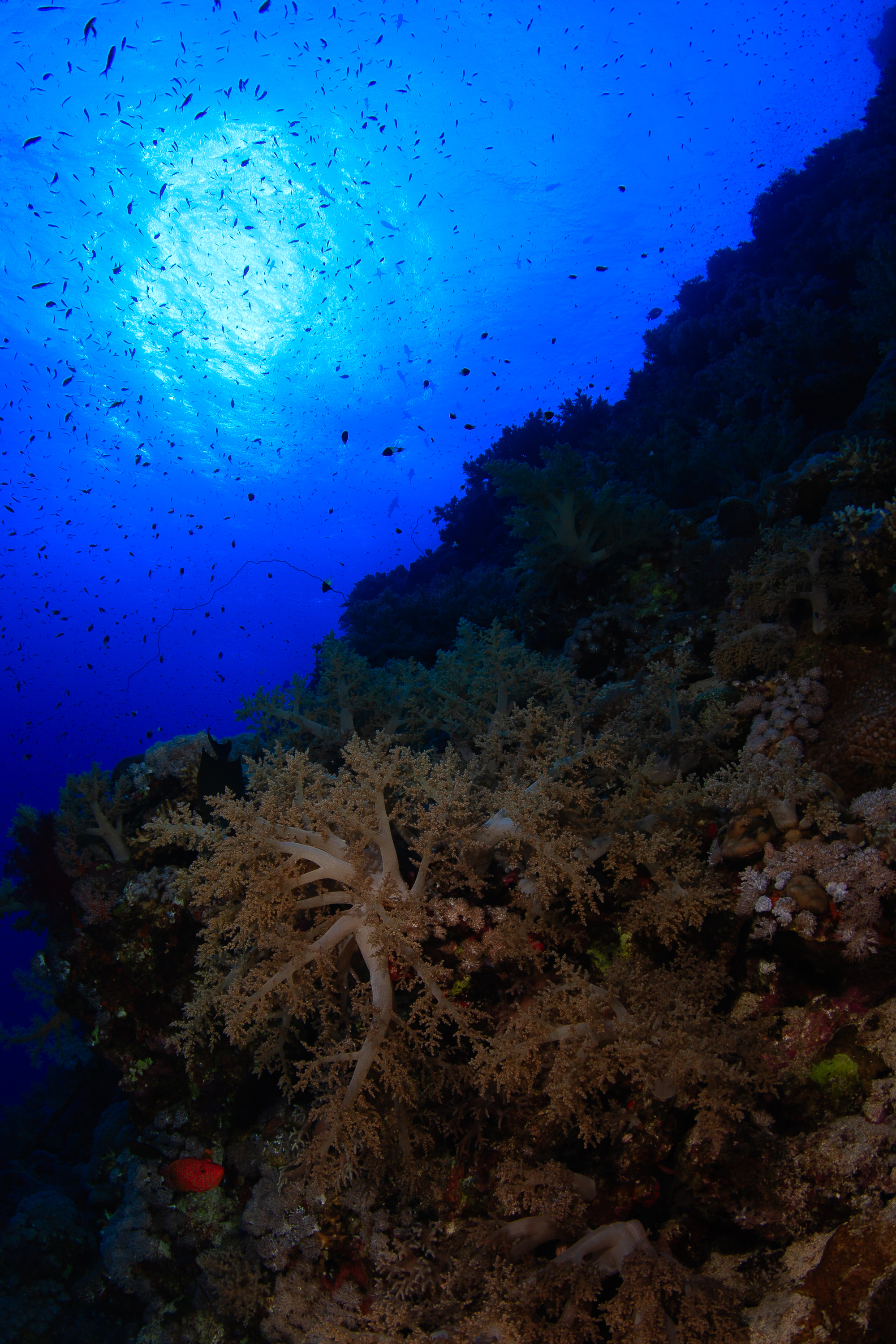
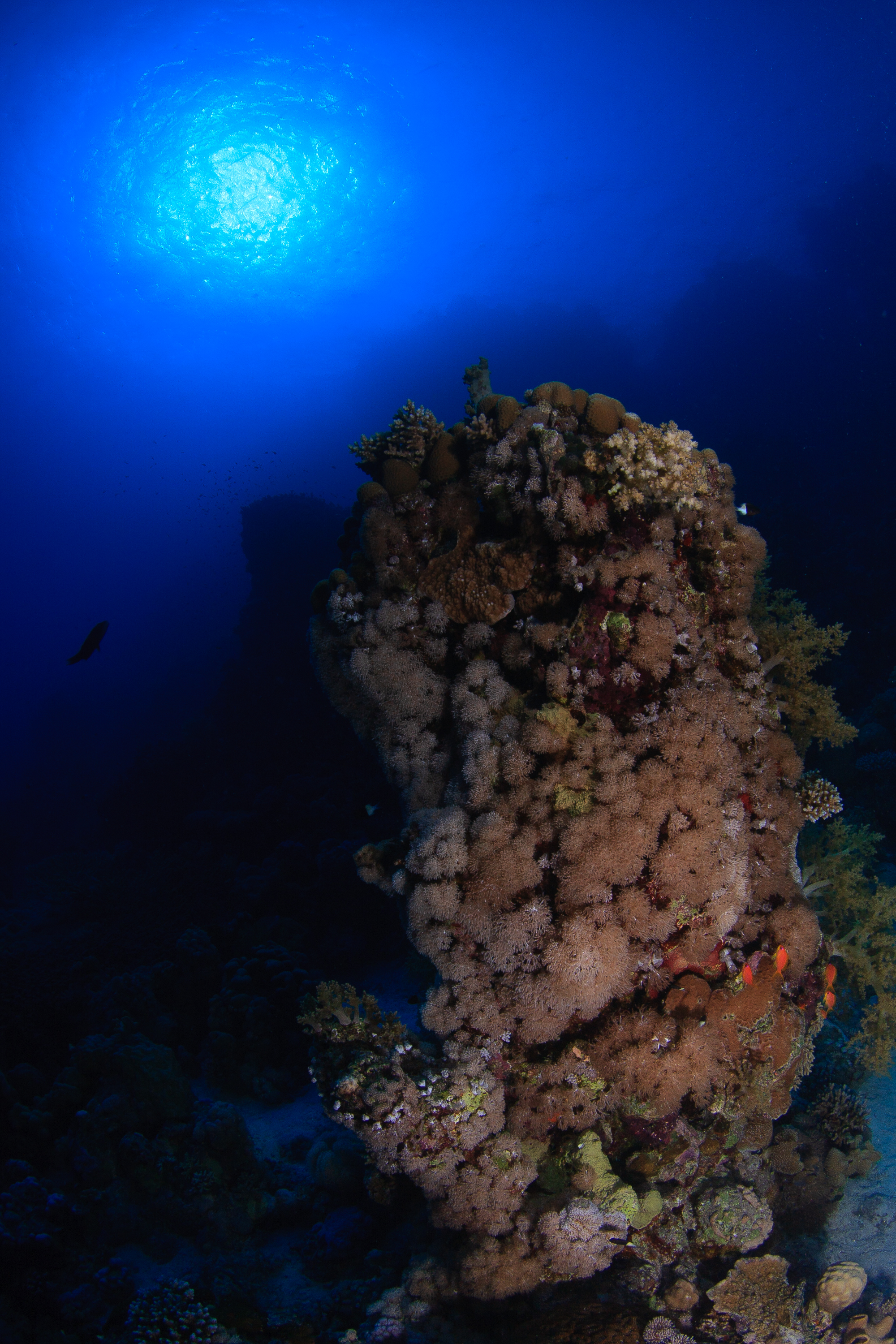
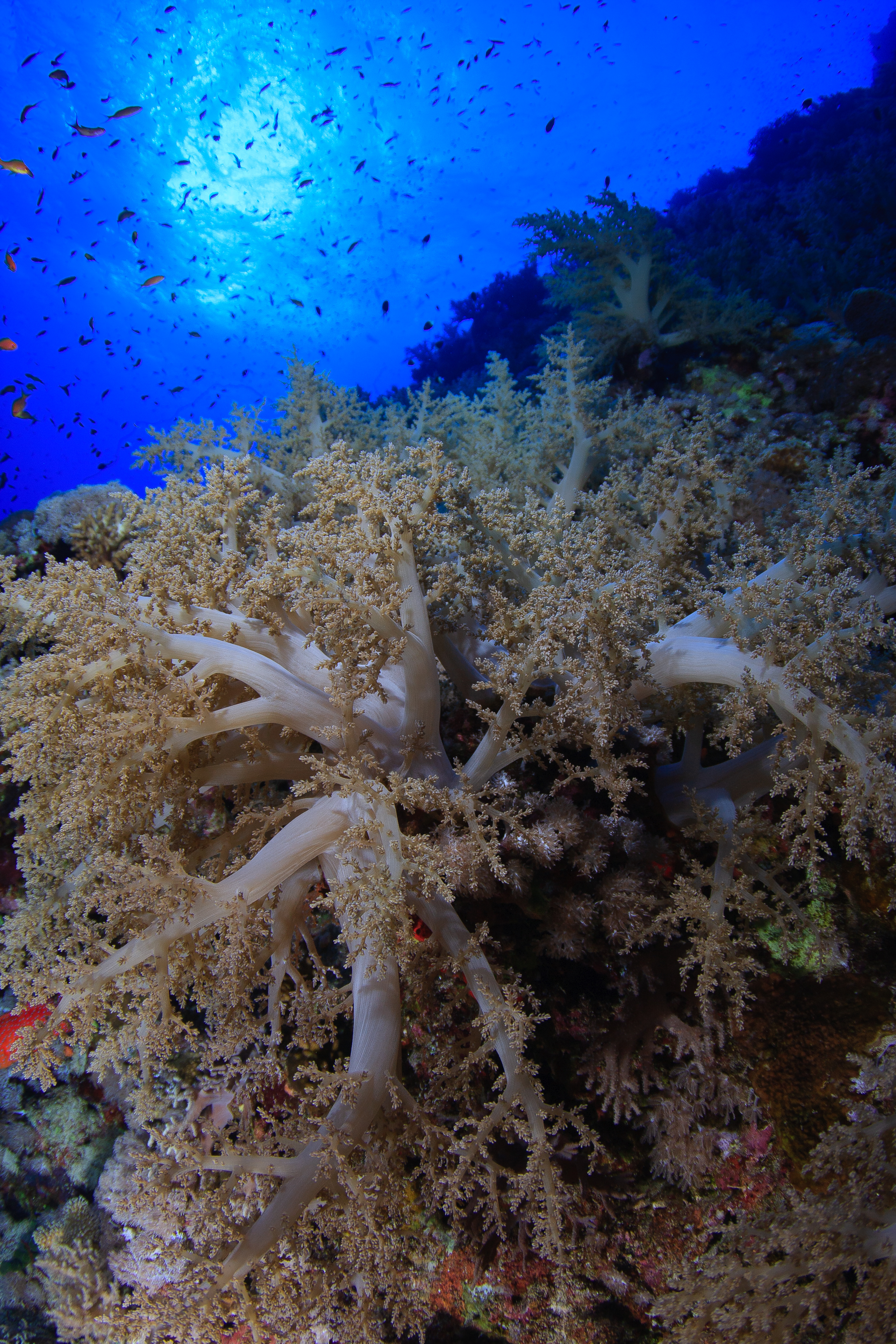
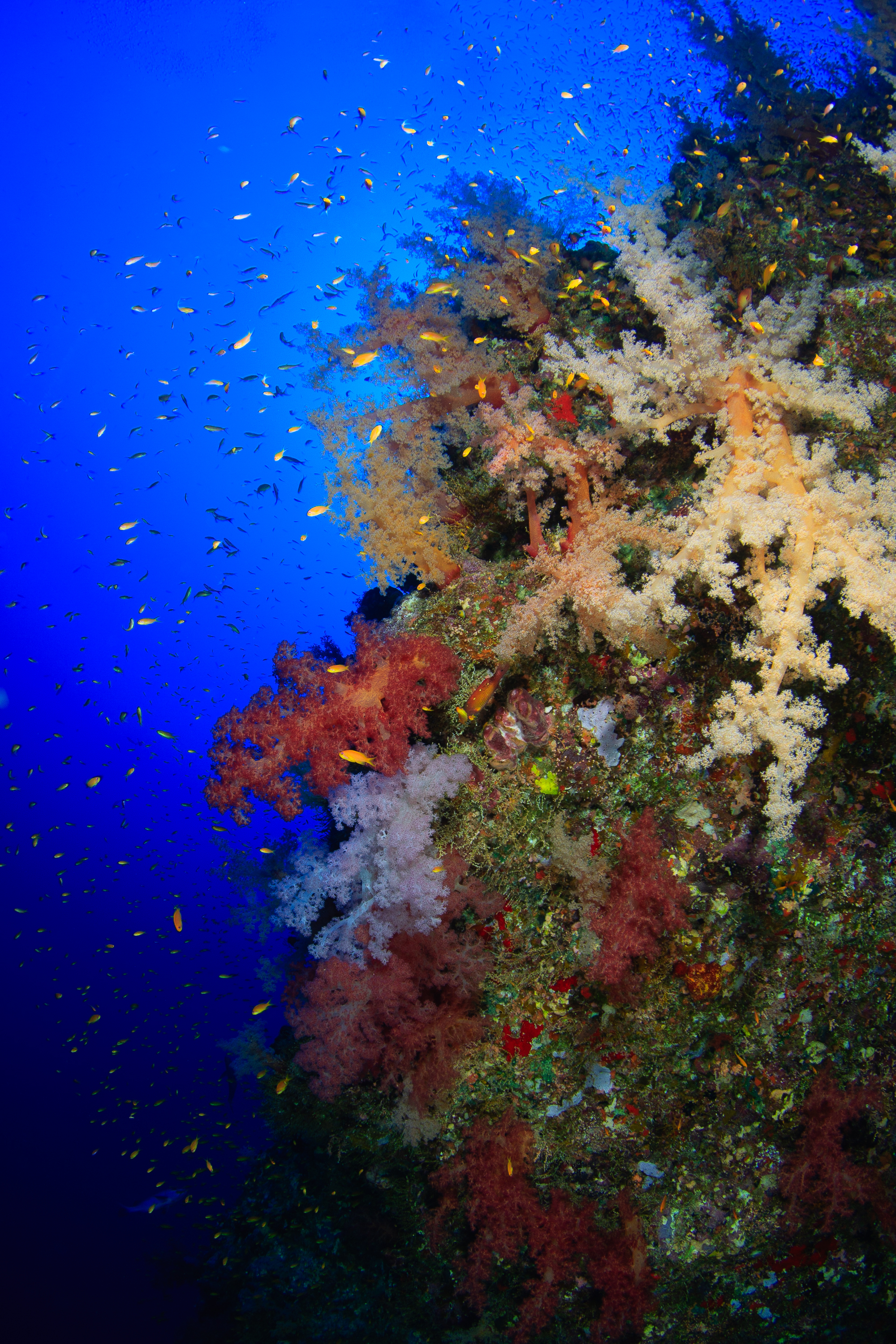
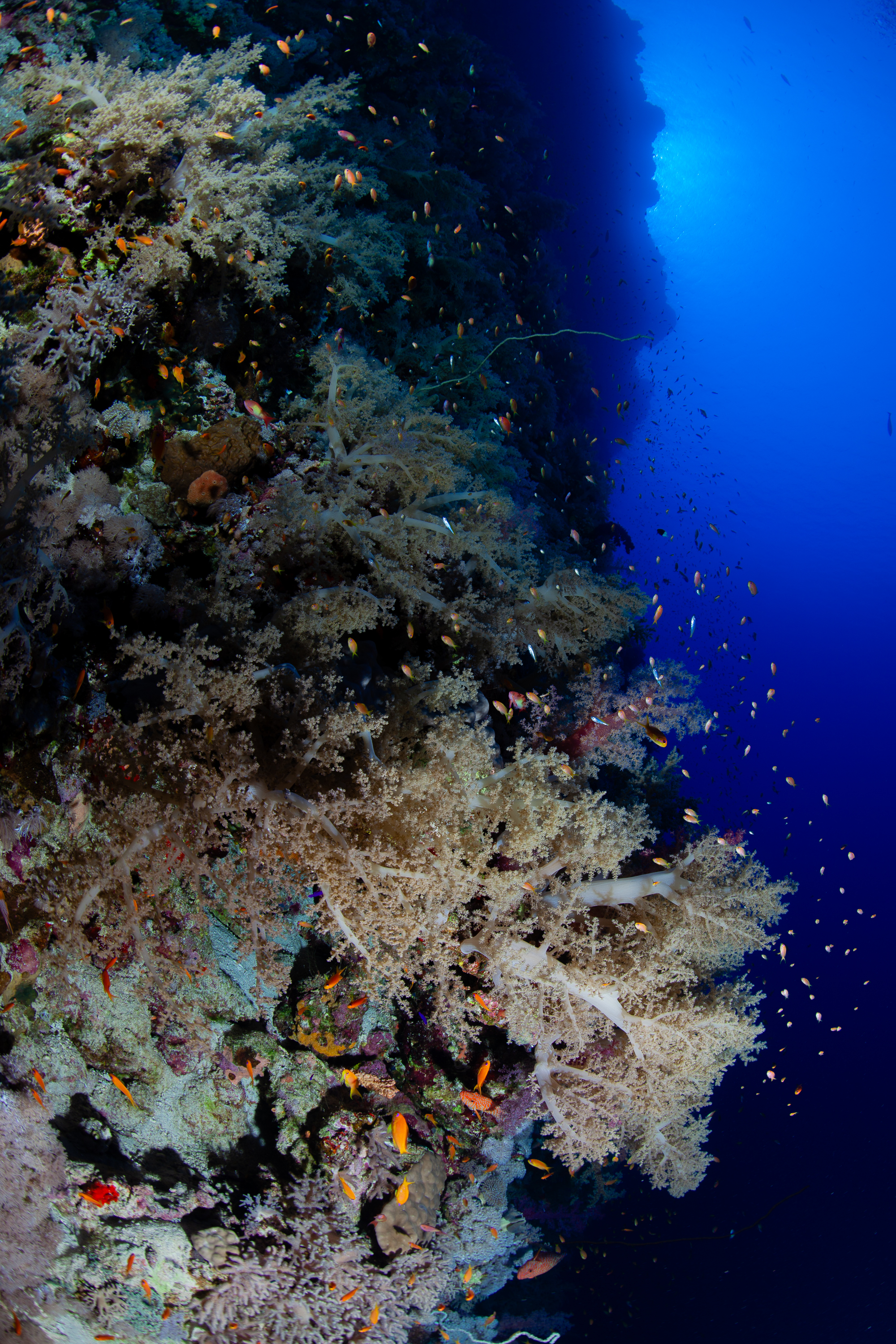
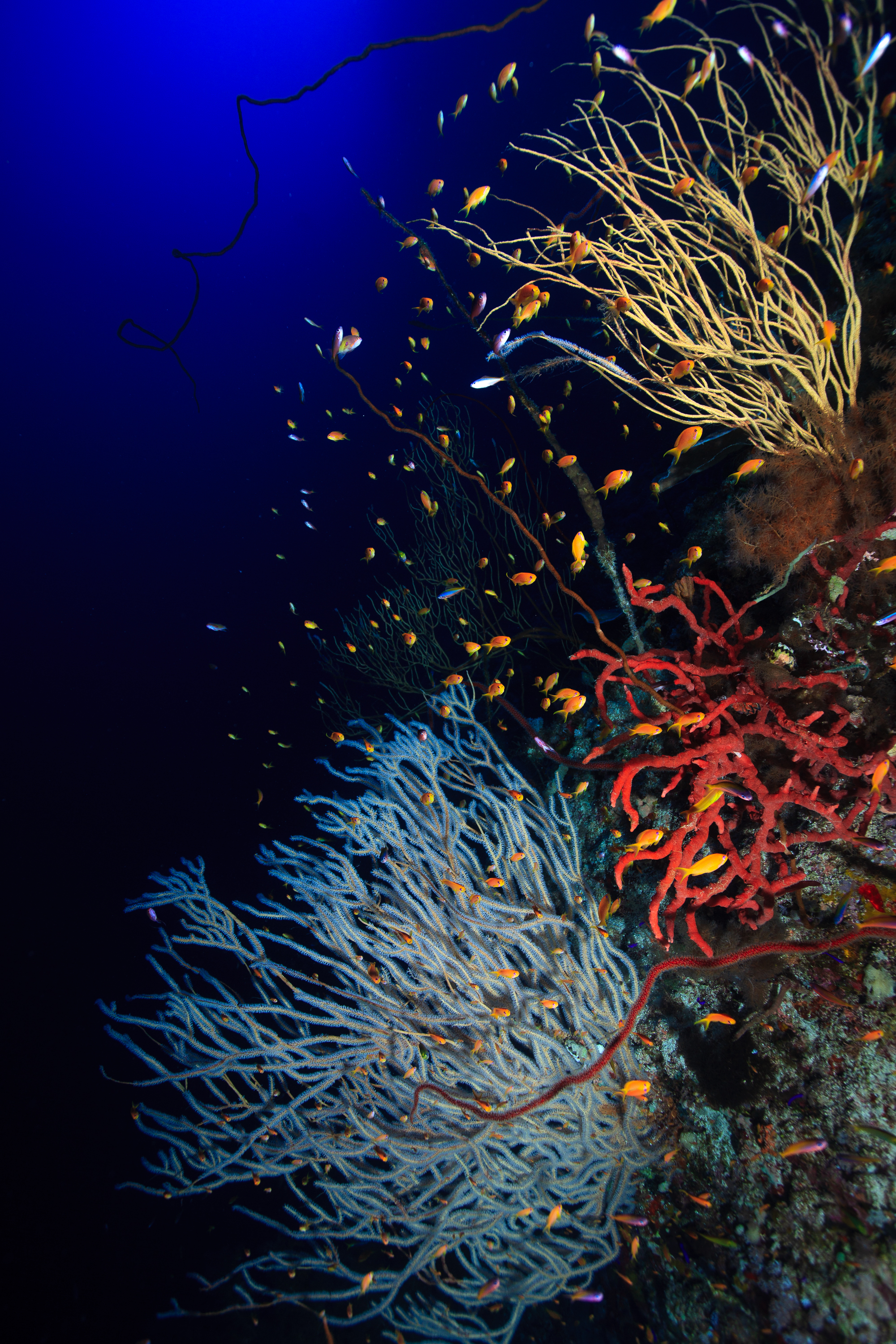
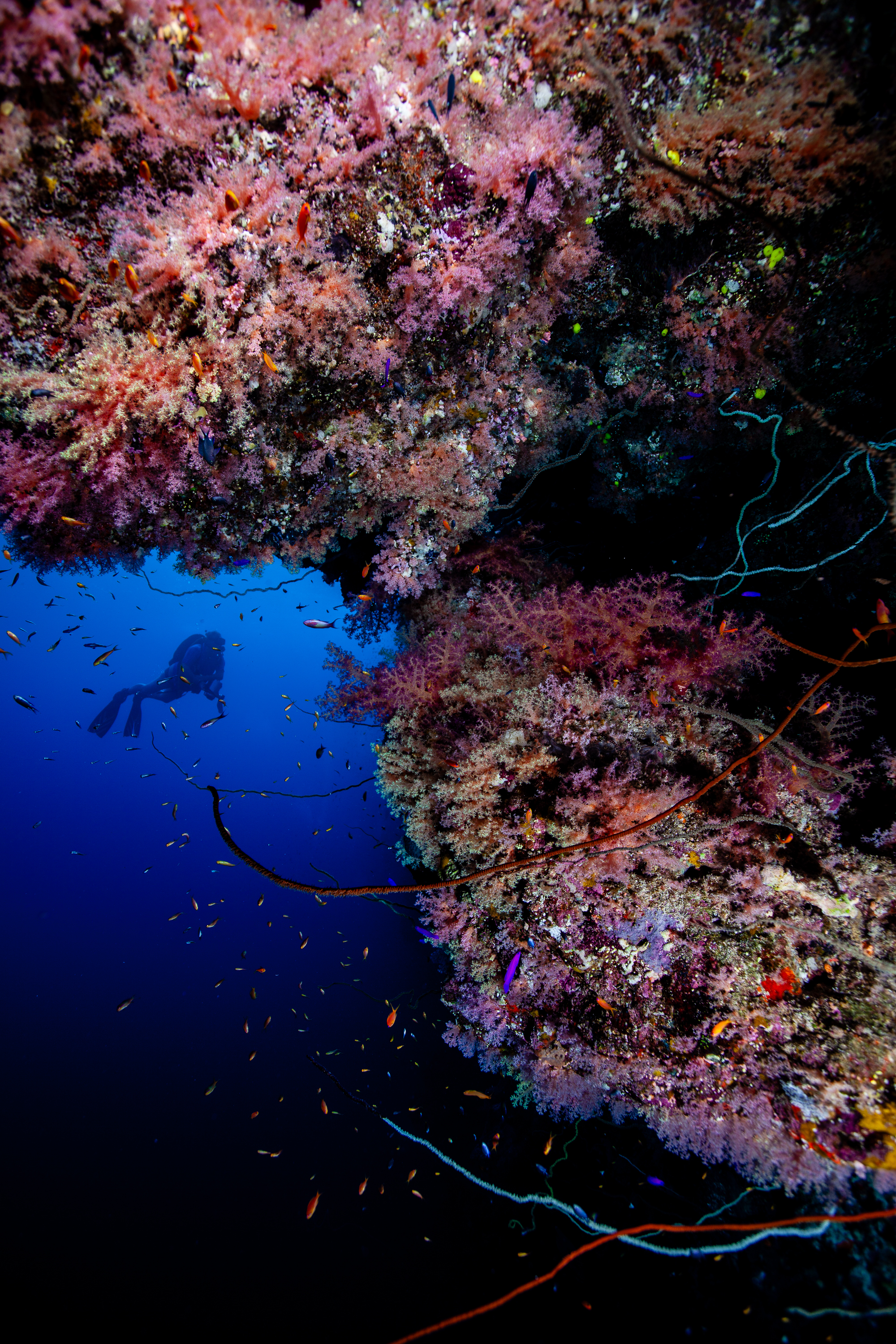
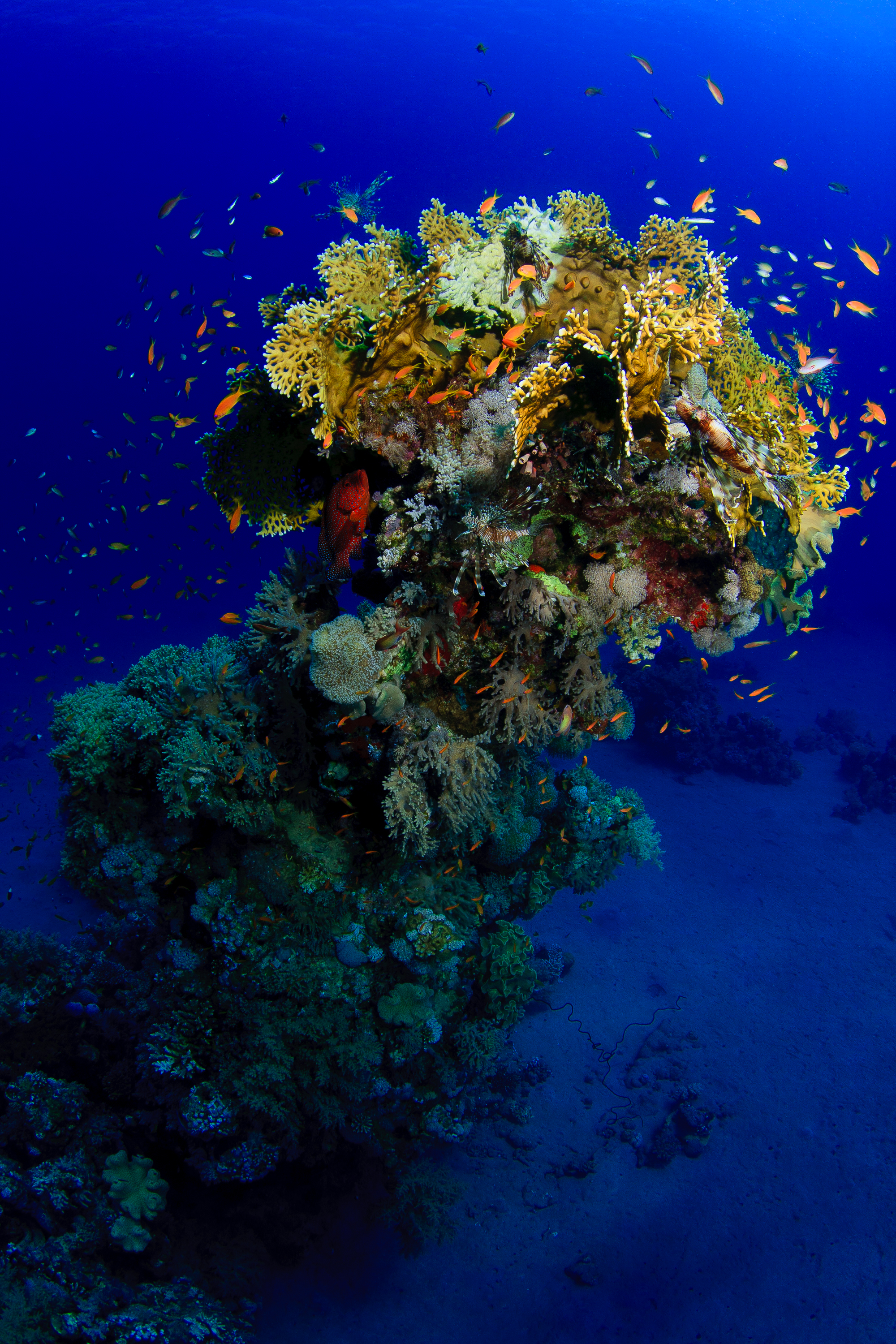
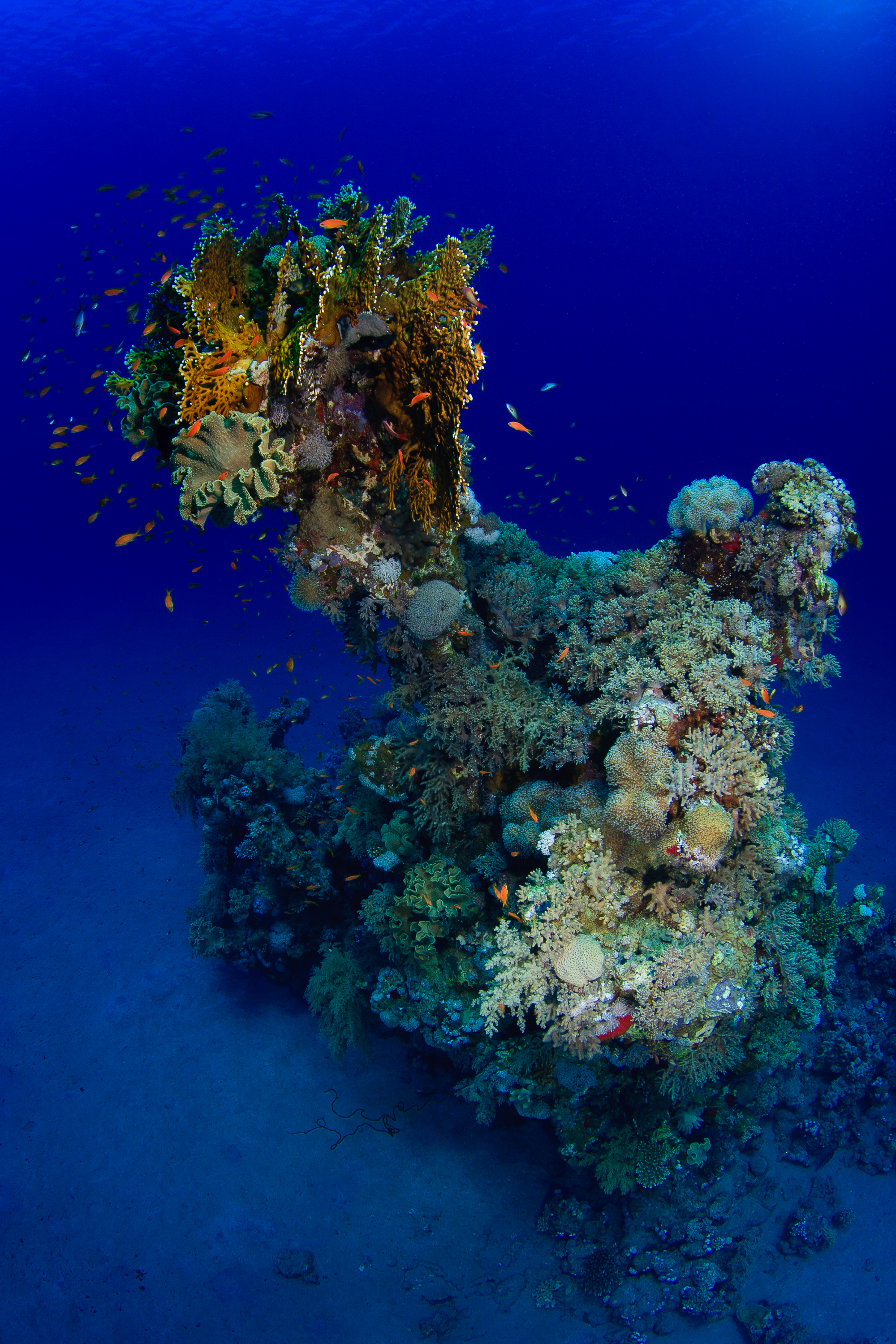
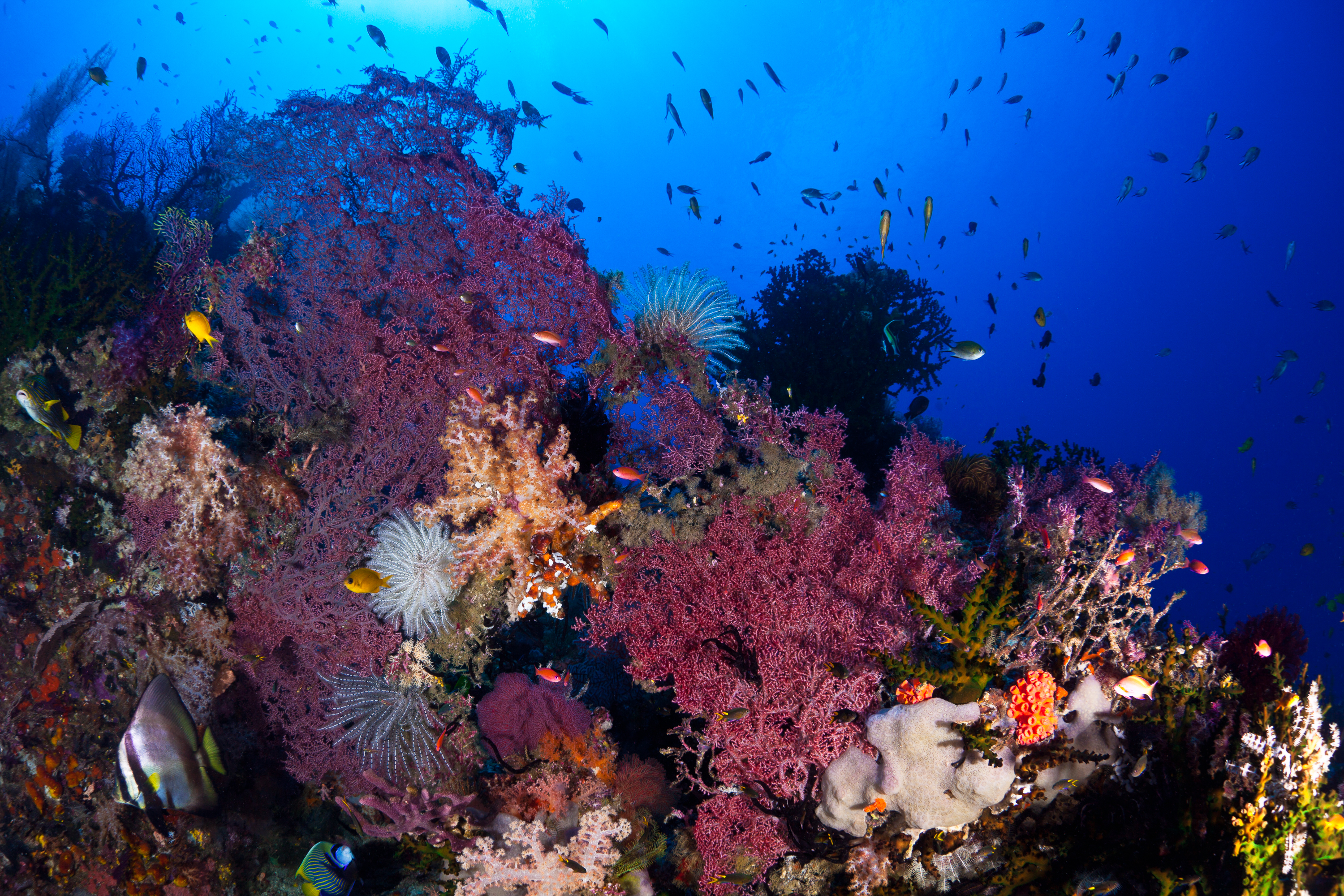
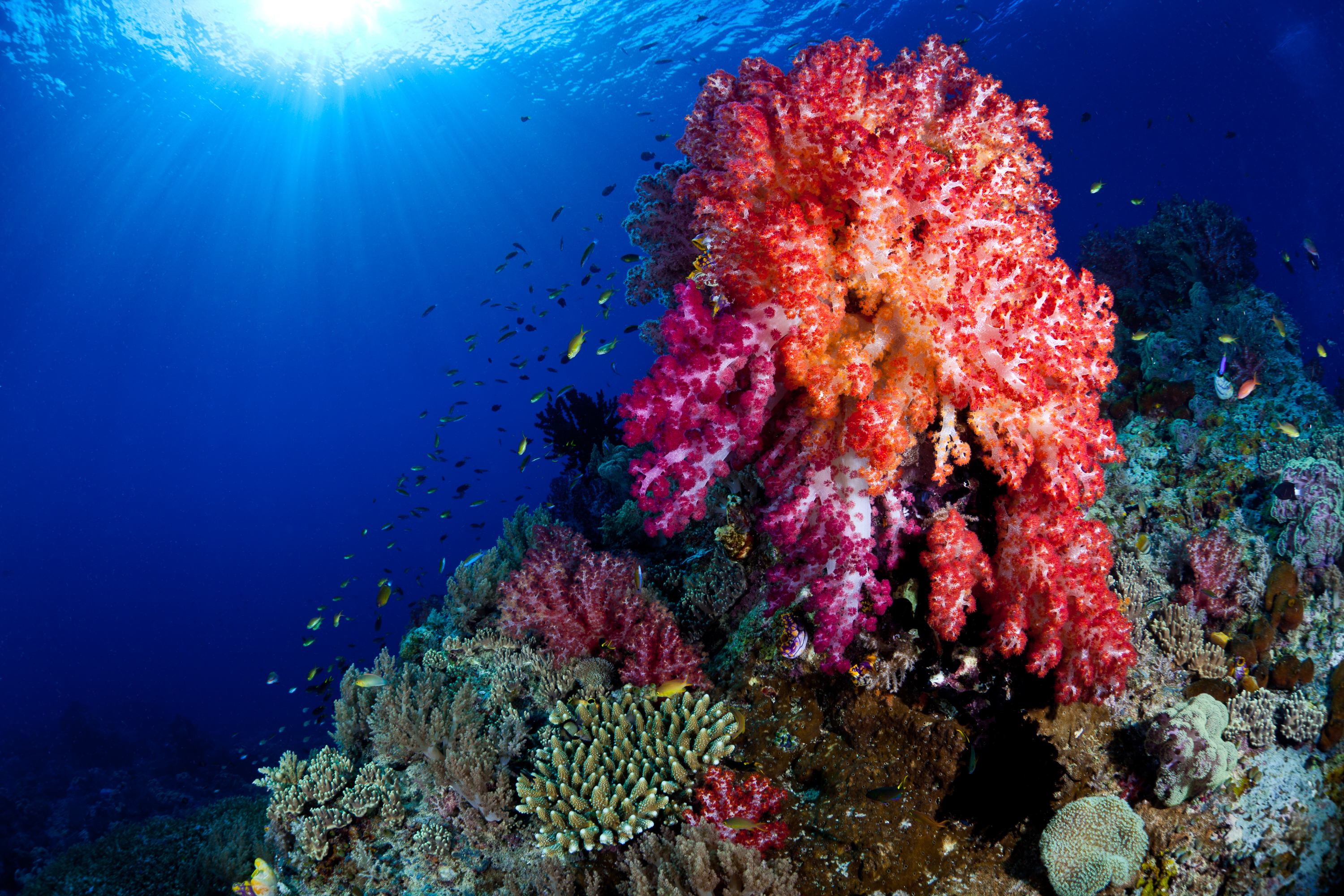
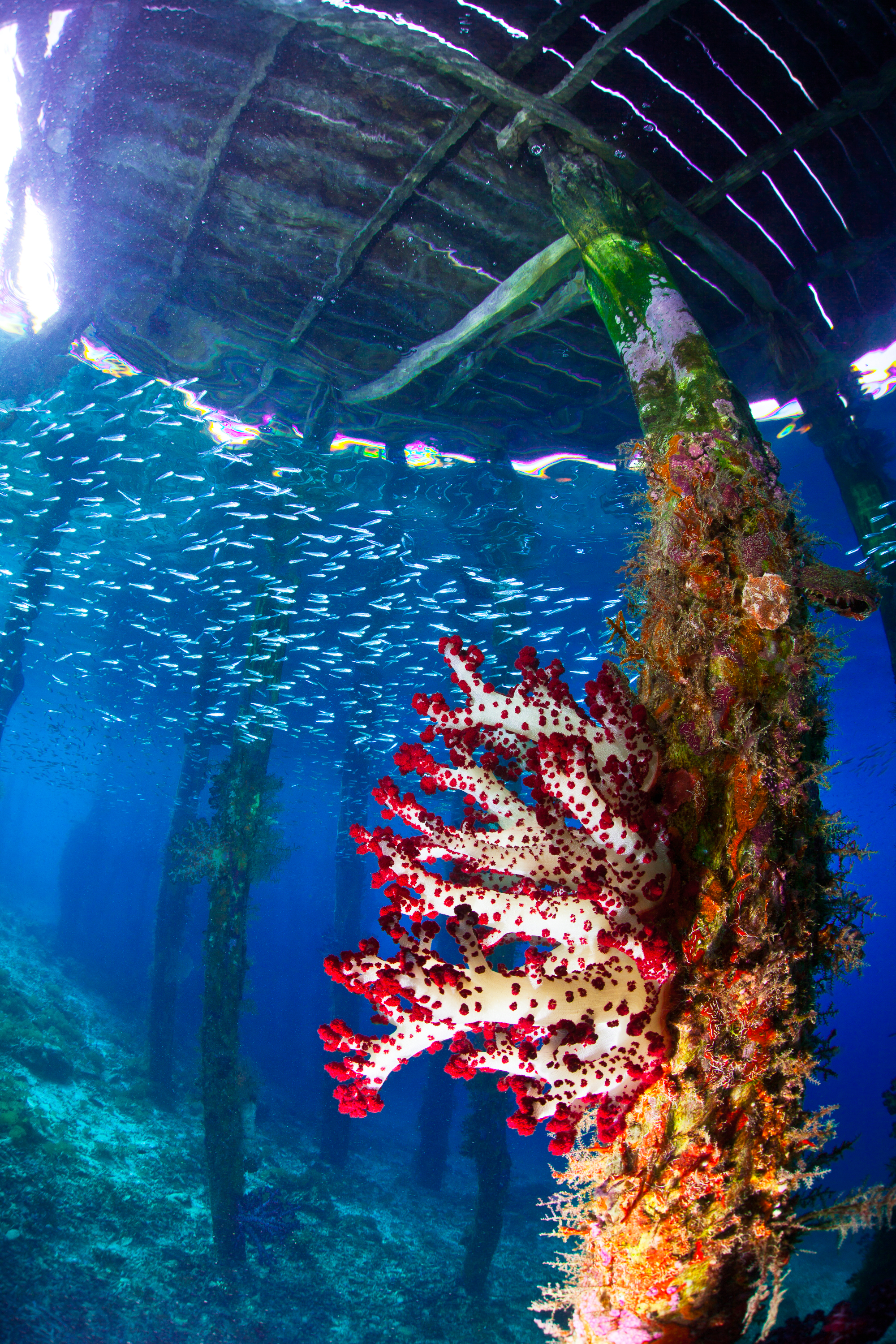
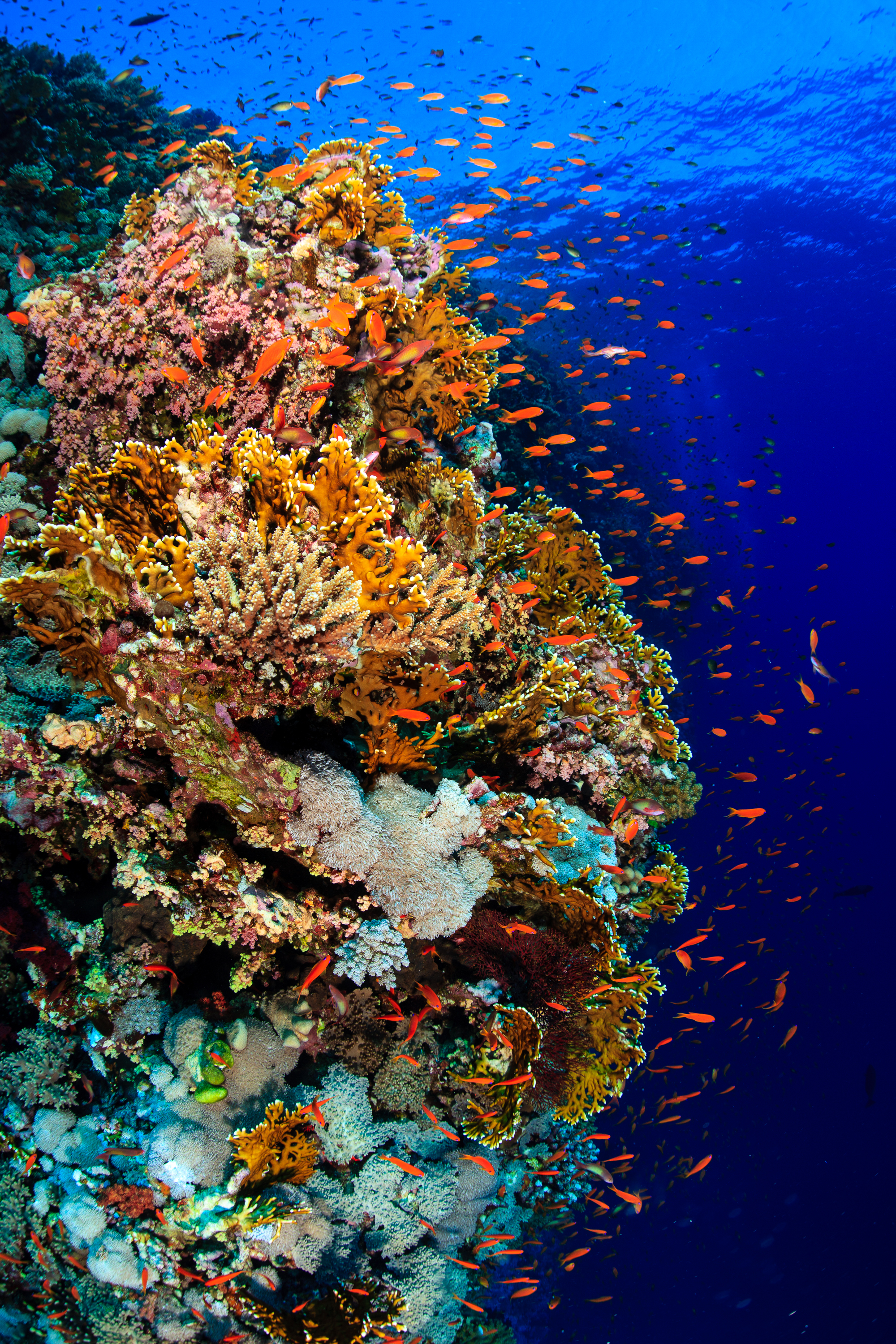
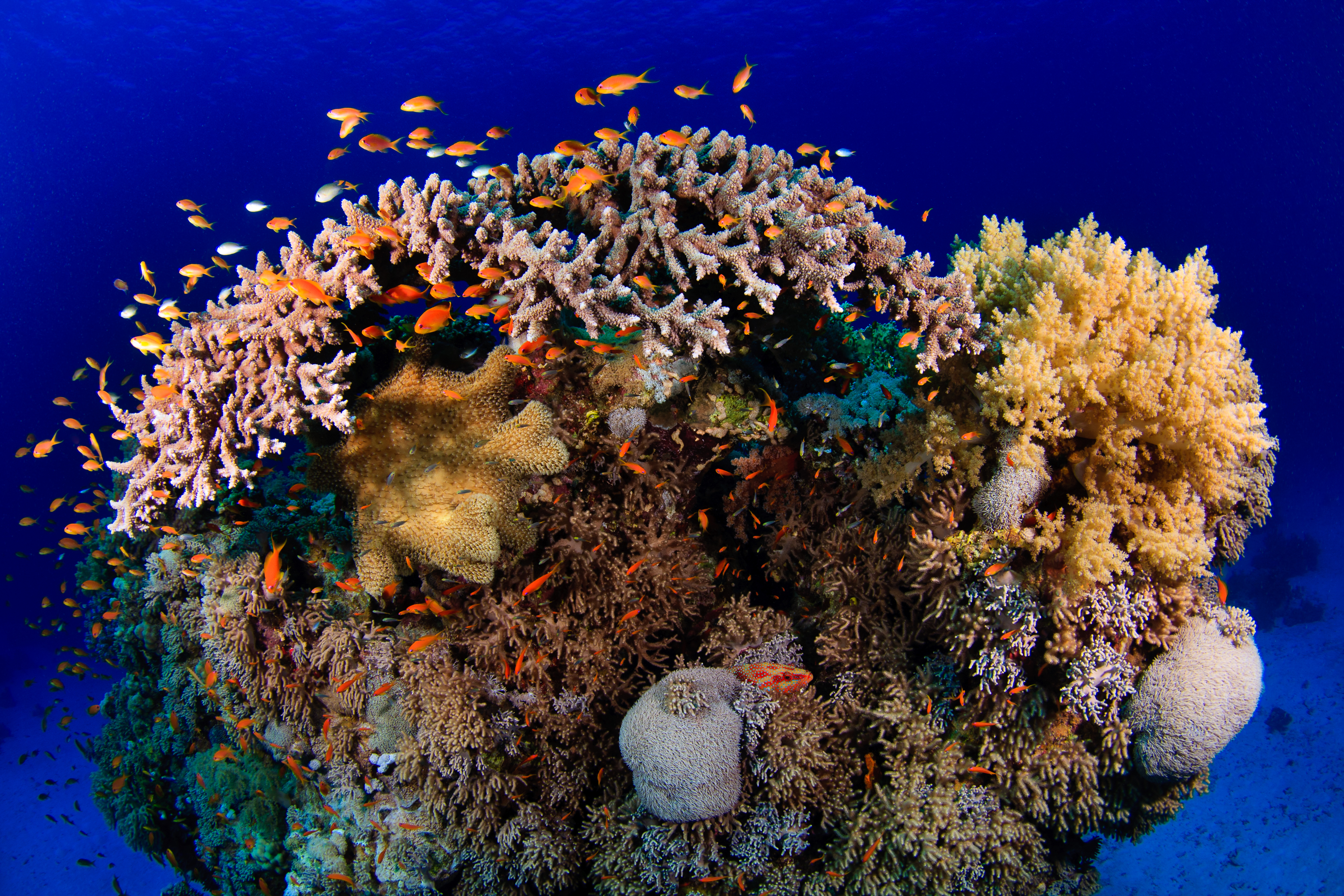
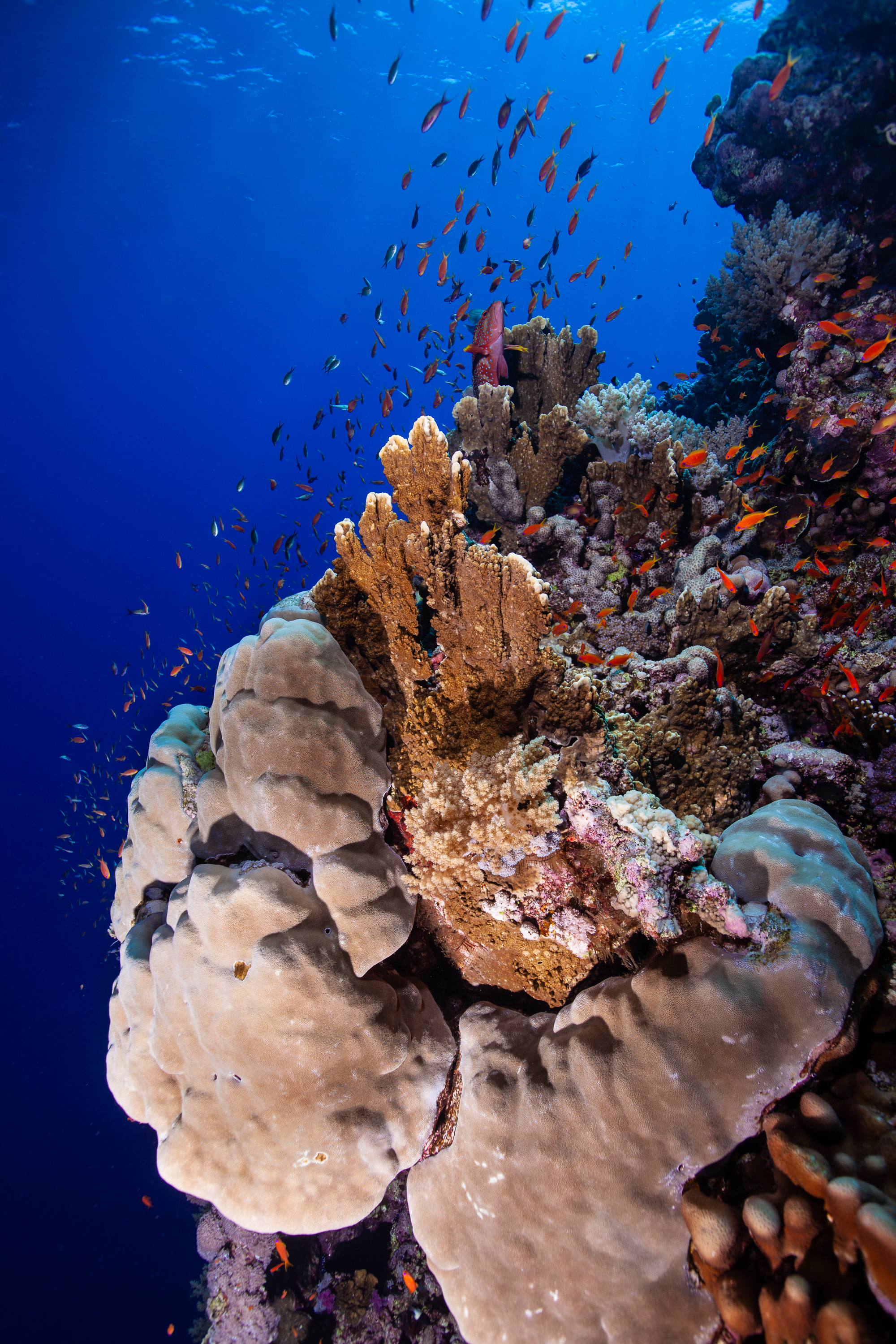
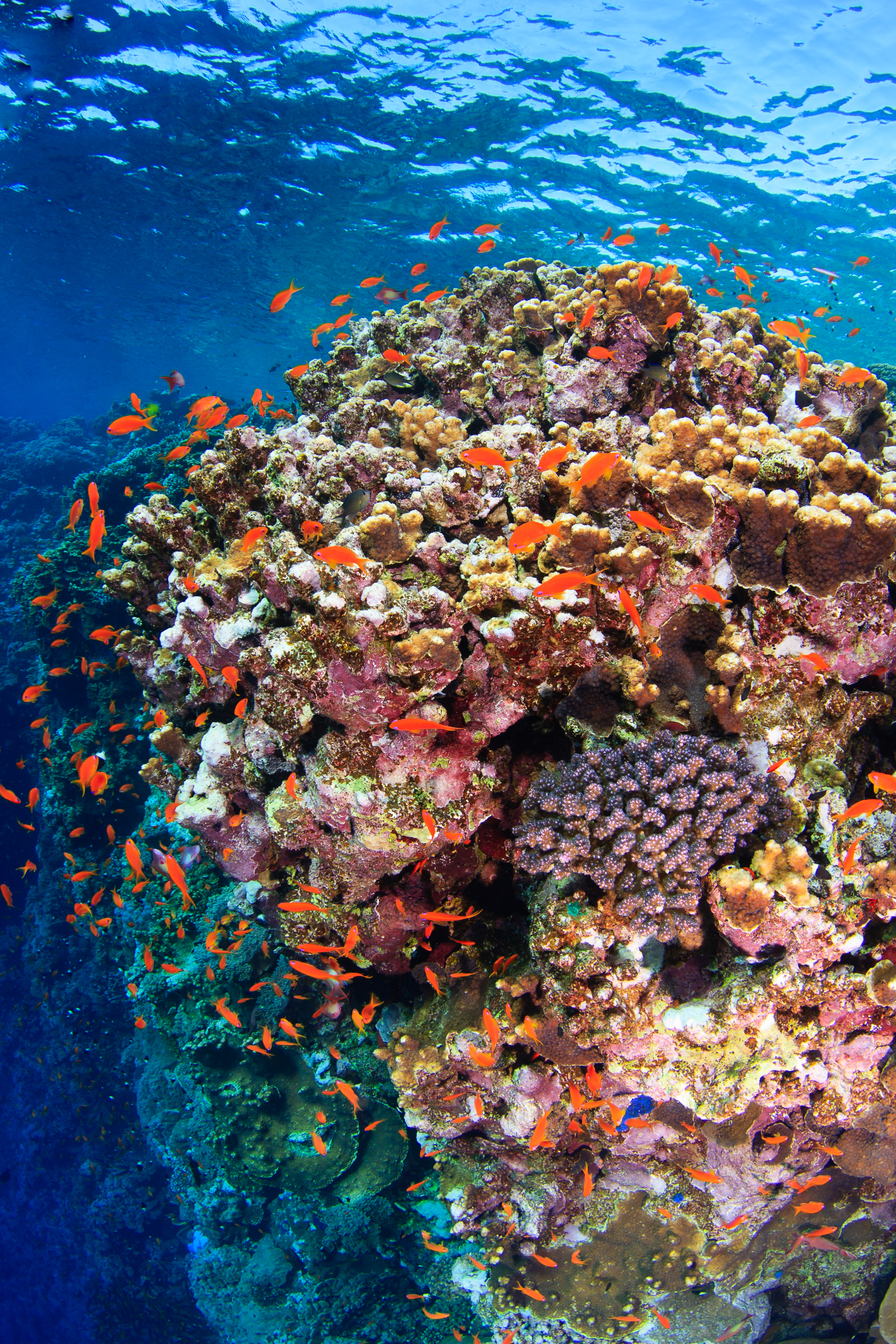
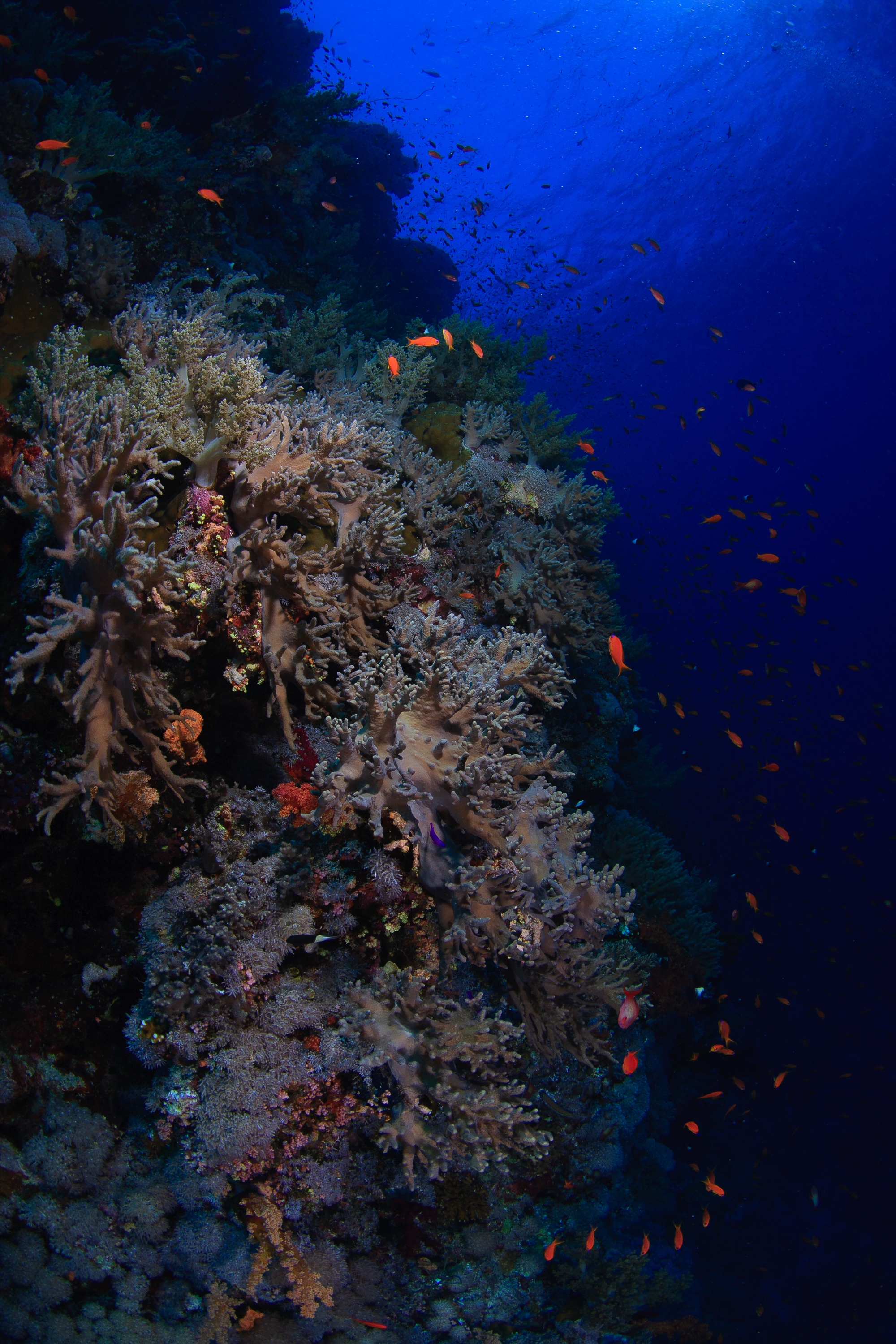
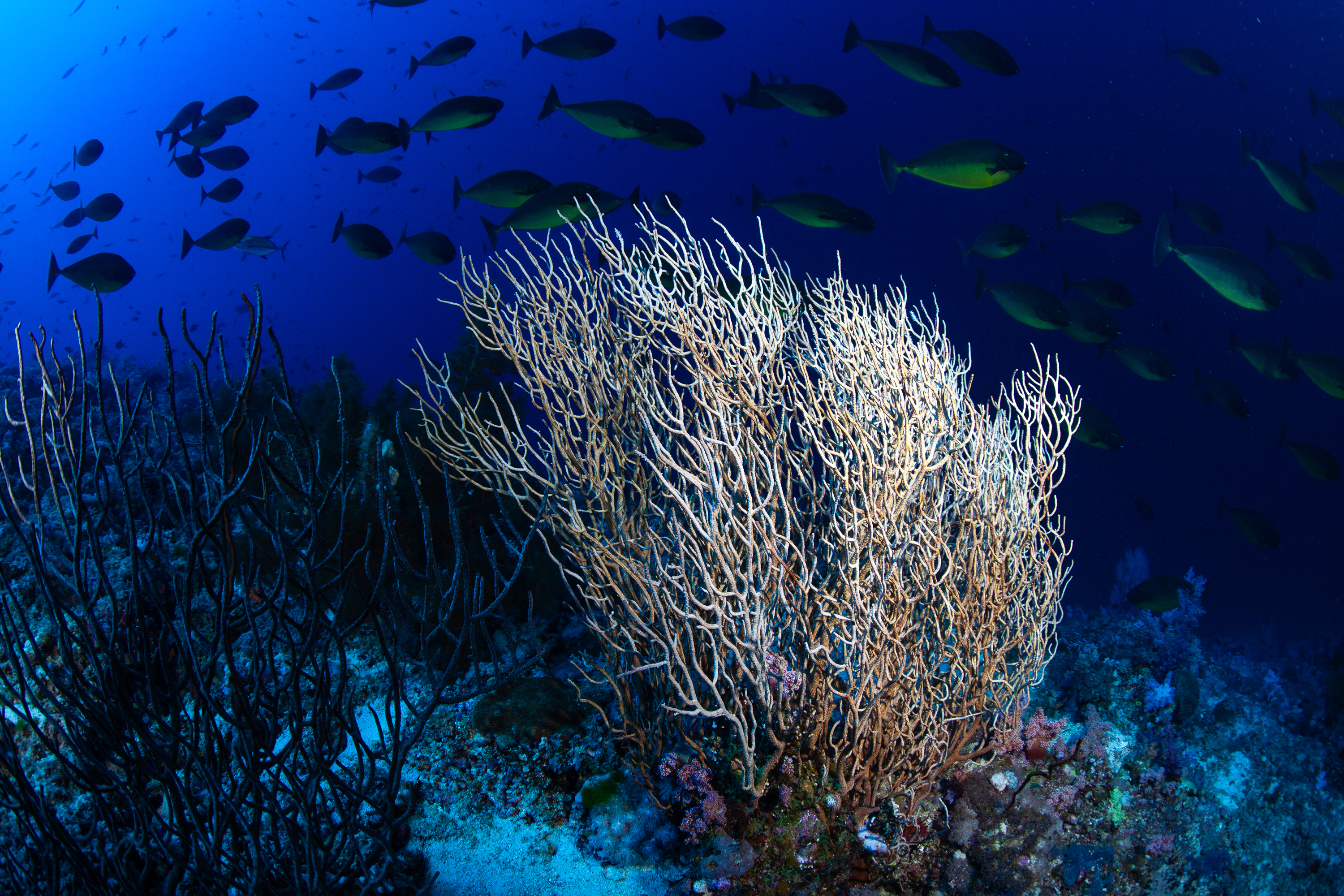
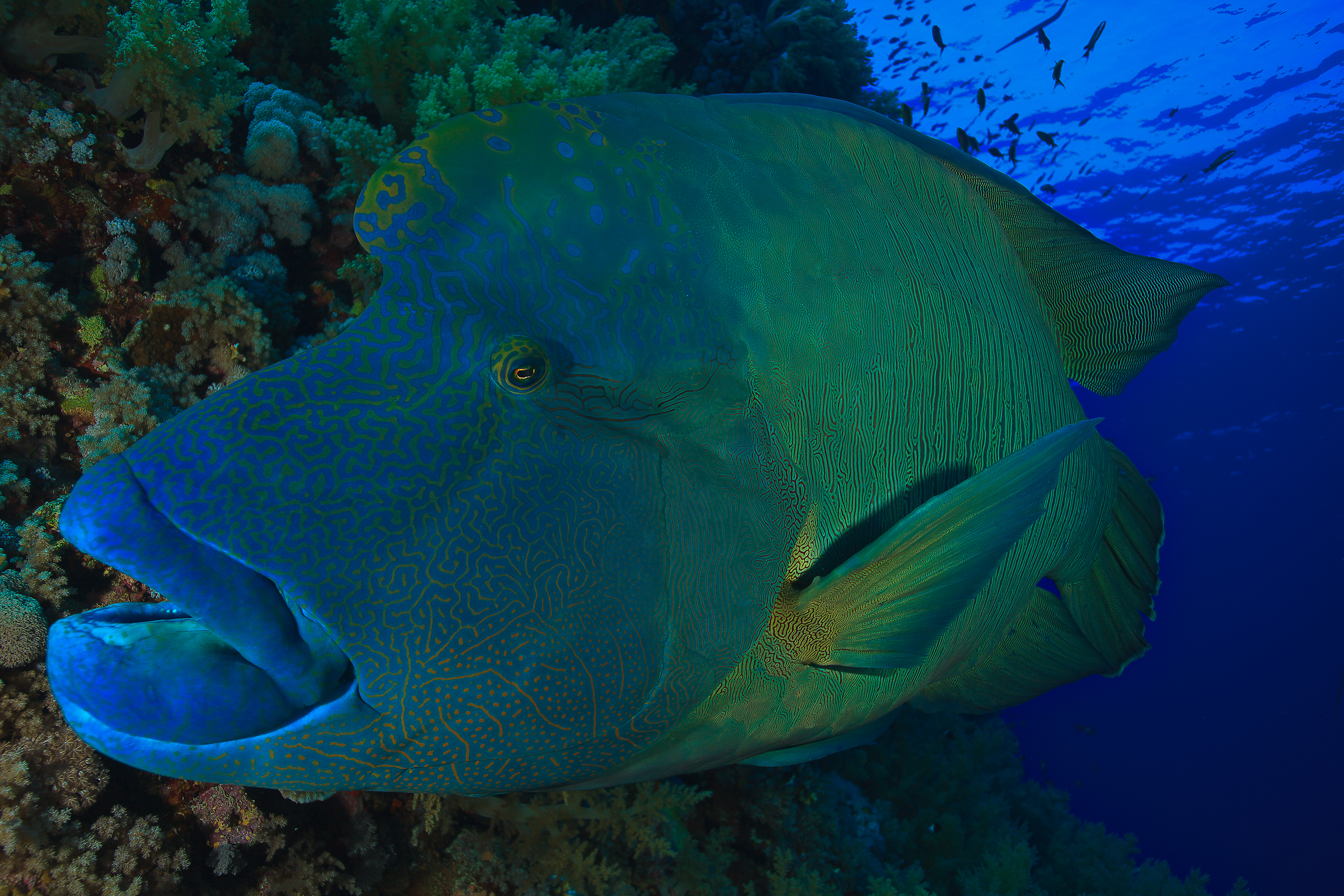
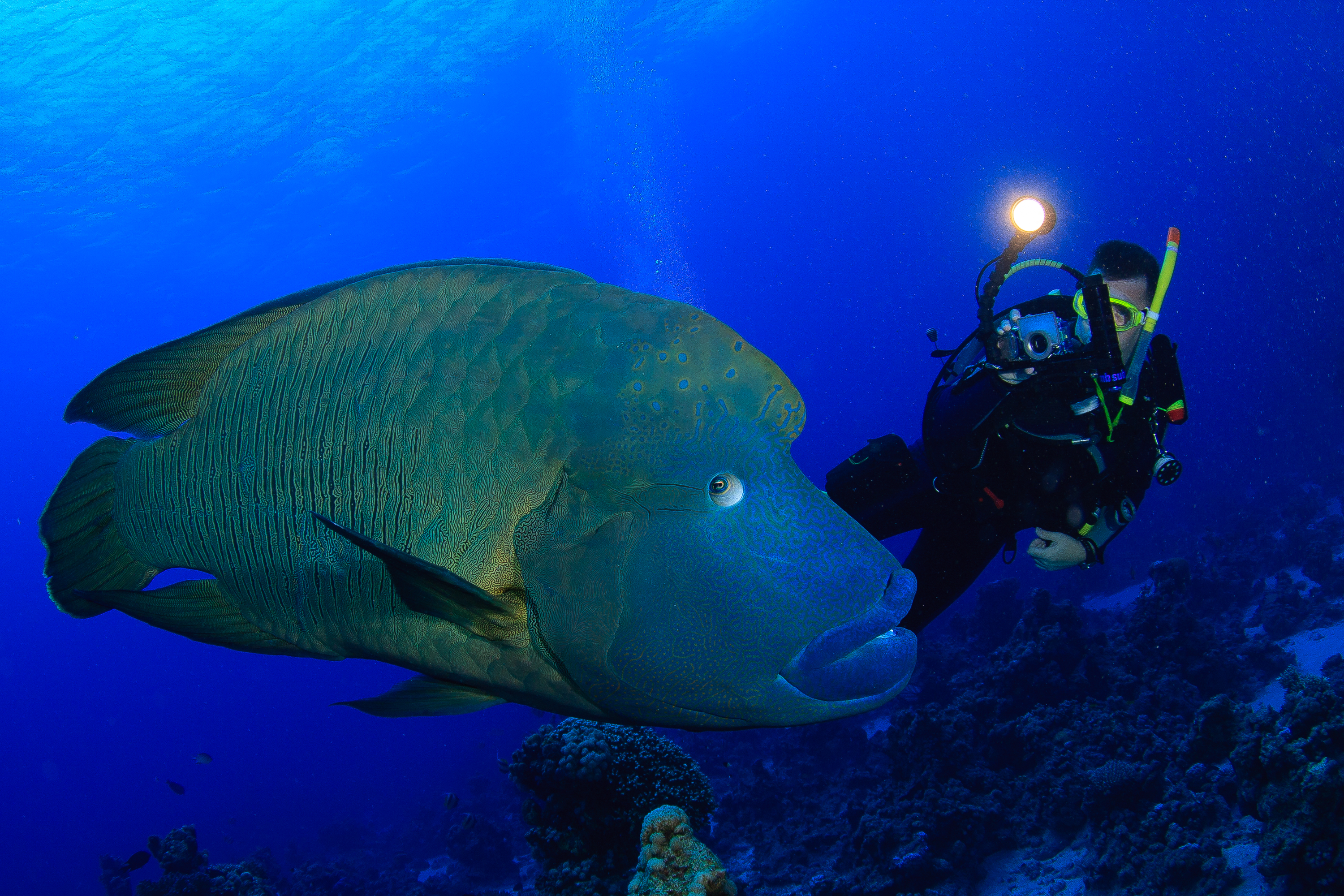
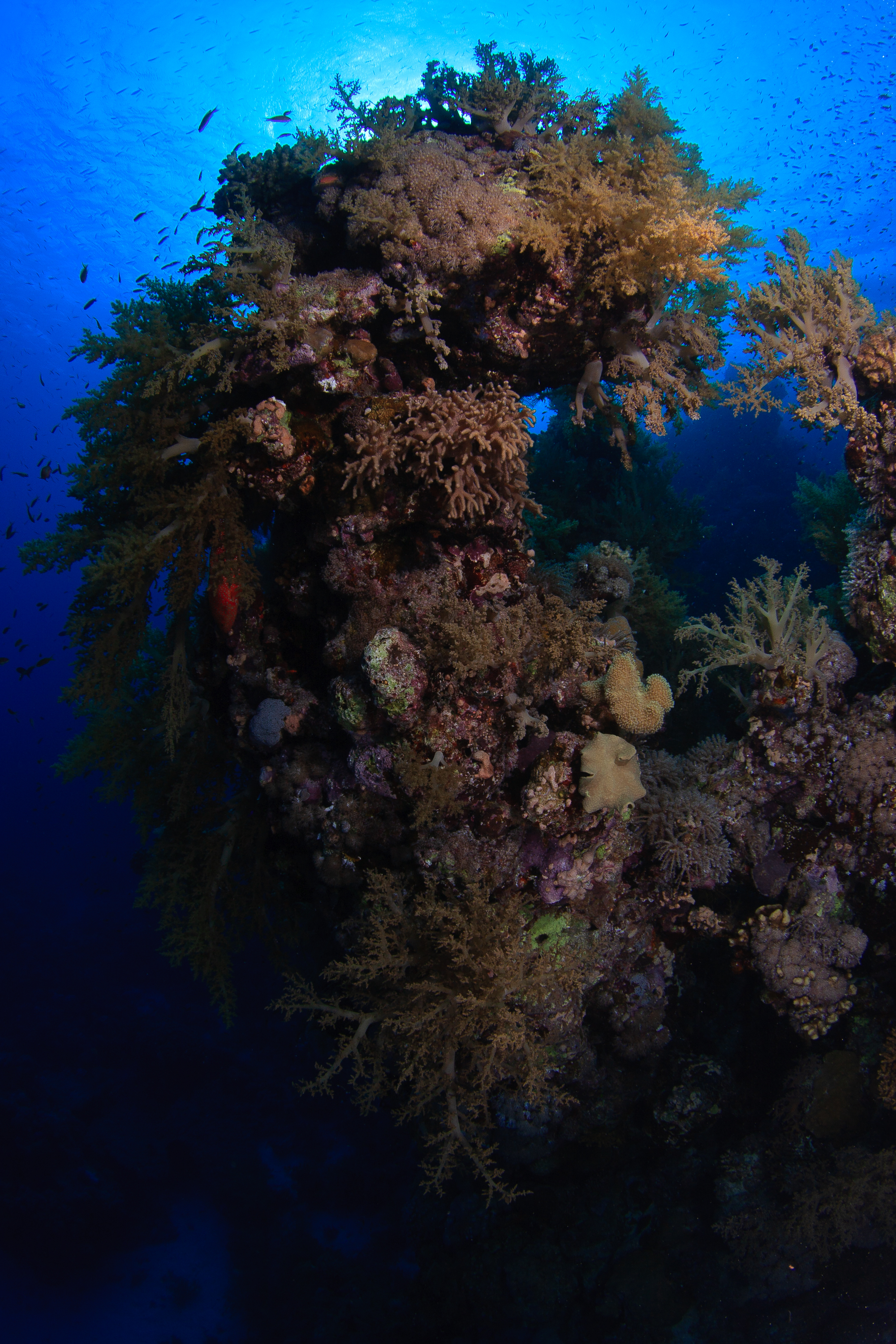
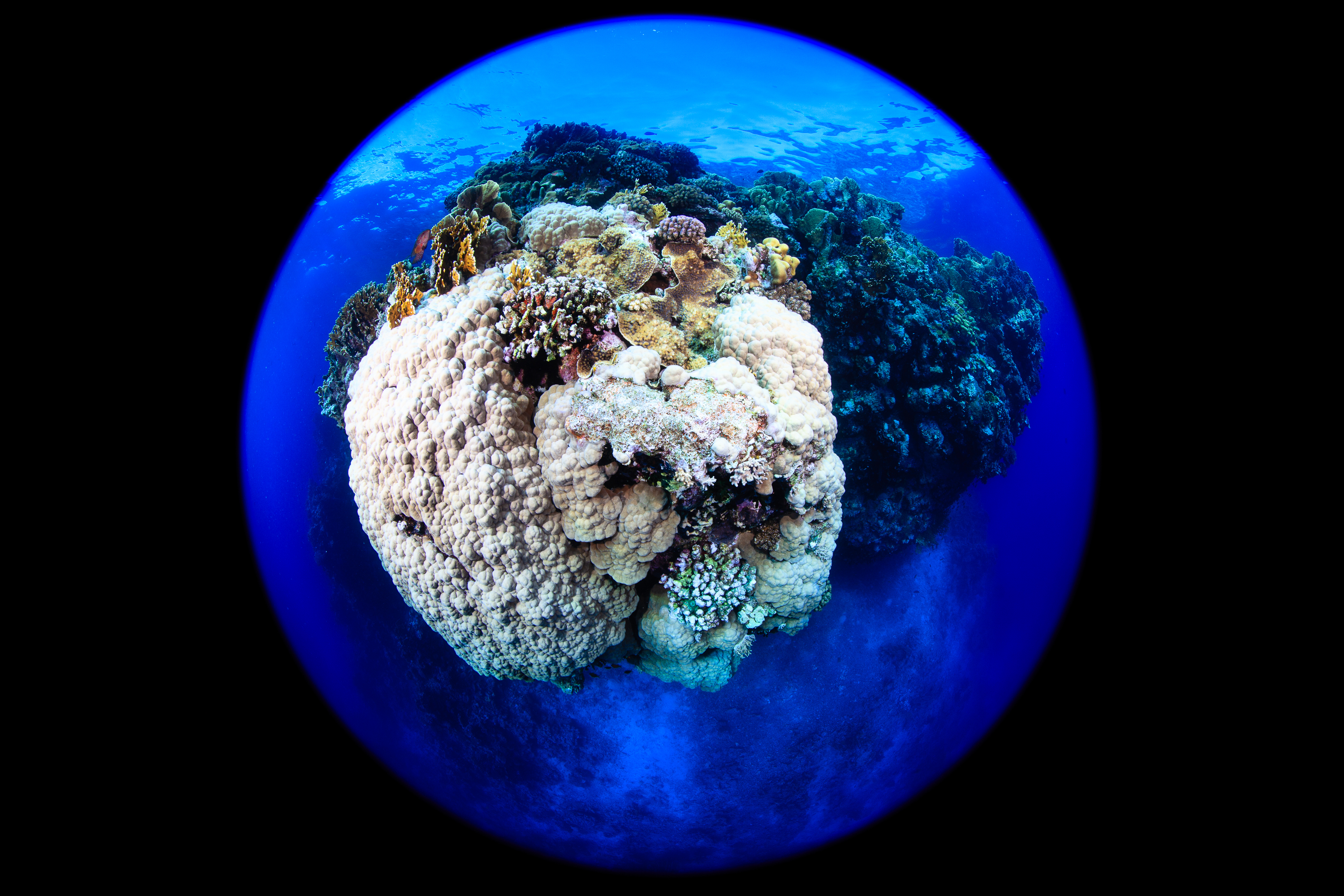
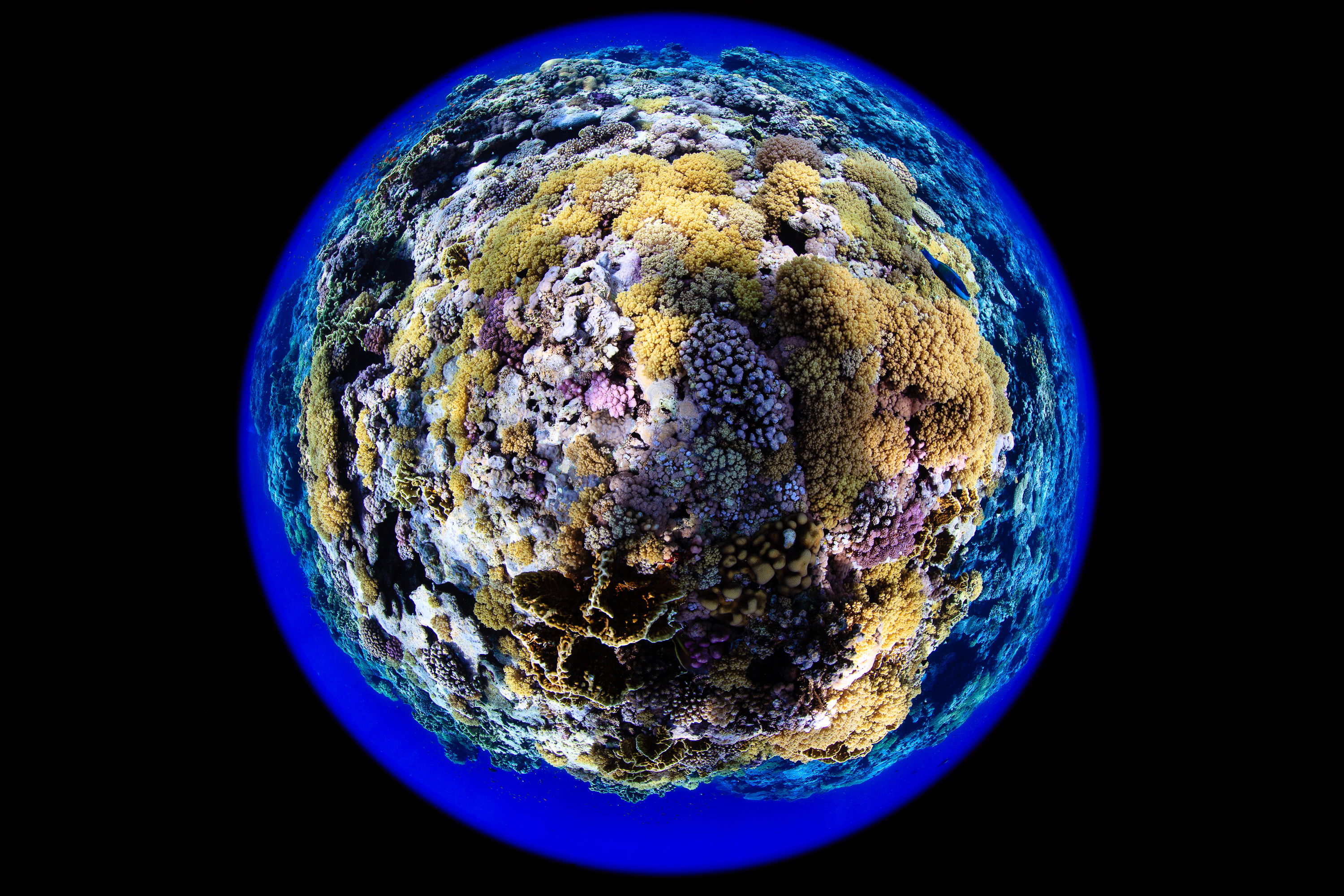
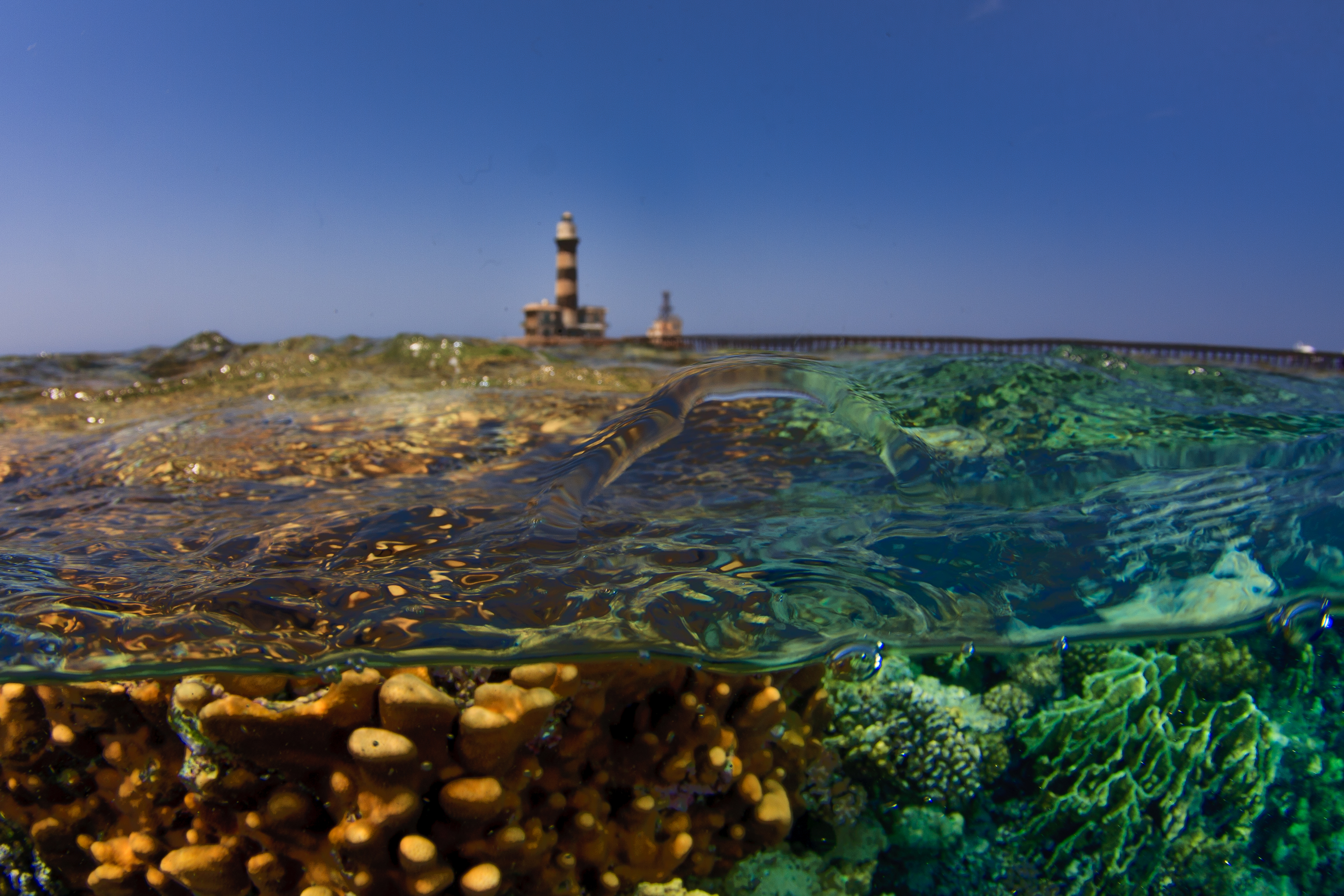
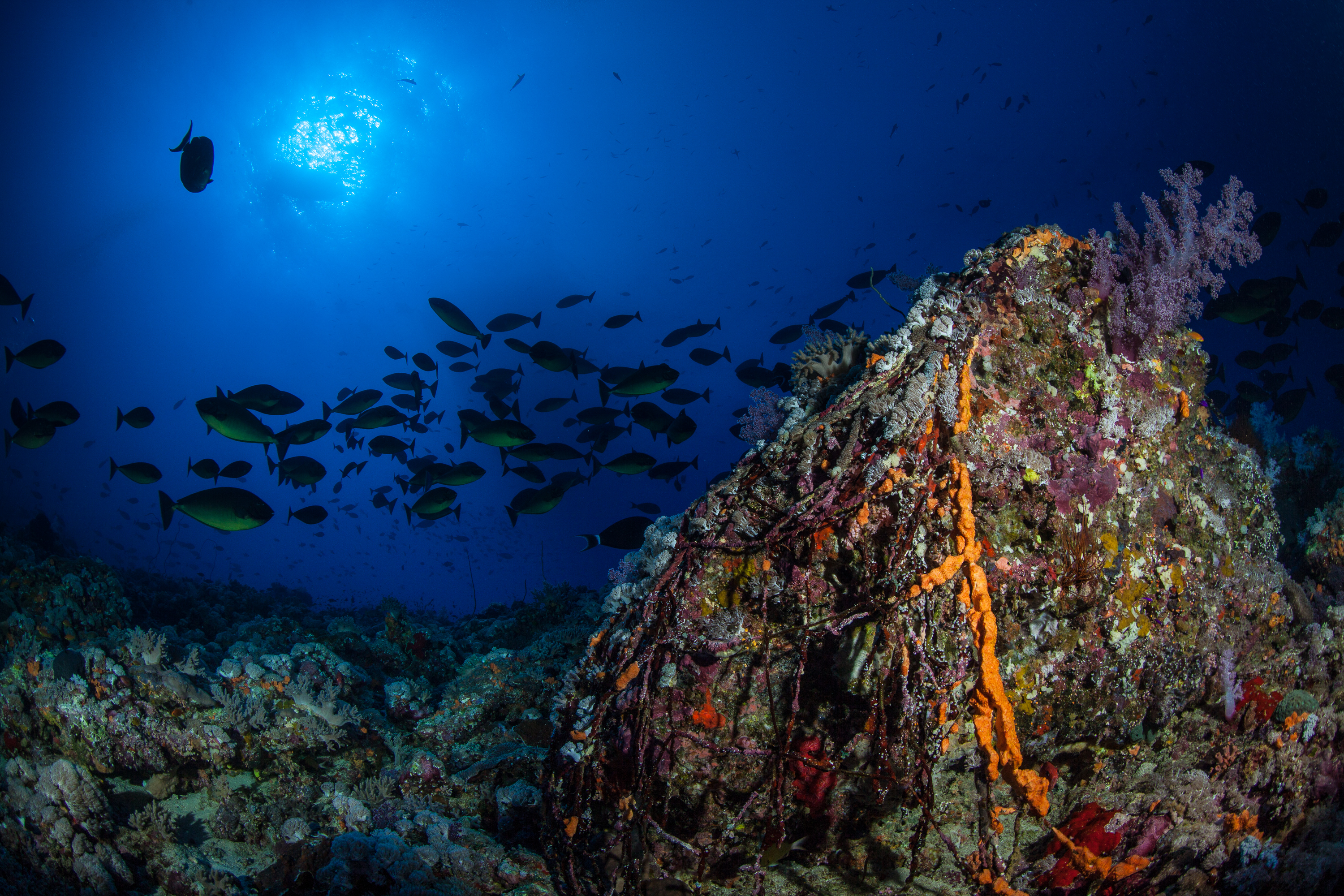
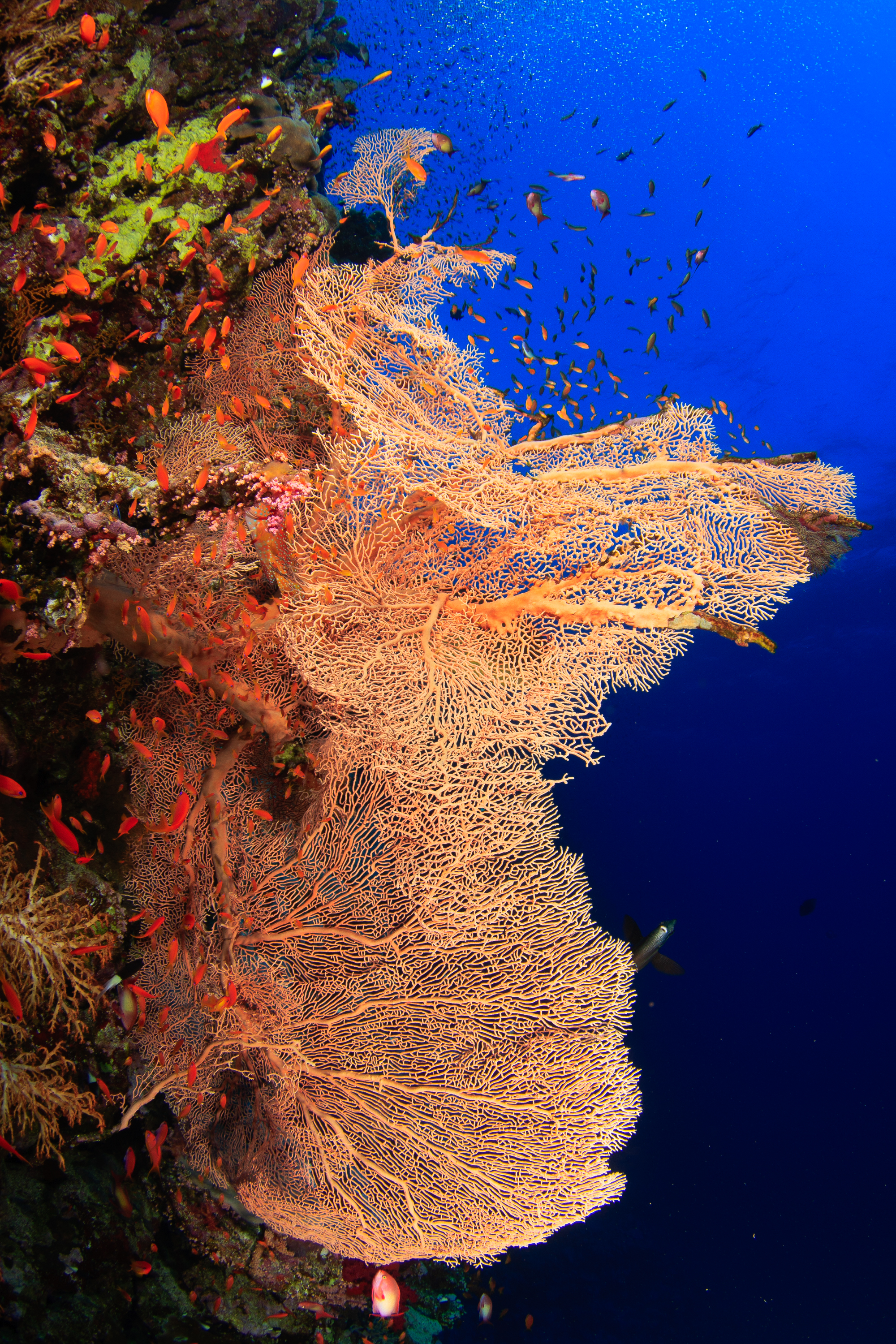
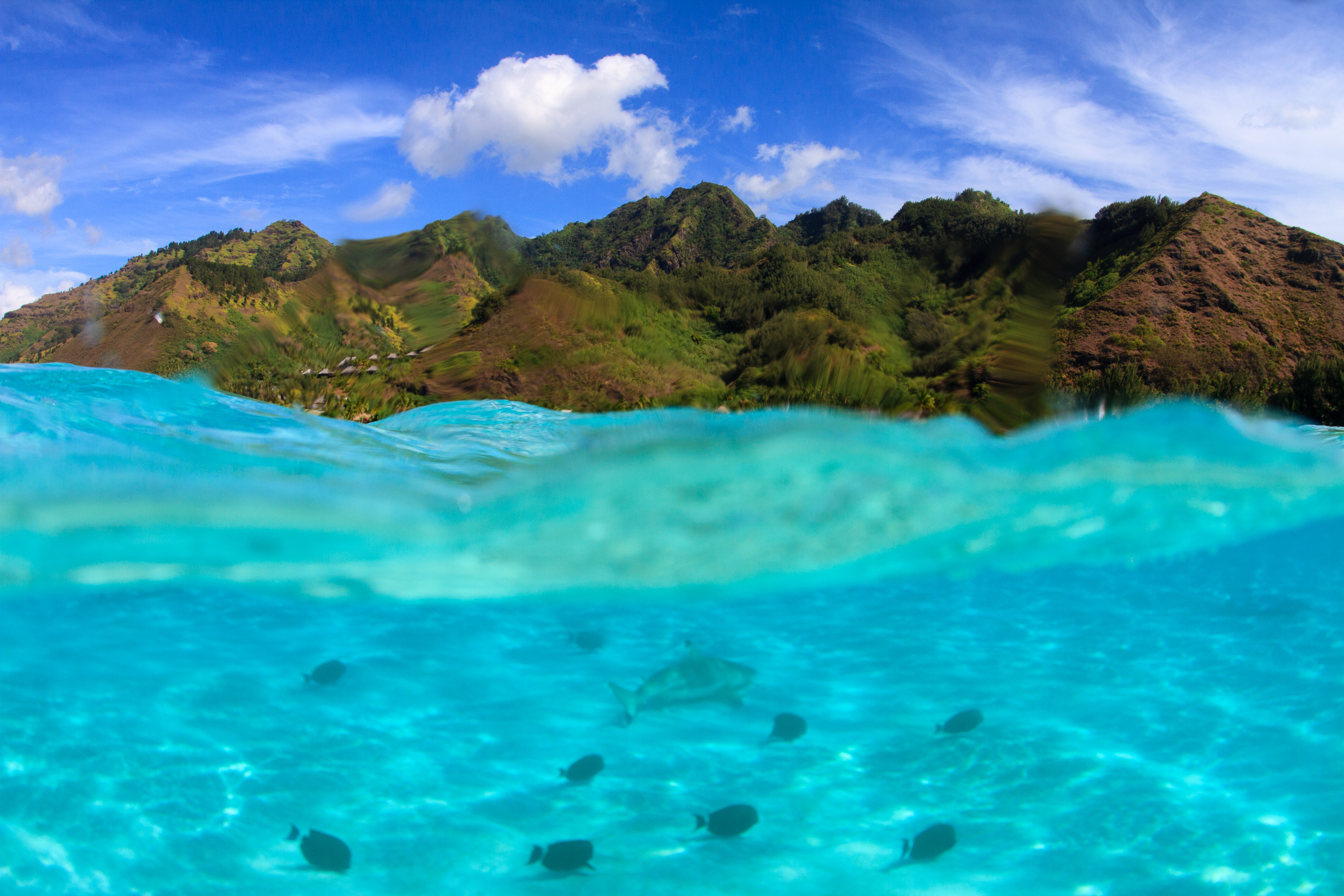
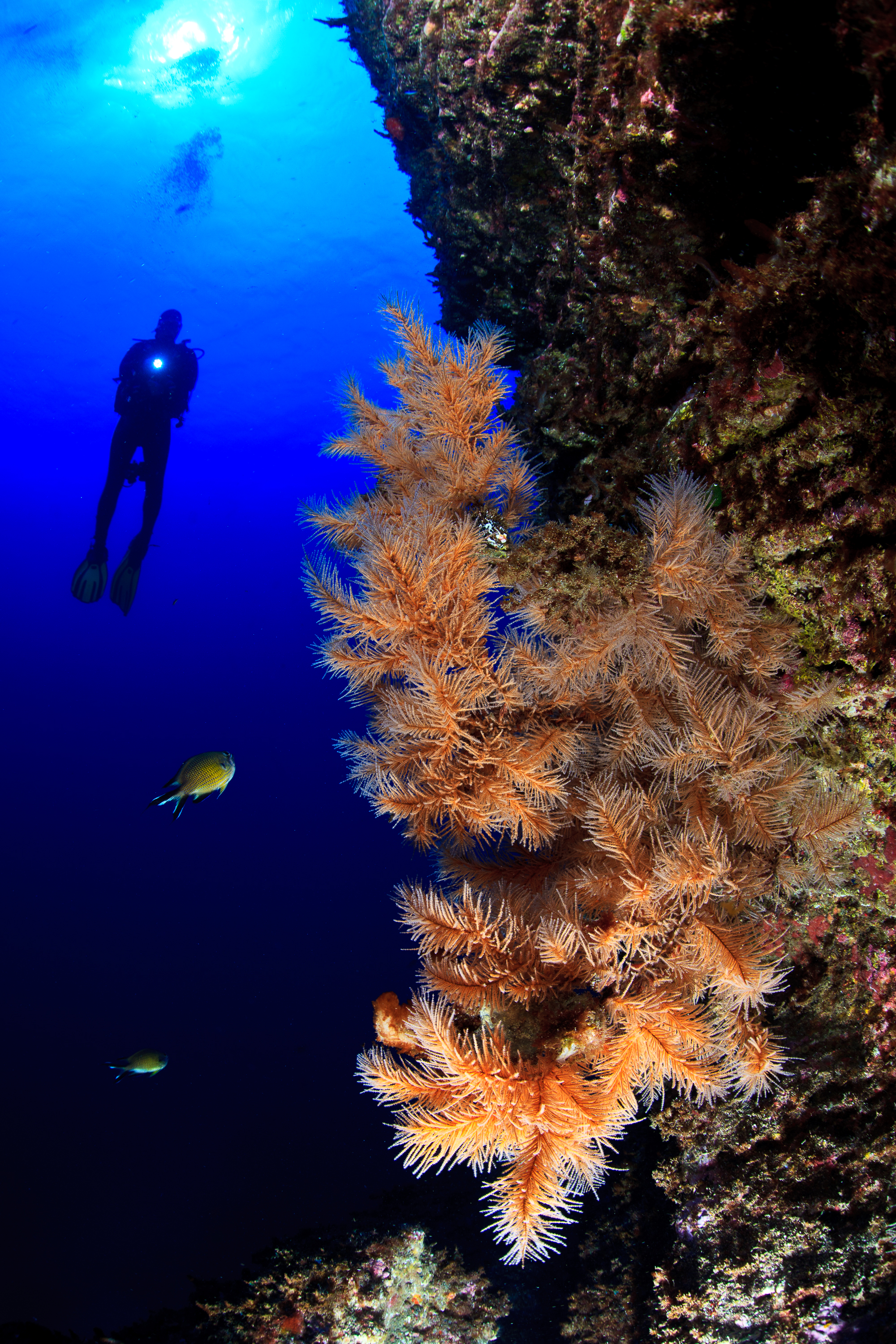
Reefs are where it all started for me, at age eight on my first dive. From the soft coral walls of Brothers Islands and Marsa Alam to gorgonian gardens in Sudan and the protected hard corals of Tubbataha, this is the thing that has never worn off.
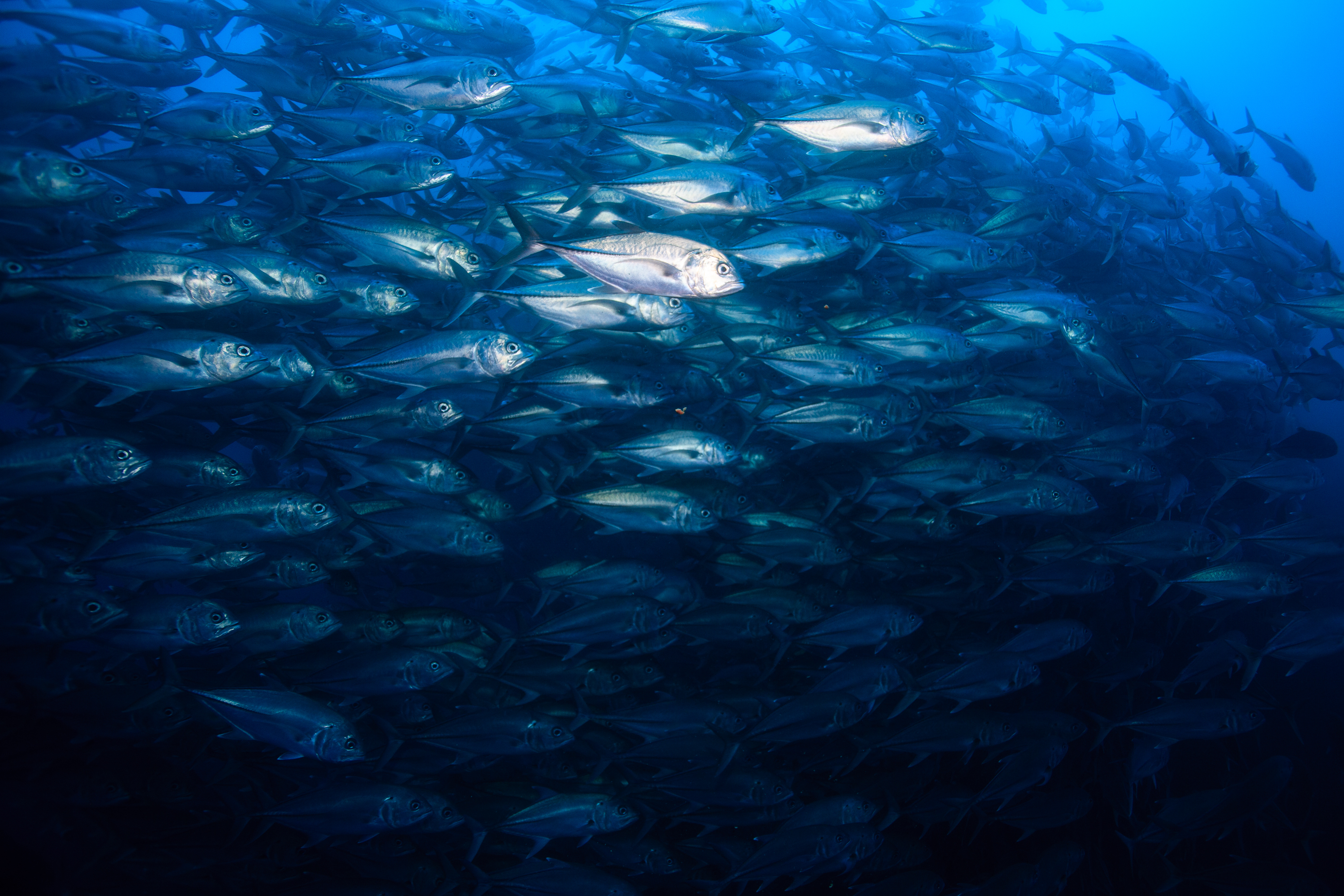
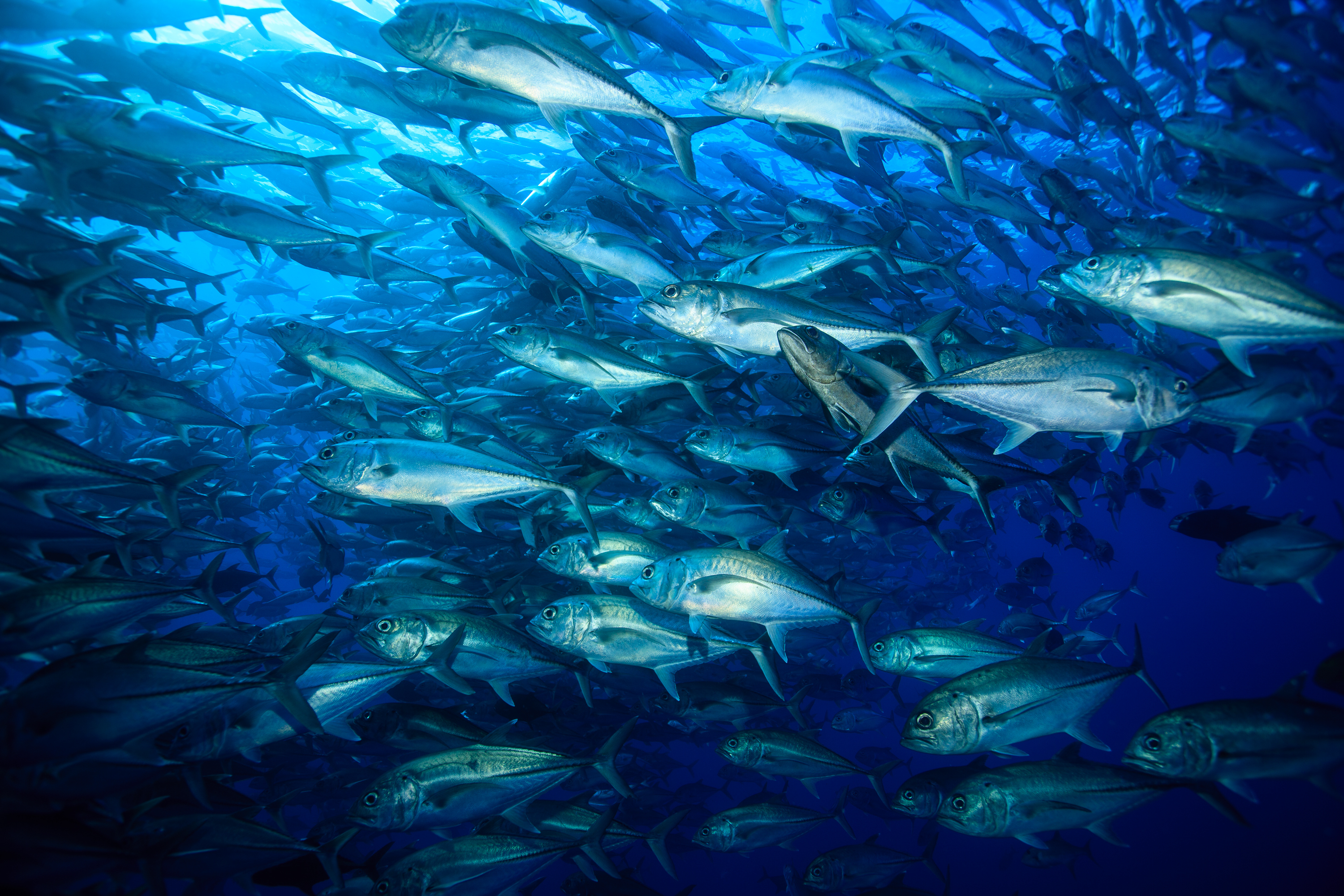
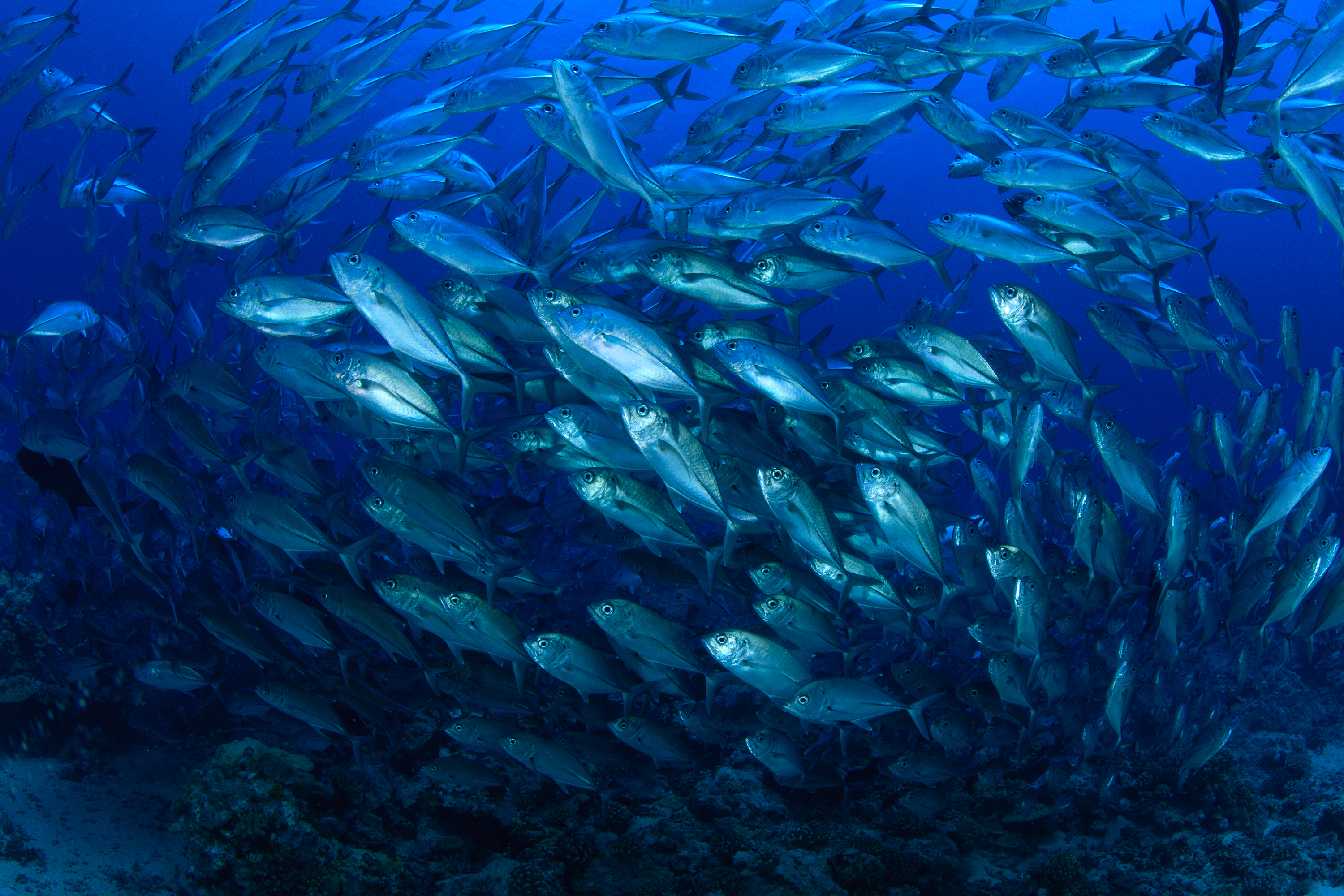
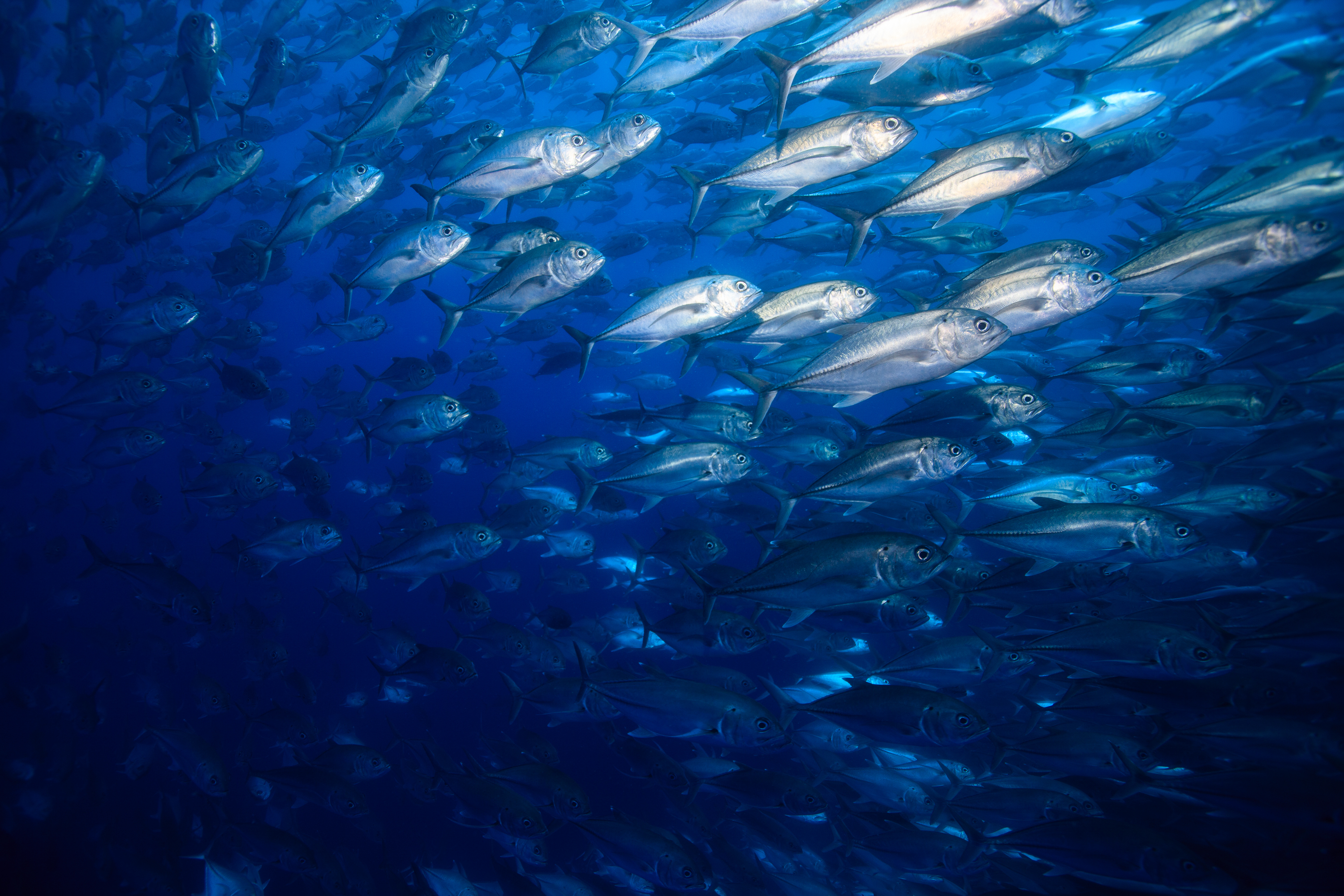
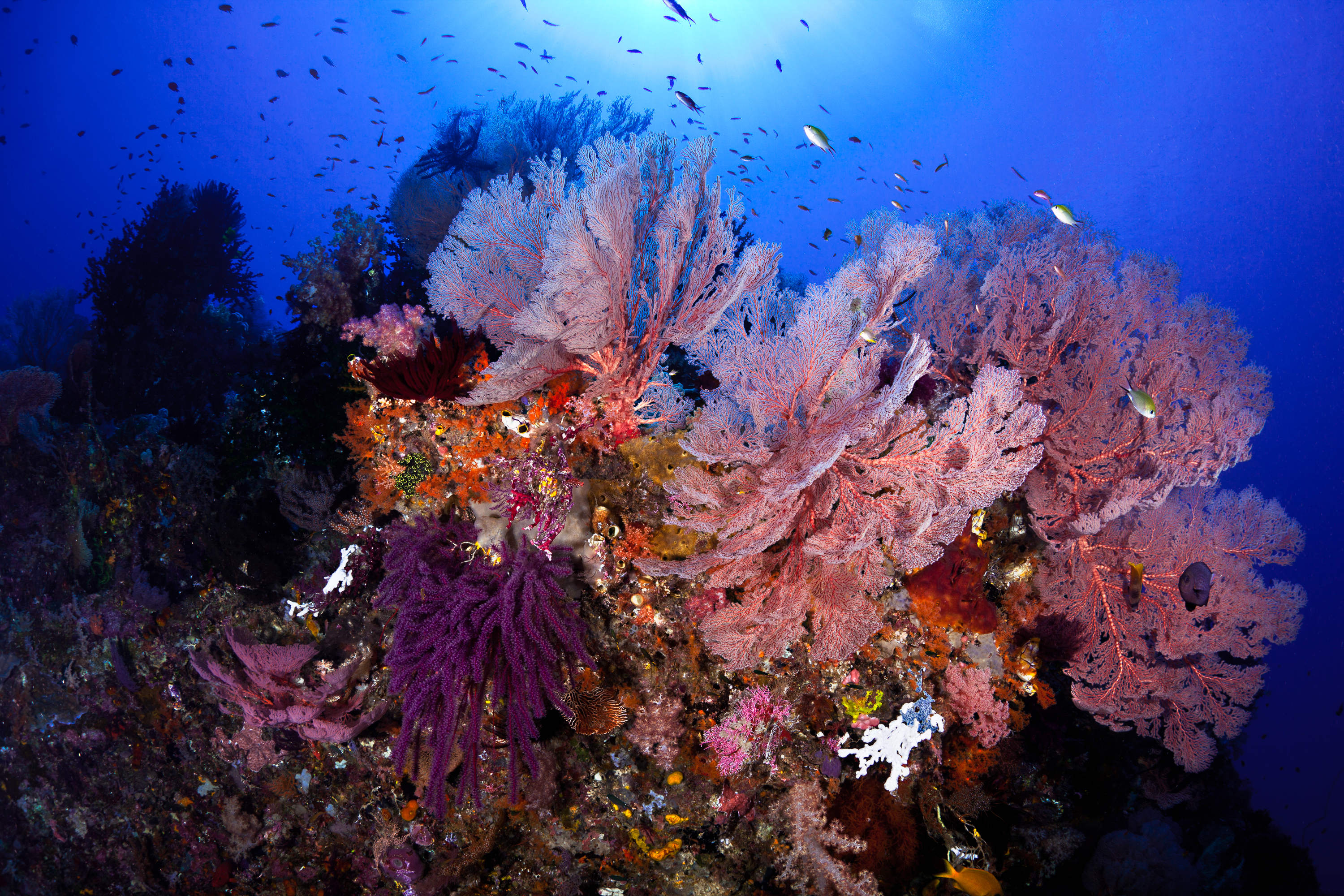
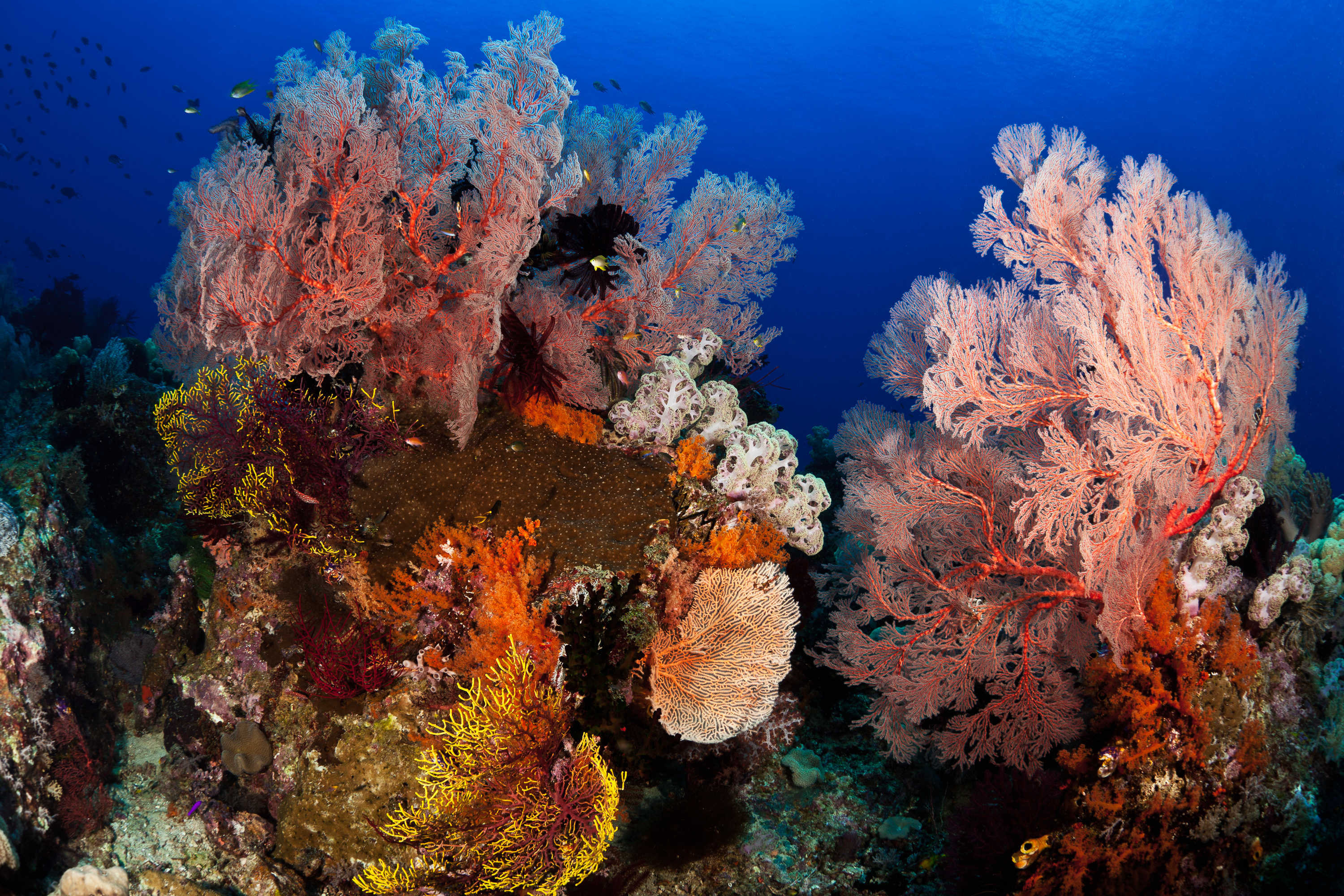
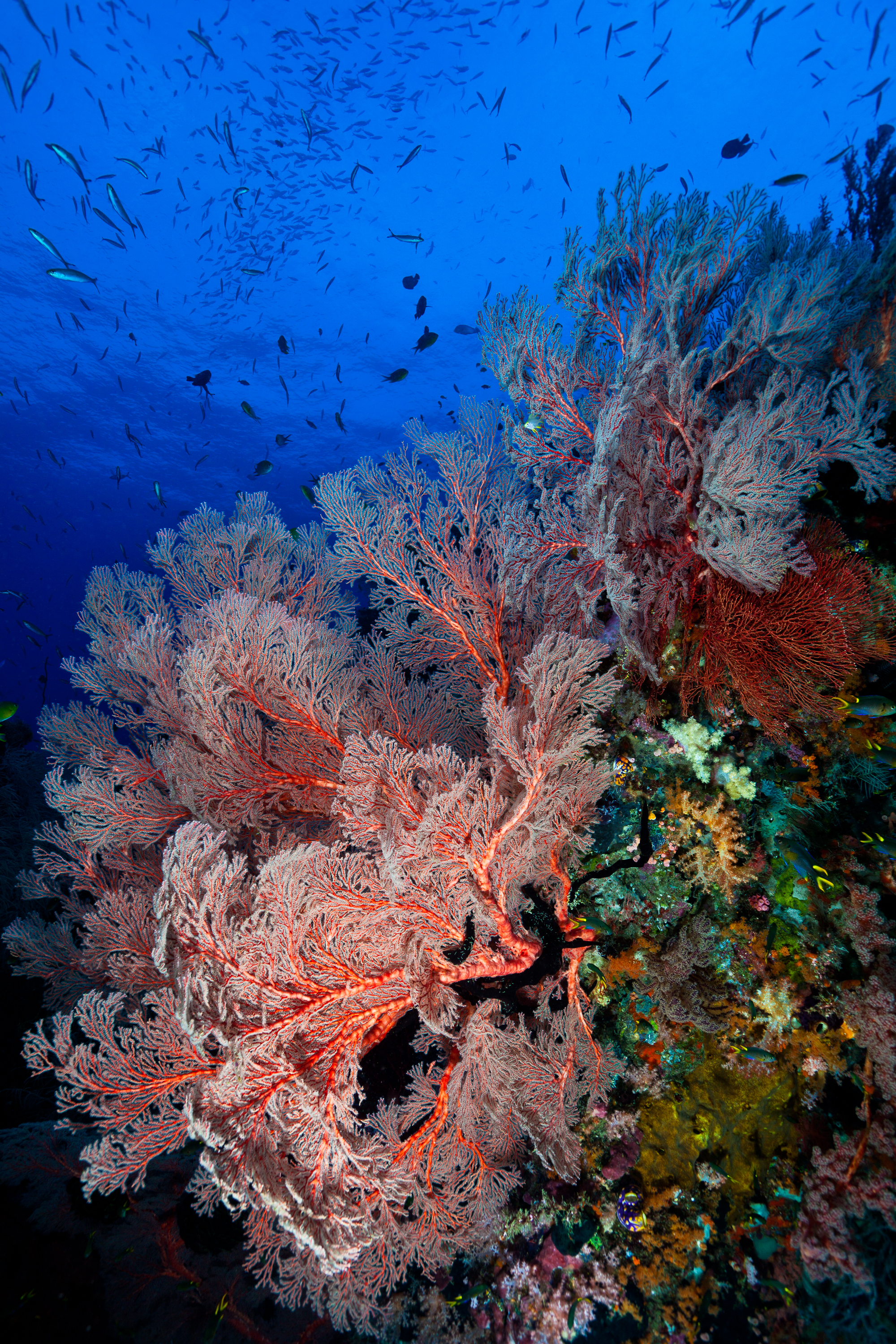
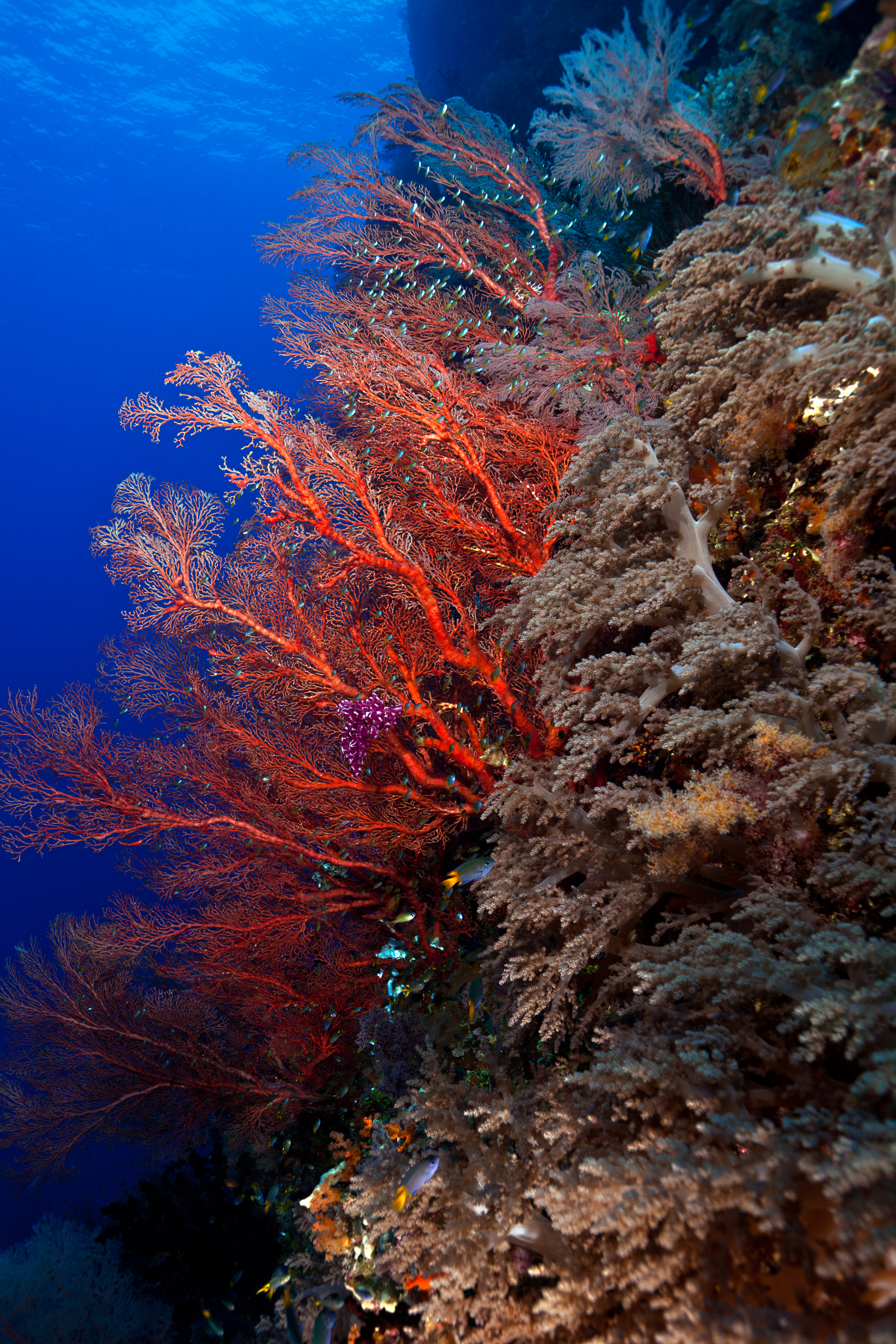
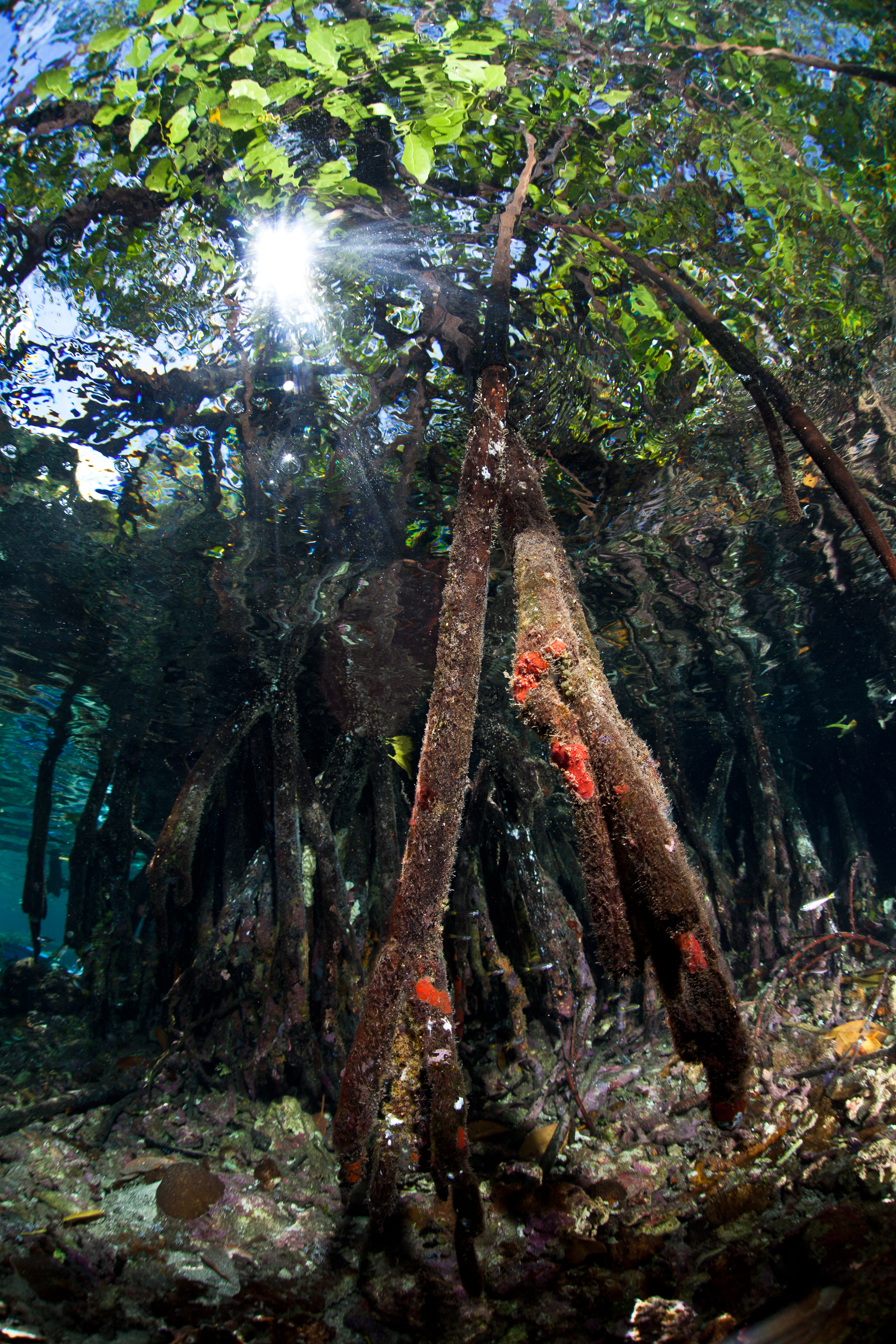
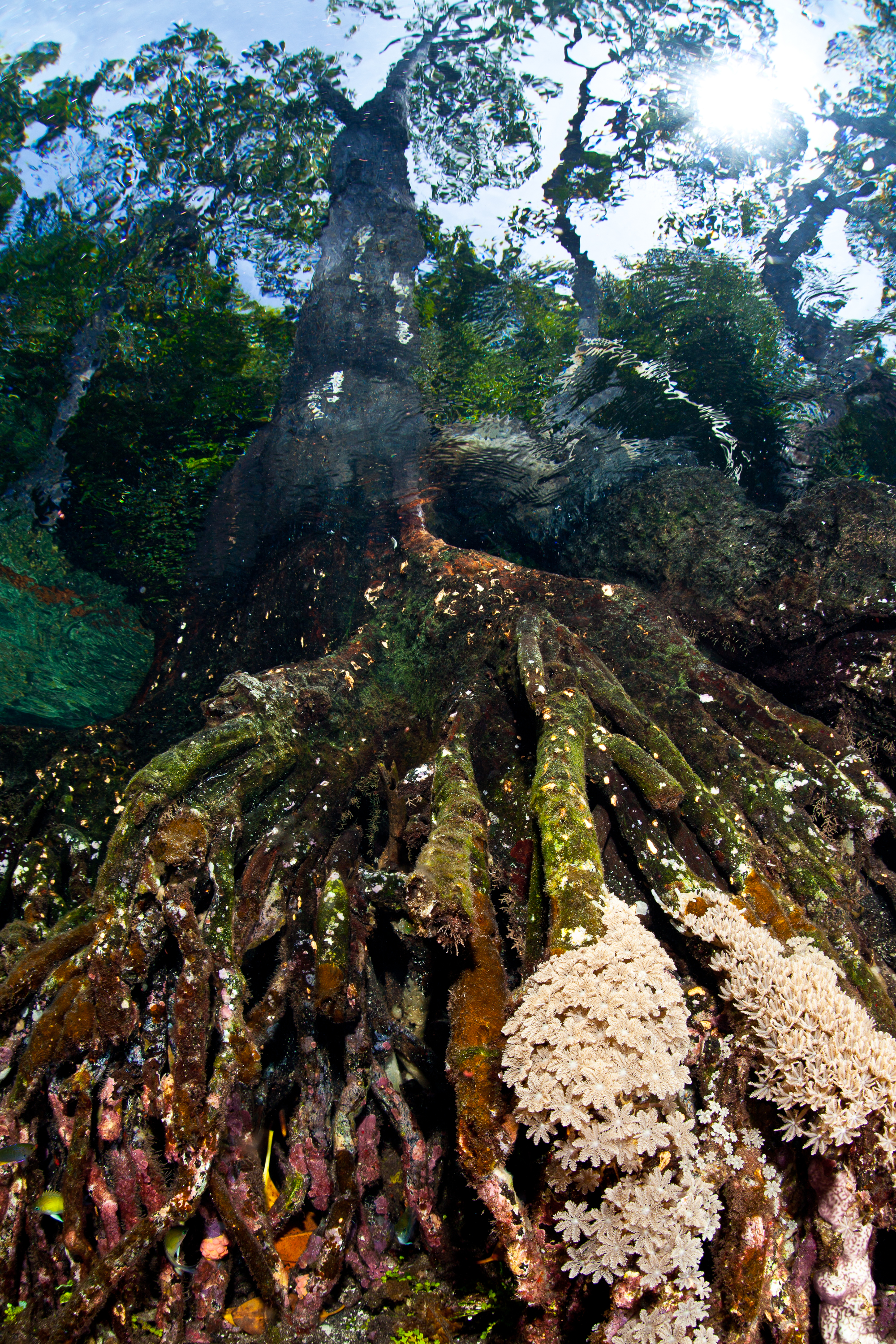
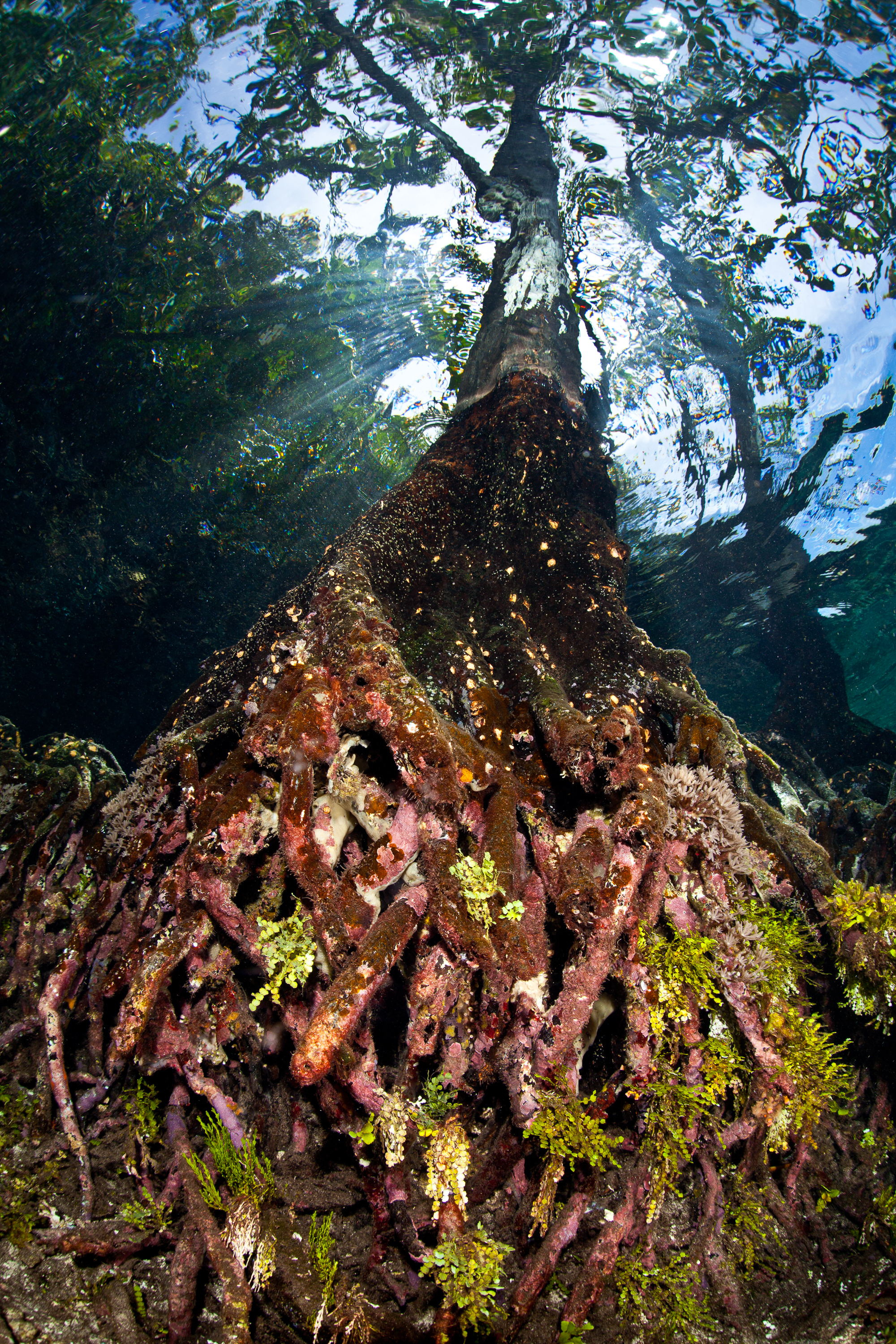
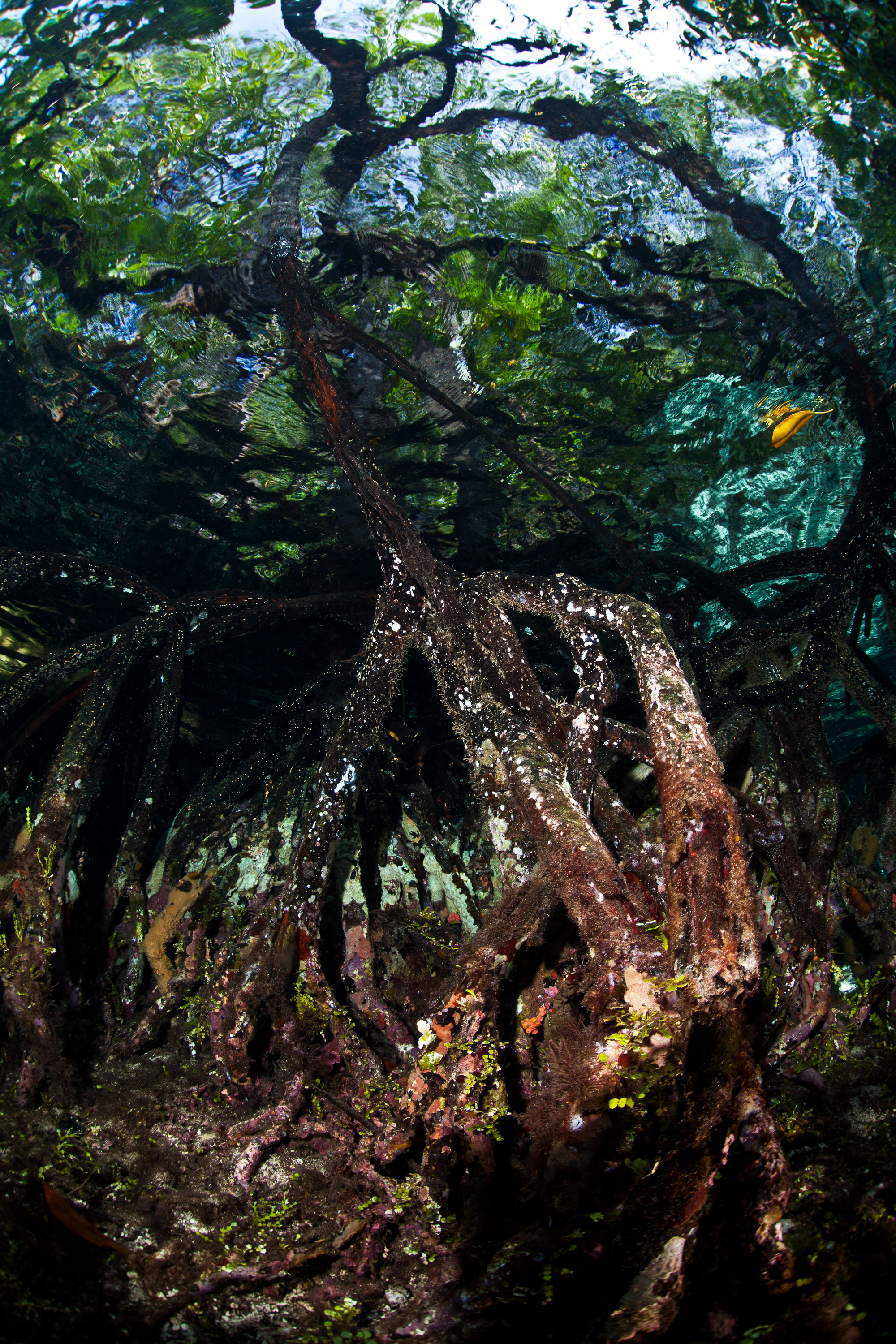
Where it all started
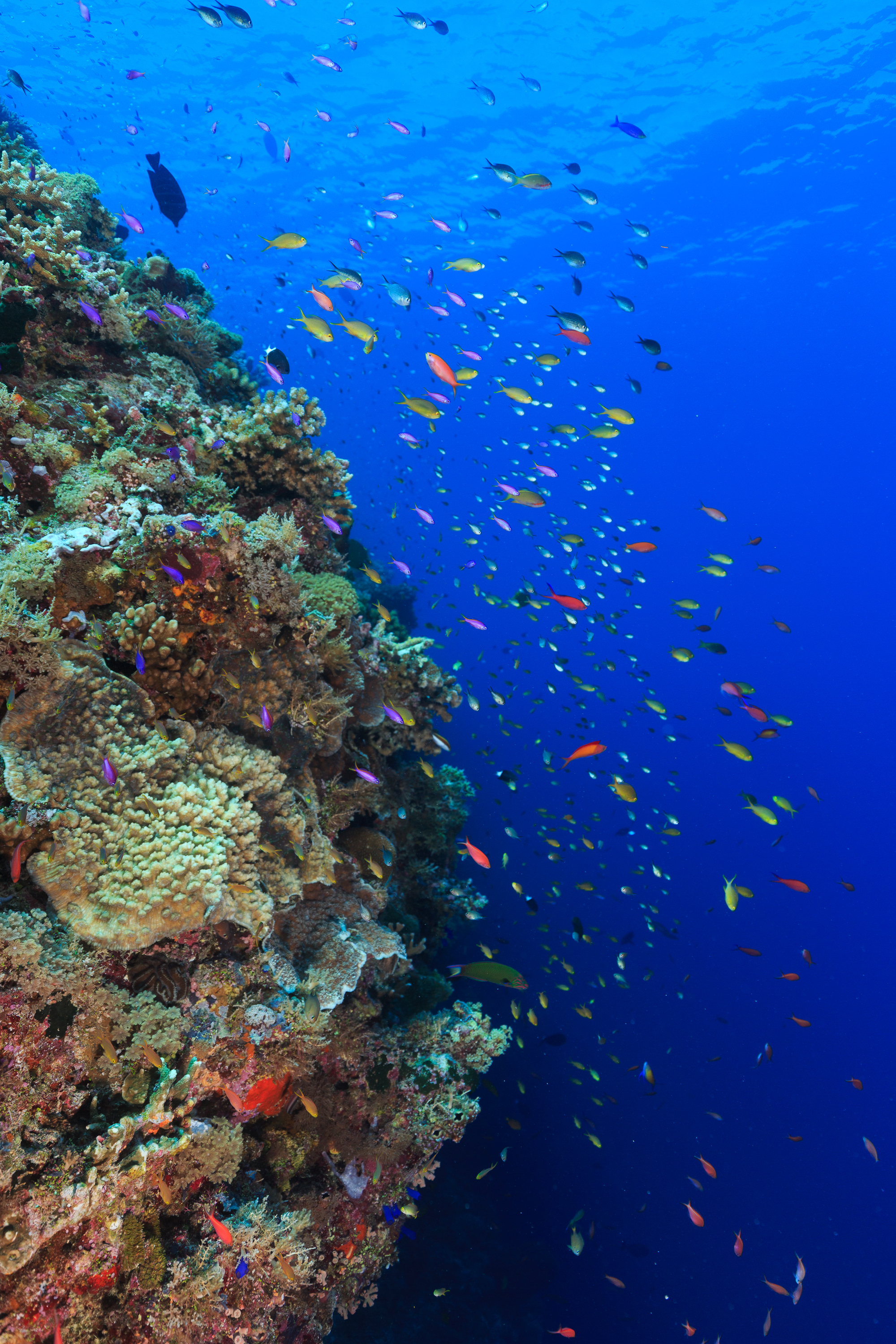
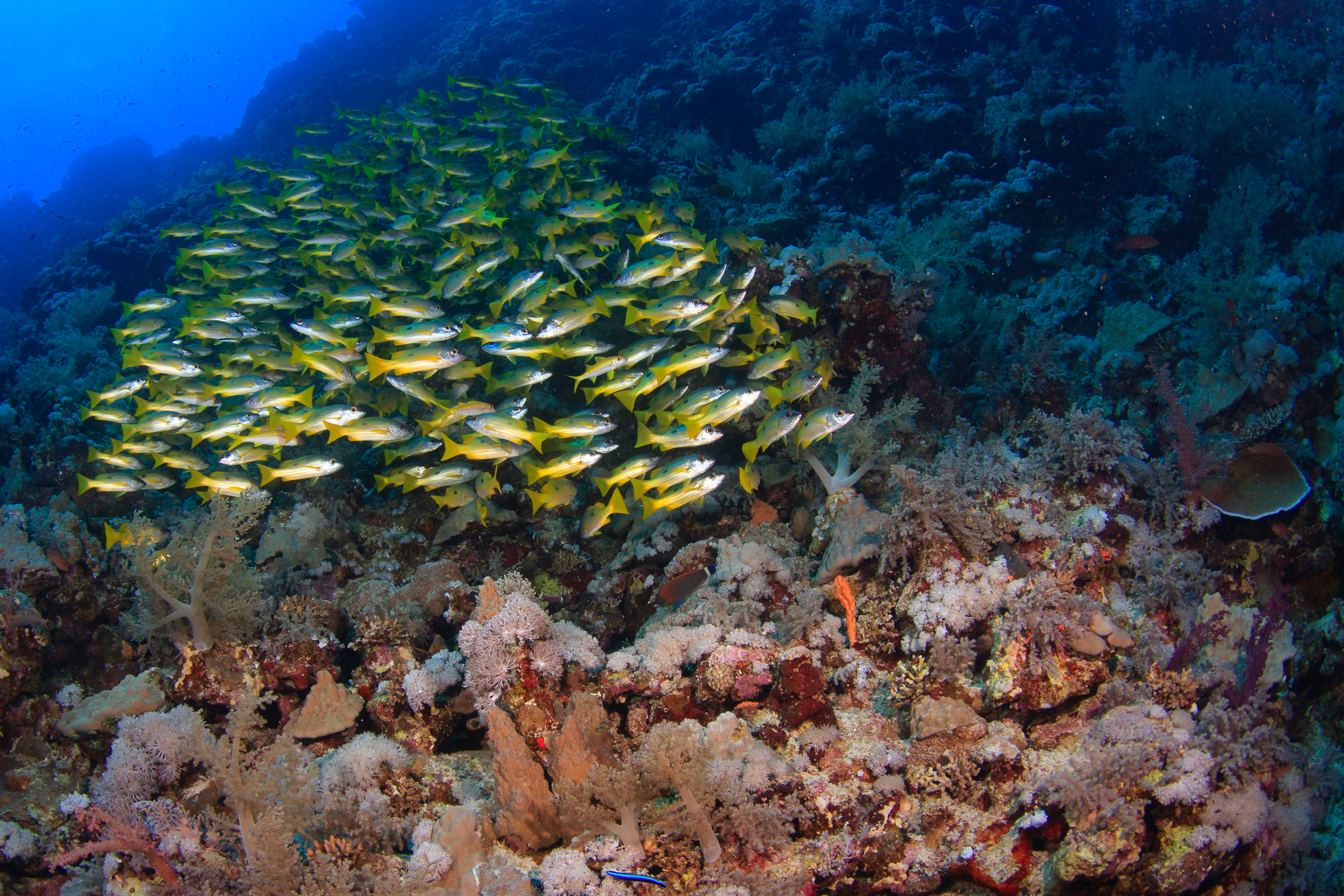
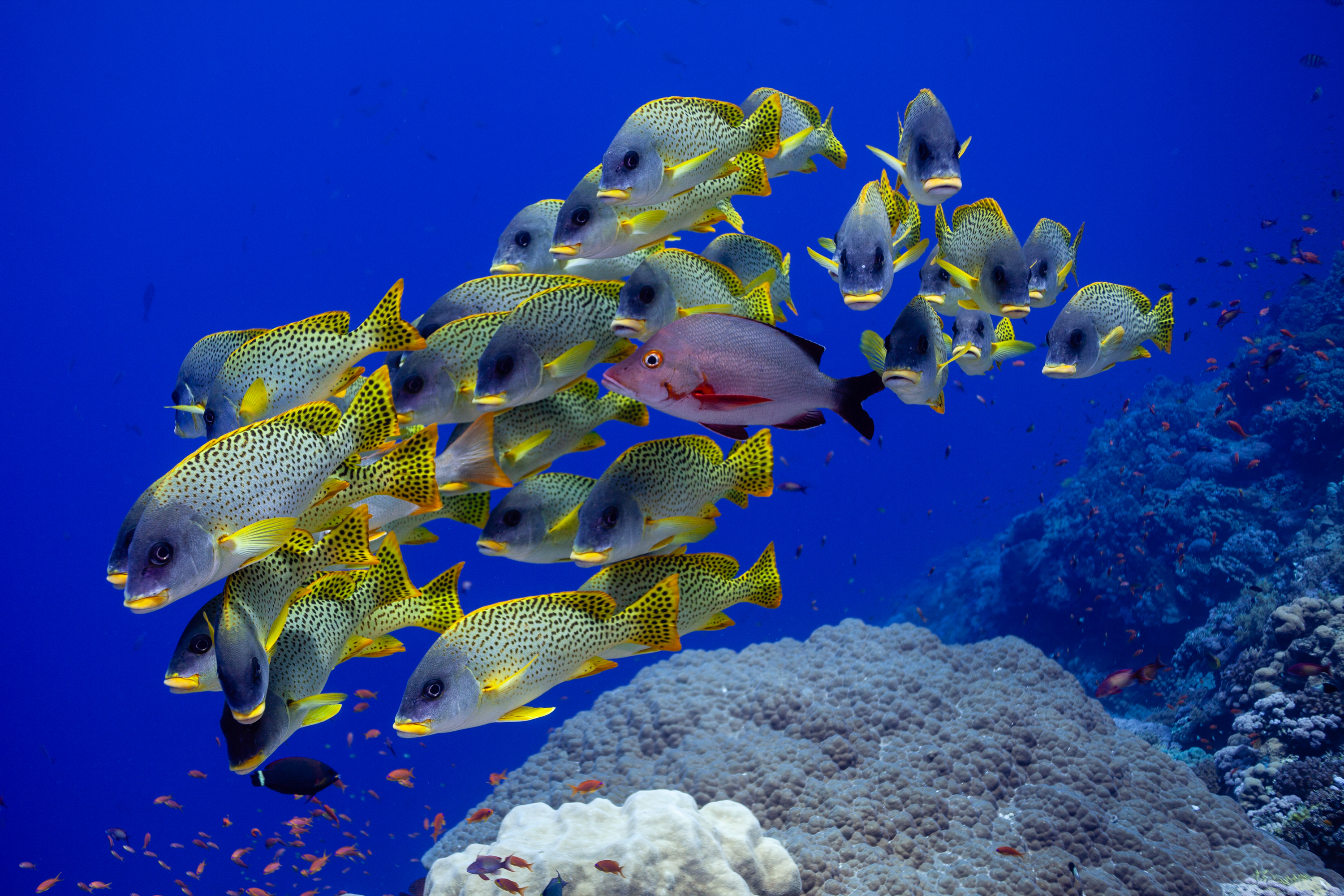
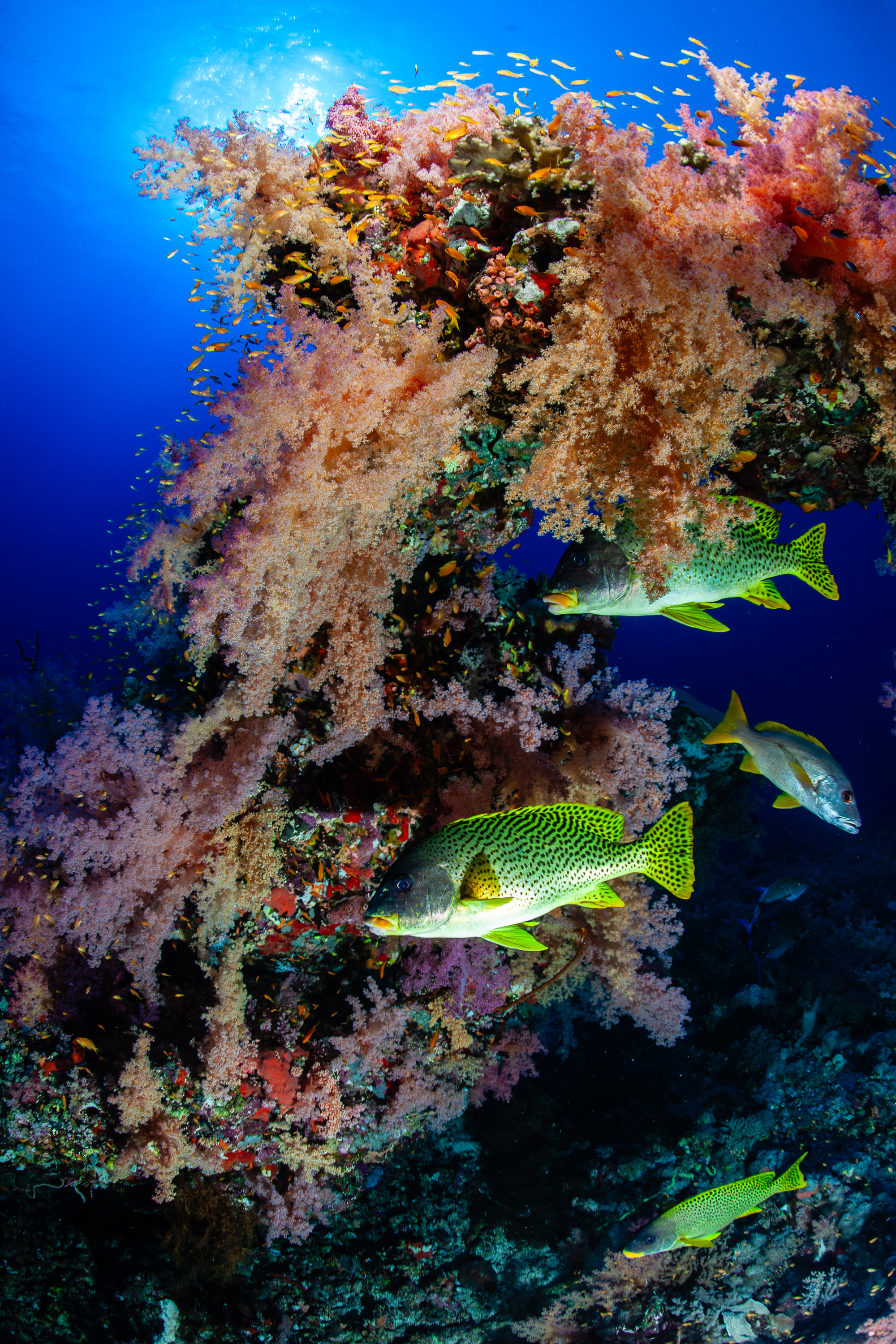
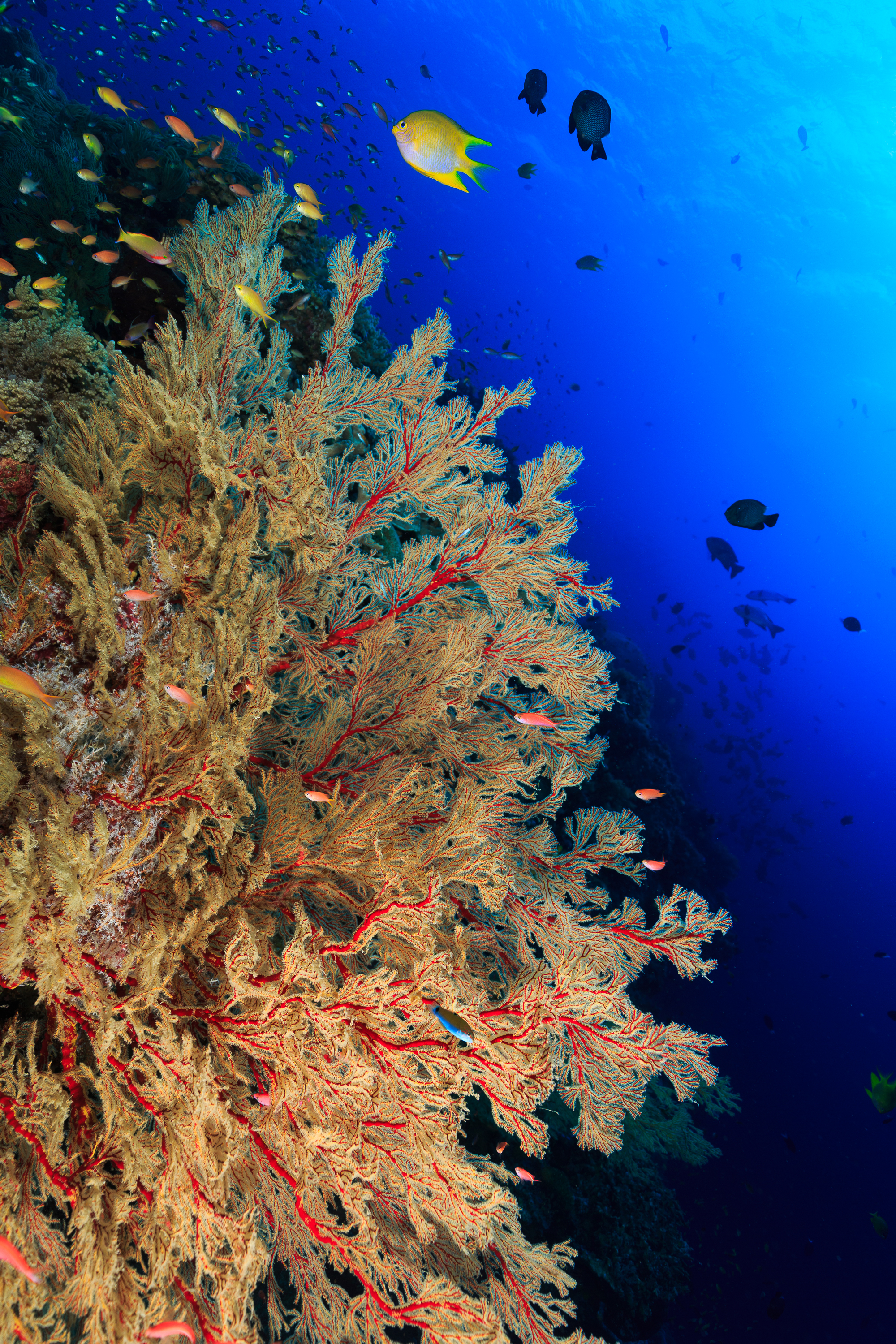
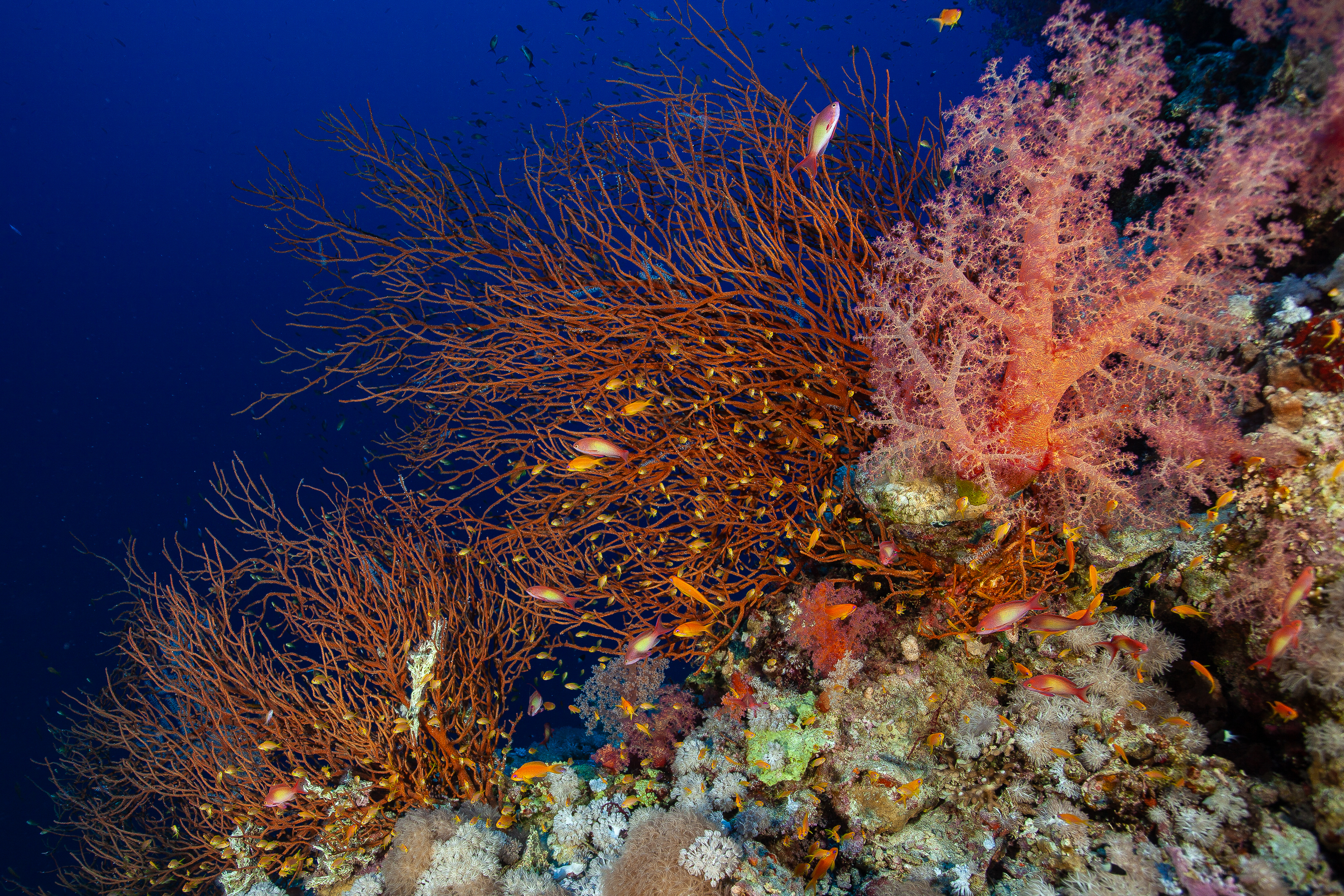
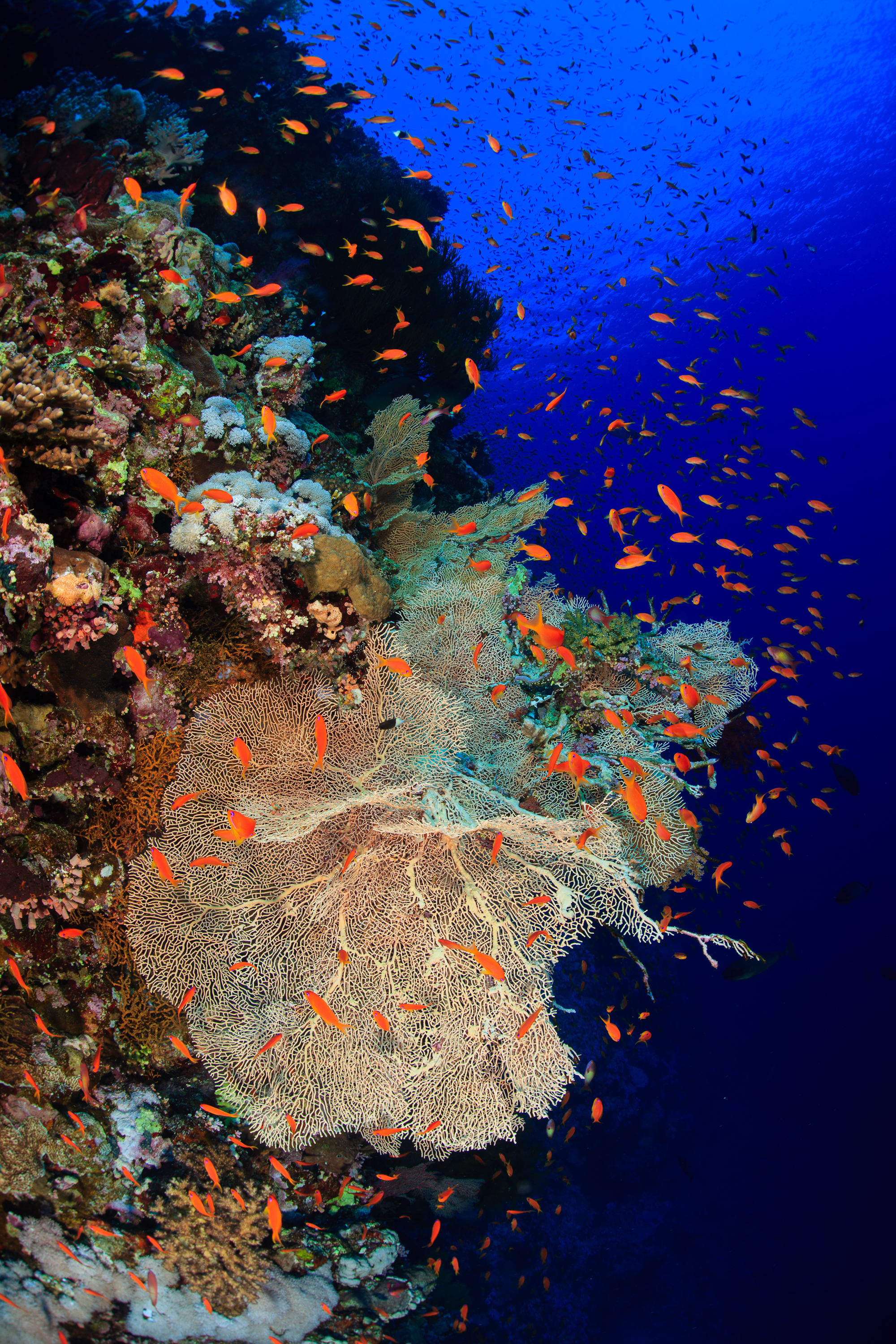
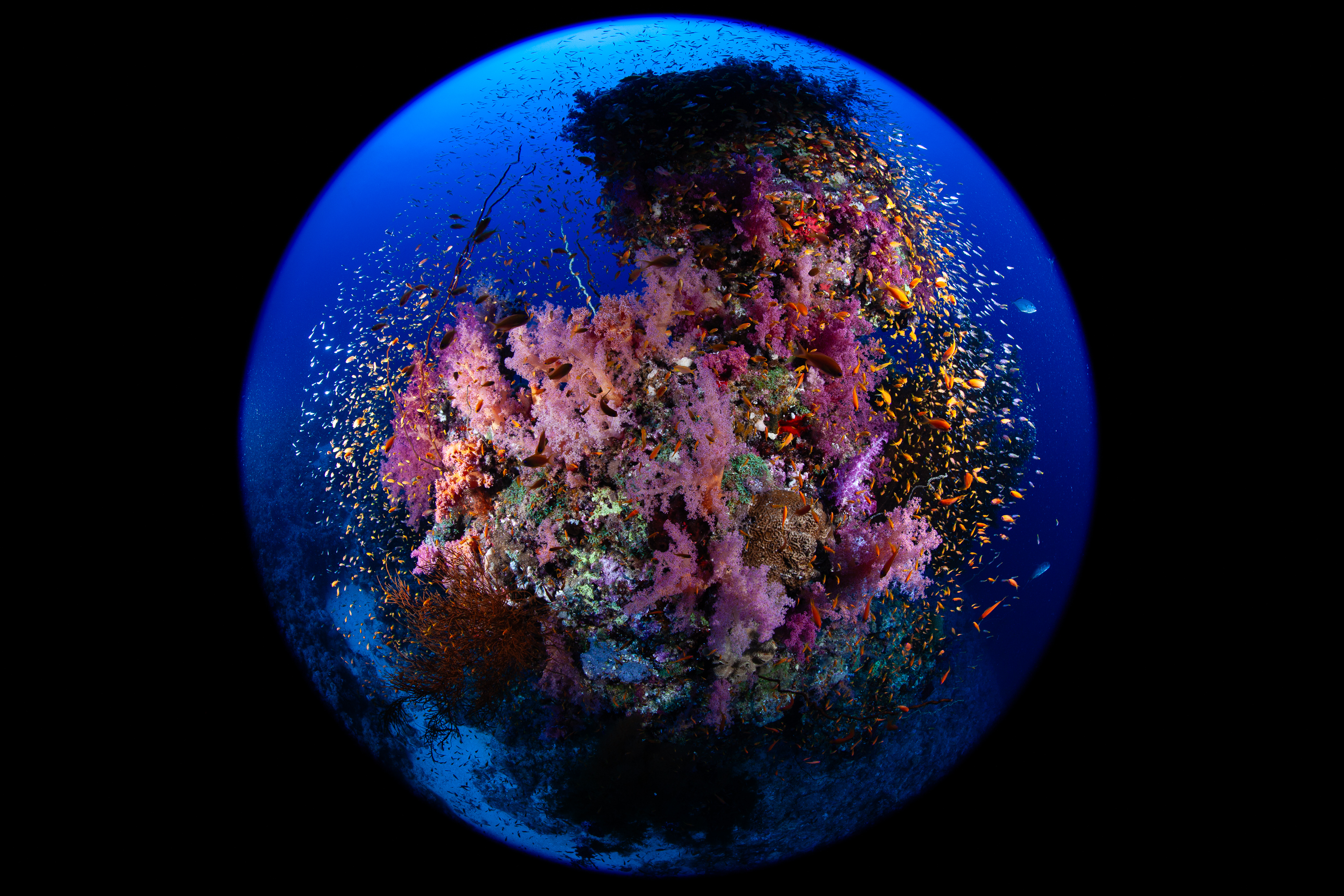
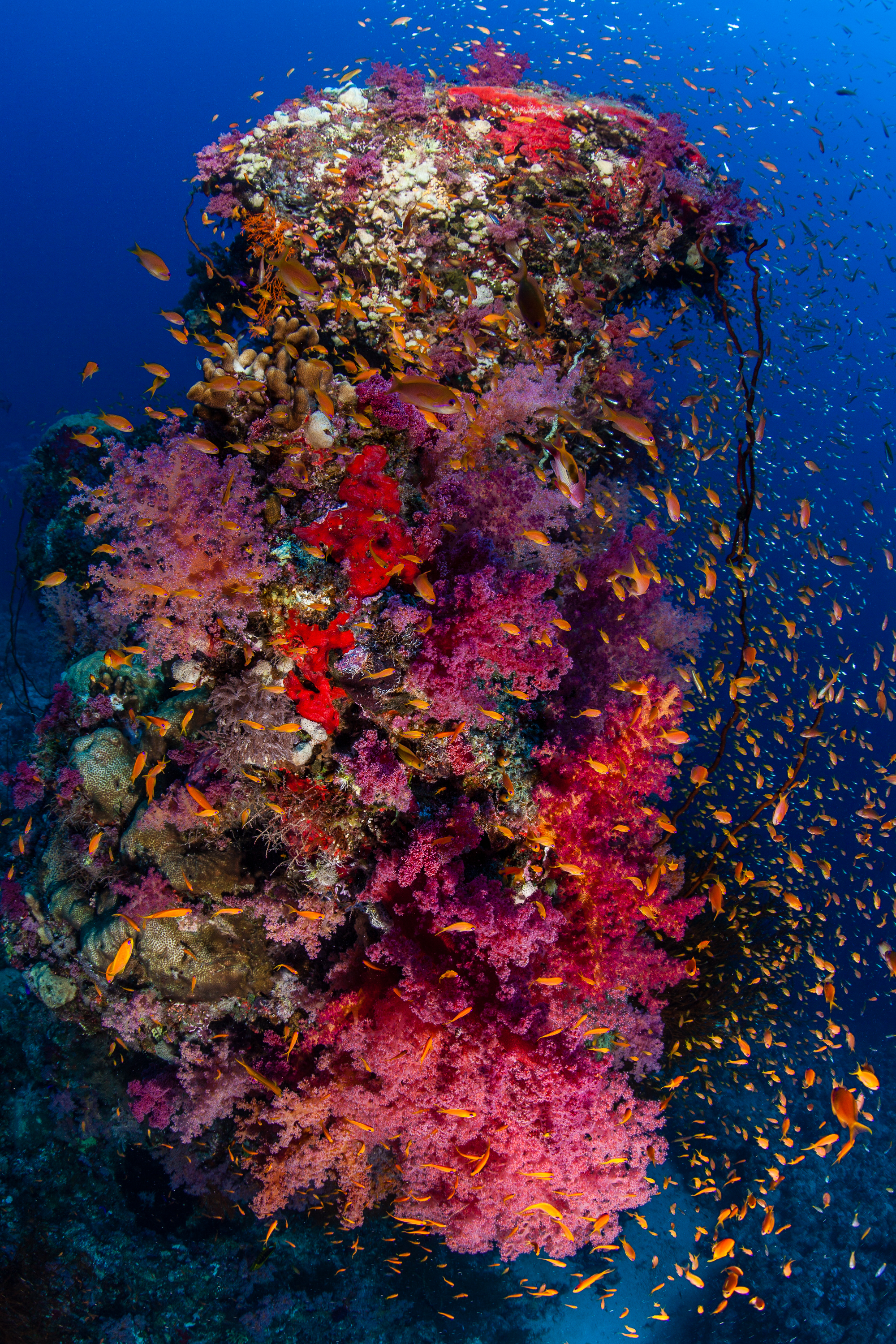
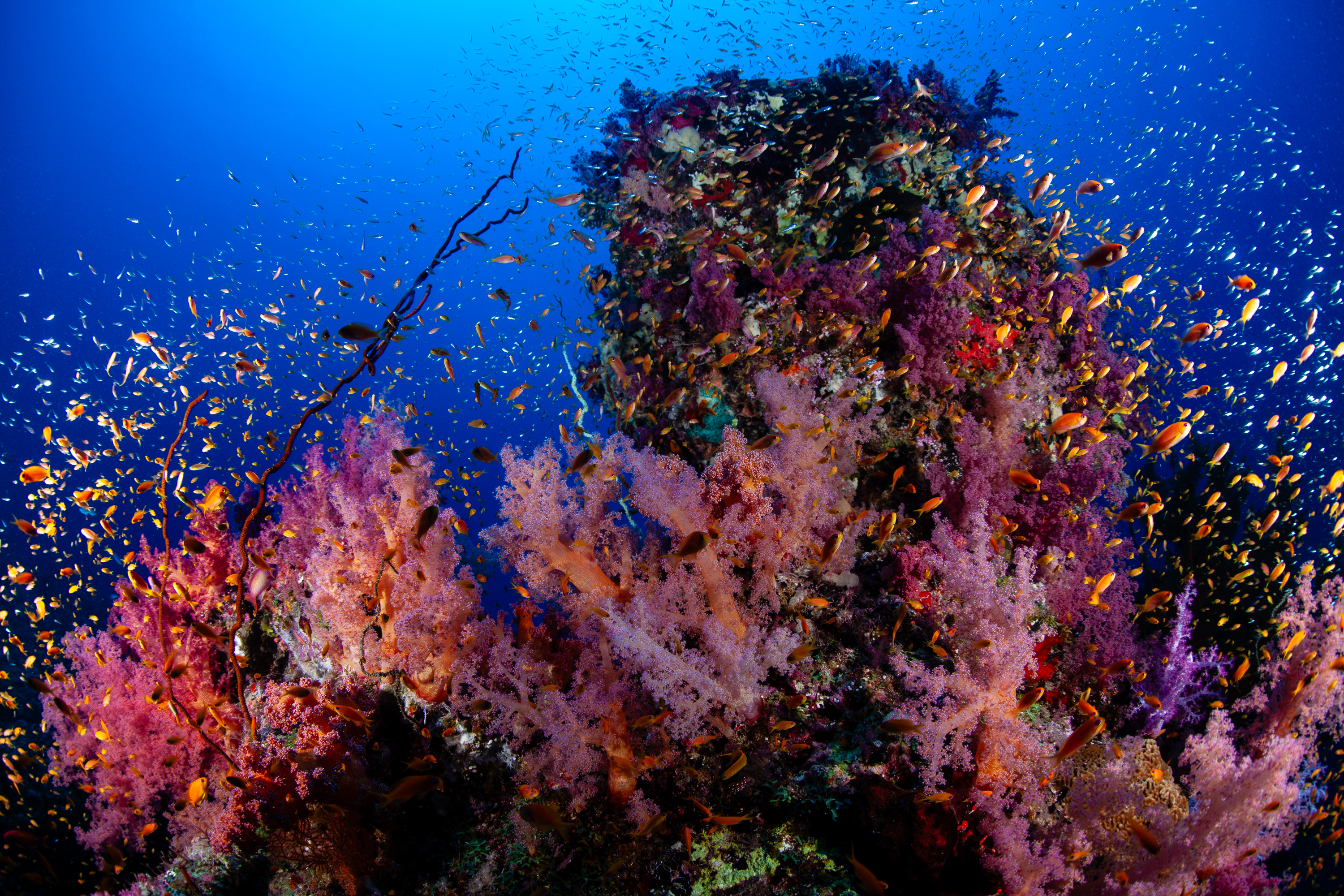
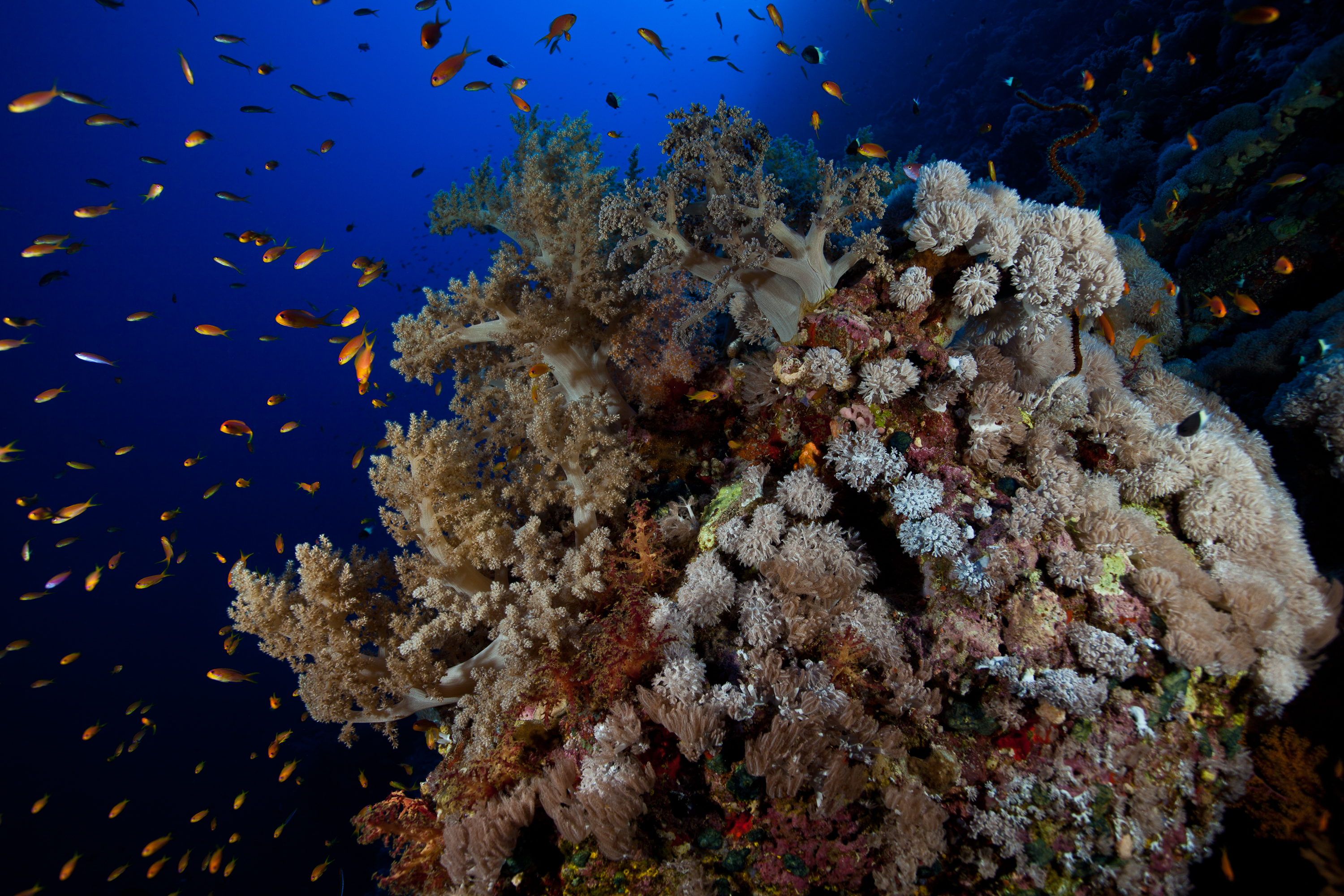
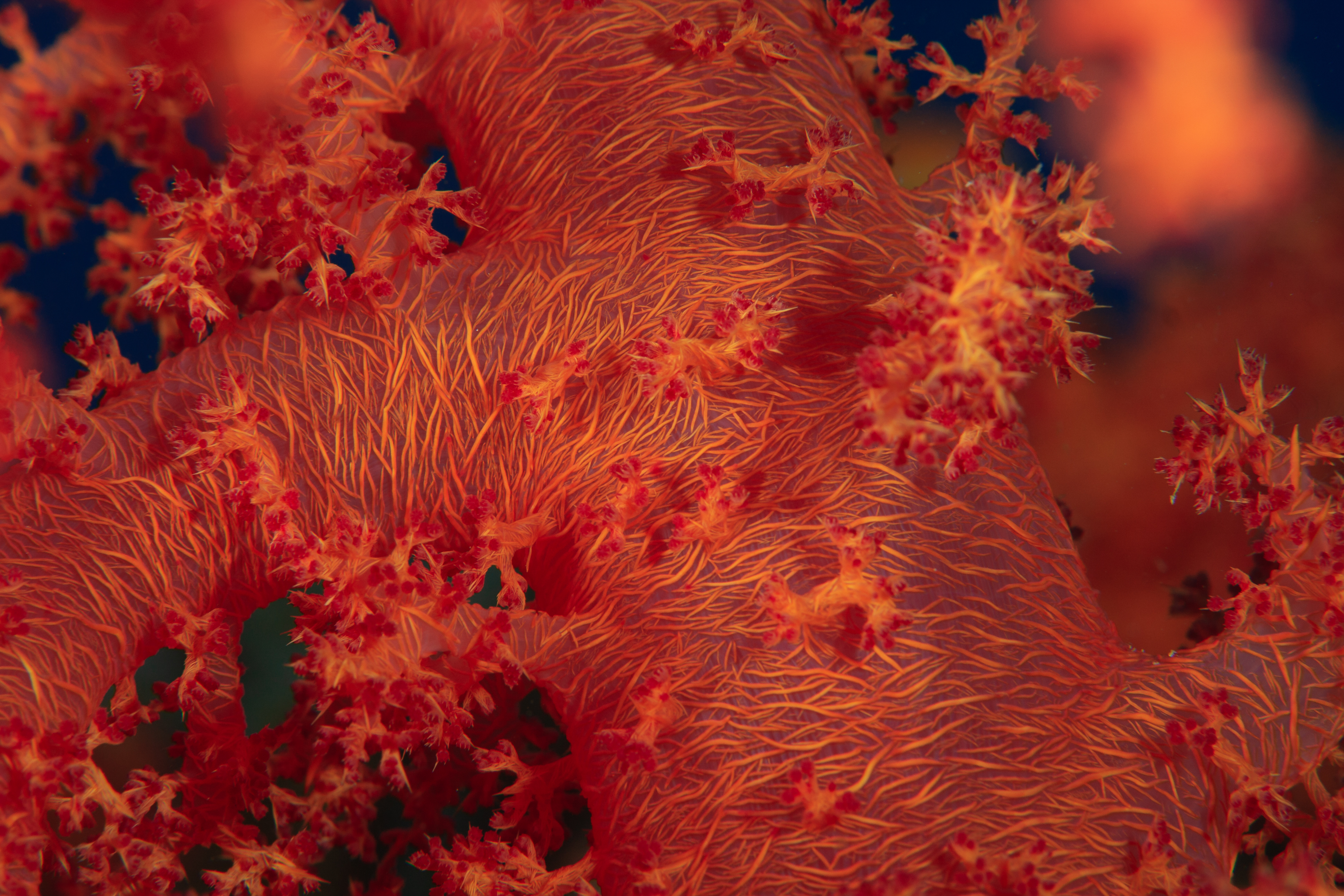
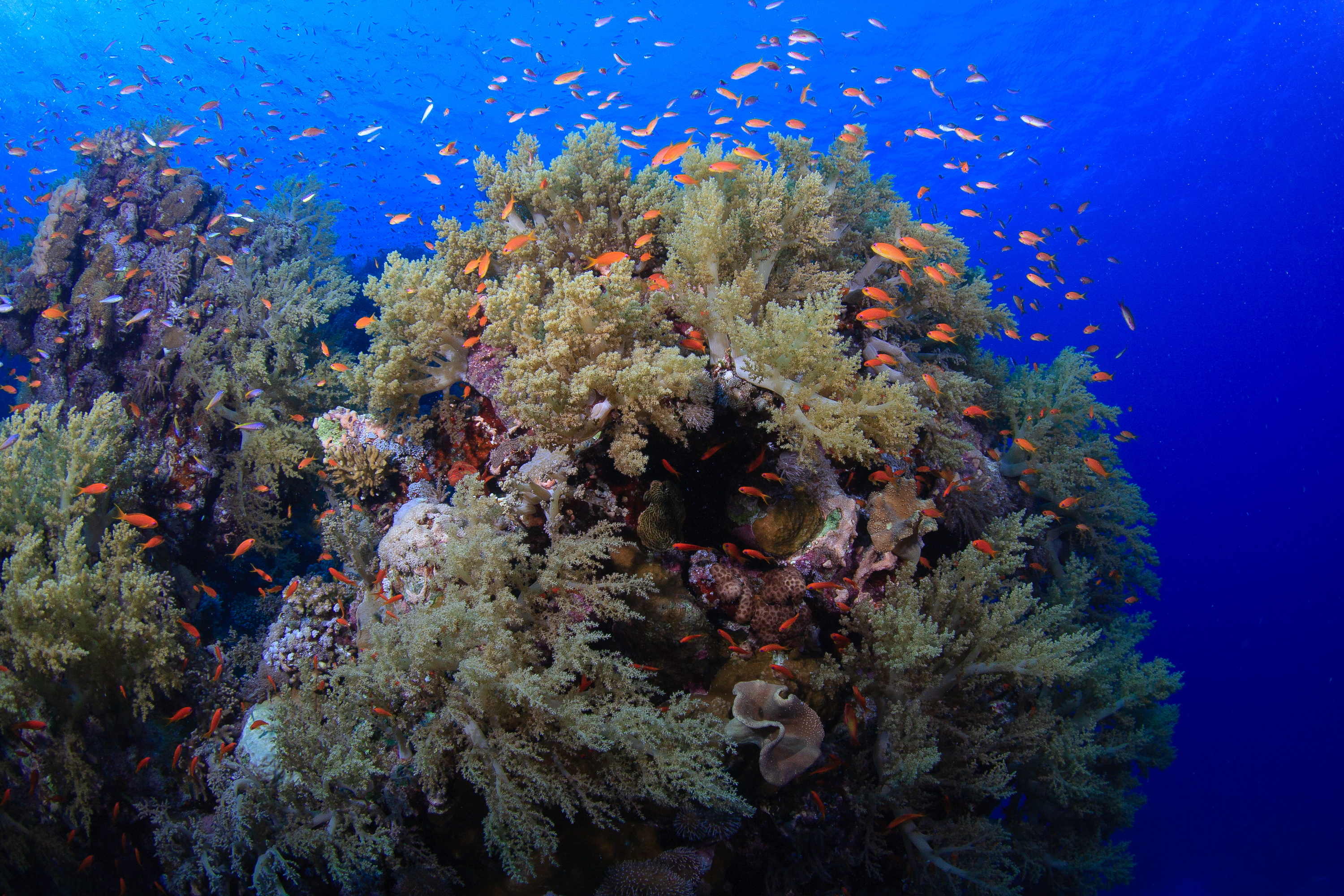
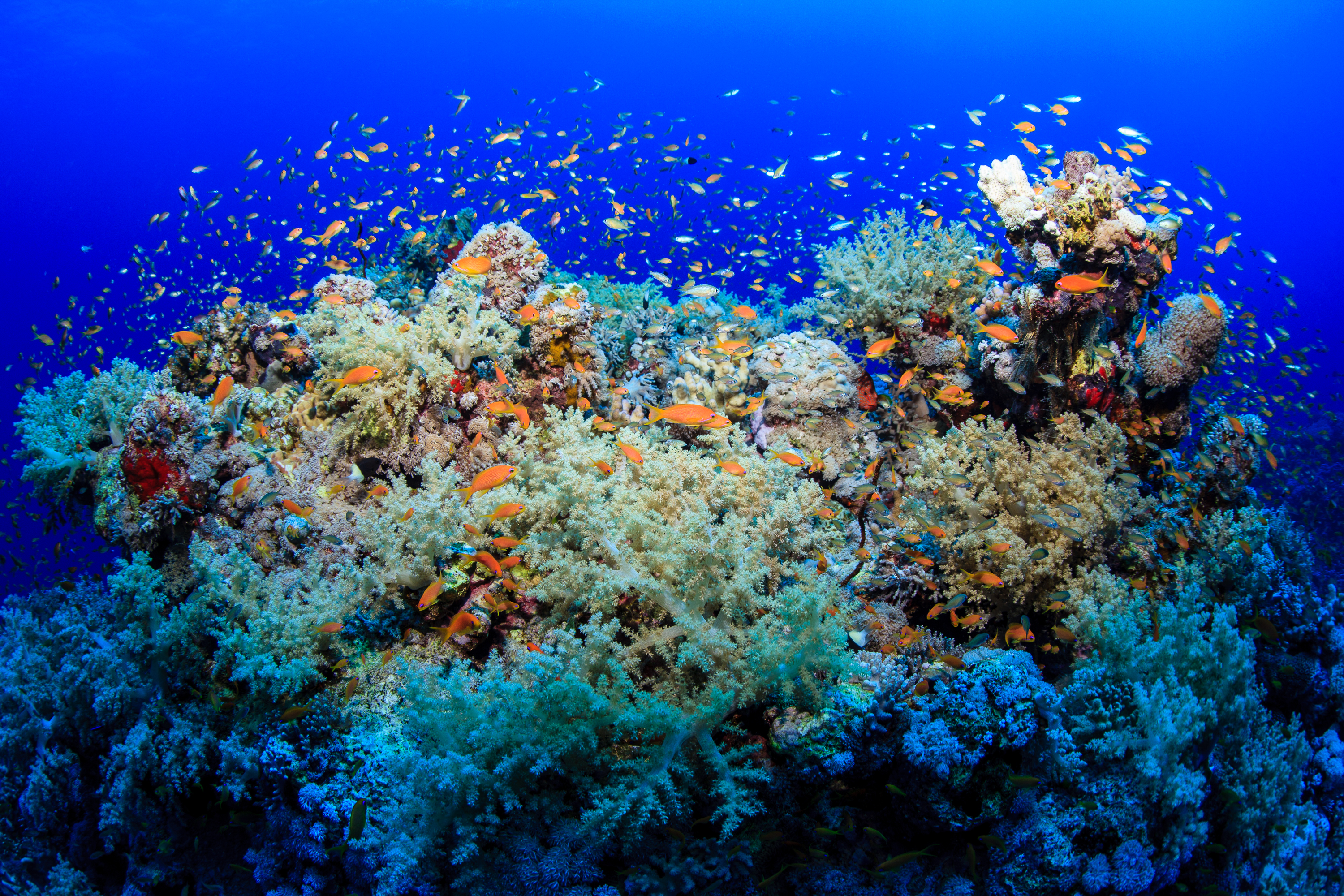
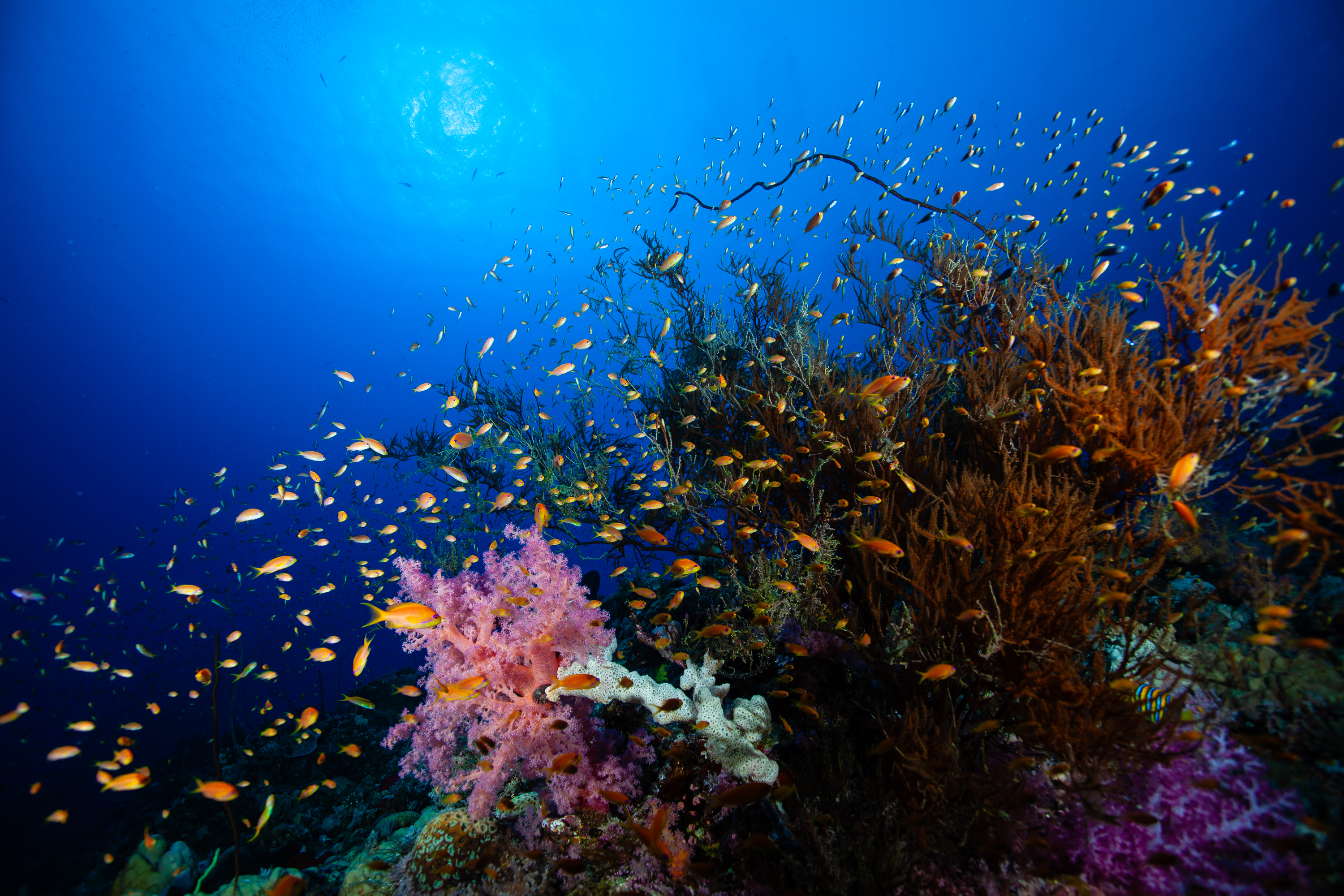
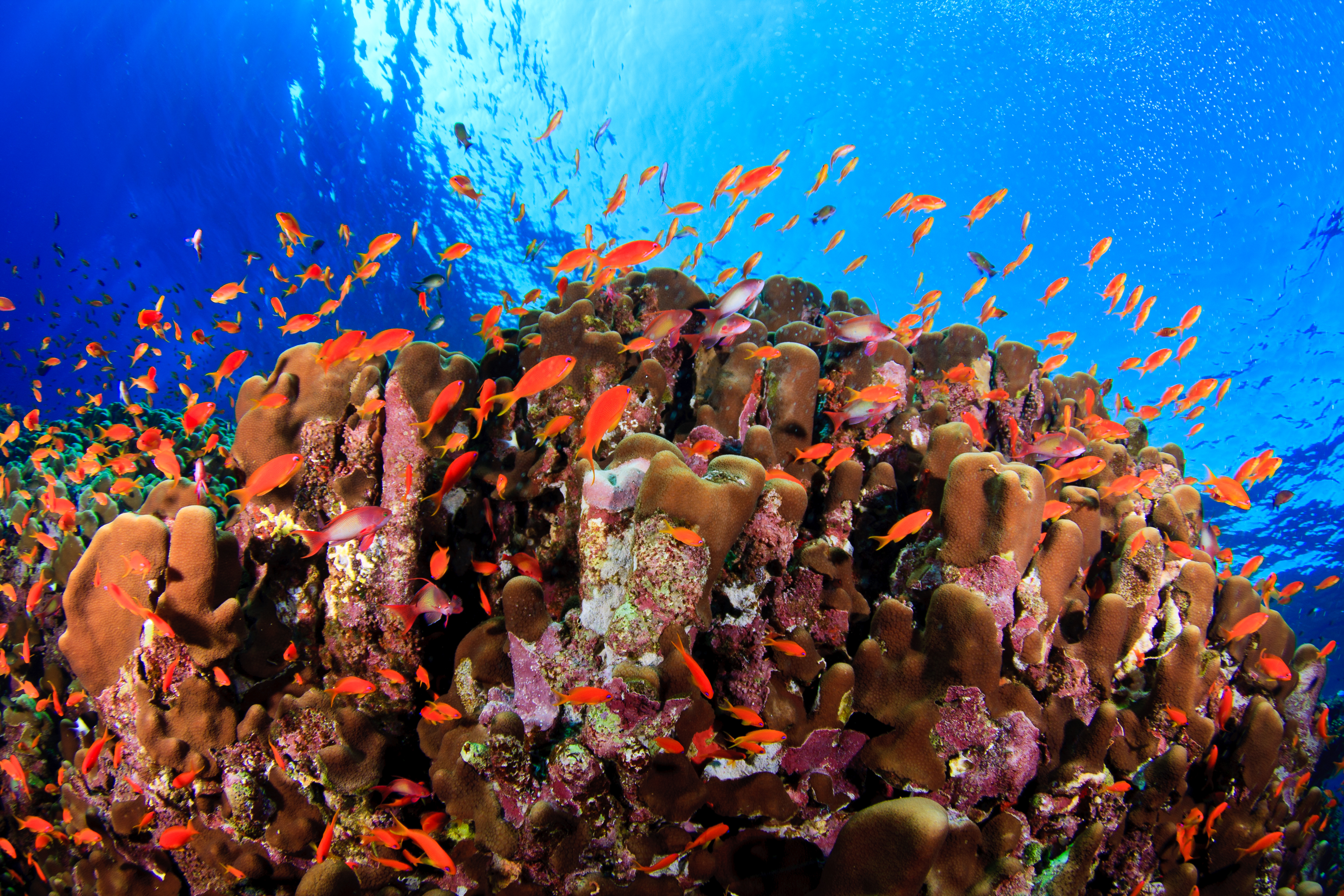
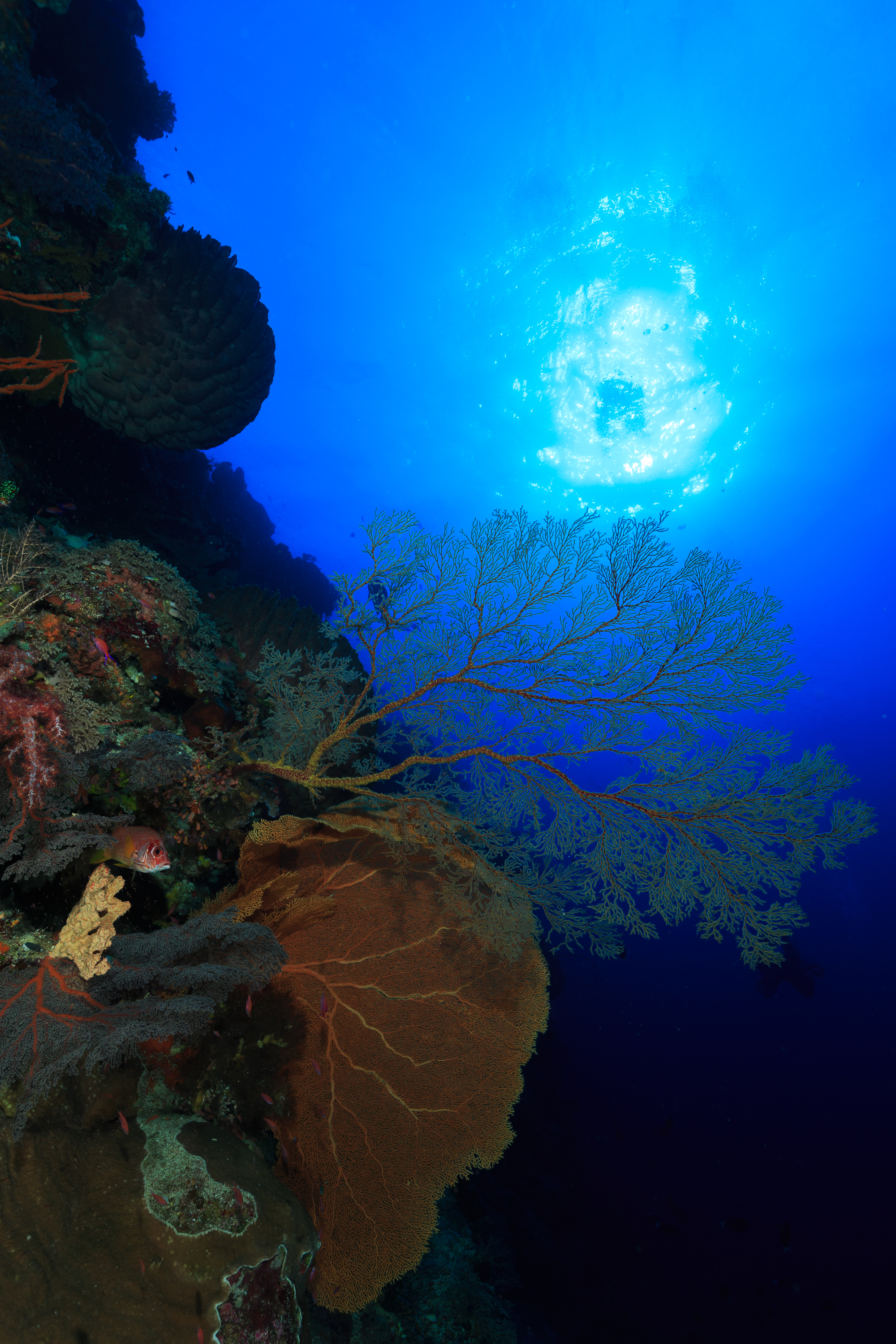
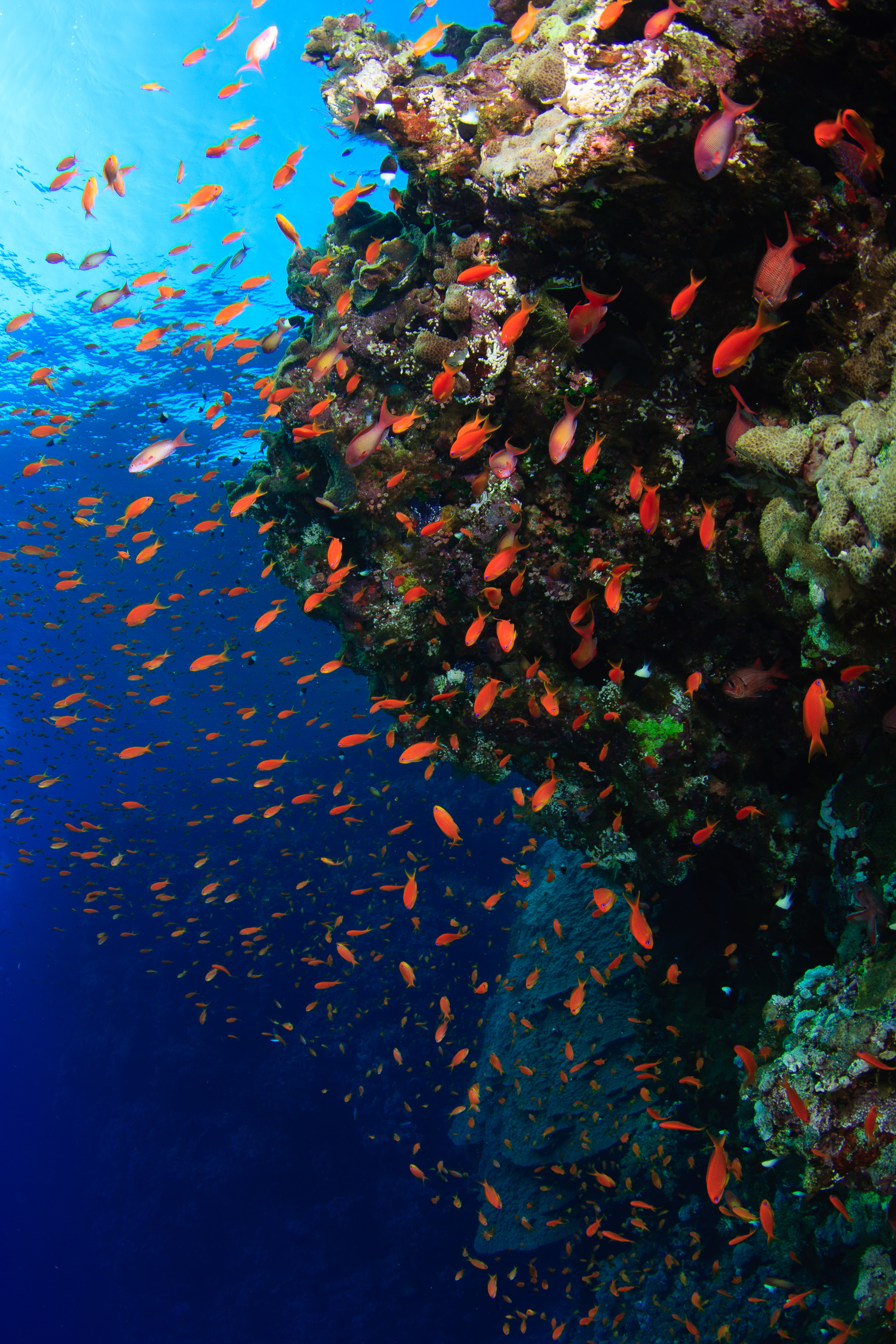
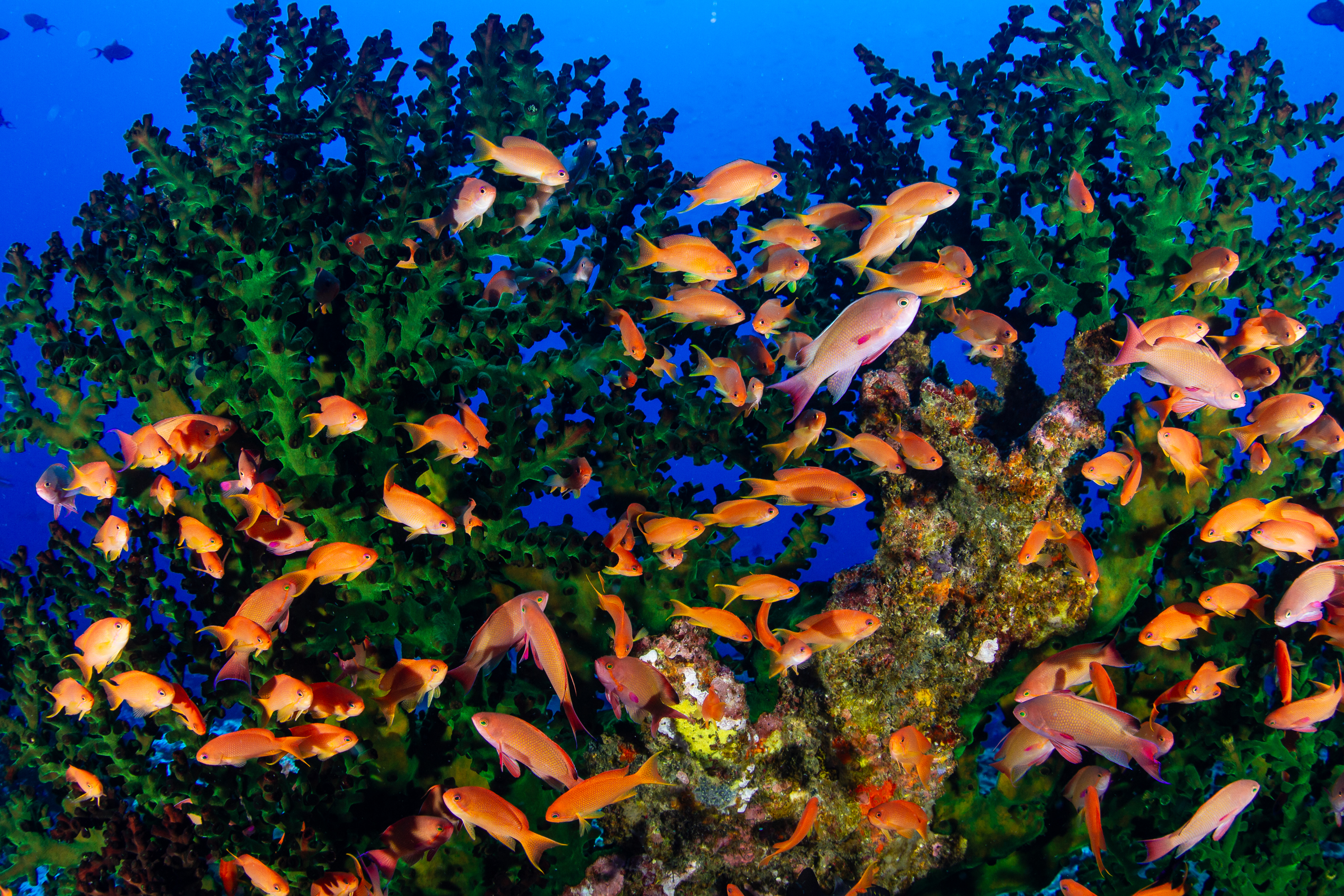
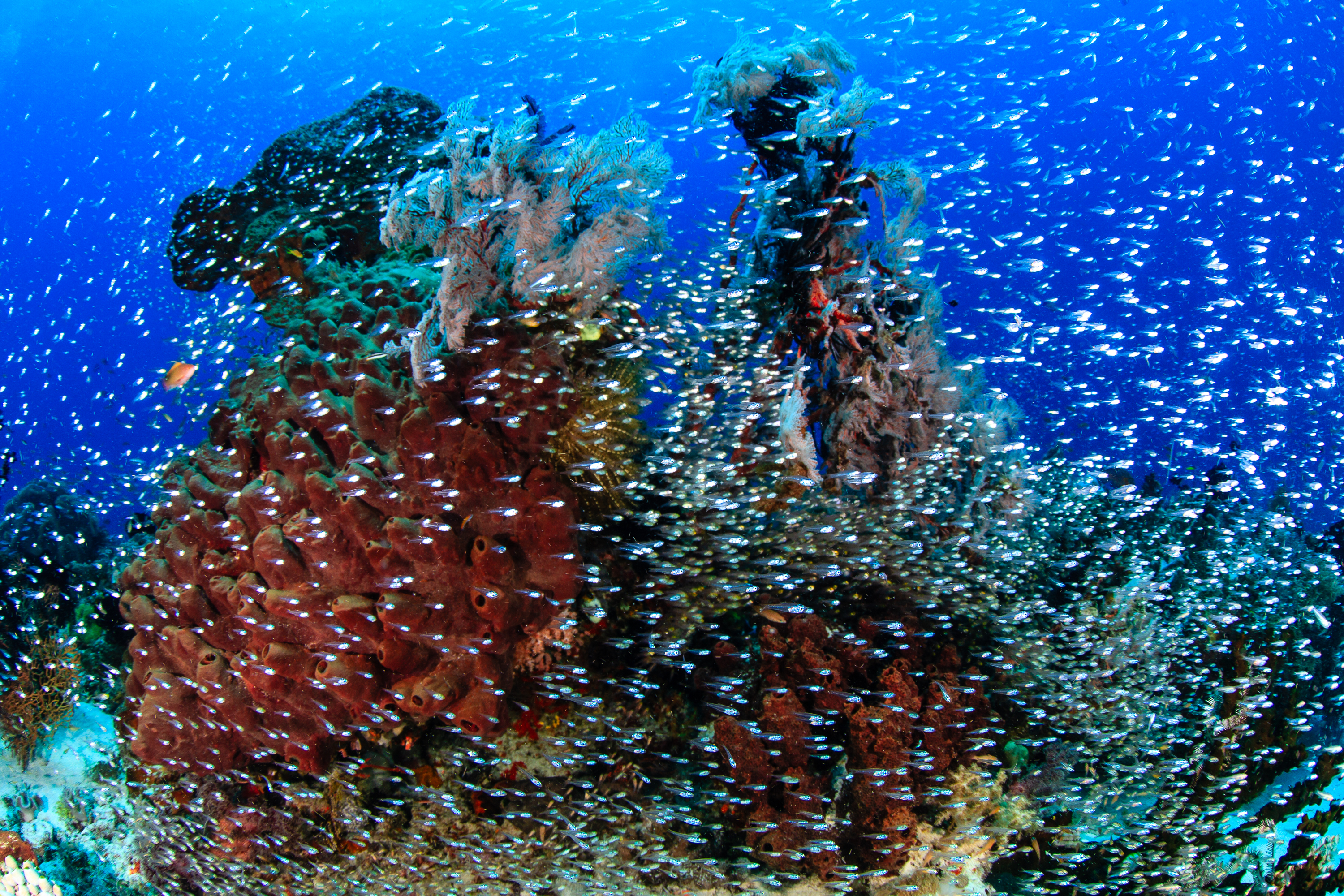
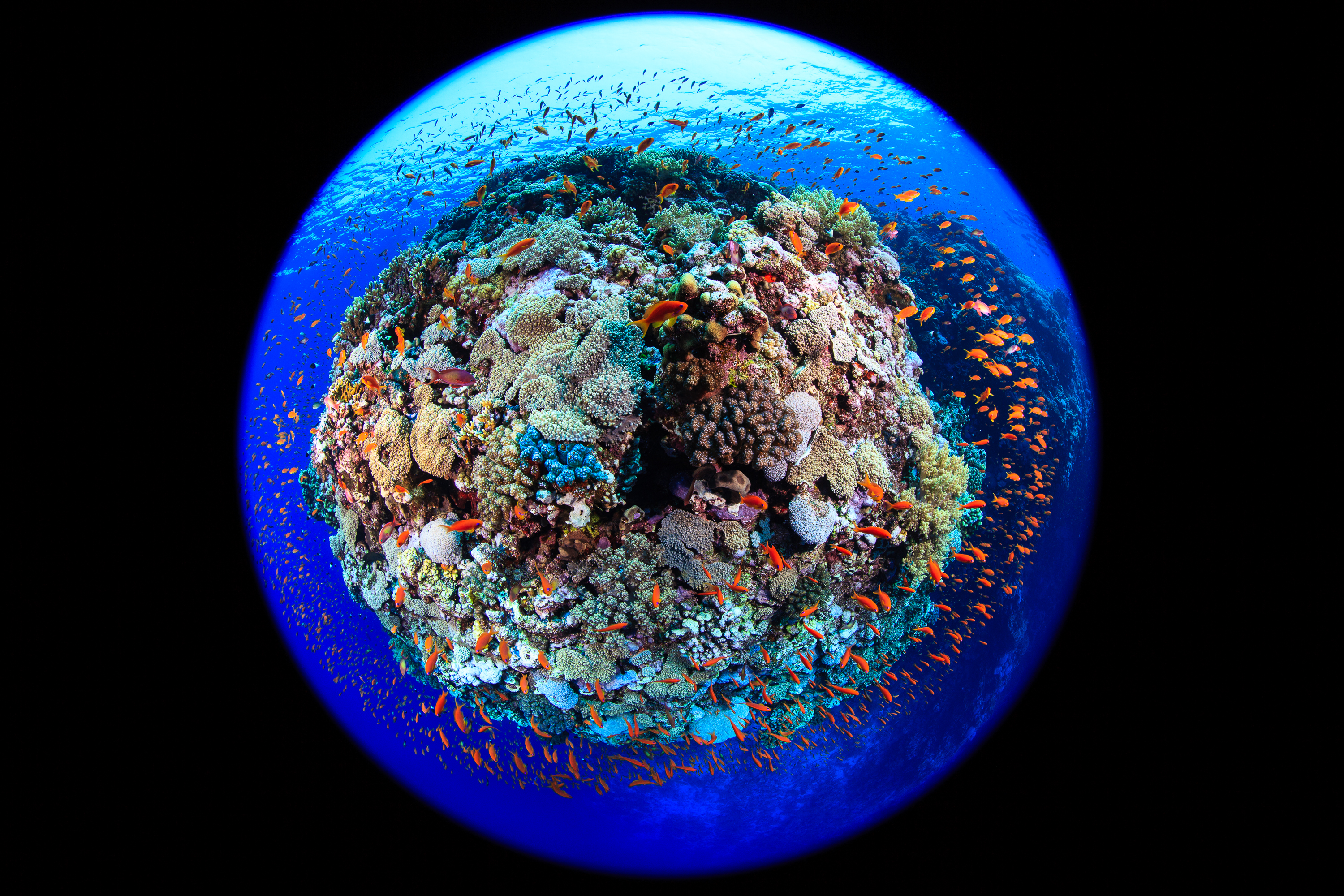
I was eight years old on my first dive, and the reef did everything. Colors I had no names for, fish everywhere, a world that felt like it had been running perfectly without me. That was enough. Then came my first Red Sea safari as a kid: Brothers Islands, Daedalus, Elphinstone. Soft corals in every color opening in current, gorgonians larger than I ever imagined, and a hundred thousand anthias floating above the reef like a single living cloud. I came up and knew this was it.
That is what this gallery is, really. The thing that has never worn off. I have chased sharks, learned to find pygmy seahorses, gone deeper into caves. But a healthy reef wall in good current still makes me stop kicking and just look.
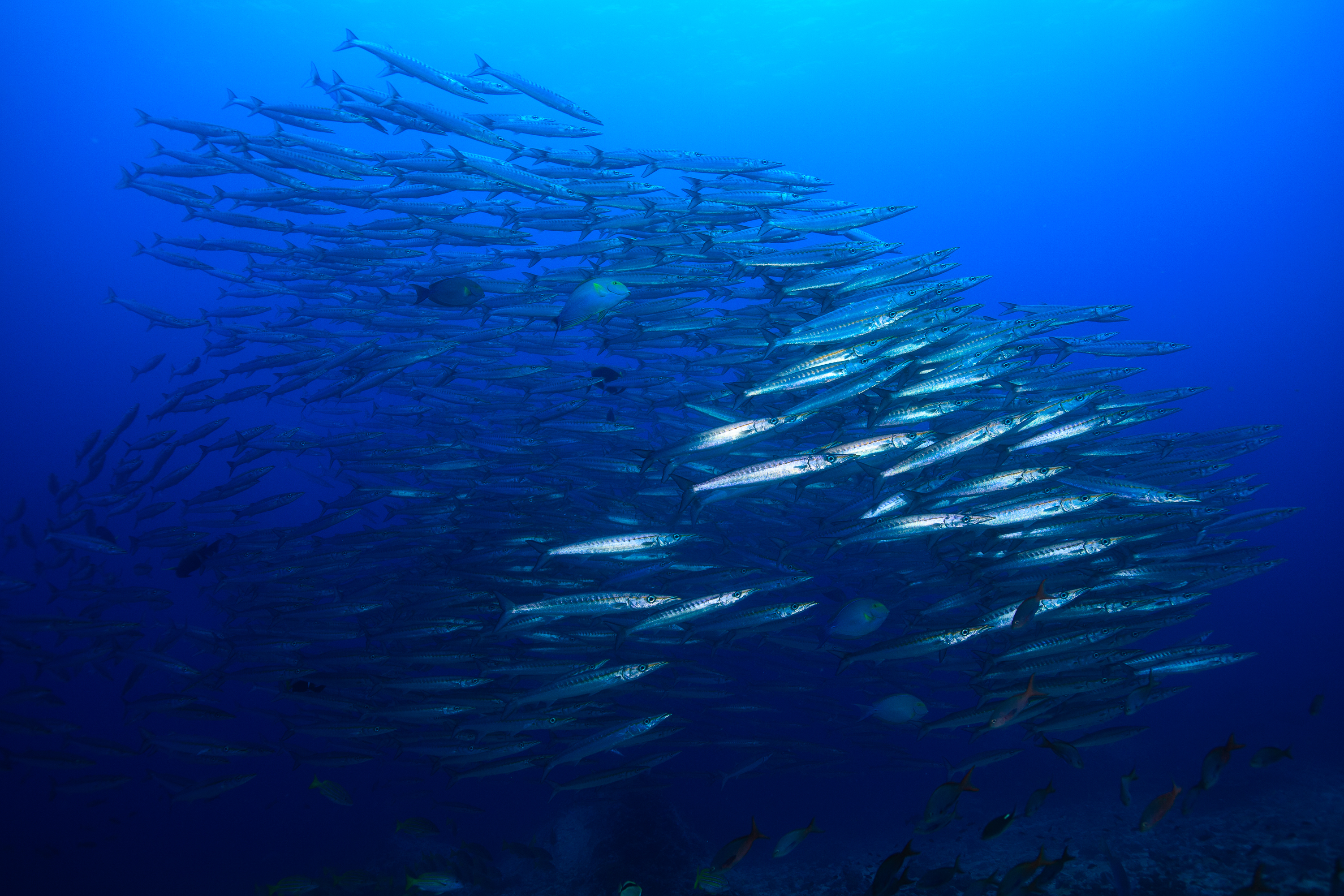
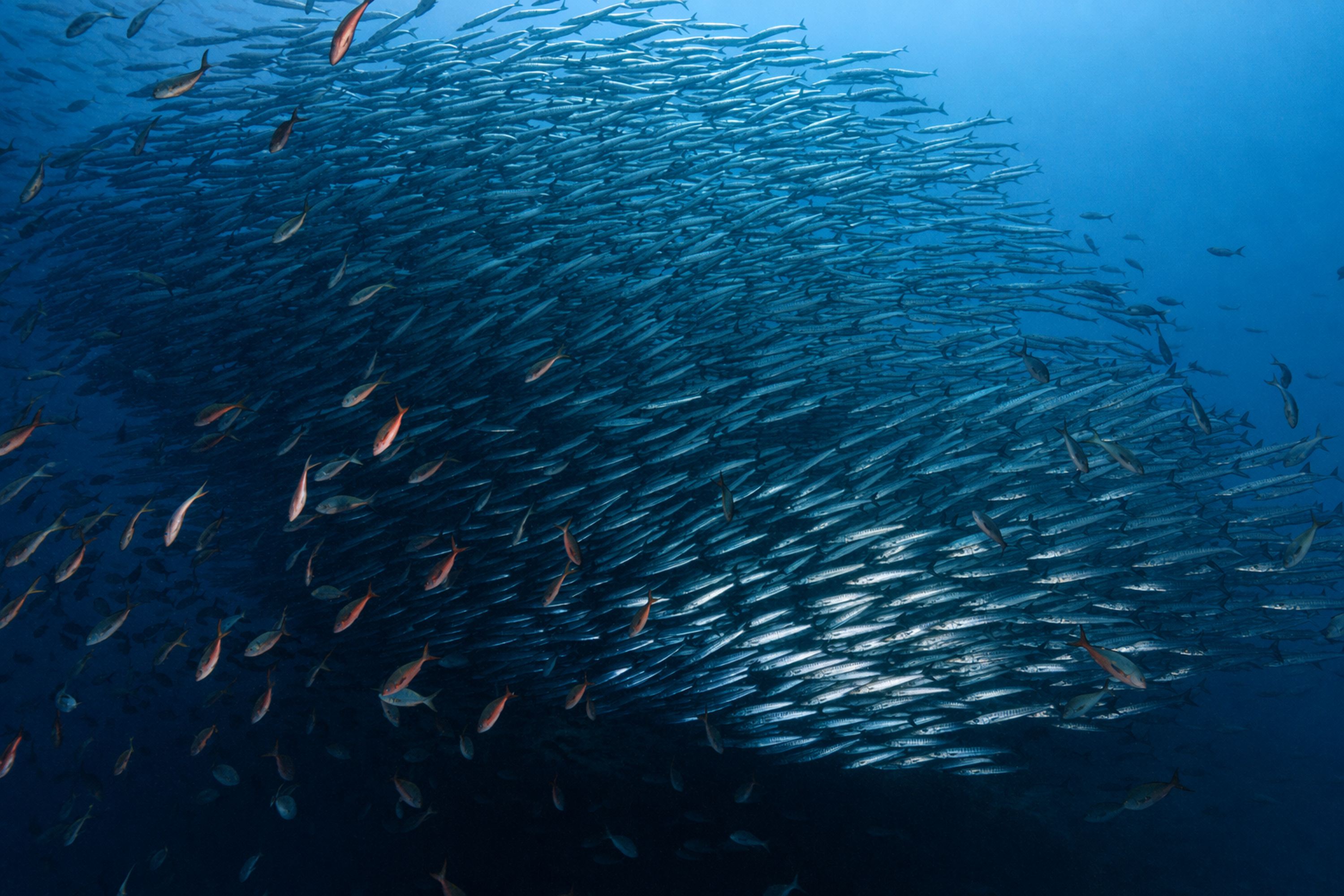
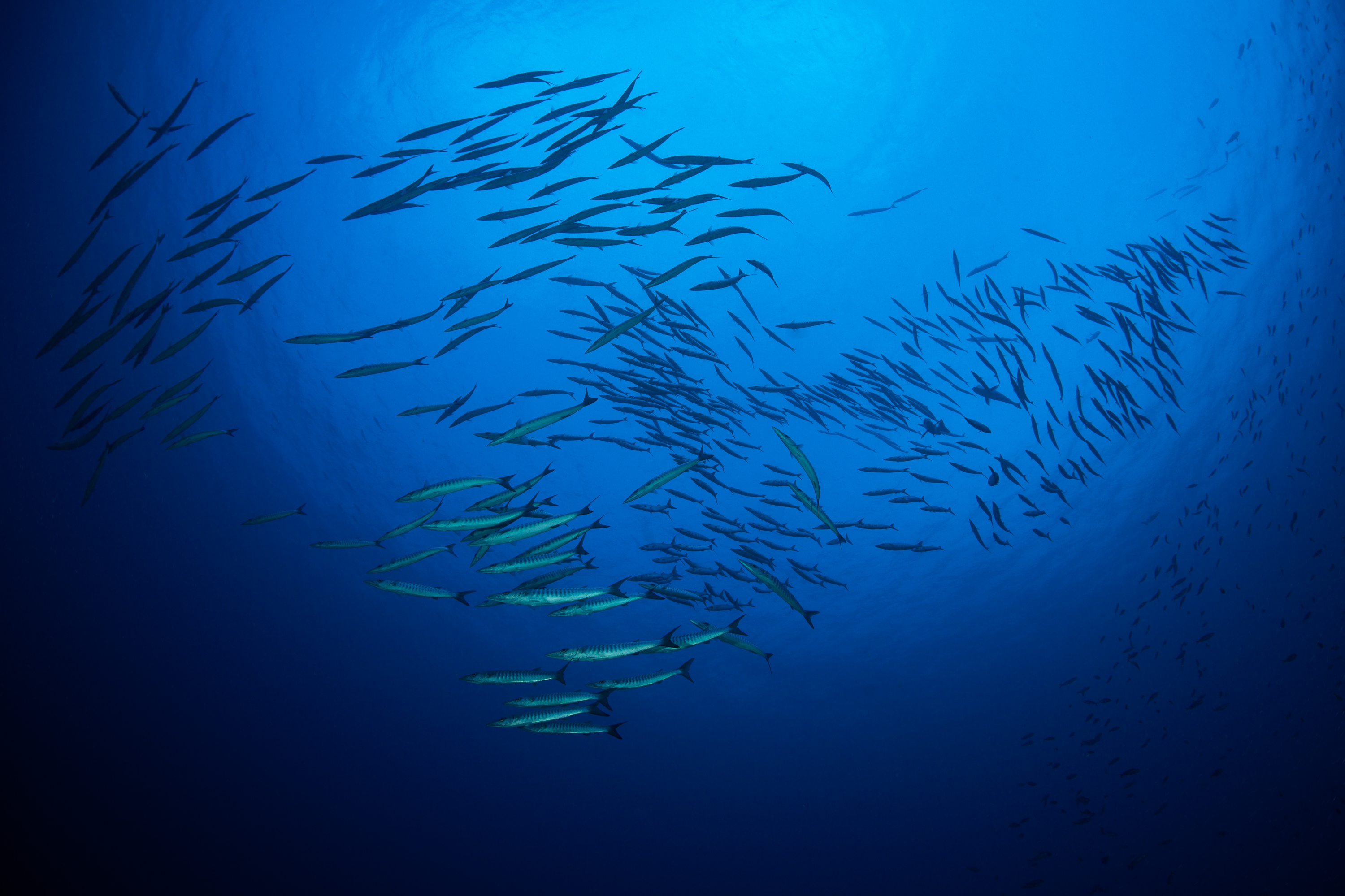
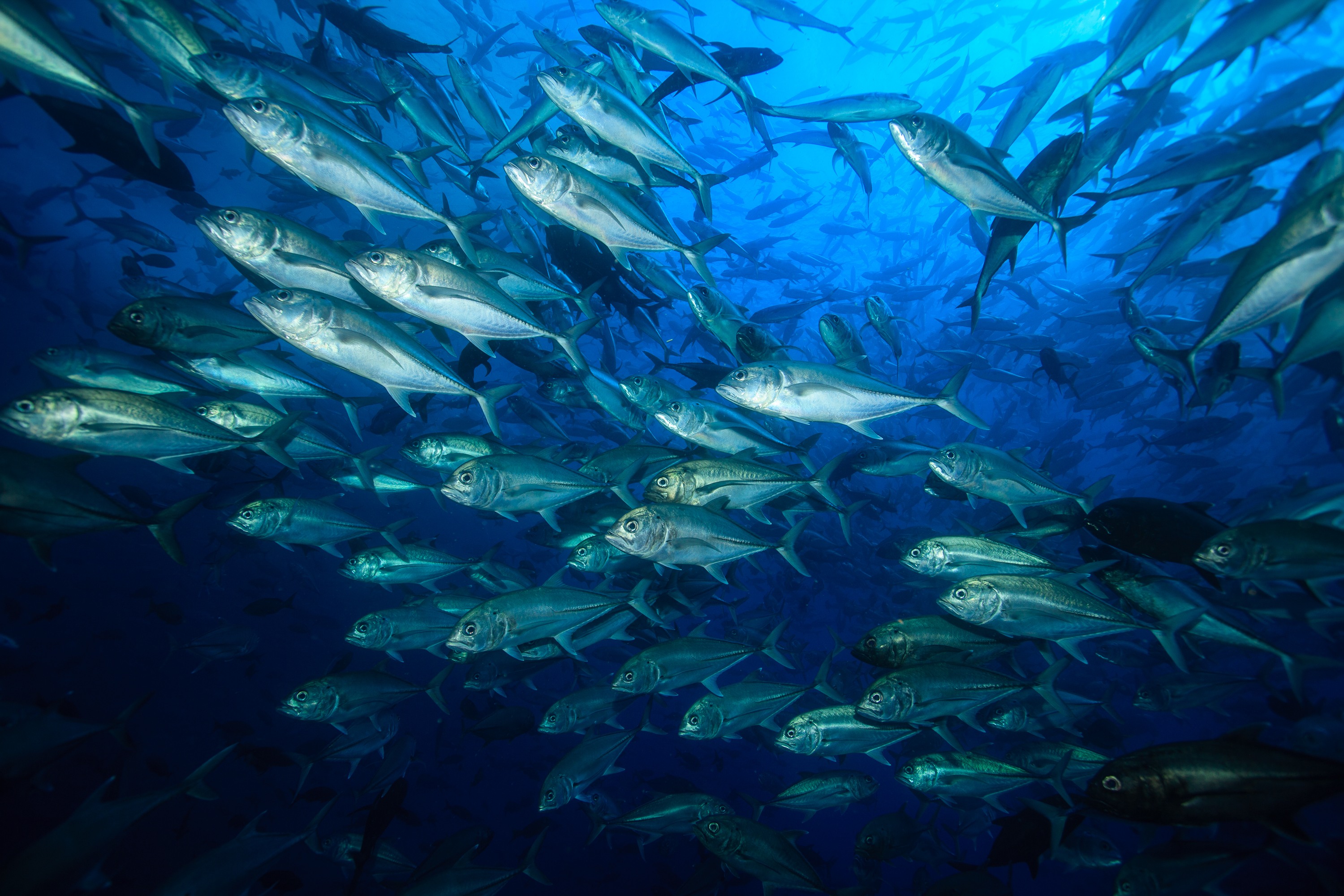
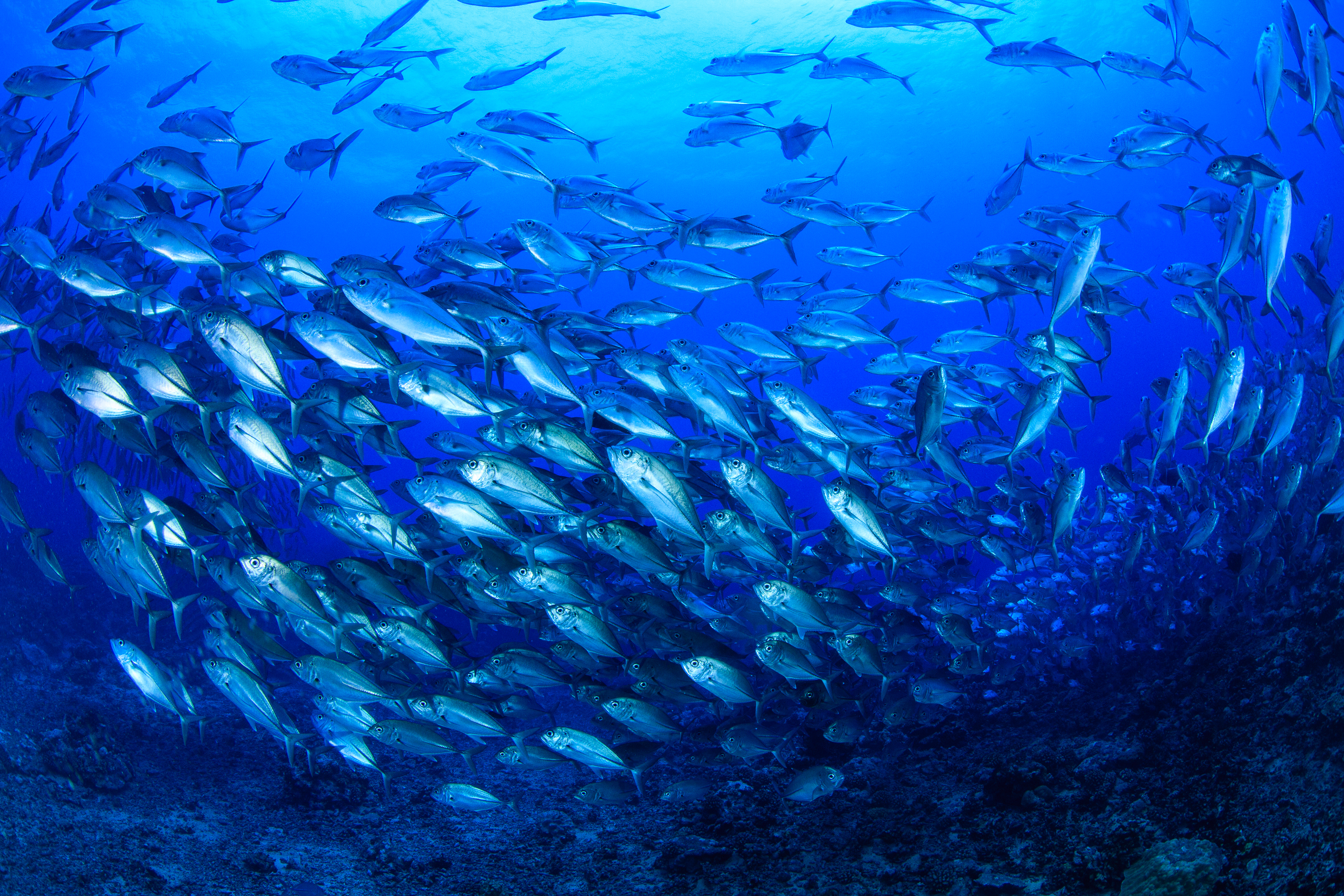
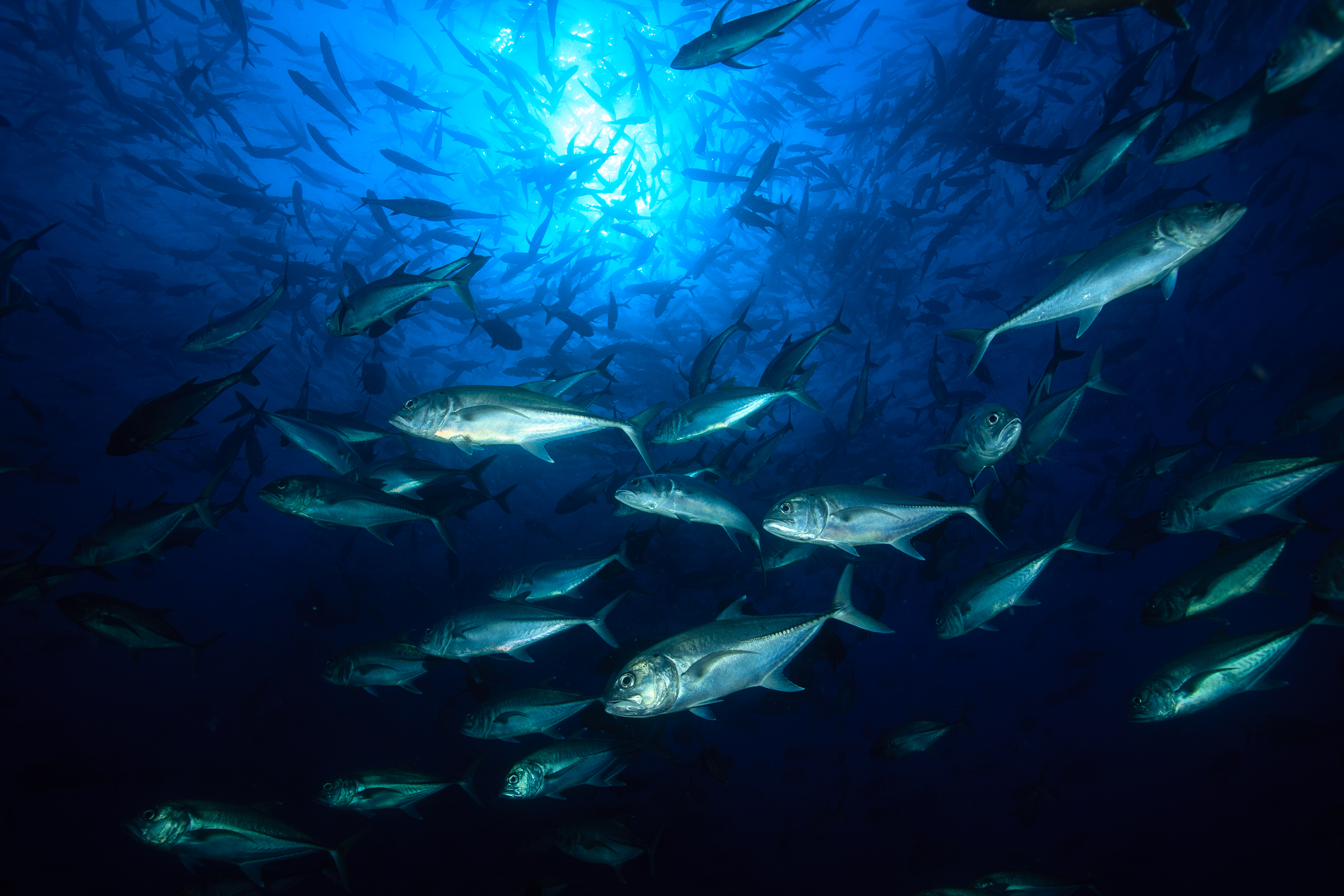
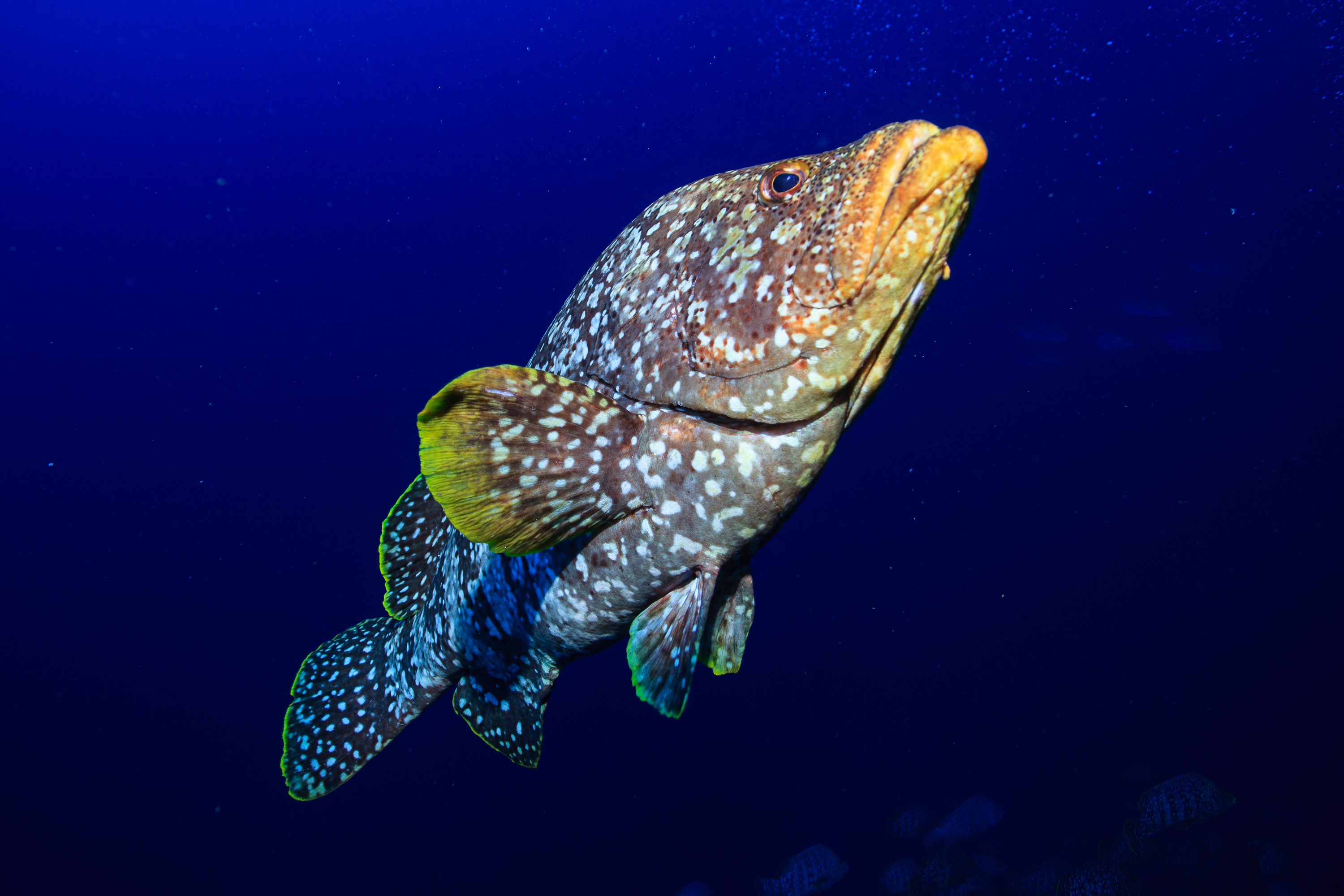
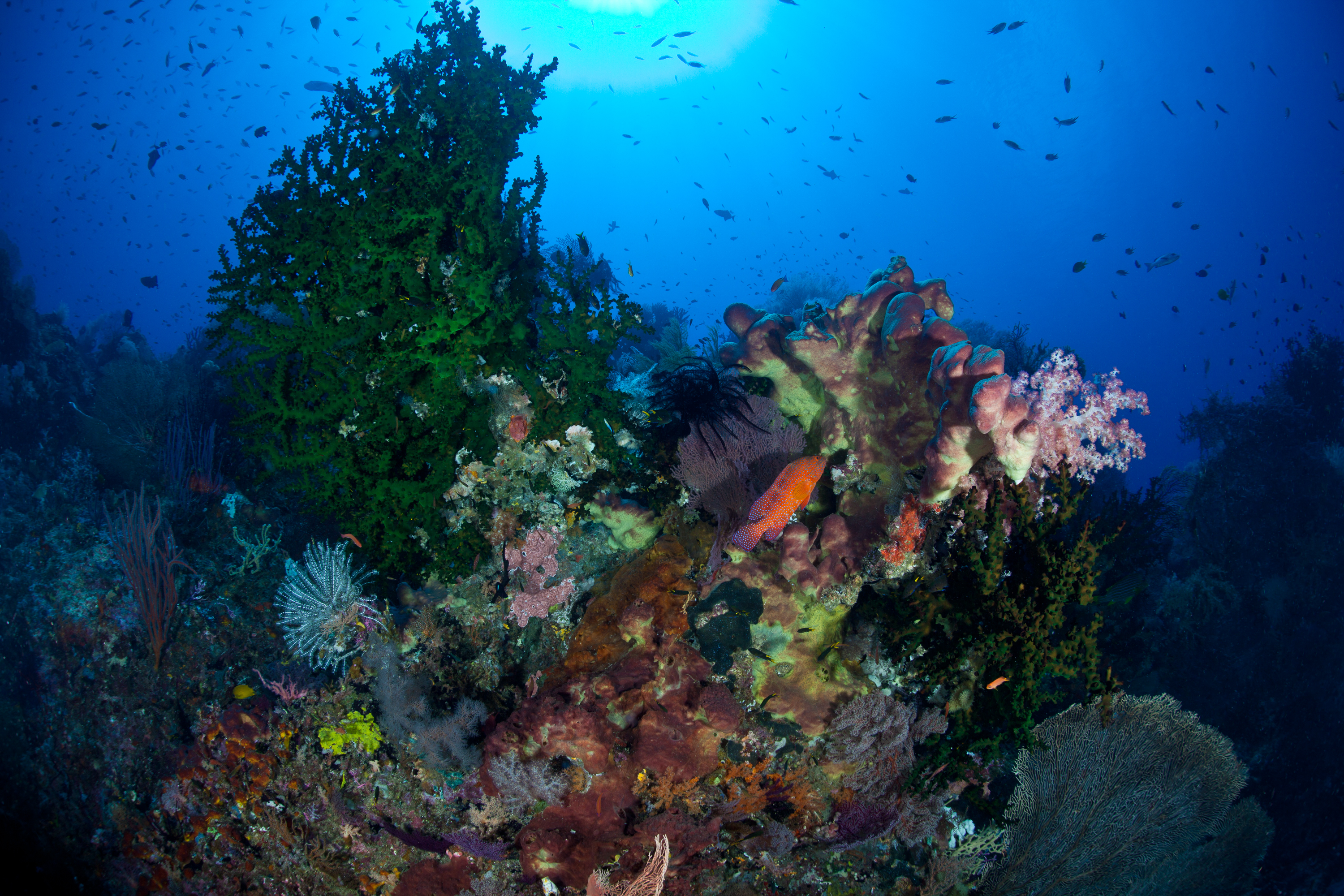
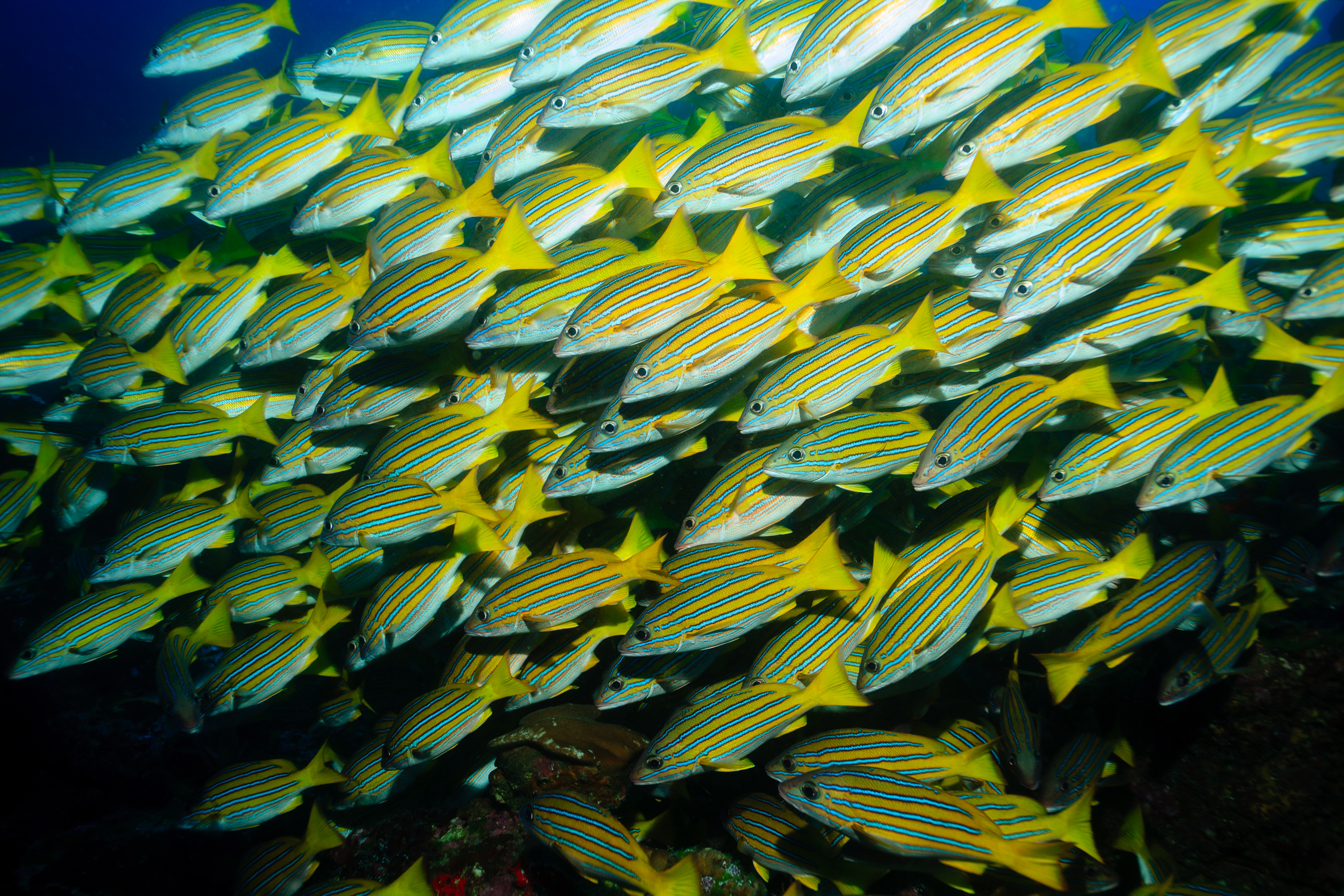
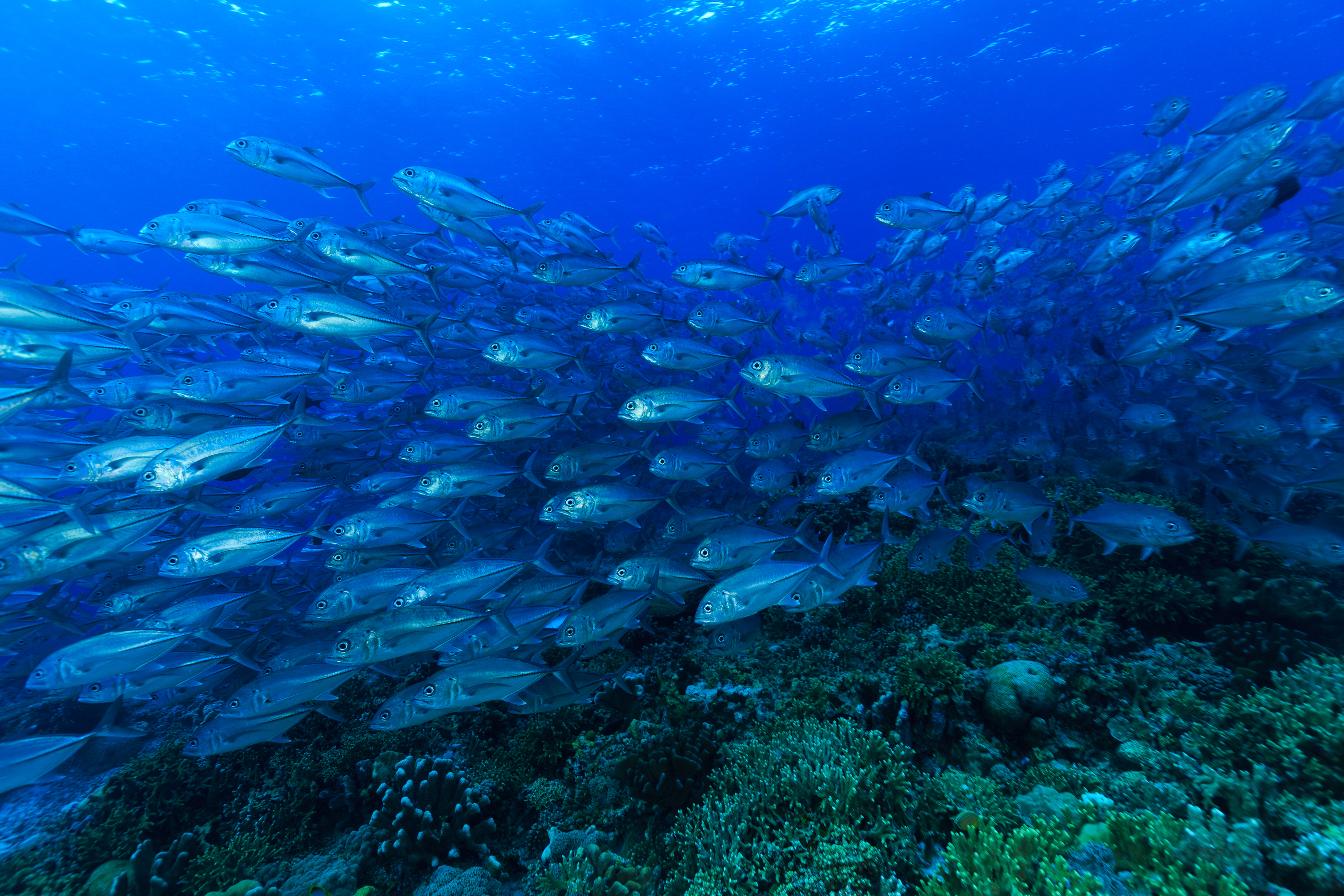
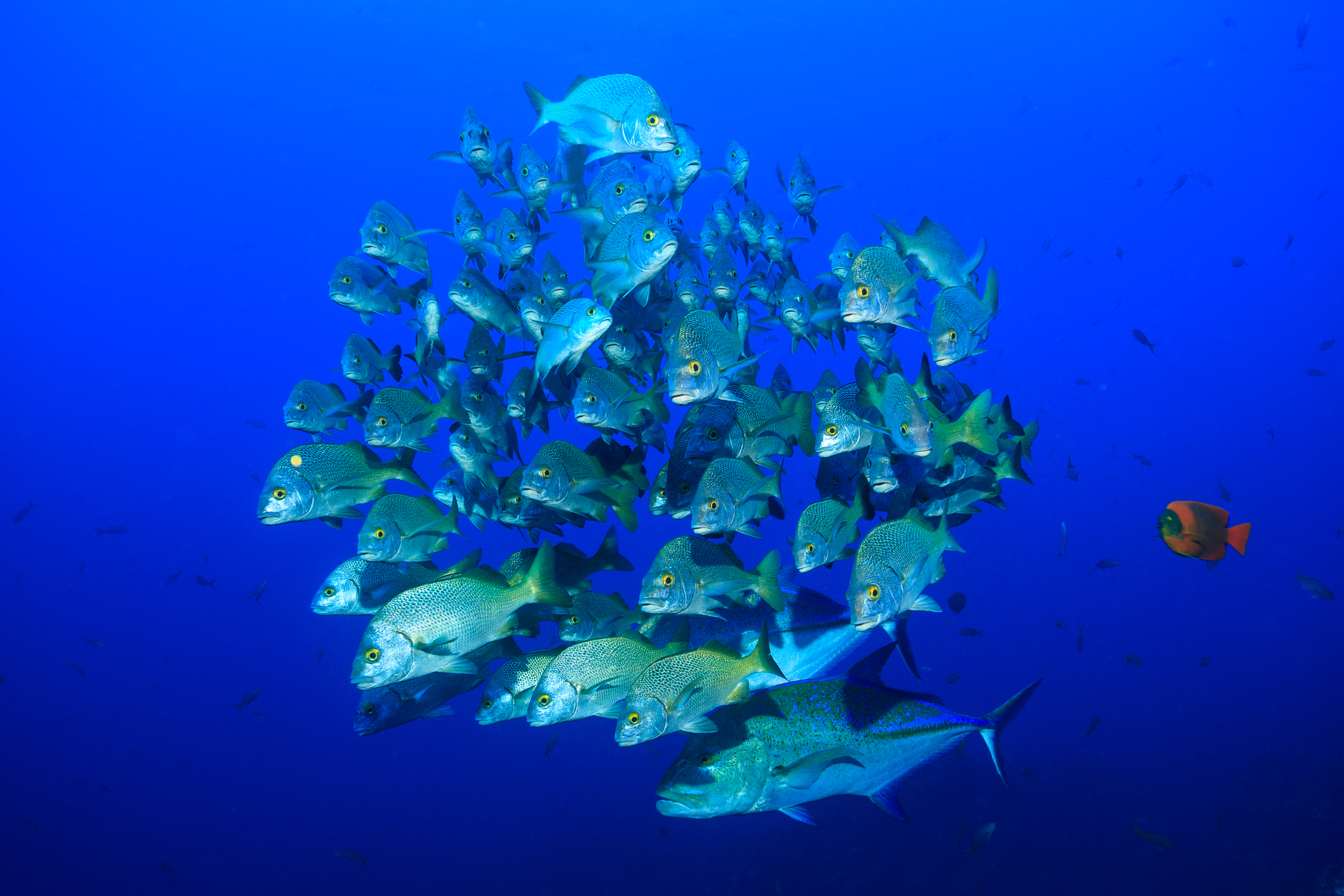
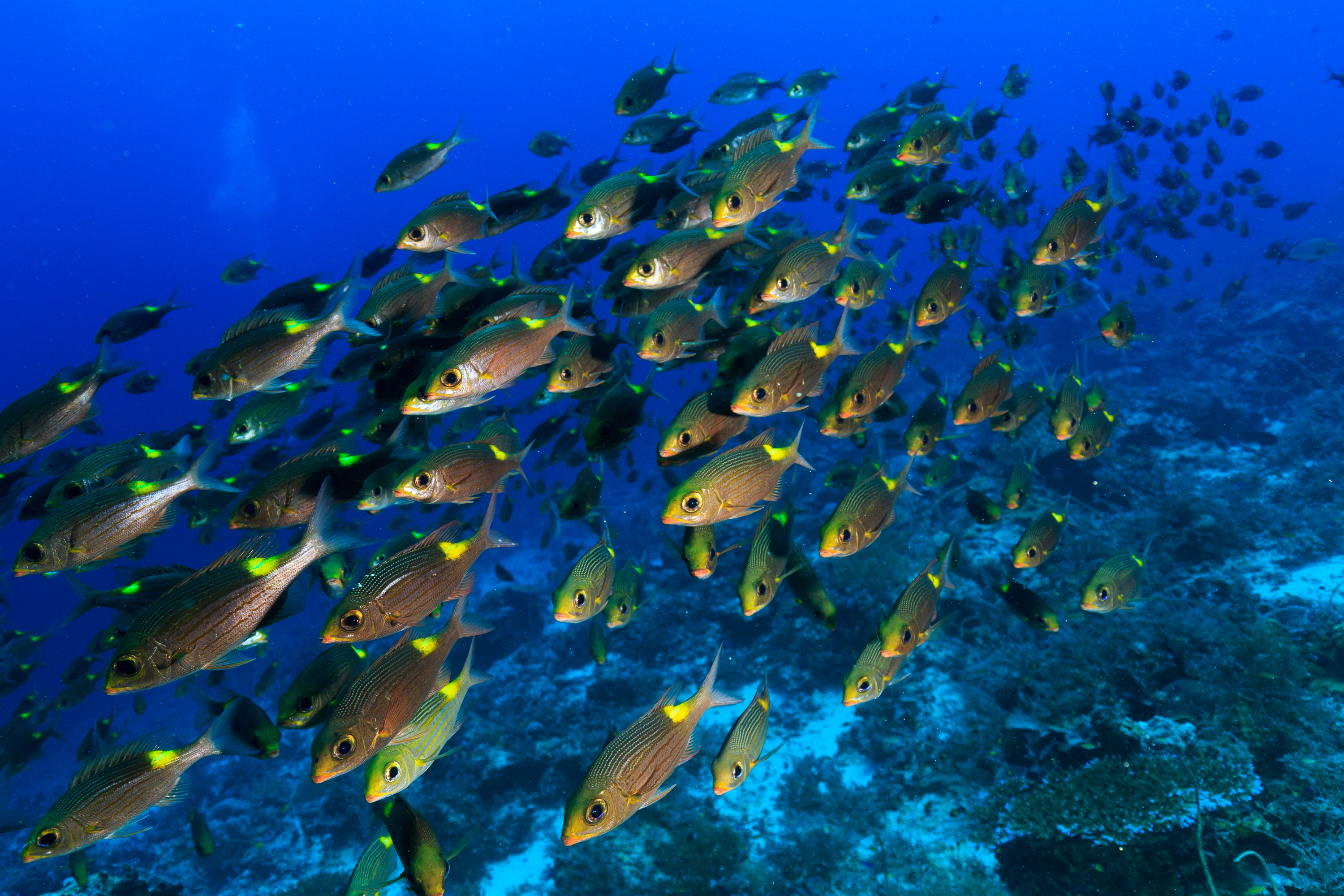
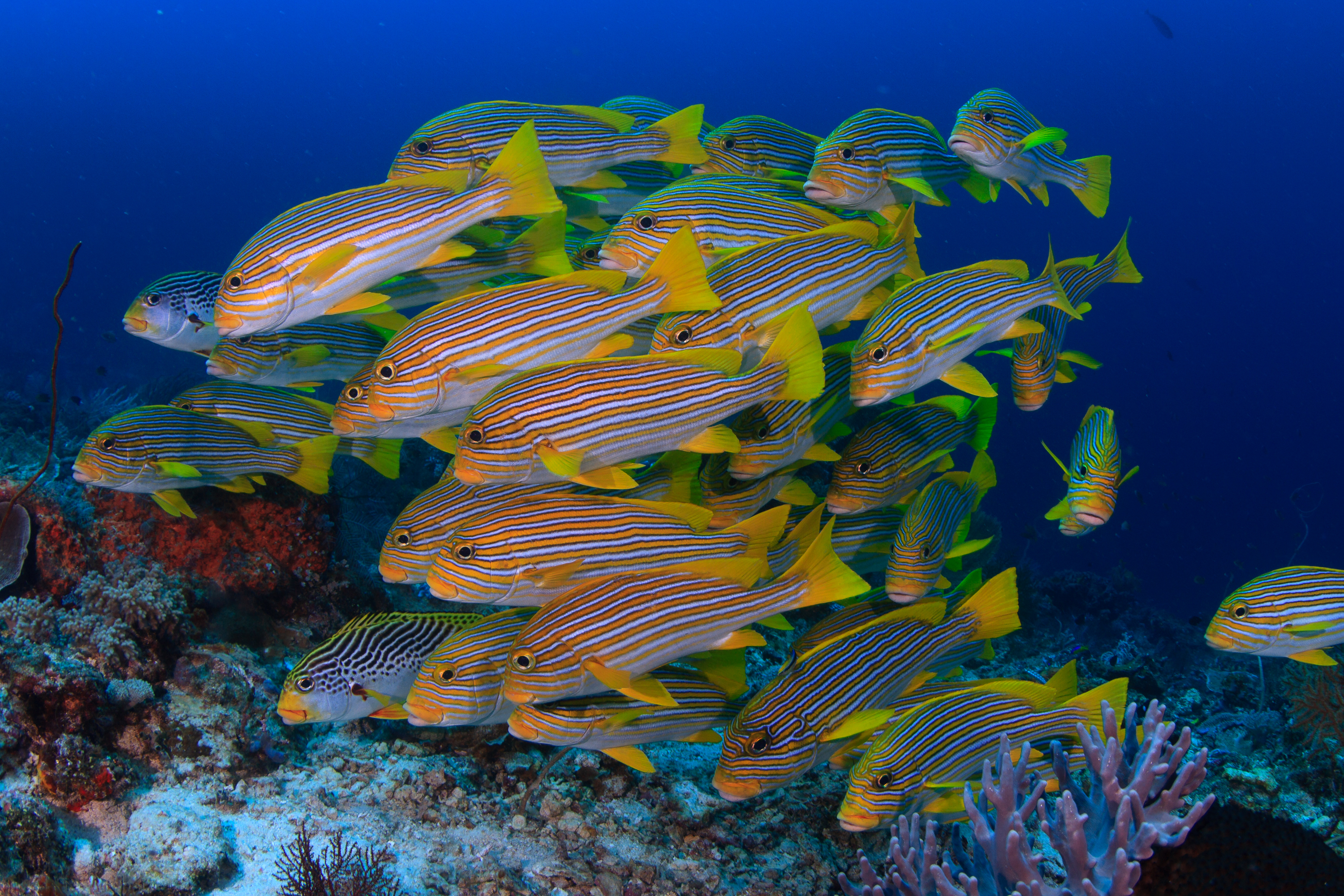
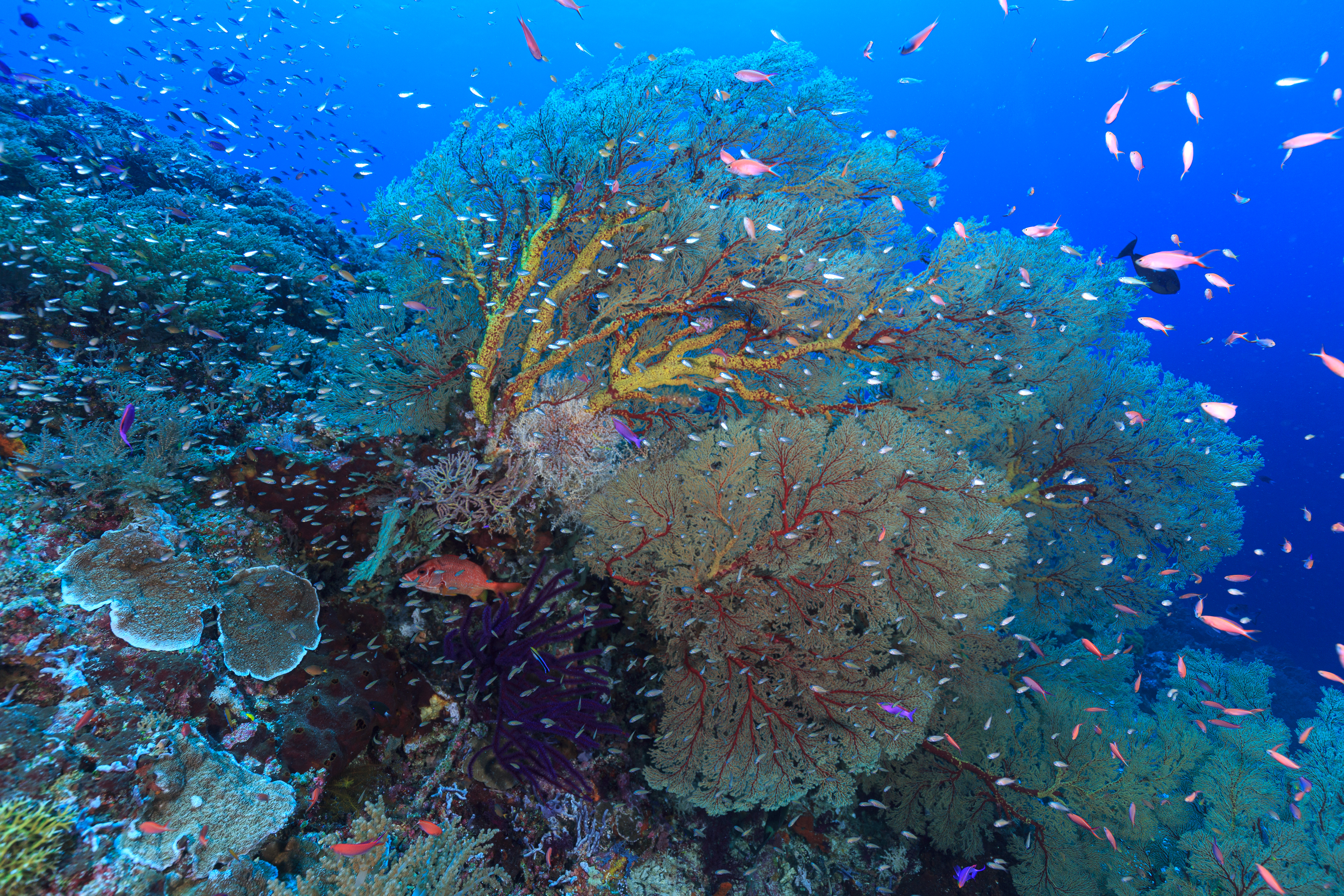
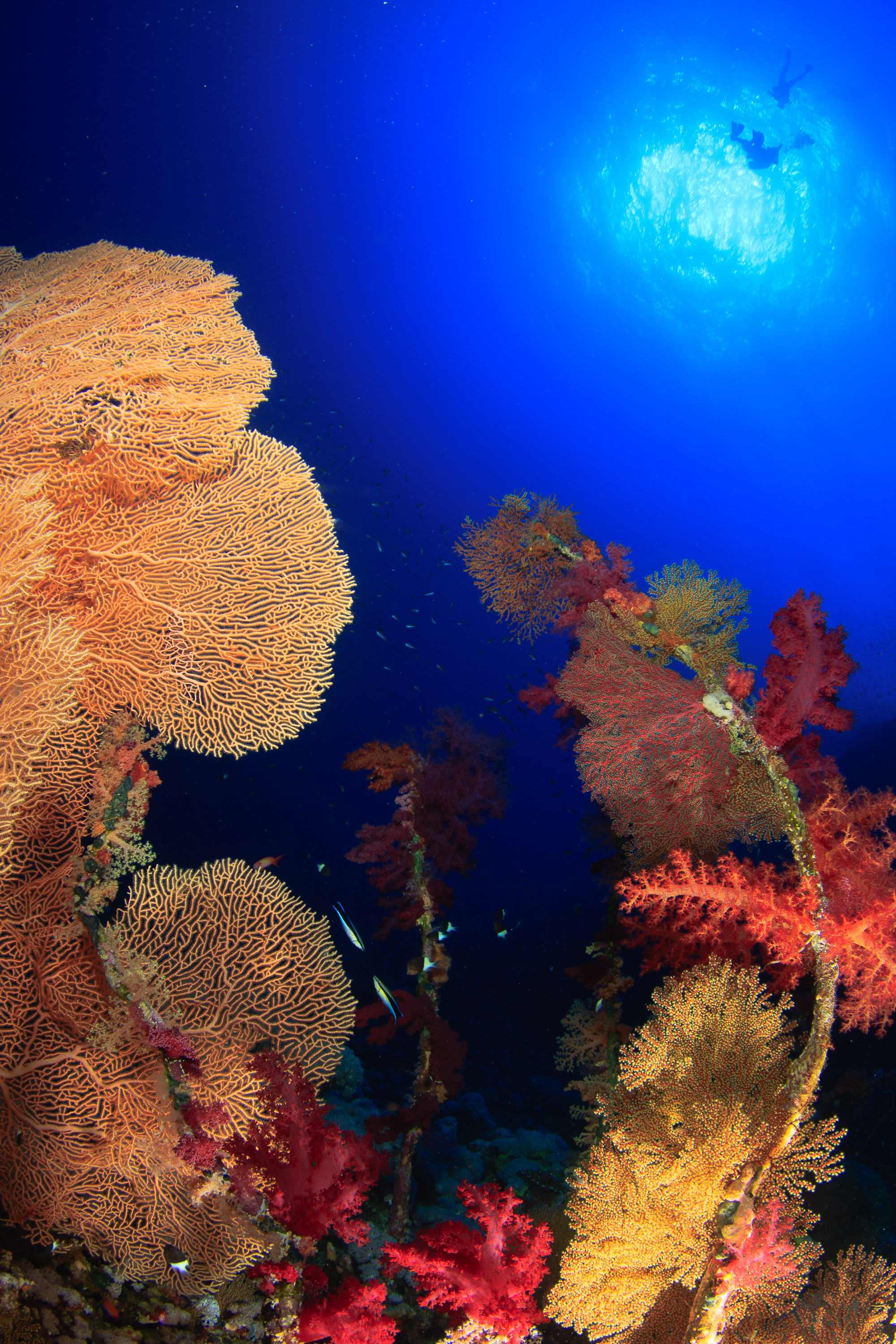
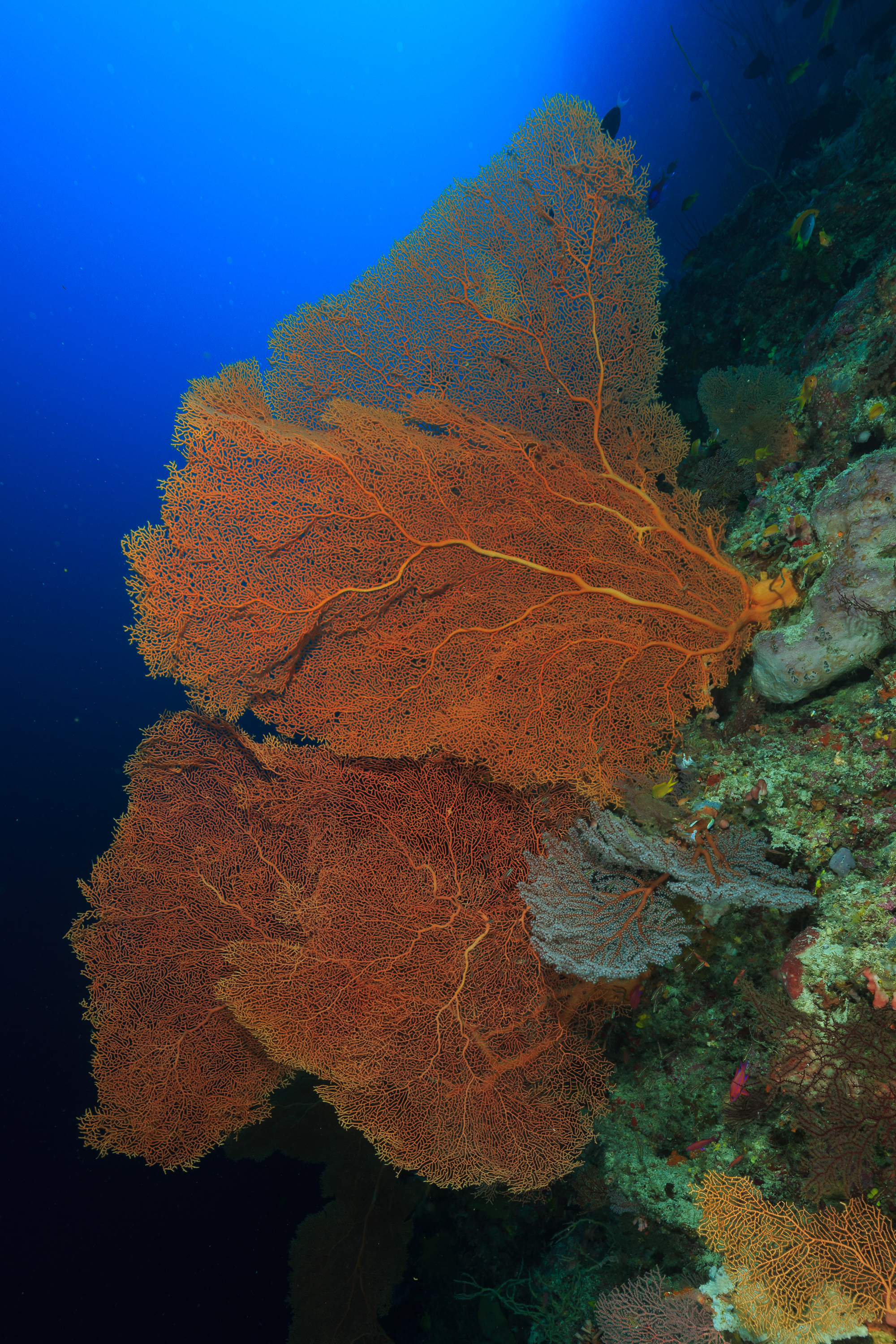
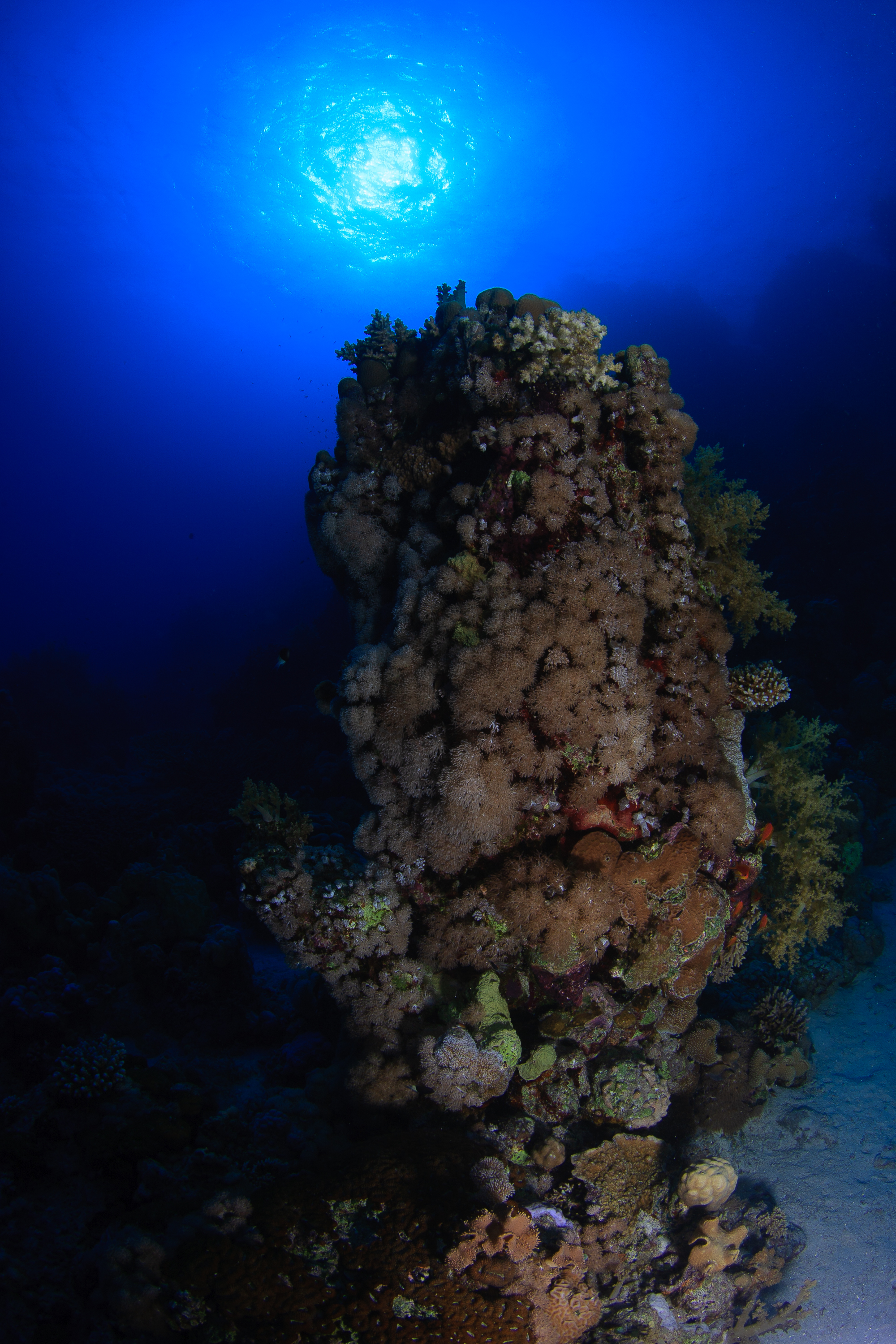
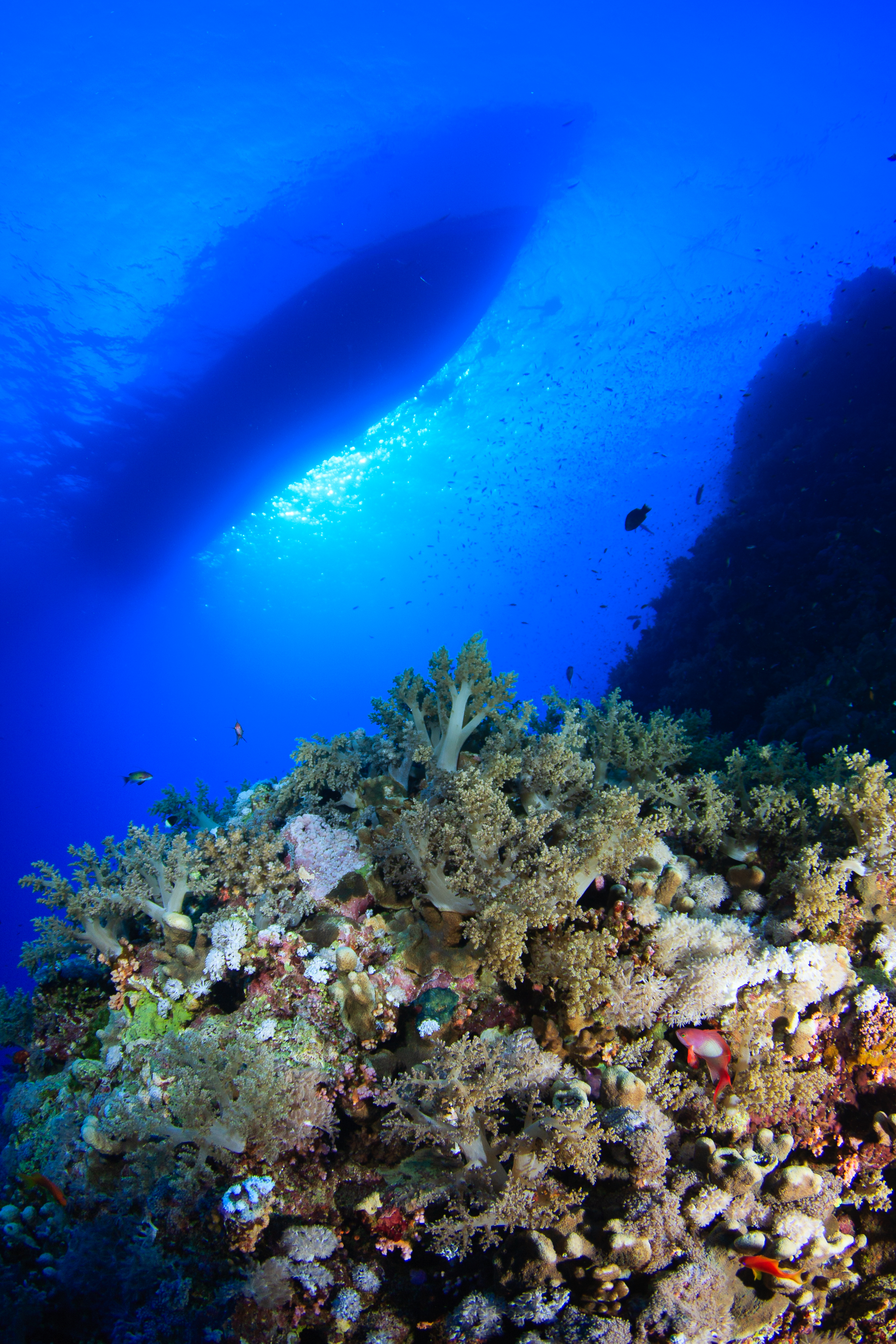
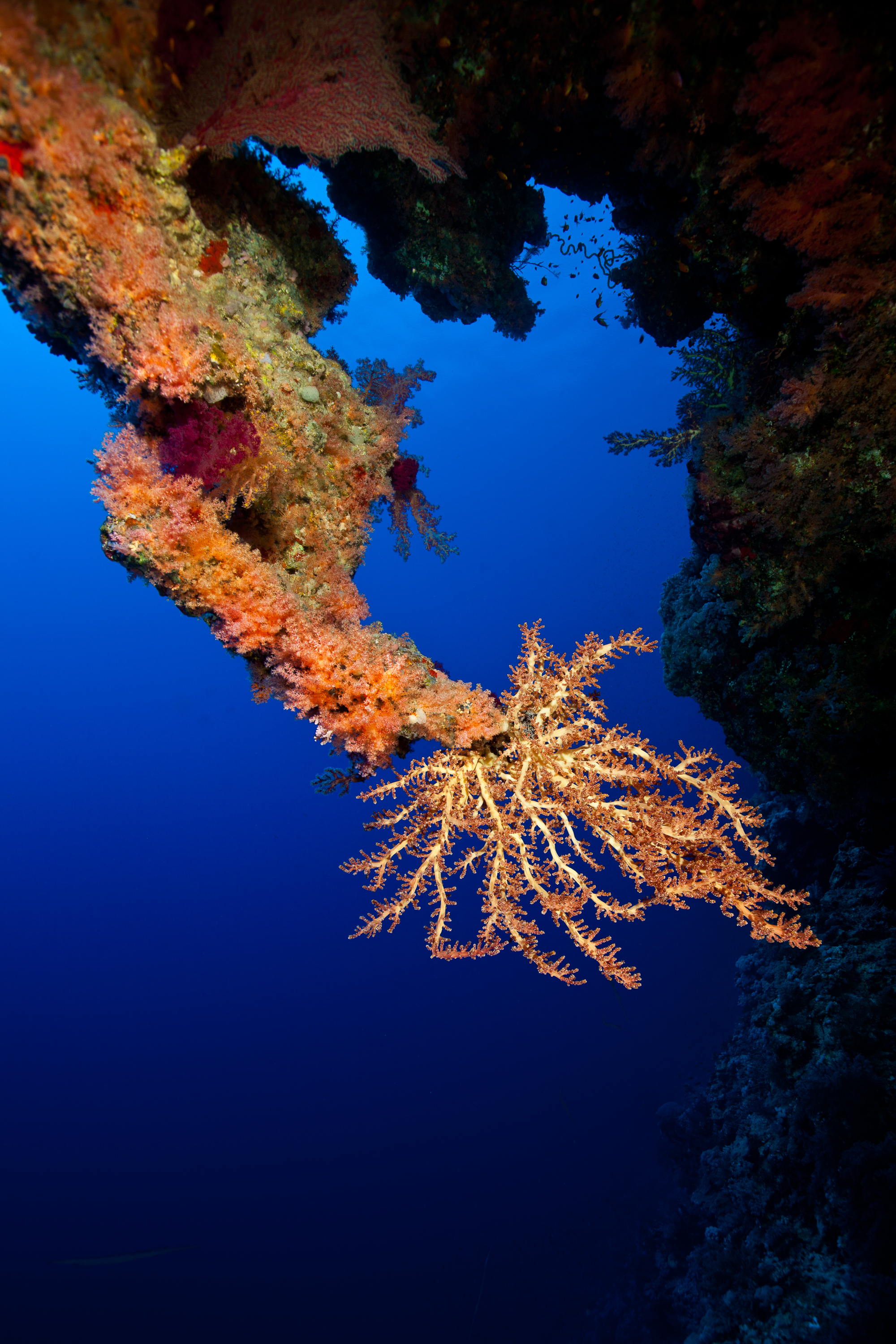
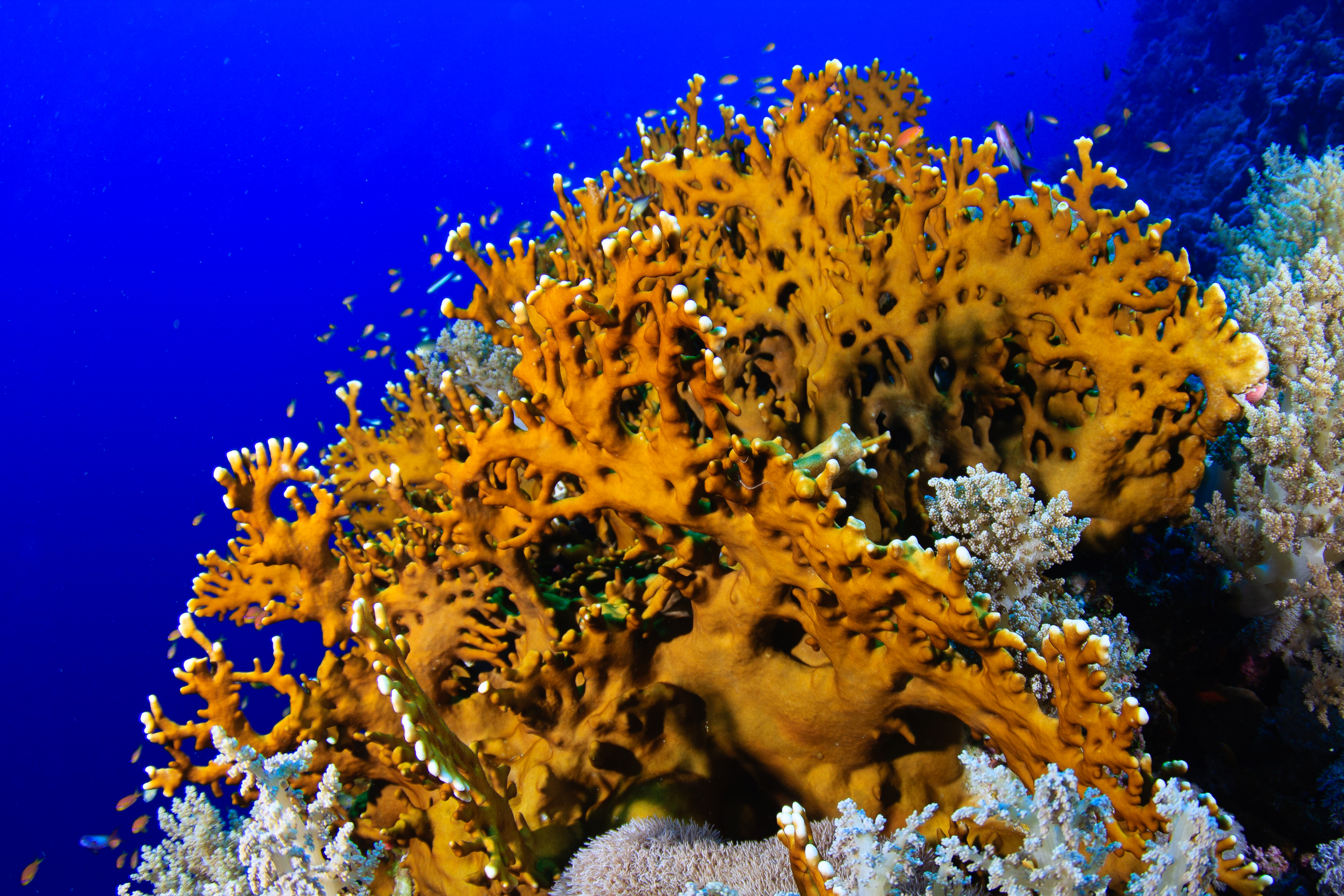
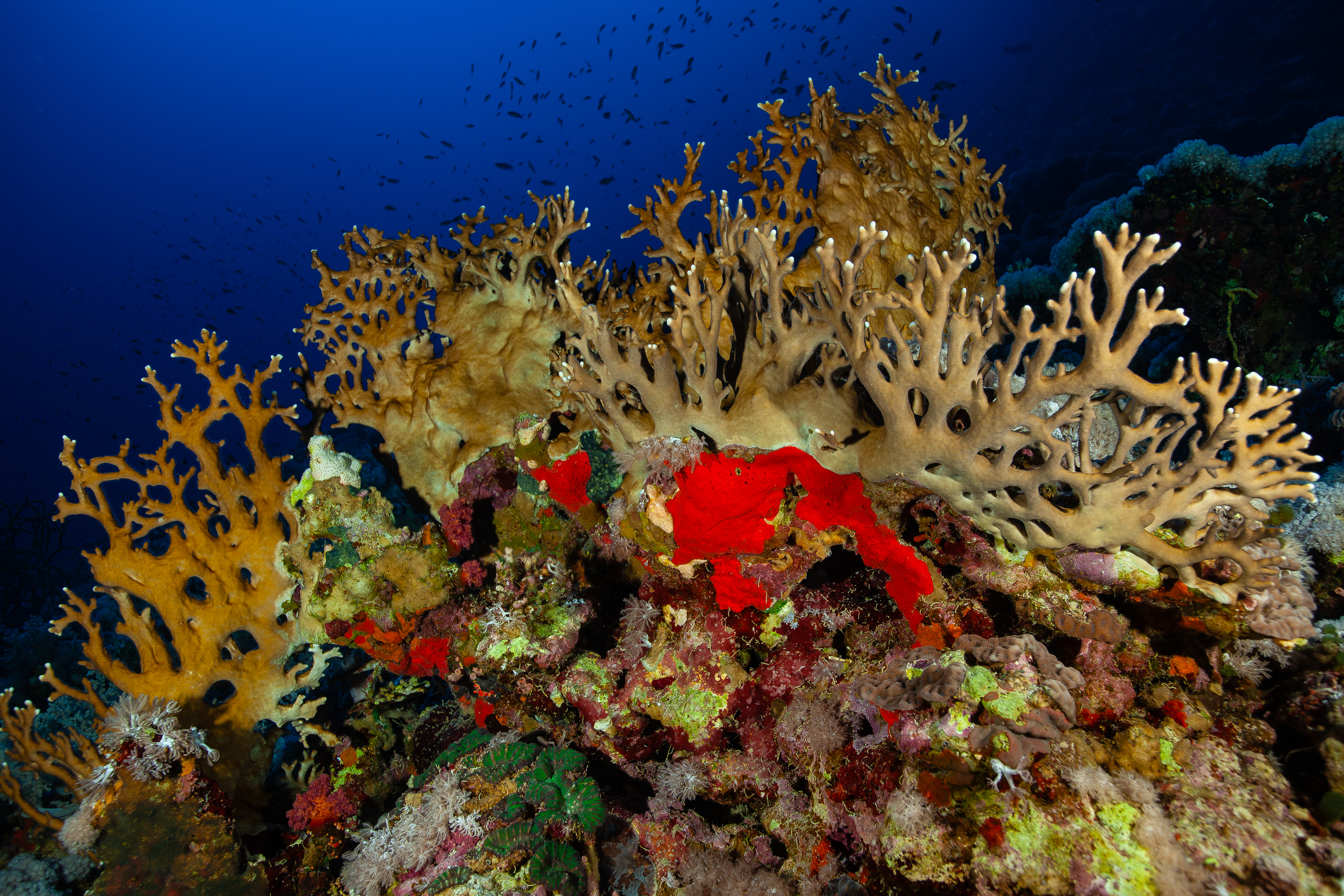
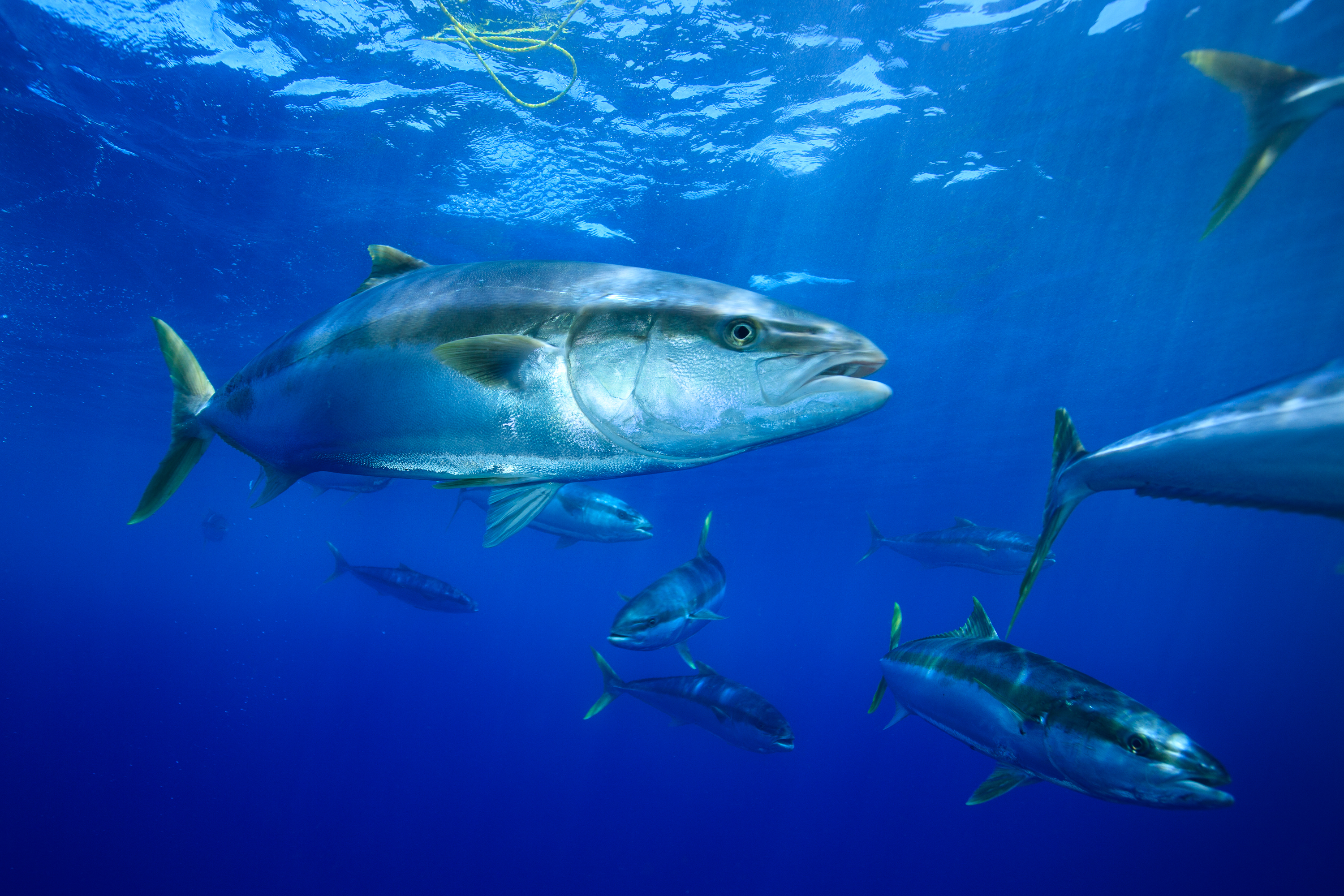
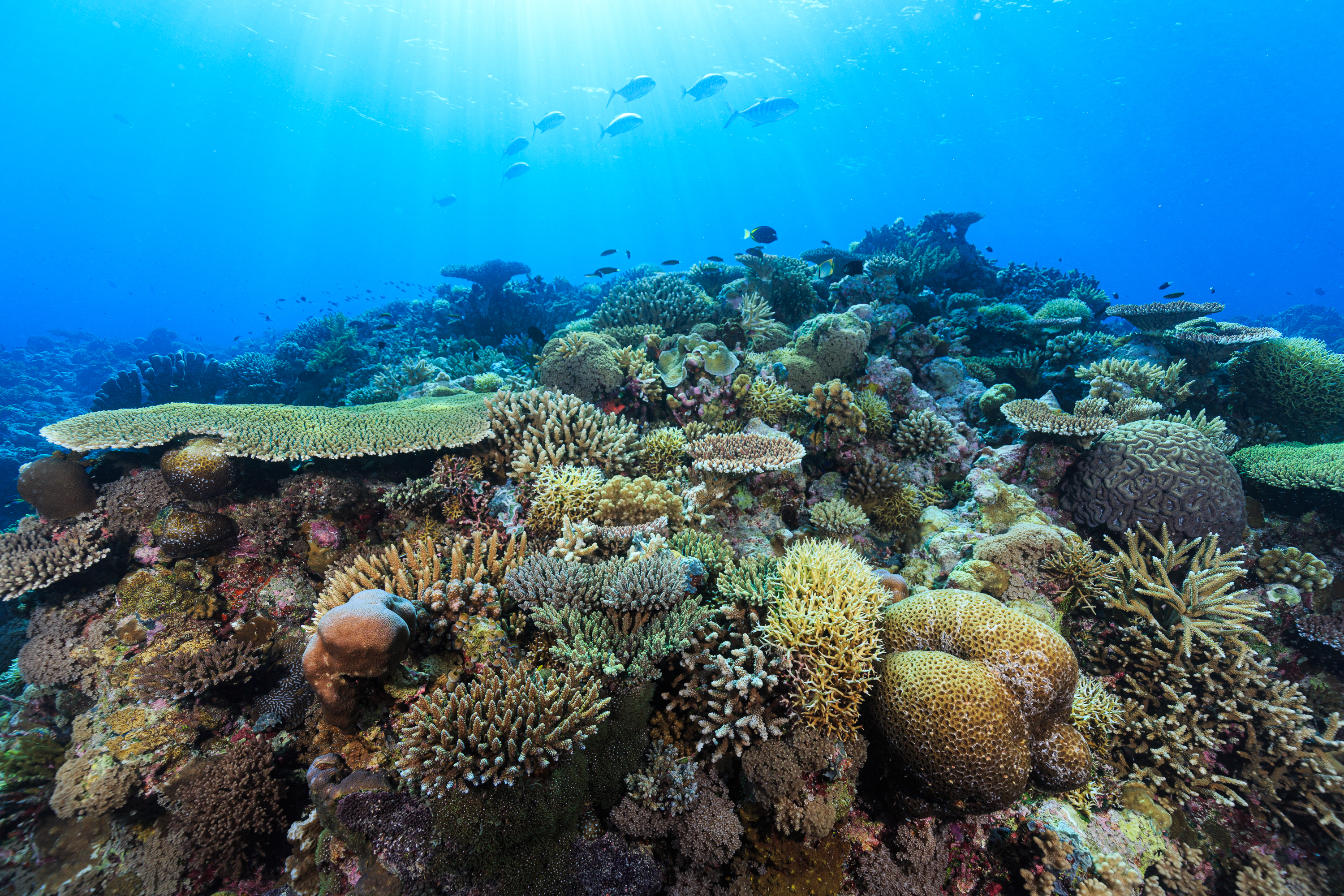
Brothers Islands and Marsa Alam carry the vertical drama and color that shaped my eye from the start. Sudan adds gorgonian gardens and the feeling of diving somewhere raw and unpolished. Tubbataha shows what long-term protection looks like underwater: hard corals stretching into visibility, fish density that feels almost old-fashioned, and sharks cruising through the edges of the scene. In the Galapagos, the schooling takes a different shape: barracuda and creole fish compressing into baitballs against deep blue, no reef underneath, just open water and reflex.
The reef image I’m after
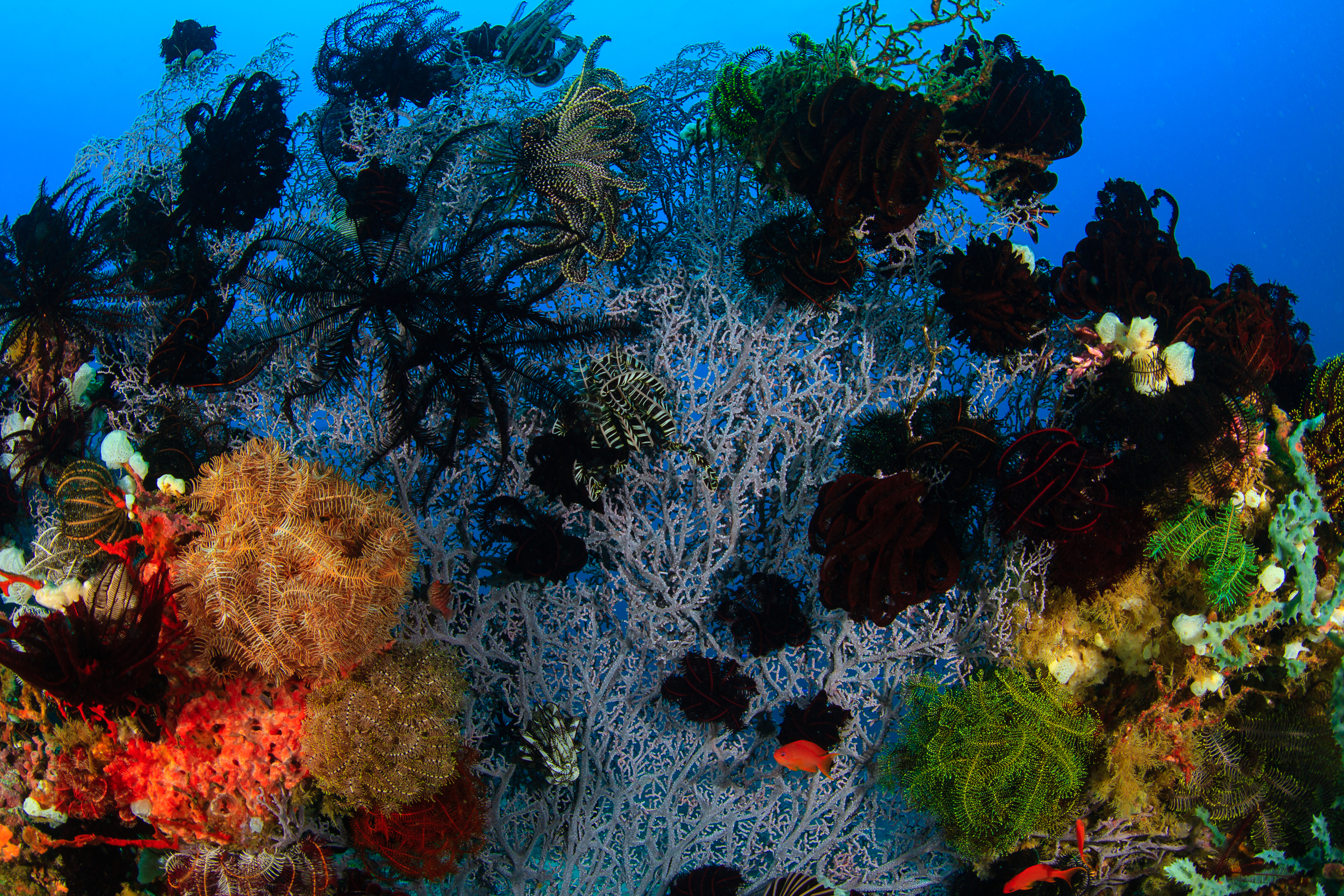
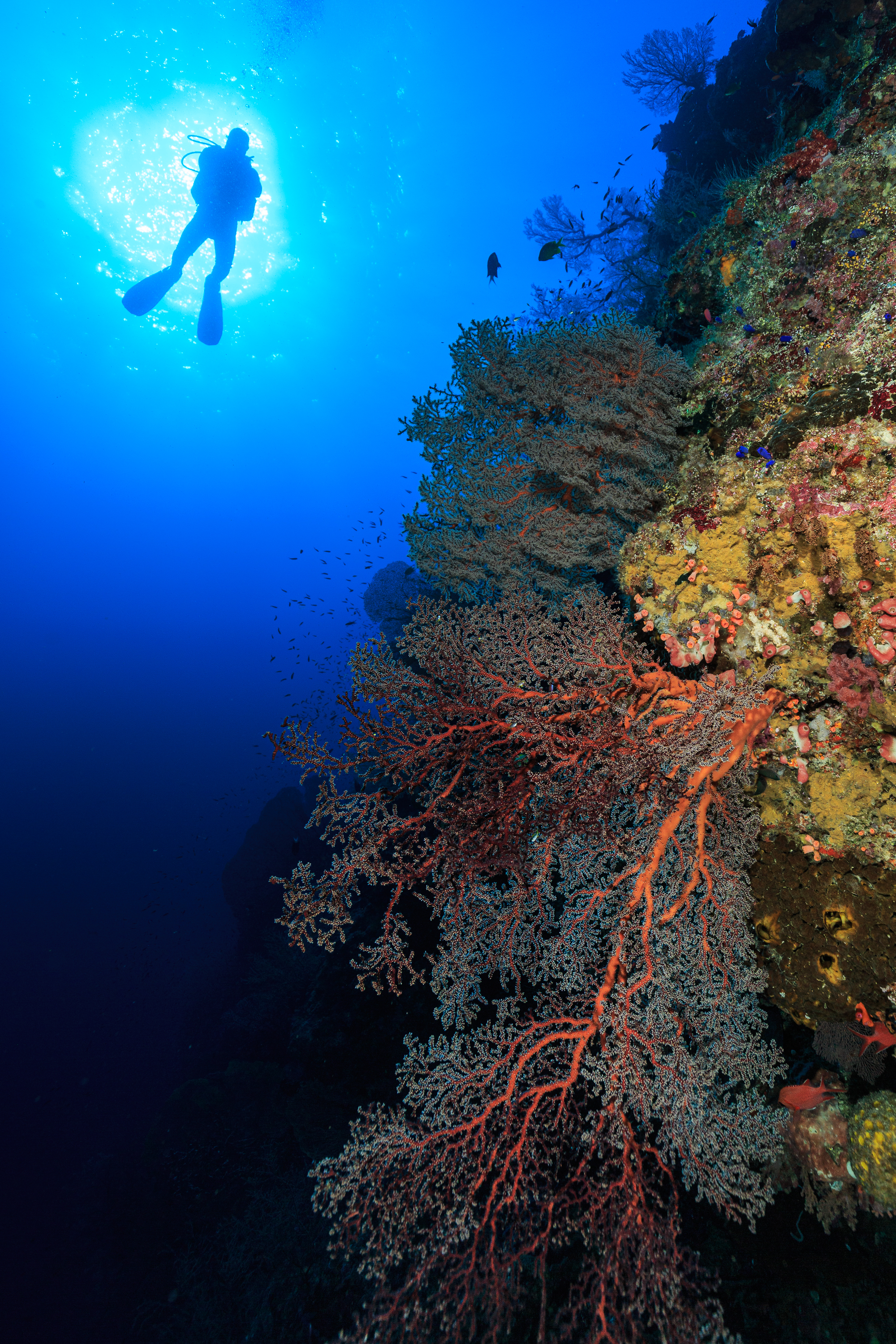
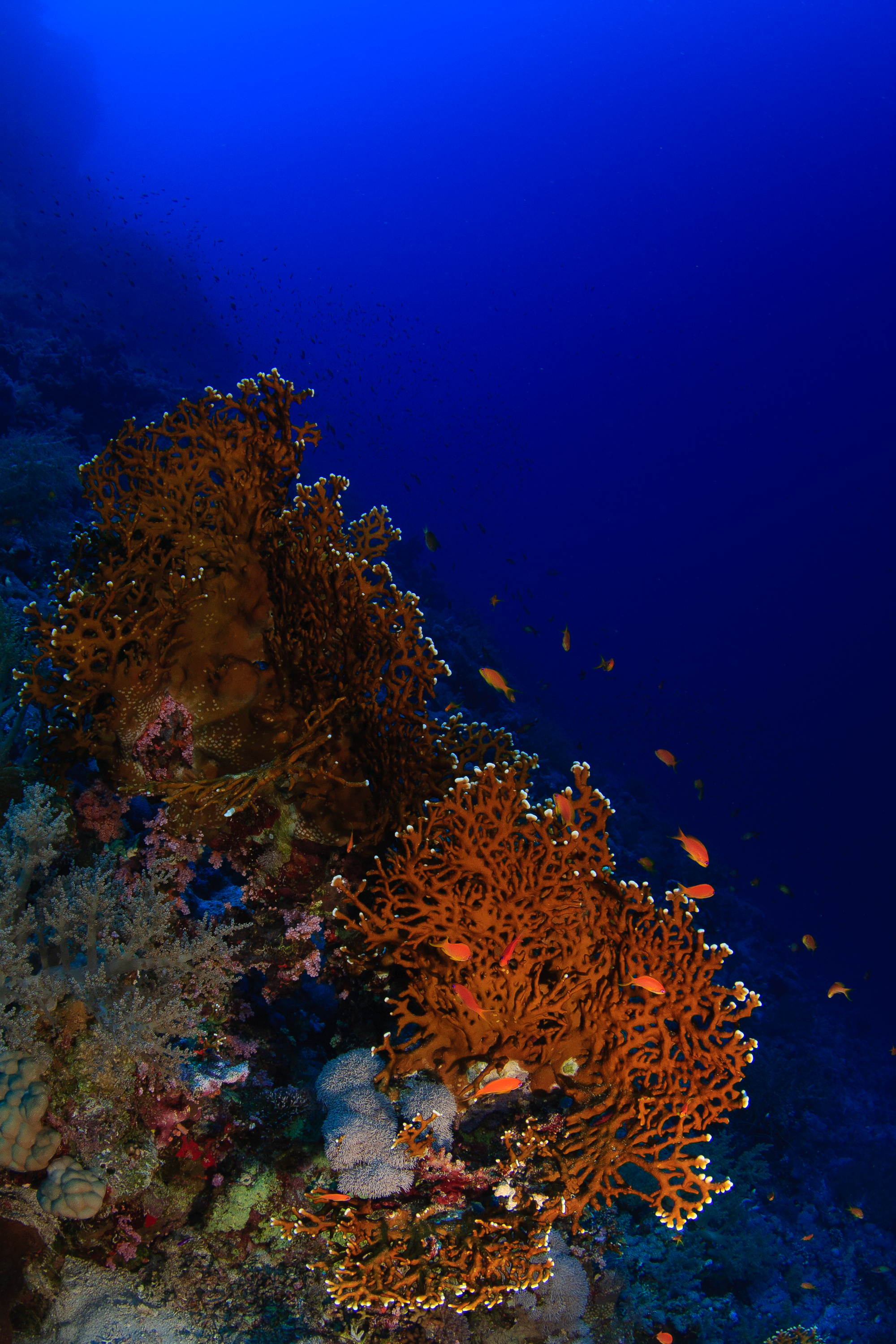
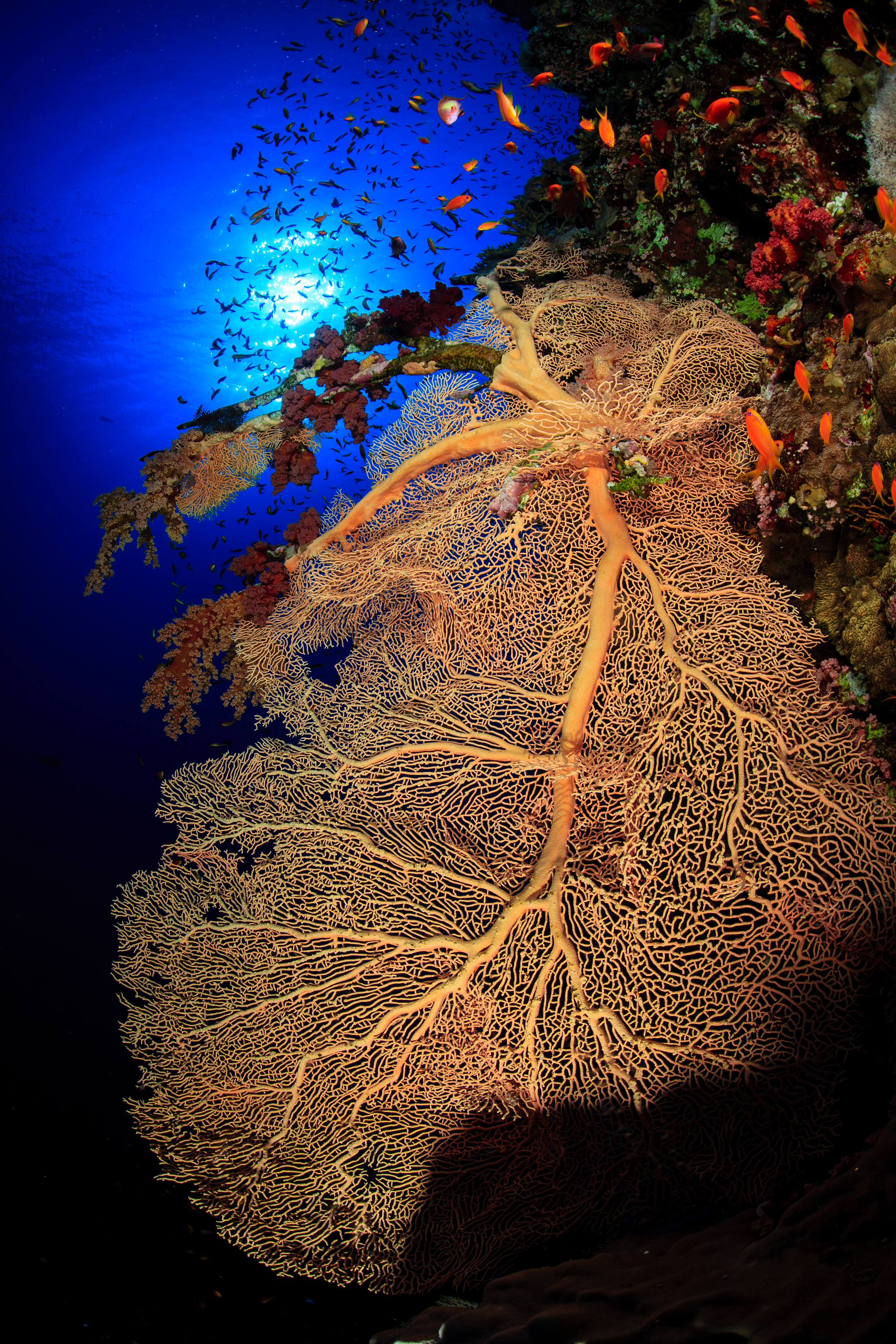
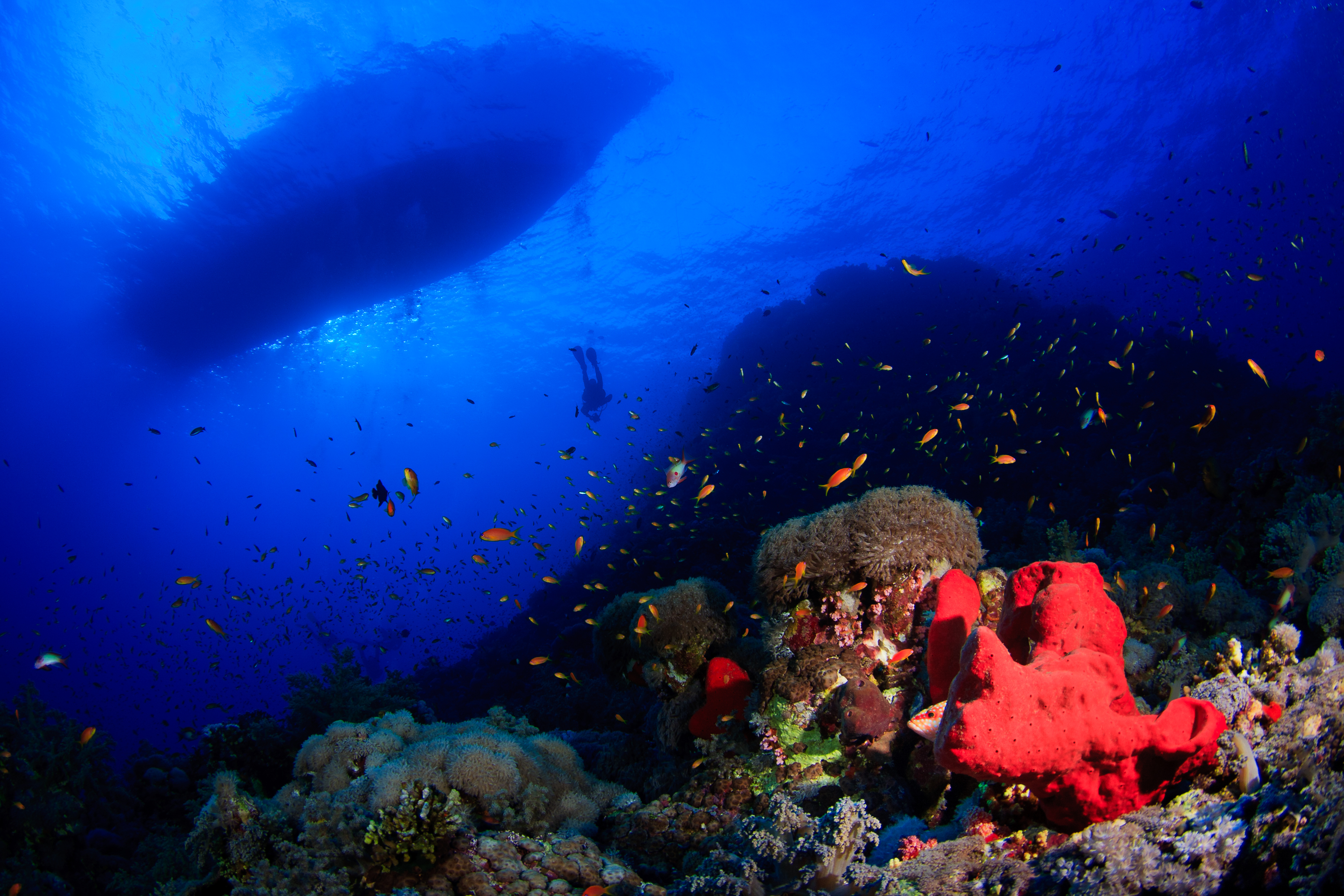
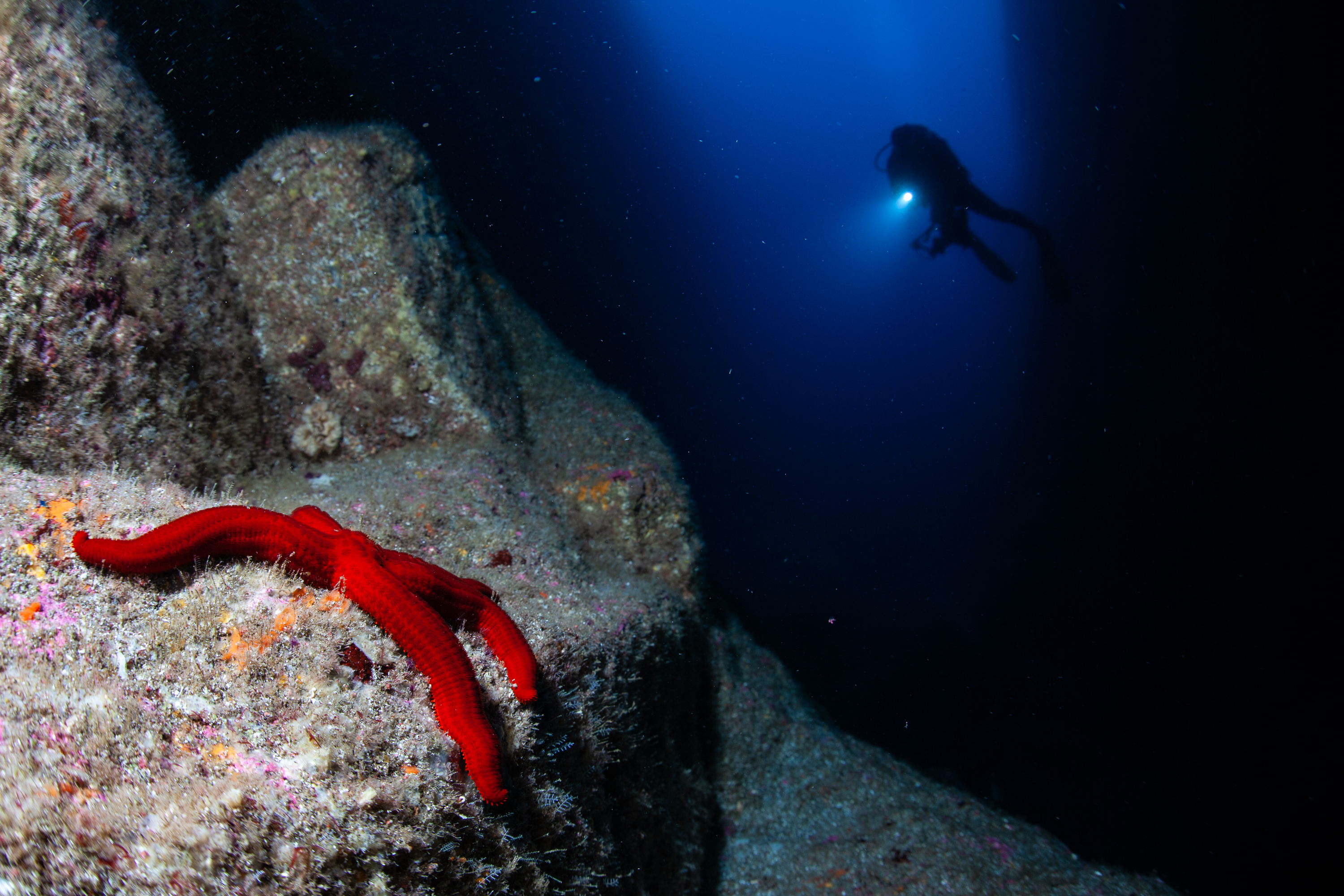
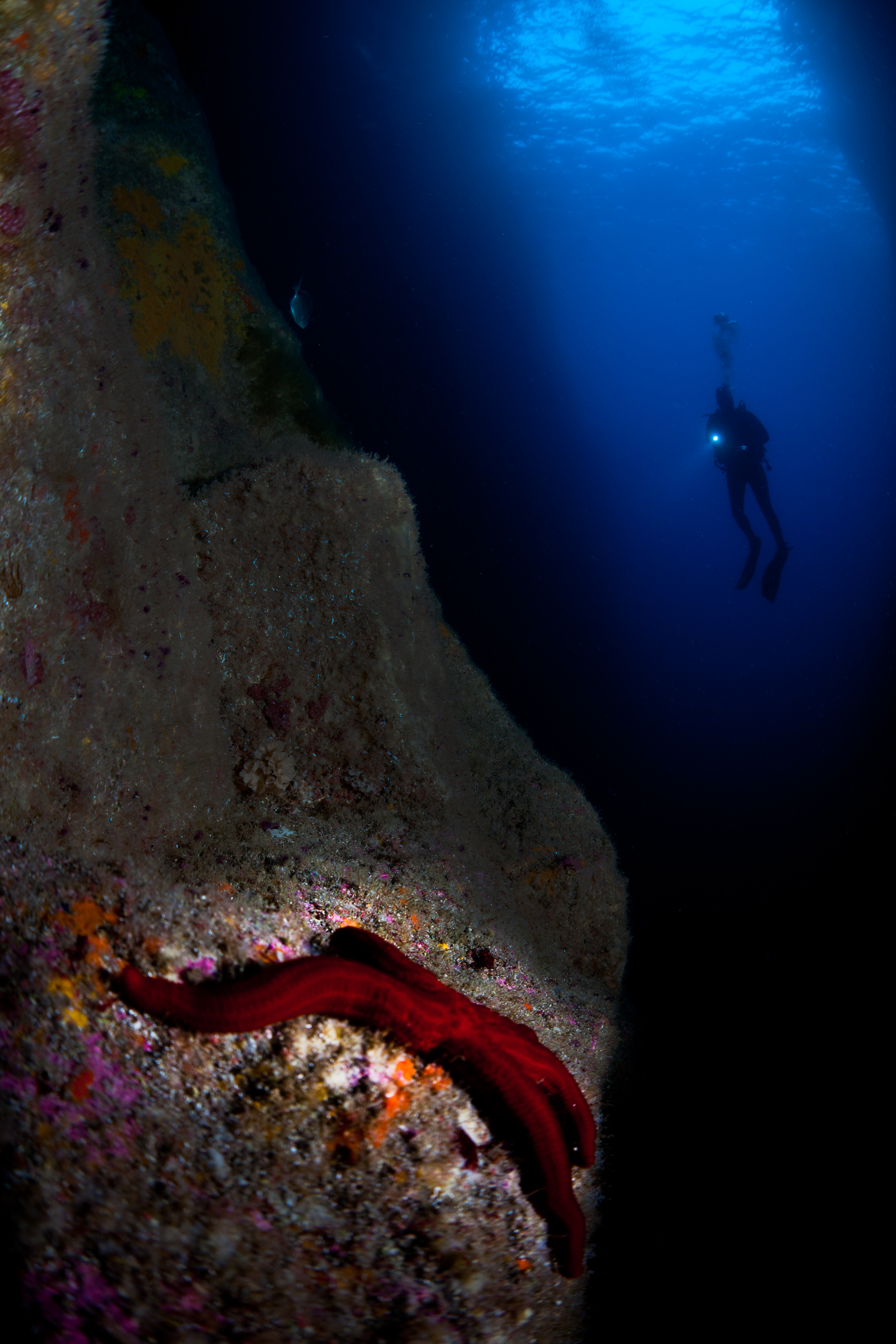
Not the classic wide-angle postcard. Layers. Foreground coral or sponge, fish movement in the middle distance, enough blue water to let the image breathe. Sometimes the subject is a tornado of jacks. Sometimes it is simply the geometry of a wall, the way light lands on a fan coral, or the scale a single diver gives to the reef.
Reefs are the foundation the other galleries step out of. The sharks in Sharks patrol these walls. The mantas in Gentle Giants visit these cleaning stations. The small animals in Macro Critters hide in these branches. And the Red Sea thread running through this gallery connects to My Big Five for Life and the wider story on the About page.
Explore More Galleries
Caves