Sharks
Eye to eye with sharks across three decades and seven countries: hammerhead schools at Cocos, Malpelo and Galapagos, pelagic threshers at Malapascua, great whites off Guadalupe, tiger and grey reef sharks in Tahiti and Cocos Island channels, blue sharks and makos in the Azores, oceanic whitetips in Egypt’s Red Sea.









Why shark dives stay with me
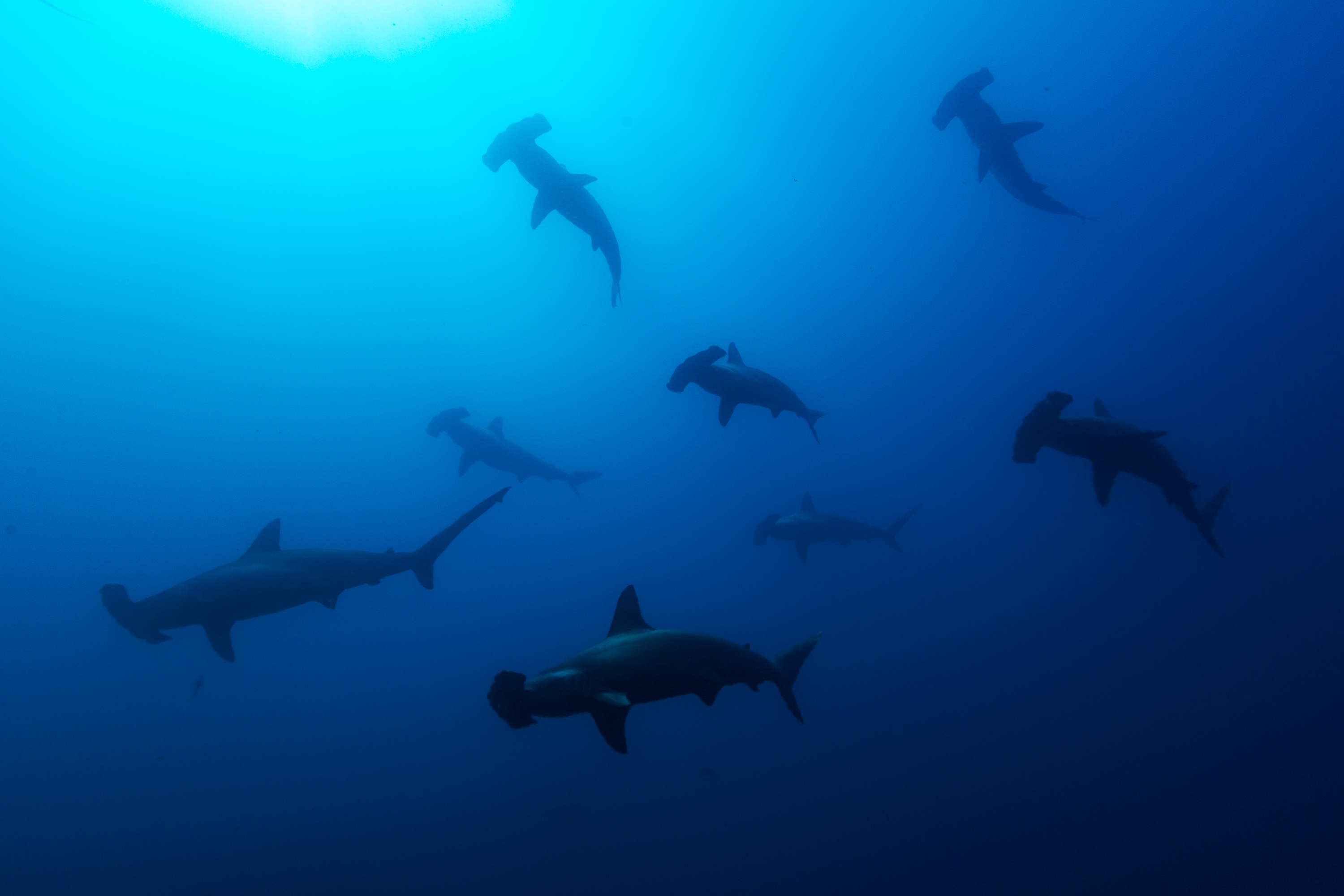
I was twelve, drifting along the northern wall at Elphinstone, when the hammerheads appeared. Thirty, maybe forty of them, passing for the entire dive. Calm. Commanding. That moment changed me. I came up obsessed with sharks, and they have never let go.
That is what this gallery is, really. Most of my life spent waiting in blue water for the moment a shark decides to come close. Most shark dives are quiet work: long holds at a rocky cleaning station, hours suspended in open blue water with nothing for reference but silence, a current that decides whether the school arrives or stays just out of reach, breathing slow so you don’t push them away. When the sharks finally come, the whole dive sharpens.
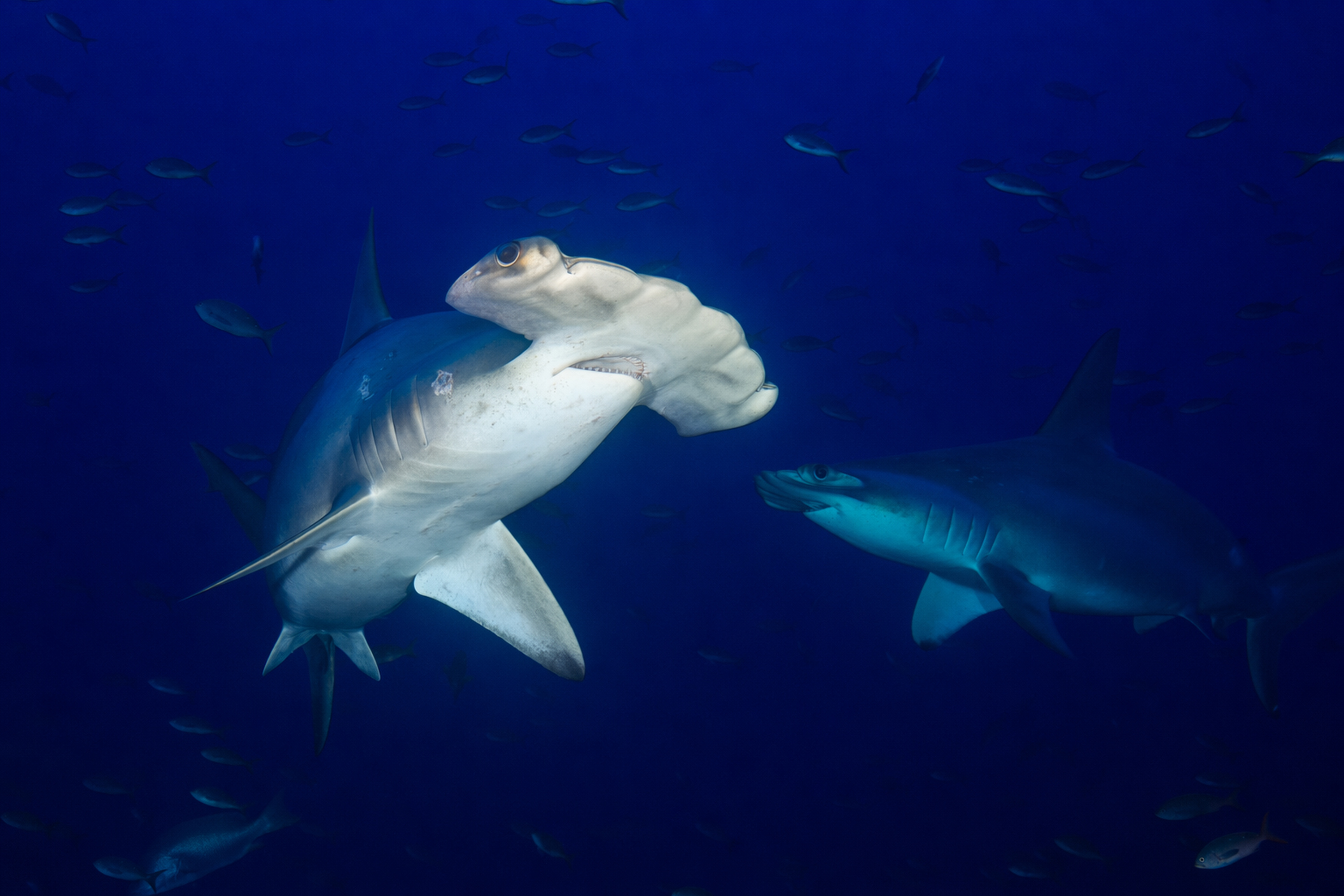
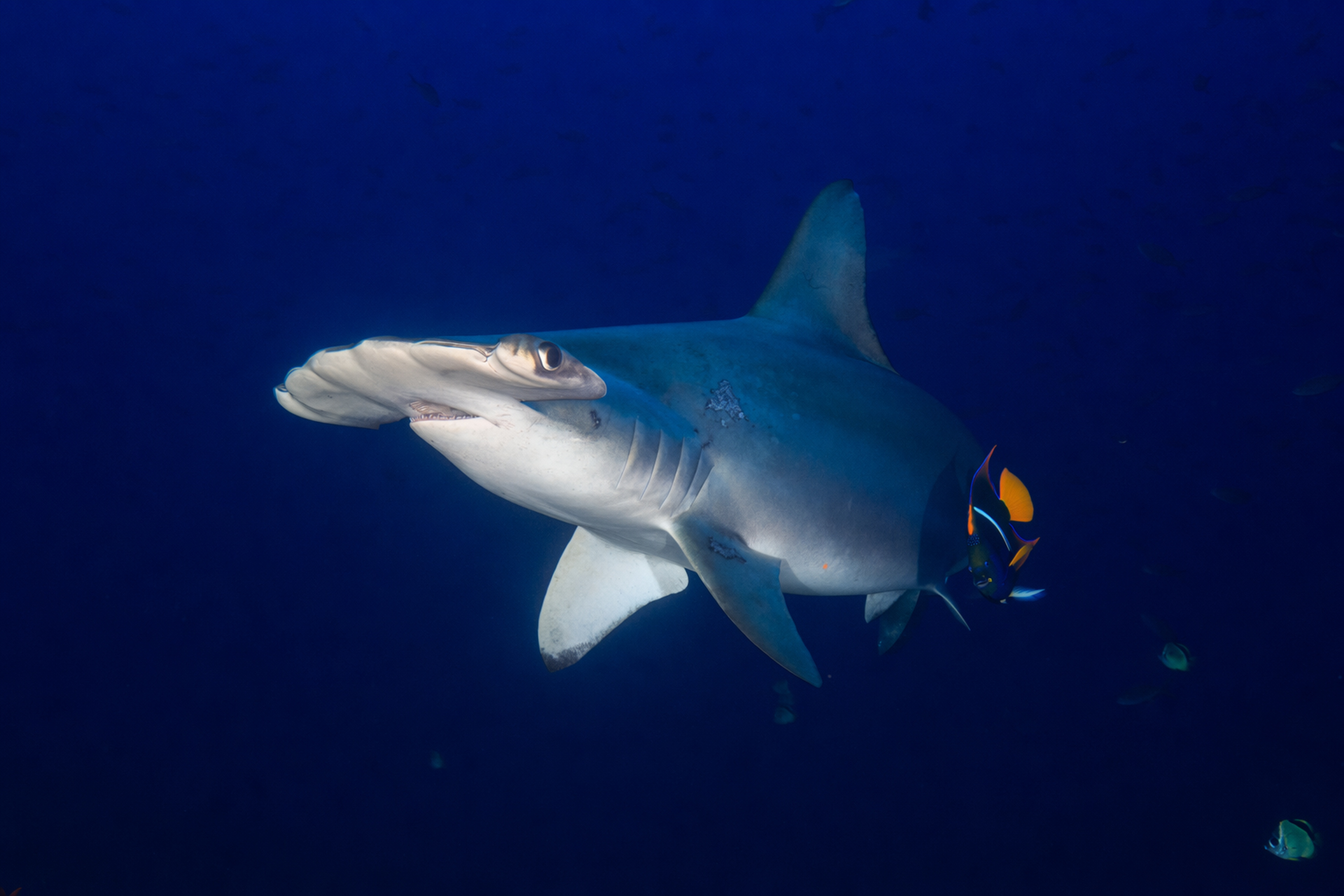
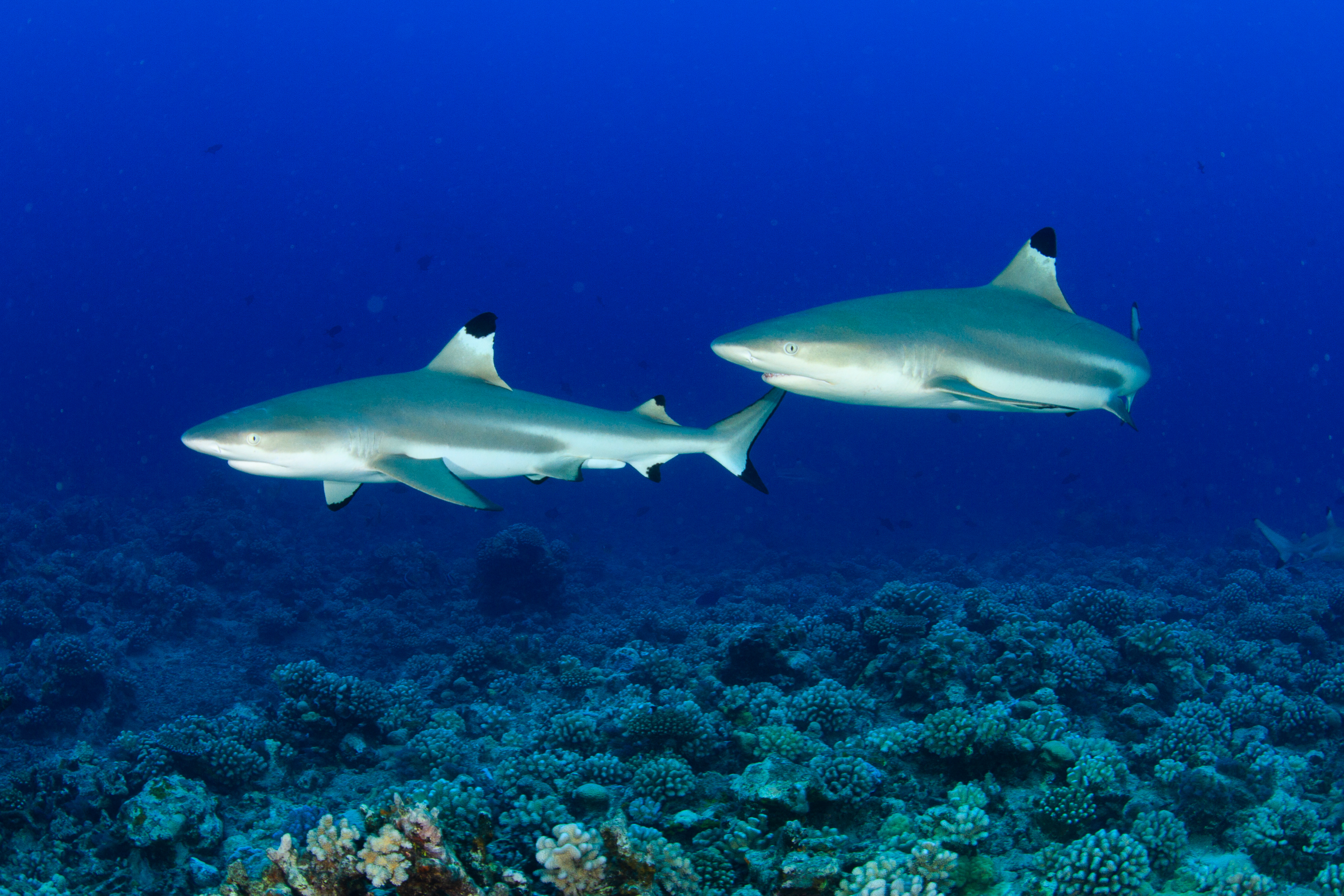
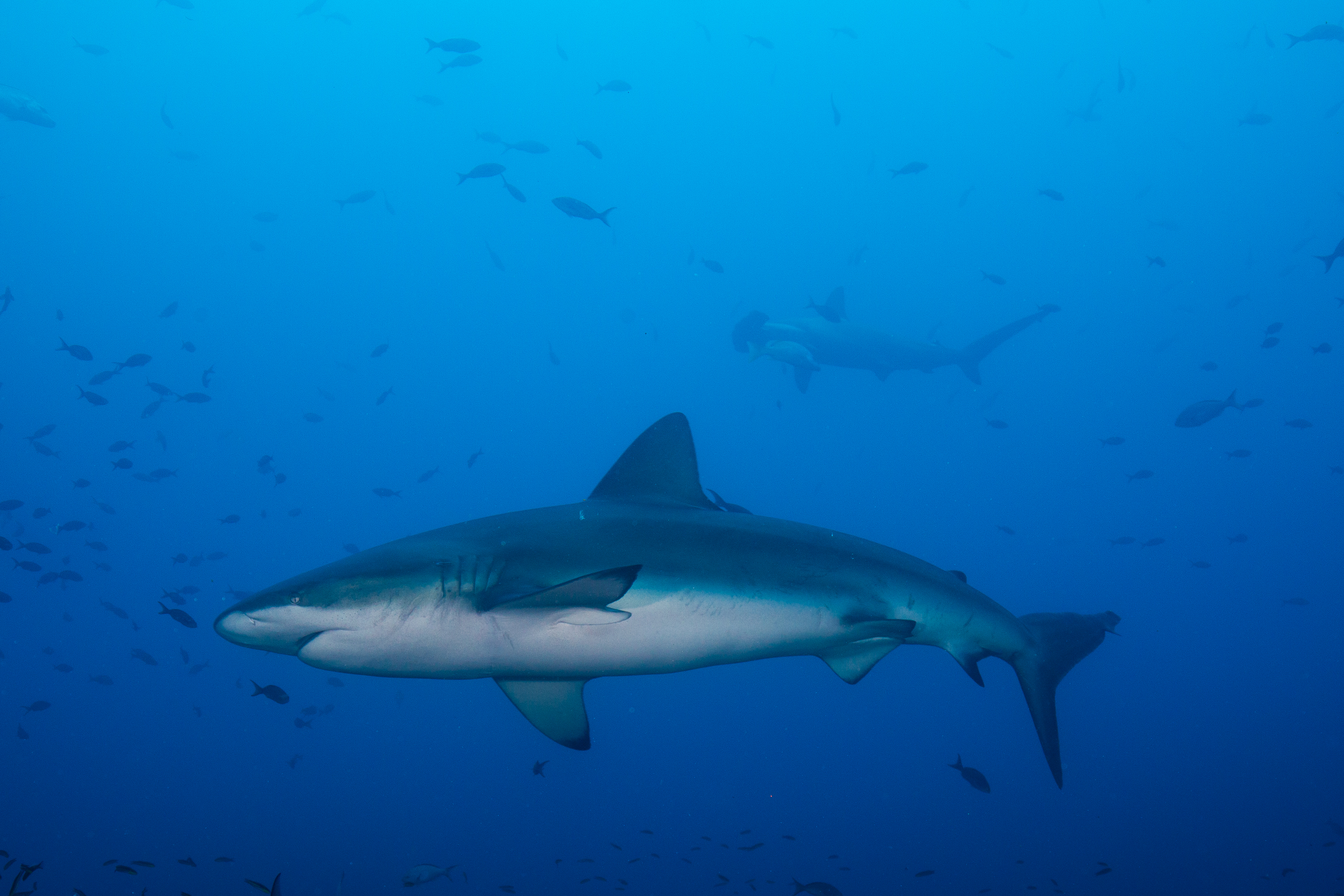
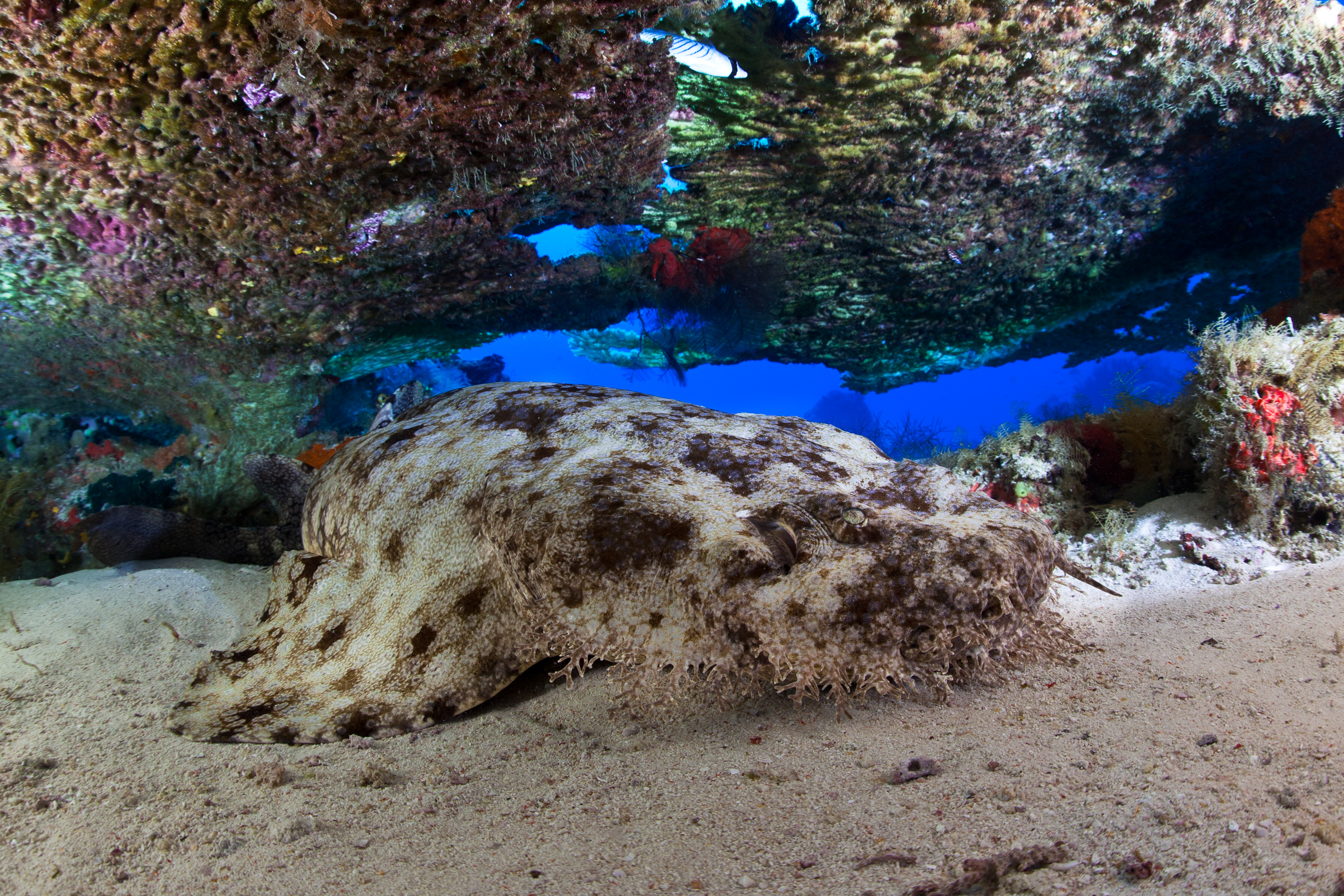
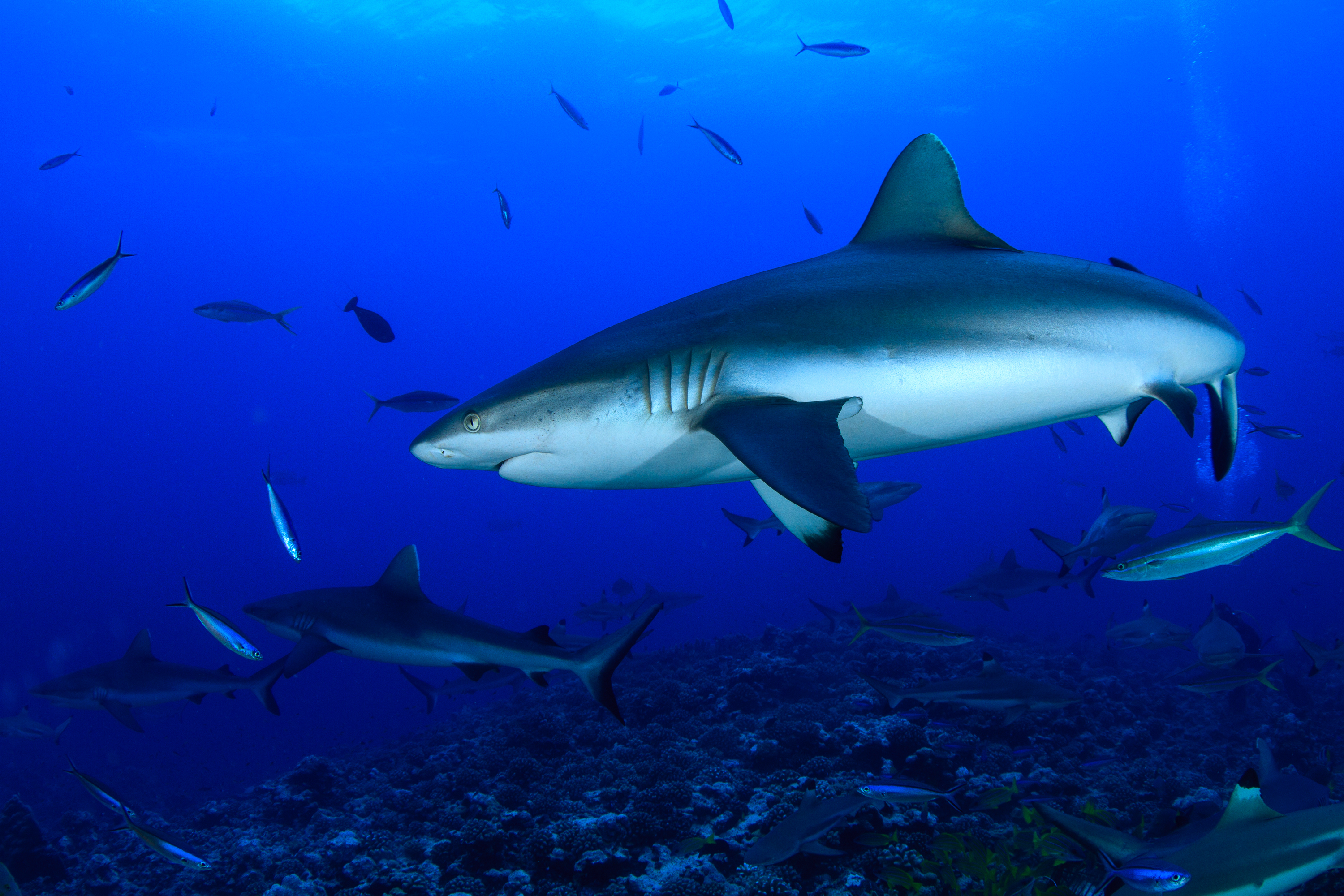
The geography tells its own story. Scalloped hammerheads moving in loose walls above volcanic rock at Cocos Island, Malpelo, and Galapagos, sometimes so dense the reef below disappears. Galapagos sharks cruise the same waters with less ceremony, solitary profiles cutting through the blue between the schools. At Monad Shoal off Malapascua, pelagic thresher sharks glide along the reef at dawn, all elegance and long curving tails. Tiger sharks in three very different moods: my first one ever, passing close in the blue off the same Elphinstone wall where the hammerheads had changed everything a few years before; gliding through the Cocos Island channels close enough to brush a fin tip; and coming straight in over the Tahitian reef, broad snout leading. Whitetip reef sharks hunting in packs at night, eyes catching torchlight. Guadalupe is colder, harder: cage bars in the frame, great whites appearing with unnerving calm. In the Azores, blue sharks circle in clean Atlantic water, close enough that every scratch and pilot fish becomes part of the portrait, while a mako occasionally cuts through on its own terms.
The shark image I’m after
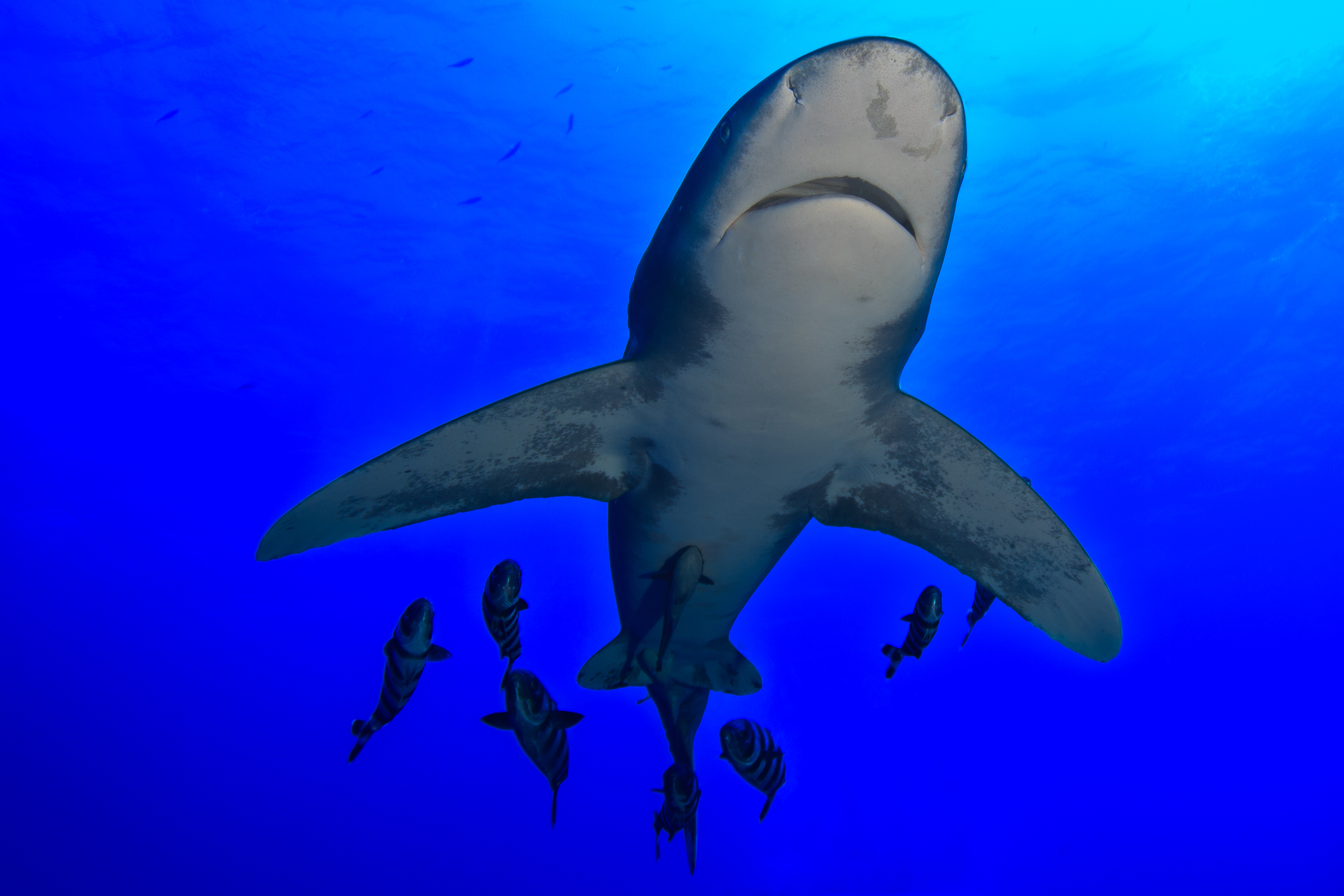
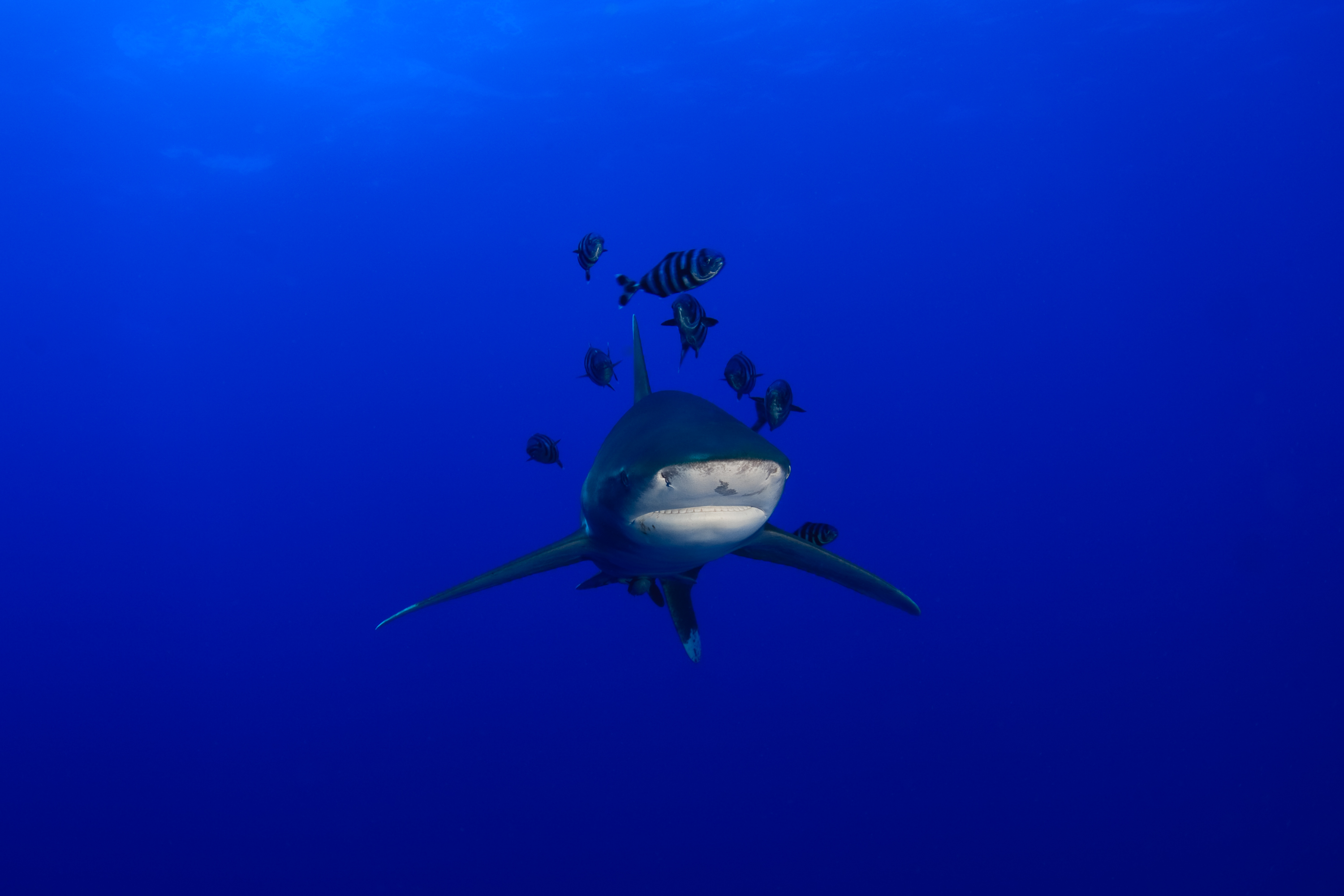
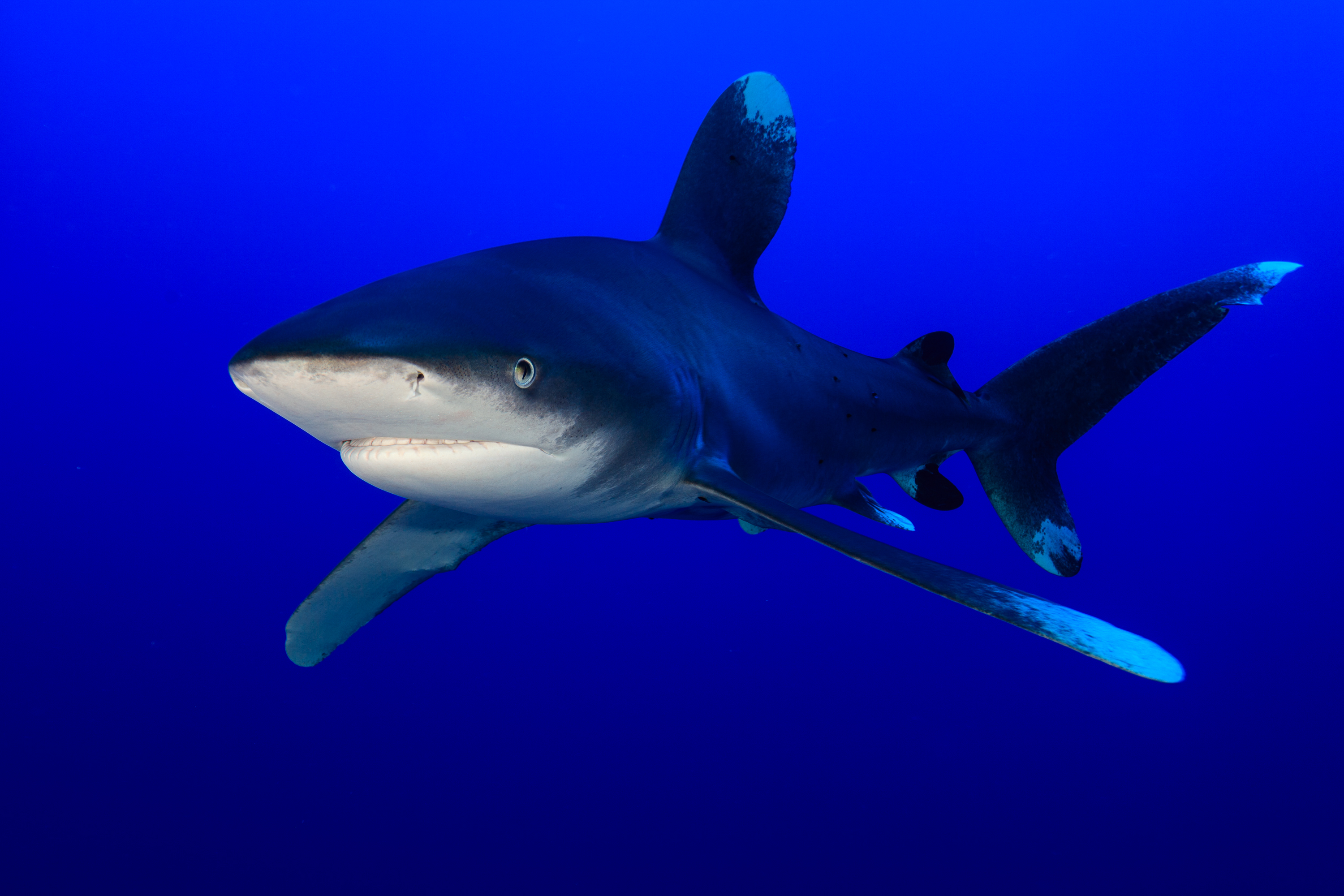
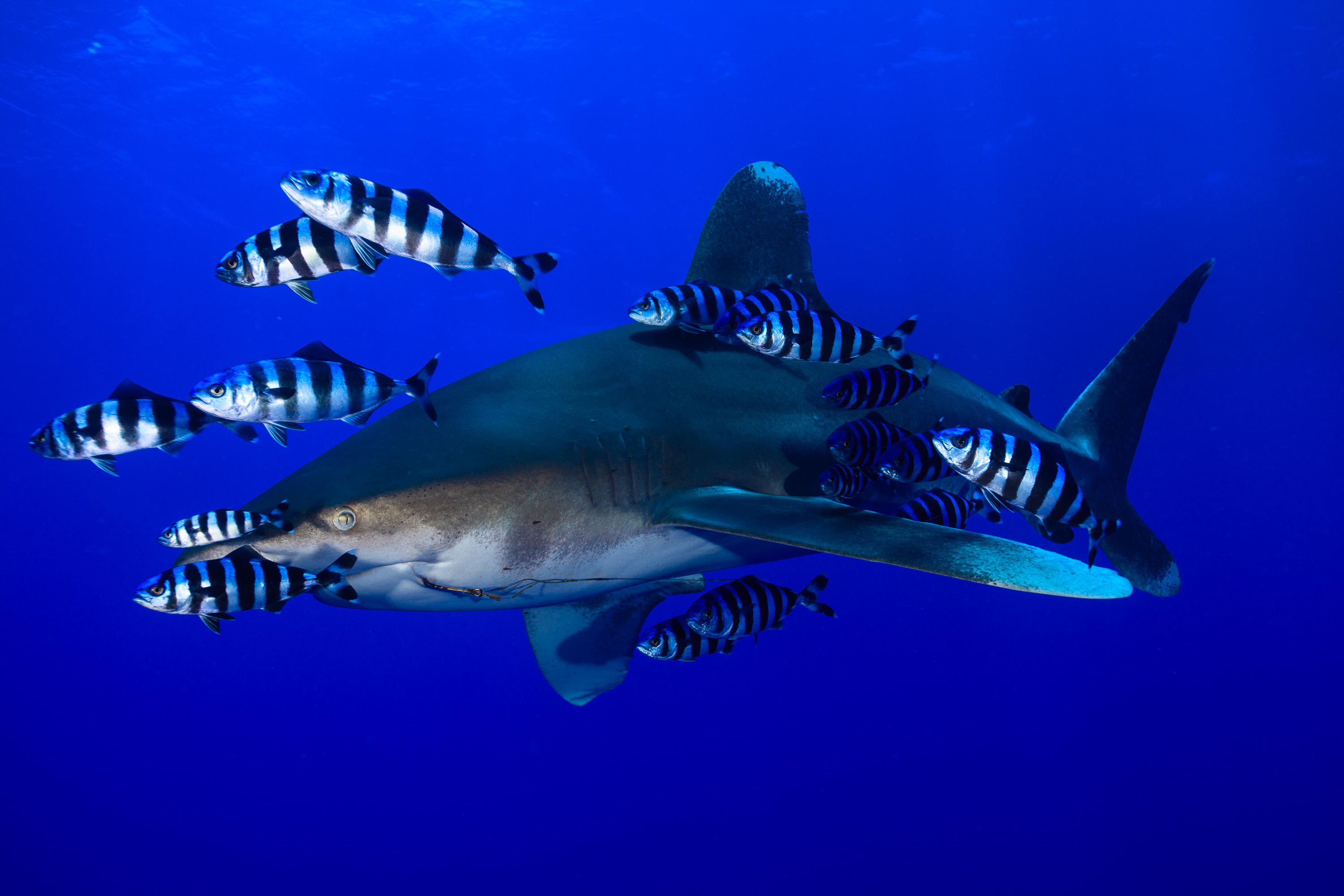
Not the cinematic monster. The animal in its own world. A great white gliding through Guadalupe blue with the patience of something that has nothing to fear. An oceanic whitetip cruising just under the Red Sea surface, pectorals wide. A hammerhead school so dense it dims the light above the reef.
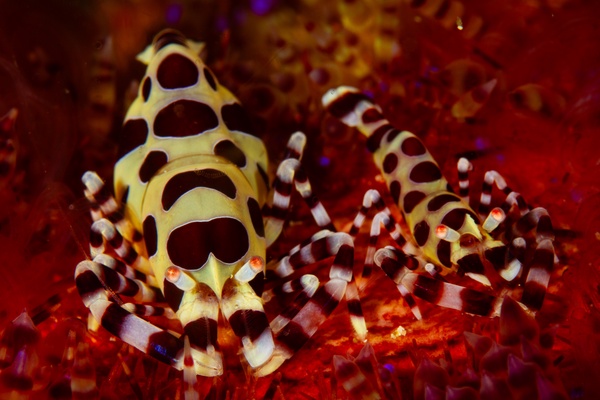
I keep raising the camera because sharks are the animals closest to my heart, and they are disappearing faster than most people realize. If one frame here makes someone see them differently, the dive was worth it. The fuller story is on the About page, and Cocos Island earned its place in My Big Five for Life because of these animals. For quieter wide-angle scenes from the same reefs, see Reef & Corals. For the opposite end of scale, head to Macro Critters.
Explore More Galleries
Gentle Giants